LIVE
BREAKING
Africa No Filter opens 2026 Voices for Climate Justice storytelling grants — deadline 25 SeptemberTurkey’s ecological spotlight: Hrant Dink Award meets hard realities for environmental reportersAfter COP29, Azerbaijan journalists push deeper climate investigations through EaP networkCOP31 presidency floats Antalya AI energy pledge and 35×35 electrification at Climate WeekIRENA: record 693 GW renewables in 2025, but annual build must roughly double for 2030Nigeria’s 2026 plastic waste rules put producers on the hook for EPR — not a blanket banClimate Week research: AI-enabled buildings could cut energy use up to 22%, Schneider models sayGCash and Aboitiz launch Balamban drive for one million trees in CebuCovering Climate Now 2026 Awards: Harvey Lifetime, three Journalists of the YearSingapore SAF levy collection starts 1 Oct 2026 for 2027 passenger departuresCanada names Diana Fox Carney first Ocean Envoy for Our Ocean 2027 HalifaxAotearoa Youth COP: rangatahi draft climate statement toward COP31UNEP names Singapore, UAE and Dong Mingzhu inaugural Cool LeadersClimate Week NYC 2026 opens with 1,500+ events alongside UNGAUNEP: world set to cross 1.5°C, but overshoot–peak–decline still possibleSingapore cooling assembly advances heat-resilience roadmap and Nature for Cooling Challenge151,598 Children Vaccinated on Day One as ICT Polio Campaign Targets 447,614PM Arrives in New York to Attend 81st UNGA SessionElbit Systems Factory Blockaded by Protesters Over Israel Arms SupplyYemenis Flee Red Sea as Houthis and Saudi-Backed Forces Escalate WarAfrica No Filter opens 2026 Voices for Climate Justice storytelling grants — deadline 25 SeptemberTurkey’s ecological spotlight: Hrant Dink Award meets hard realities for environmental reportersAfter COP29, Azerbaijan journalists push deeper climate investigations through EaP networkCOP31 presidency floats Antalya AI energy pledge and 35×35 electrification at Climate WeekIRENA: record 693 GW renewables in 2025, but annual build must roughly double for 2030Nigeria’s 2026 plastic waste rules put producers on the hook for EPR — not a blanket banClimate Week research: AI-enabled buildings could cut energy use up to 22%, Schneider models sayGCash and Aboitiz launch Balamban drive for one million trees in CebuCovering Climate Now 2026 Awards: Harvey Lifetime, three Journalists of the YearSingapore SAF levy collection starts 1 Oct 2026 for 2027 passenger departuresCanada names Diana Fox Carney first Ocean Envoy for Our Ocean 2027 HalifaxAotearoa Youth COP: rangatahi draft climate statement toward COP31UNEP names Singapore, UAE and Dong Mingzhu inaugural Cool LeadersClimate Week NYC 2026 opens with 1,500+ events alongside UNGAUNEP: world set to cross 1.5°C, but overshoot–peak–decline still possibleSingapore cooling assembly advances heat-resilience roadmap and Nature for Cooling Challenge151,598 Children Vaccinated on Day One as ICT Polio Campaign Targets 447,614PM Arrives in New York to Attend 81st UNGA SessionElbit Systems Factory Blockaded by Protesters Over Israel Arms SupplyYemenis Flee Red Sea as Houthis and Saudi-Backed Forces Escalate War
Climate

After COP29, Azerbaijan journalists push deeper climate investigations through EaP network

Ch UsmanPublished September 21, 2026
After COP29, Azerbaijan journalists push deeper climate investigations through EaP network
Featured Coverage: After COP29, Azerbaijan journalists push deeper climate investigations through EaP network / Watan News Archive
Share this story

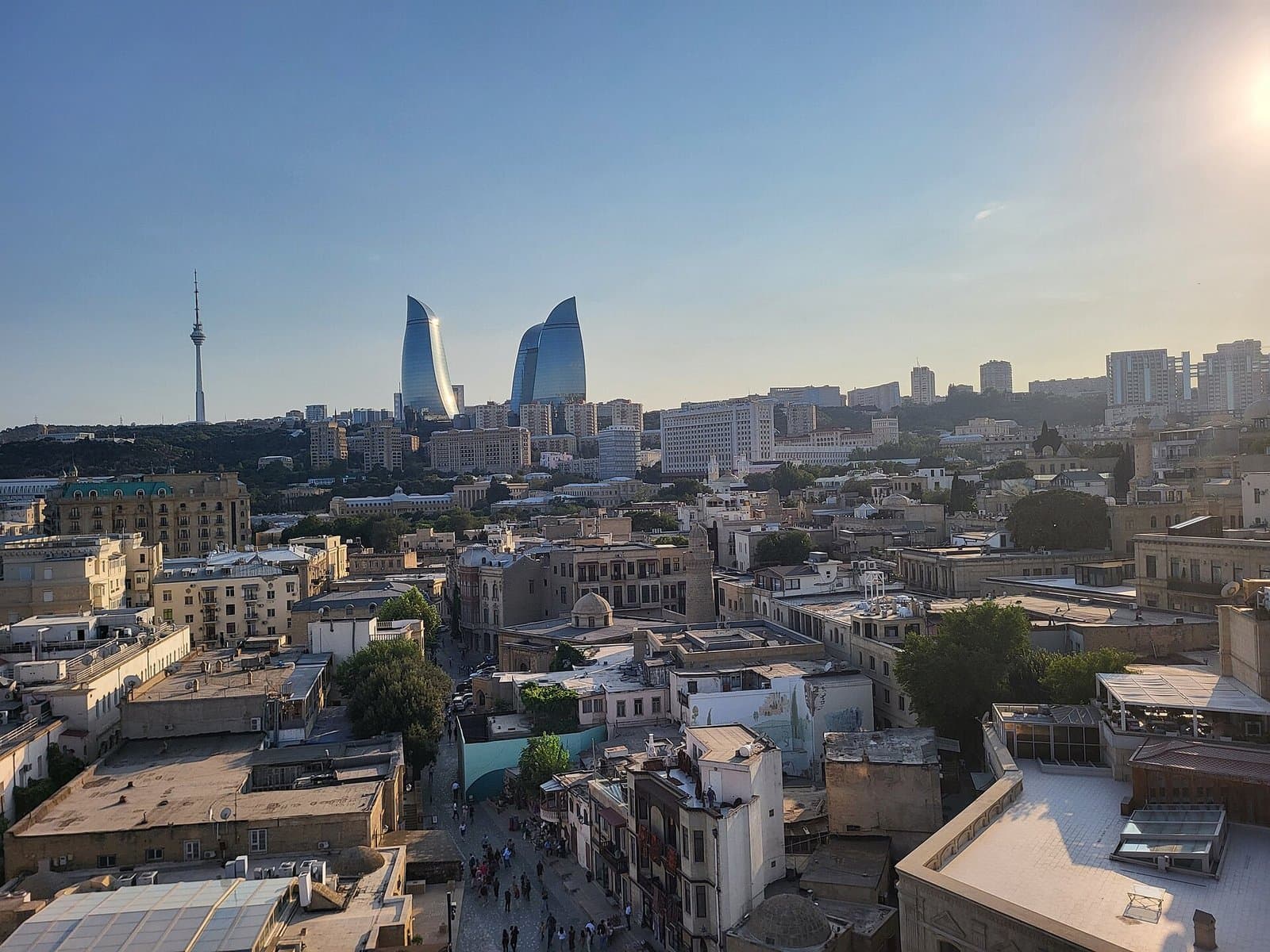
Baku / Eastern Partnership — As Azerbaijan digests its year as COP29 host, reporters from Baku and other Eastern Partnership countries are turning conference-era media capacity into longer investigations on energy, forests and climate justice — work backed by a cross-border journalism programme that pairs EaP newsrooms with EU colleagues.

From summit coverage to investigative follow-through

COP29 in Baku (11–22 November 2024) put Azerbaijani media under an intense international spotlight. In the run-up, the COP29 Presidency and UN partners ran workshops in Baku on communication strategies, accreditation and Blue/Green Zone media facilities so local outlets could cover mitigation, adaptation and finance debates with more precision.

That summit moment did not end climate reporting needs. In 2025–2026, the Berlin-based network n-ost, with support from Journalismfund Europe’s Earth Investigations programme, ran “Digging more deeply: Climate investigations in EaP countries.” The project convened journalists from Armenia, Azerbaijan, Belarus, Georgia, Moldova and Ukraine alongside EU peers for training, mentoring and a publication track on energy independence, forests, the green transition and climate justice.

What the programme delivered

According to n-ost’s project summary, an offline workshop in Moldova brought together selected participants — described as 11 from EaP countries and 5 from EU countries (16 in total) — to sharpen data handling and investigative angles. A follow-up publication call limited to workshop alumni led an internal jury to select eight proposals: two cross-border team projects and four individual projects. Produced stories appear in the project’s featured-articles section.

For Baku-based and Azerbaijan-focused reporters, the sequence matters: COP29 built short-cycle summit literacy; the EaP investigations track pushes slower, evidence-heavy follow-ups that outlast the conference news cycle — including topics that can be politically sensitive when they touch energy dependence, land use or industrial pollution.

Why green journalism still needs scaffolding

Climate desks in smaller newsrooms often lack time, data skills and legal support for multi-month probes. Cross-border mentoring helps reporters compare methods, share datasets and co-publish for audiences who rarely see Azerbaijan’s climate story beyond oil-and-gas headlines. n-ost frames the work as building a professional network as much as finishing single stories.

Caveats and what to watch

n-ost’s public summary does not list every Azerbaijan byline in the eight funded packages; readers should treat individual story credits as case-by-case once published. Separately, older COP29 media workshops remain useful context for how Baku prepared journalists for summit logistics — they are not the same as the 2025–2026 investigations grants.

As COP31 approaches in Antalya, Baku’s experience is a reminder that hosting a COP can seed media skills — but sustained green journalism depends on funding, training and editorial space after the banners come down.
Planet & environment

Climate & Sustainability

News, stories and solutions driving change towards a greener and more sustainable planet for future generations.

Africa No Filter opens 2026 Voices for Climate Justice storytelling grants — deadline 25 September
Featured story

Africa No Filter opens 2026 Voices for Climate Justice storytelling grants — deadline 25 September

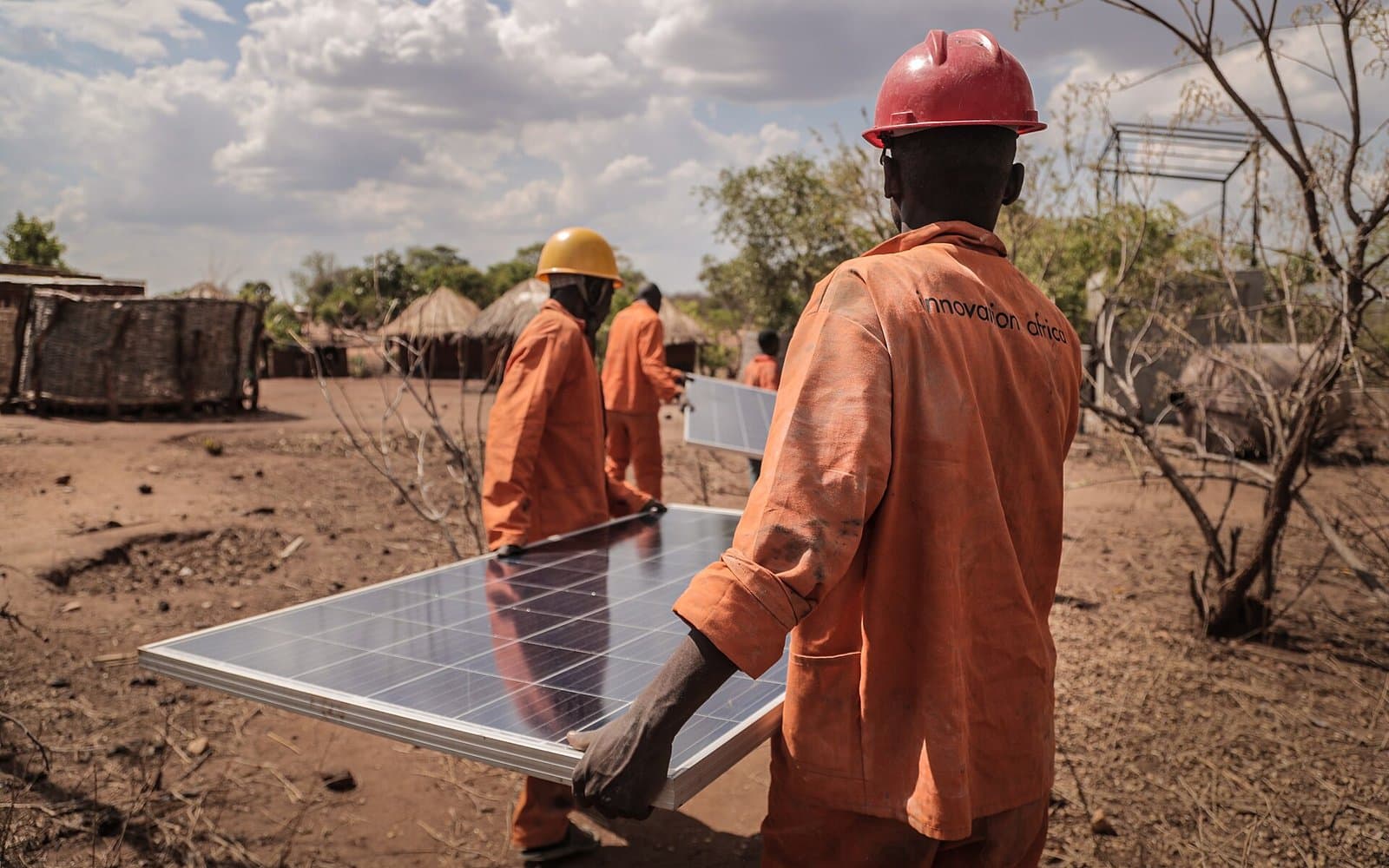
Africa-focused green journalism call: 15–20 storytellers, up to US$4,000 grants, training on climate–debt–gender–fossil fuels; applications close 25 Sep 2026.

Read full story

GREEN JOURNALISM

Every Action Counts

Small steps today, big impact tomorrow.

Explore more stories