LIVE
BREAKING
COP31 presidency floats Antalya AI energy pledge and 35×35 electrification at Climate WeekIRENA: record 693 GW renewables in 2025, but annual build must roughly double for 2030Nigeria’s 2026 plastic waste rules put producers on the hook for EPR — not a blanket banClimate Week research: AI-enabled buildings could cut energy use up to 22%, Schneider models sayGCash and Aboitiz launch Balamban drive for one million trees in CebuCovering Climate Now 2026 Awards: Harvey Lifetime, three Journalists of the YearSingapore SAF levy collection starts 1 Oct 2026 for 2027 passenger departuresCanada names Diana Fox Carney first Ocean Envoy for Our Ocean 2027 HalifaxAotearoa Youth COP: rangatahi draft climate statement toward COP31UNEP names Singapore, UAE and Dong Mingzhu inaugural Cool LeadersClimate Week NYC 2026 opens with 1,500+ events alongside UNGAUNEP: world set to cross 1.5°C, but overshoot–peak–decline still possibleSingapore cooling assembly advances heat-resilience roadmap and Nature for Cooling Challenge151,598 Children Vaccinated on Day One as ICT Polio Campaign Targets 447,614PM Arrives in New York to Attend 81st UNGA SessionElbit Systems Factory Blockaded by Protesters Over Israel Arms SupplyYemenis Flee Red Sea as Houthis and Saudi-Backed Forces Escalate WarMerz Vows to Keep Ruling Coalition Together for Germany’s ‘Democratic Future’Asia Technology Future: Digital Edge Over Europe, AmericasWMO: 2025 among driest river years in 35 years as land water storage keeps fallingCOP31 presidency floats Antalya AI energy pledge and 35×35 electrification at Climate WeekIRENA: record 693 GW renewables in 2025, but annual build must roughly double for 2030Nigeria’s 2026 plastic waste rules put producers on the hook for EPR — not a blanket banClimate Week research: AI-enabled buildings could cut energy use up to 22%, Schneider models sayGCash and Aboitiz launch Balamban drive for one million trees in CebuCovering Climate Now 2026 Awards: Harvey Lifetime, three Journalists of the YearSingapore SAF levy collection starts 1 Oct 2026 for 2027 passenger departuresCanada names Diana Fox Carney first Ocean Envoy for Our Ocean 2027 HalifaxAotearoa Youth COP: rangatahi draft climate statement toward COP31UNEP names Singapore, UAE and Dong Mingzhu inaugural Cool LeadersClimate Week NYC 2026 opens with 1,500+ events alongside UNGAUNEP: world set to cross 1.5°C, but overshoot–peak–decline still possibleSingapore cooling assembly advances heat-resilience roadmap and Nature for Cooling Challenge151,598 Children Vaccinated on Day One as ICT Polio Campaign Targets 447,614PM Arrives in New York to Attend 81st UNGA SessionElbit Systems Factory Blockaded by Protesters Over Israel Arms SupplyYemenis Flee Red Sea as Houthis and Saudi-Backed Forces Escalate WarMerz Vows to Keep Ruling Coalition Together for Germany’s ‘Democratic Future’Asia Technology Future: Digital Edge Over Europe, AmericasWMO: 2025 among driest river years in 35 years as land water storage keeps falling
Climate

WMO: 2025 among driest river years in 35 years as land water storage keeps falling

Ch UsmanPublished September 21, 2026
WMO: 2025 among driest river years in 35 years as land water storage keeps falling
Featured Coverage: WMO: 2025 among driest river years in 35 years as land water storage keeps falling / Watan News Archive
Share this story

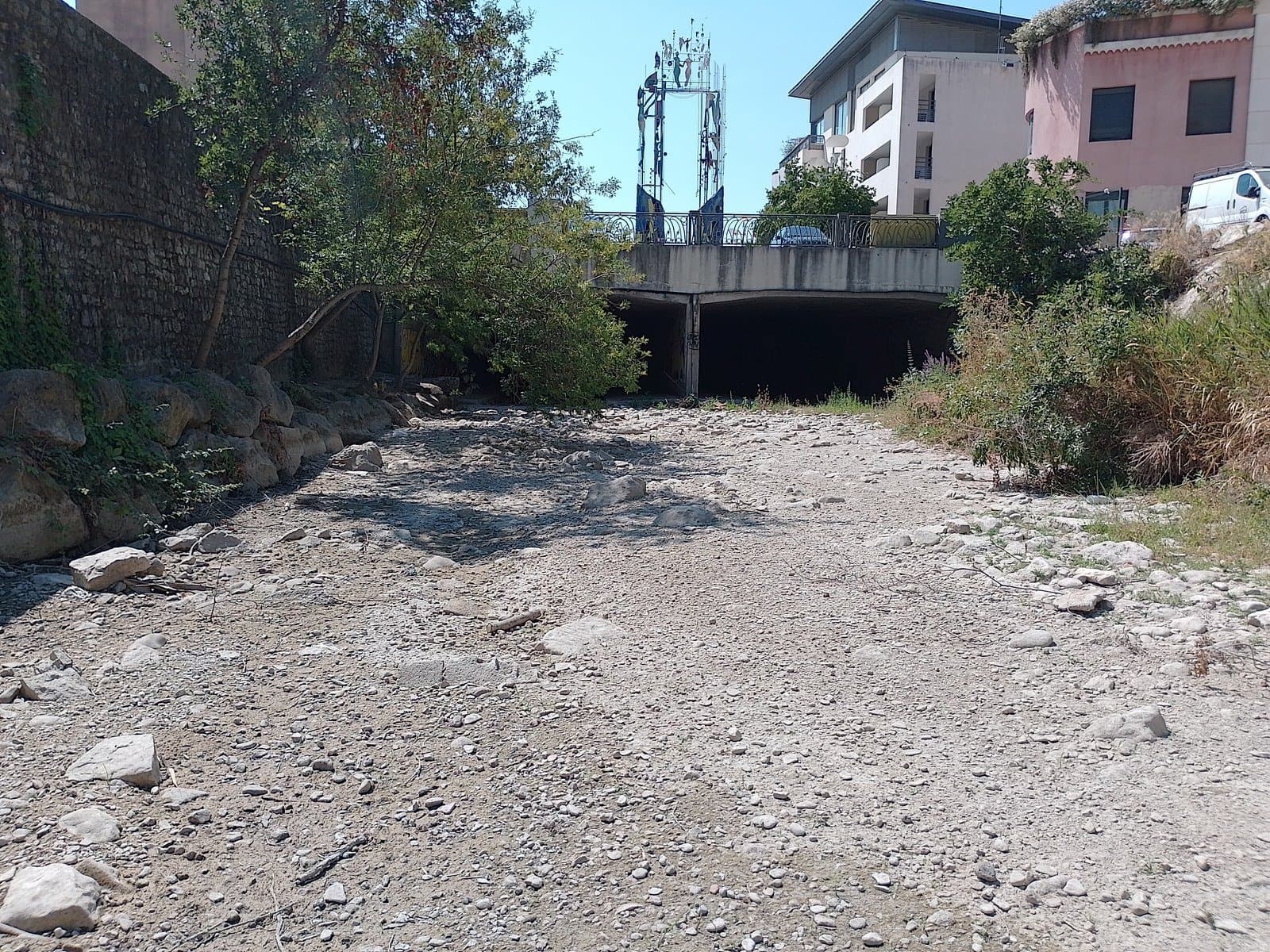
GENEVA — Rivers worldwide had one of the driest years for discharge in more than three decades in 2025, the World Meteorological Organization said in its State of Global Water Resources report released on 17 September 2026, warning that freshwater buffers on land are eroding on a multi-year timescale.

Below-normal river flows covered about 36% of global basin area in 2025, based on an ensemble of 13 global hydrological models driven by observed weather data, WMO reported. For a seventh consecutive year, basins with historically “normal” flows were in a clear minority — roughly 34–38%, against a 1991–2020 average near 46%.

Savings account under strain

“Traditionally these slow reserves have acted as the planet’s savings account: a buffer that absorbs bad years so that a single drought or a single dry season does not translate directly into a water crisis,” said WMO Secretary-General Celeste Saulo. “We are depleting that savings account.”

Global terrestrial water storage — groundwater, lakes and rivers, soil moisture, vegetation, ice and snow — has shown a declining trend since about 2014–2016, Saulo said, calling it “a persistent, decade-long signal,” language echoed in UN News coverage of the launch. Nearly two-thirds of monitored wells worldwide showed conditions outside the historical norm in 2025, with the balance shifting further toward deficit rather than recovery, according to WMO.

Regional patterns were mixed. Recurring below-normal discharge over 2021–2025 hit major parts of the Amazon and La Plata basins, North America, Central and East Africa, Central Asia and the Middle East. In 2025, above-normal to much-above-normal annual discharge appeared across South and South-East Asia and parts of northern South America, while much of North America, the La Plata and São Francisco basins, Eastern Europe, the Middle East and Central Asia saw below-normal to much-below-normal flows. Africa was split: above-normal flows in the Senegal, Niger, Lake Chad, Orange and Limpopo basins contrasted with much-below-normal discharge in the Nile, Congo and Zambezi.

Fourth year of widespread glacier loss

2025 marked the fourth consecutive year in which every major glaciated region recorded net ice loss. Cumulative global glacier mass loss for 2023–2025 reached about 1,400 gigatonnes of water — roughly one-third of annual freshwater withdrawals, WMO said. In hydrological year 2025 alone, glaciers lost about 408 (±132) gigatonnes, equivalent to roughly 1.1 (±0.4) mm of sea-level rise.

Some regions dominated by smaller glaciers, including the Caucasus, Western Canada and the USA, and Central Europe, may already have reached “peak water,” after which meltwater runoff declines because less ice remains, the report notes.

Extremes, monitoring gaps — and what the report does not claim

Asia and Africa together accounted for at least half of recorded water-related extreme events and more than 80% of reported associated deaths over the past five years, WMO said — yet both remain among the least represented regions for hydrological observations in the assessment. Coverage has expanded sharply since the first edition, but data gaps persist where impacts are heaviest.

UN News noted that the report does not attribute every observed change to climate change alone; pressure on water resources and natural variability also contribute. Separately, Saulo said a strengthening El Niño would raise drought risk in some areas and flooding in others — a forward-looking hazard statement, not an attribution of 2025 conditions.

“Water respects no borders,” Saulo said, calling for shared data, standards and early warning. The report’s message is urgency grounded in measured hydrology: river dryness in 2025 sits inside a longer stretch of abnormal flows, shrinking land water storage, and multi-year glacier loss — trends WMO says carry serious implications for people and economies.

Planet & environment

Climate & Sustainability

News, stories and solutions driving change towards a greener and more sustainable planet for future generations.

COP31 presidency floats Antalya AI energy pledge and 35×35 electrification at Climate Week
Featured story

COP31 presidency floats Antalya AI energy pledge and 35×35 electrification at Climate Week

At Climate Week NYC (21 Sep), Türkiye’s COP31 presidency unveiled Antalya AI energy pledge (draft pending) and 35% electricity share of final energy by 2035.

Read full story

GREEN JOURNALISM

Every Action Counts

Small steps today, big impact tomorrow.

Explore more stories