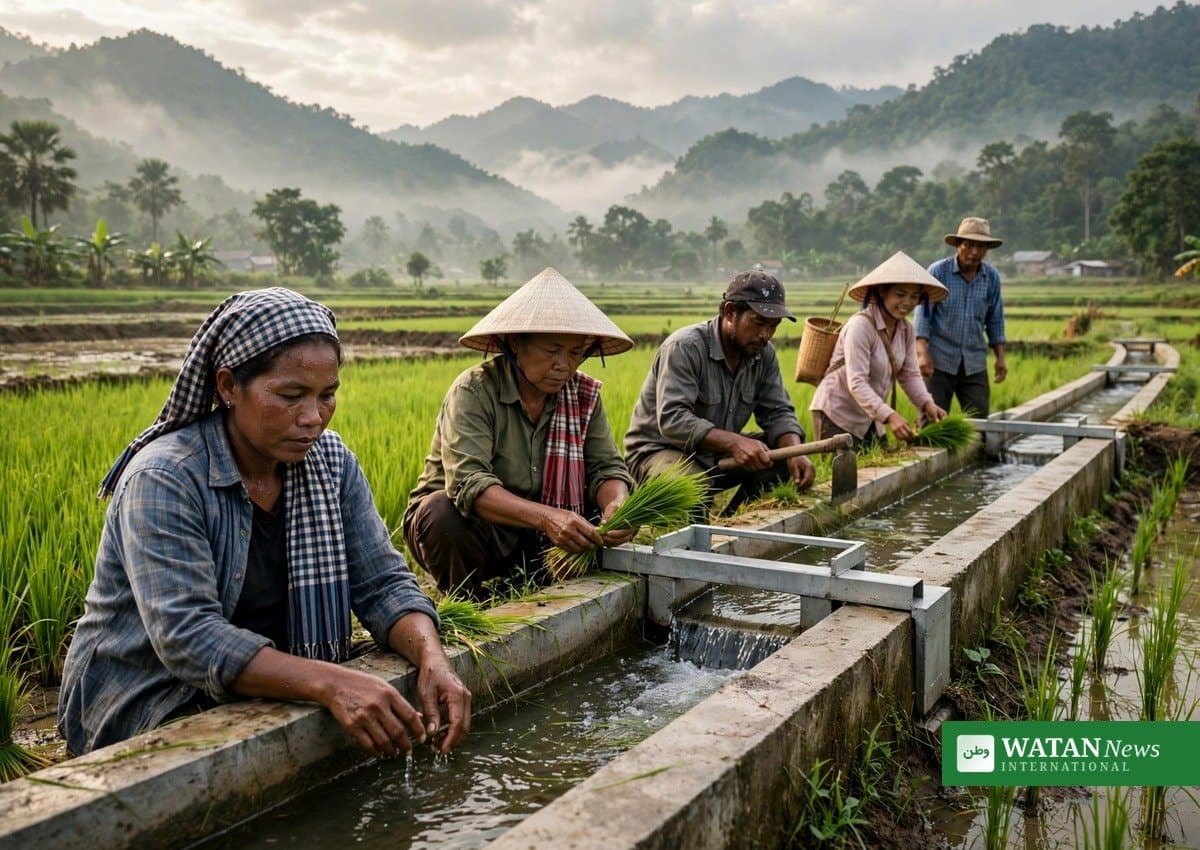
The Asian Development Bank has approved a $72 million financing package to help Cambodia strengthen rural farming and build the climate resilience of about 200,000 smallholder farmers in disaster-prone communes. The approval was announced in Manila on 26 October 2026.
The package consists of a $57 million concessional loan and a $15 million grant from the Asian Development Fund, which supports countries most in need. It is complemented by $23 million in cofinancing from the Association of Southeast Asian Nations Infrastructure Fund, a $10 million grant from the Green Climate Fund, a $3 million grant from the Japan Fund for Prosperous and Resilient Asia and the Pacific, and a $4.3 million contribution from the Government of Cambodia.
What the project will do
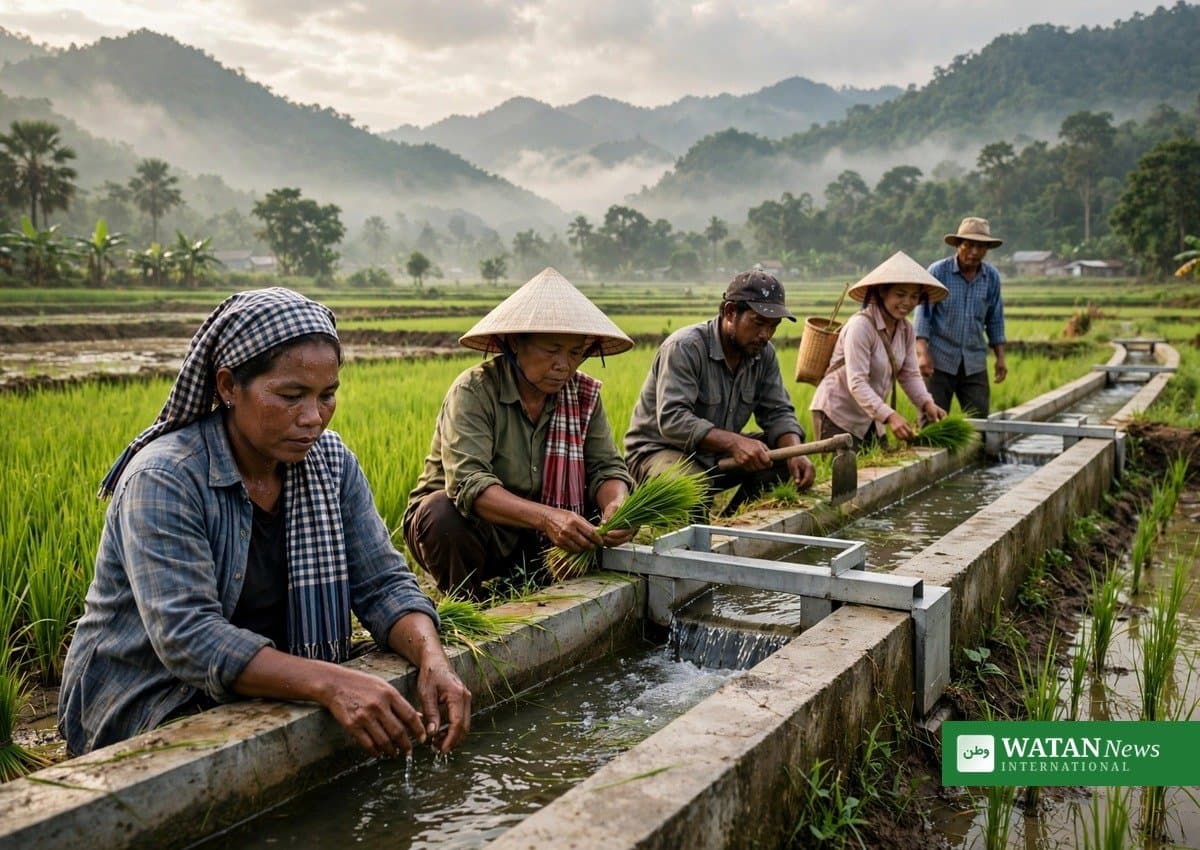
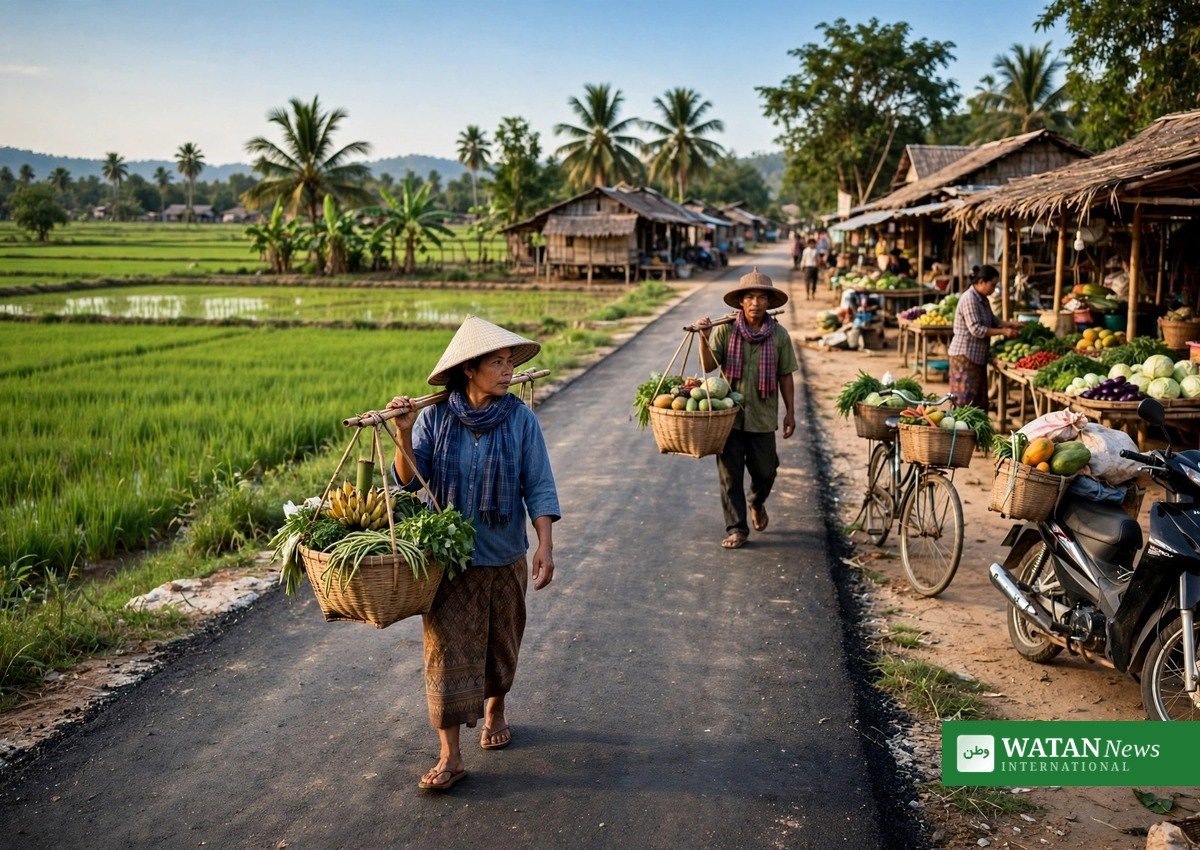
The money funds the Smallholder Resilient Economic Development Sector Project, which will upgrade agricultural infrastructure and services across 186 communes in seven provinces severely vulnerable to natural hazards. It will modernise irrigation systems to serve an additional 7,000 hectares of farmland and rehabilitate 190 kilometres of access roads to connect farmers to markets, jobs and opportunities.
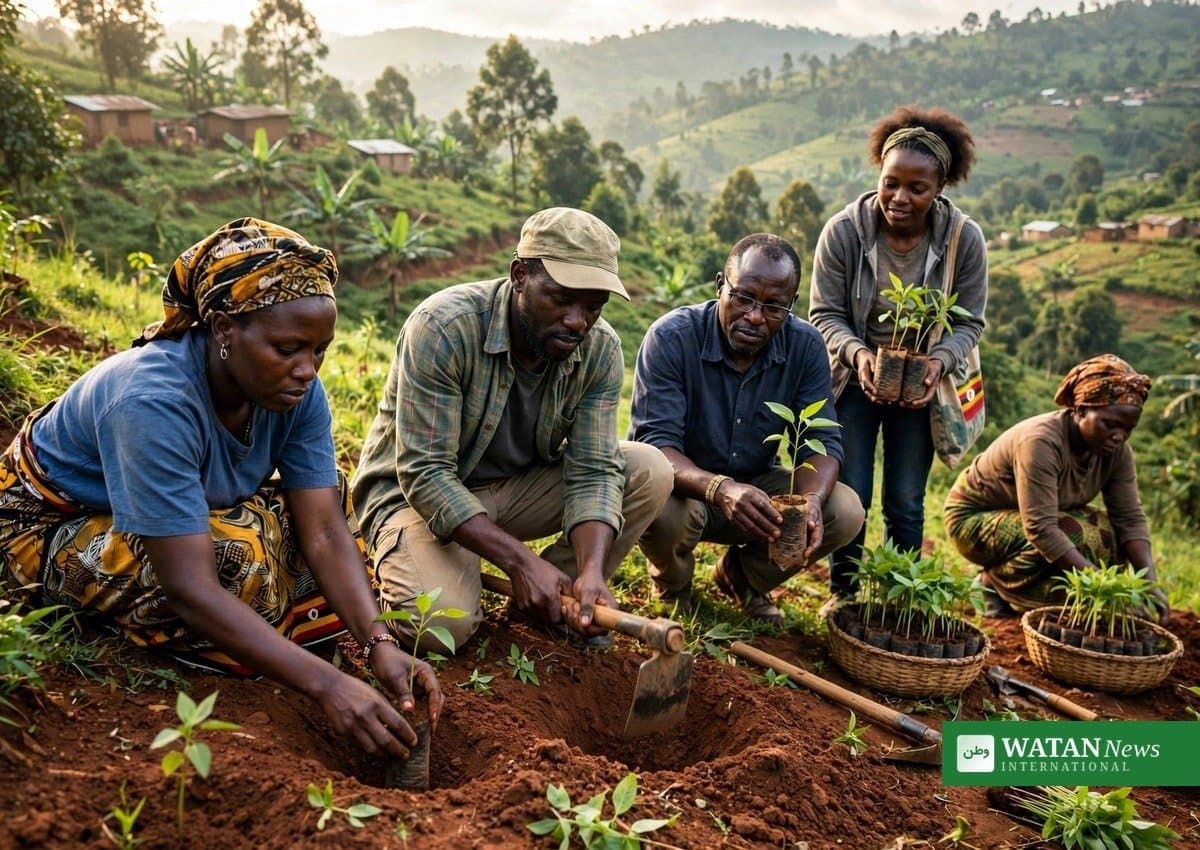
Farmers will also receive technical support and training to adopt resilient practices in crop production, horticulture, poultry, insect farming and aquaculture. Grants will help farmers reduce dependence on imported fuel and fertilisers and build resilience to disasters and global shocks.
Women at the centre
Women are at the centre of the project. They make up 51 per cent of Cambodia’s agricultural labour force but remain among the most vulnerable, with limited access to economic opportunities, support and financing. The project will actively engage women and vulnerable populations in developing local early-warning and disaster-response systems, promoting healthier diets and managing natural hazard risks.
“Investing in smallholder farmers, particularly women, is essential for boosting the rural economy and supporting poor communities that are most vulnerable to extreme weather events,” said ADB Country Director for Cambodia Yasmin Siddiqi. “By helping women lead and participate in local decision-making and development programs, this project will scale up inclusive agricultural value chains and strengthen food systems.”
Key facts
- Financing: $72 million approved 26 October 2026 — $57 million concessional loan plus $15 million Asian Development Fund grant
- Additional funding: $23 million ASEAN Infrastructure Fund, $10 million Green Climate Fund grant, $3 million Japan Fund grant, $4.3 million Government of Cambodia
- Reach: about 200,000 smallholder farmers in 186 communes across seven provinces
- Infrastructure: irrigation for an additional 7,000 hectares; 190 kilometres of access roads rehabilitated
- Focus: climate-resilient crop production, horticulture, poultry, insect farming and aquaculture; women-led businesses and local early-warning systems
- Context: 59 per cent of Cambodia’s population lives in rural areas; women are 51 per cent of the agricultural labour force
Why it matters
Cambodia’s agriculture faces overlapping hazards — heatwaves, drought and flooding — that damage infrastructure, cut off market access and deepen food insecurity. For the rural families who grow much of the country’s food, a failed harvest is not an abstract climate statistic but lost income and empty plates.
This package treats resilience as practical infrastructure: water that arrives when it is needed, roads that survive the rains, and farmers — especially women — trained and equipped to adapt. It is climate action measured not in pledges but in hectares irrigated, kilometres rebuilt and livelihoods protected before the next flood or drought.
Read more climate news from Watan News.