Education advocacy groups in South Africa are demanding answers after the country’s Minister of Basic Education missed a court-ordered deadline to publish final rules on how many learners a school can hold. The deadline expired on 9 October 2026, and more than two weeks later the final norms had still not been released.
FAKTA
- The deadline: 9 October 2026 — three years after the Gauteng High Court order of 10 October 2023.
- The case: SAOU v the Minister of Basic Education, in which the court ordered the minister to develop and publish final Minimum Uniform Norms and Standards for School Capacity.
- Who is calling for action: Equal Education (EE) and the Equal Education Law Centre (EELC), in a joint statement dated 19 October 2026.
- What they want: An urgent explanation for the delay and a clear date for publication of the final norms.
- Why it matters: Without binding capacity rules, the groups say, schools cannot determine when they are genuinely full, and overcrowding continues unchecked.
Three years to meet the order
On 10 October 2023, the Gauteng High Court ordered the Minister of Basic Education to develop and publish the School Capacity Norms within three years. The case was brought to force the department to address chronic overcrowding in public schools, which the applicants argued severely compromised teachers’ working conditions and the quality of education.
The absence of strict, legally binding capacity regulations, the groups argue, prevents school governing bodies and education departments from accurately determining when a school is genuinely full. That, they say, leads to unmanageable influxes of learners without matching infrastructure or resources.
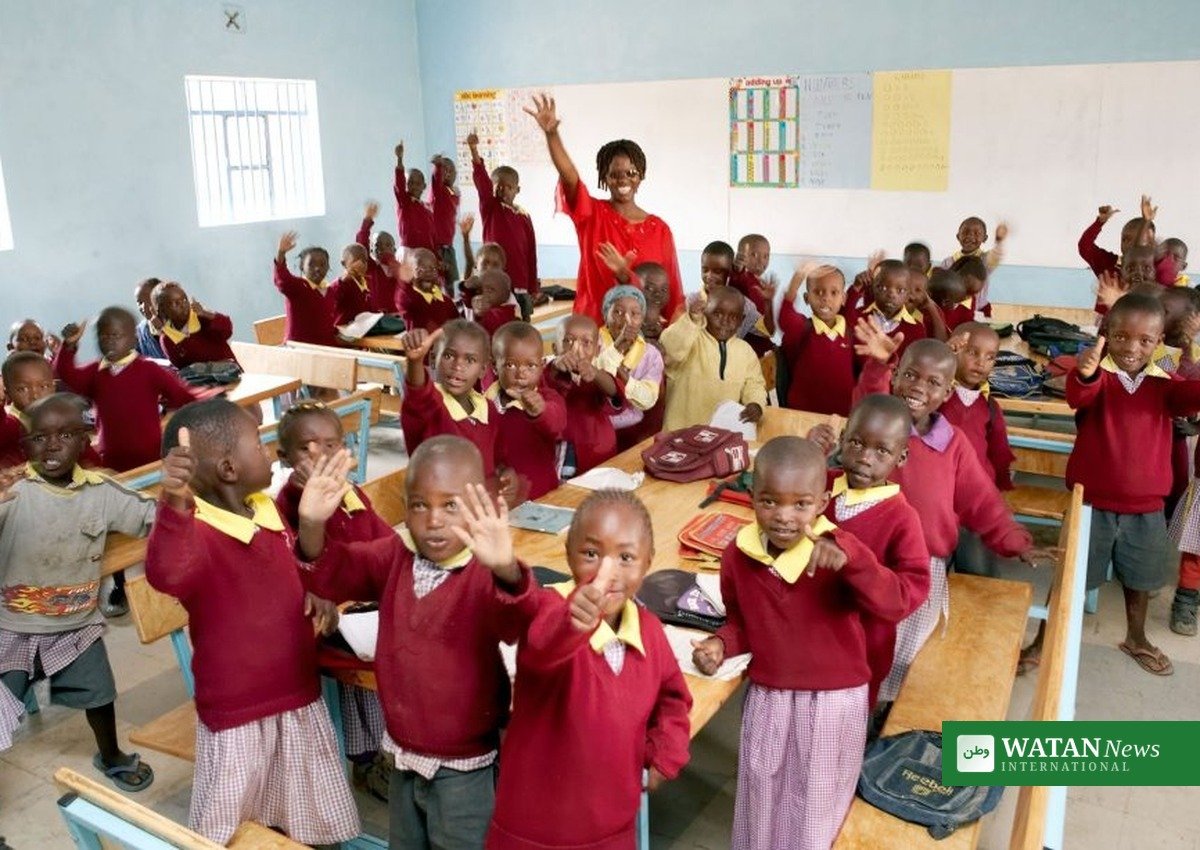
Schoolchildren in a classroom. Campaigners say mobile classrooms are becoming permanent structures in overcrowded schools.
What the groups say learners face every day
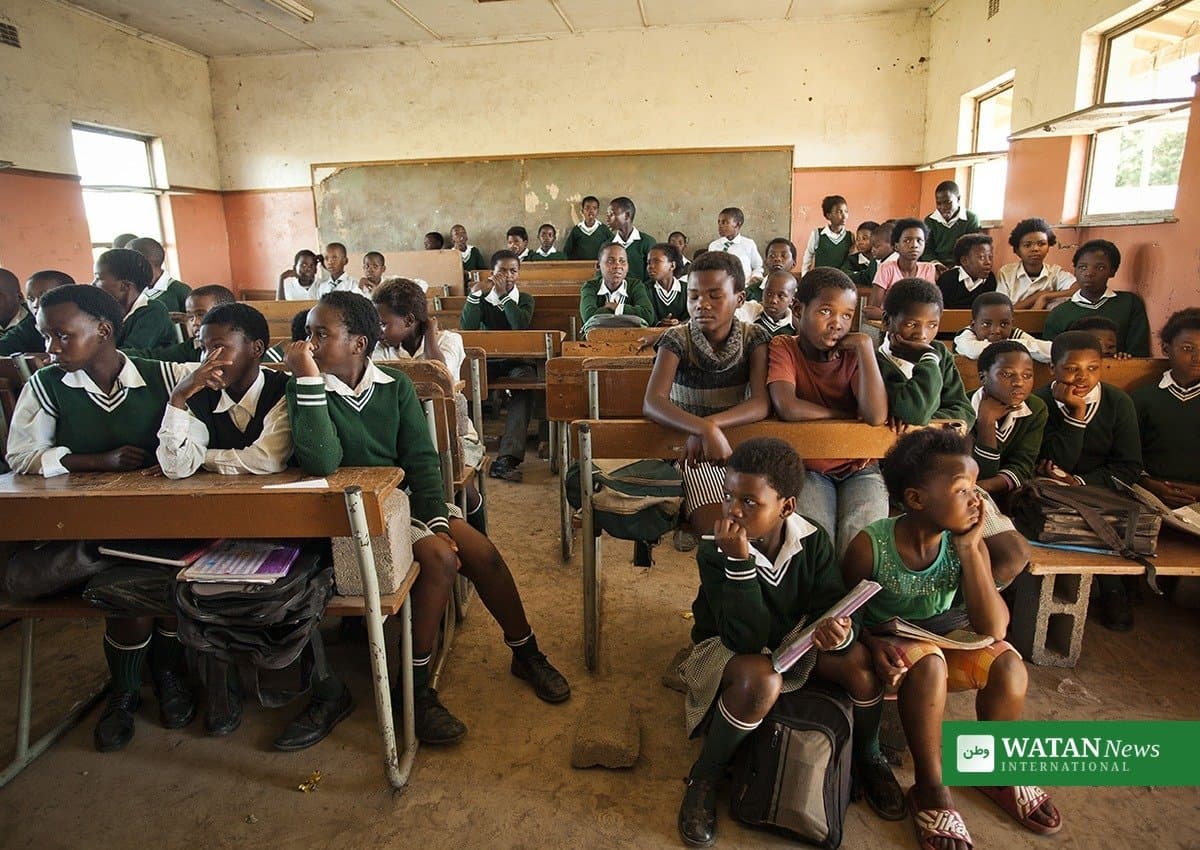
Equal Education and the Equal Education Law Centre say that every day the regulations remain unpublished, learners continue to bear the consequences: overcrowded classrooms, limited individual attention from teachers, mobile classrooms becoming permanent structures, and an ongoing school admissions crisis.
“I am disappointed that the School Capacity Norms have not been released on time. We continue to learn in overcrowded classrooms, which make it difficult to concentrate and get the quality education we deserve,” said Lwazi Dhlamini, a Grade 10 learner and Gauteng Equaliser quoted in the joint statement. “Minister, we need you to take action and release these norms because every learner deserves a better learning environment.”
A long-running campaign
Equal Education has campaigned against overcrowding in schools for many years. Its “No Space for Us” report highlights the need for the Department of Basic Education to develop and publish the capacity norms, and the organisation welcomed the court’s 2023 order as a step towards binding standards.
The groups are now asking the minister to explain the delay publicly and to commit to a firm publication date, so that schools, parents and provincial education departments can plan admissions and infrastructure with certainty.
What happens next
Until the final norms are published, the current position remains unchanged: schools continue to operate without the binding national capacity standards the court ordered three years ago. The advocacy groups say they will keep pressing for publication, and the department’s next public statement on the matter will be closely watched by schools facing admissions pressure for the new school year.