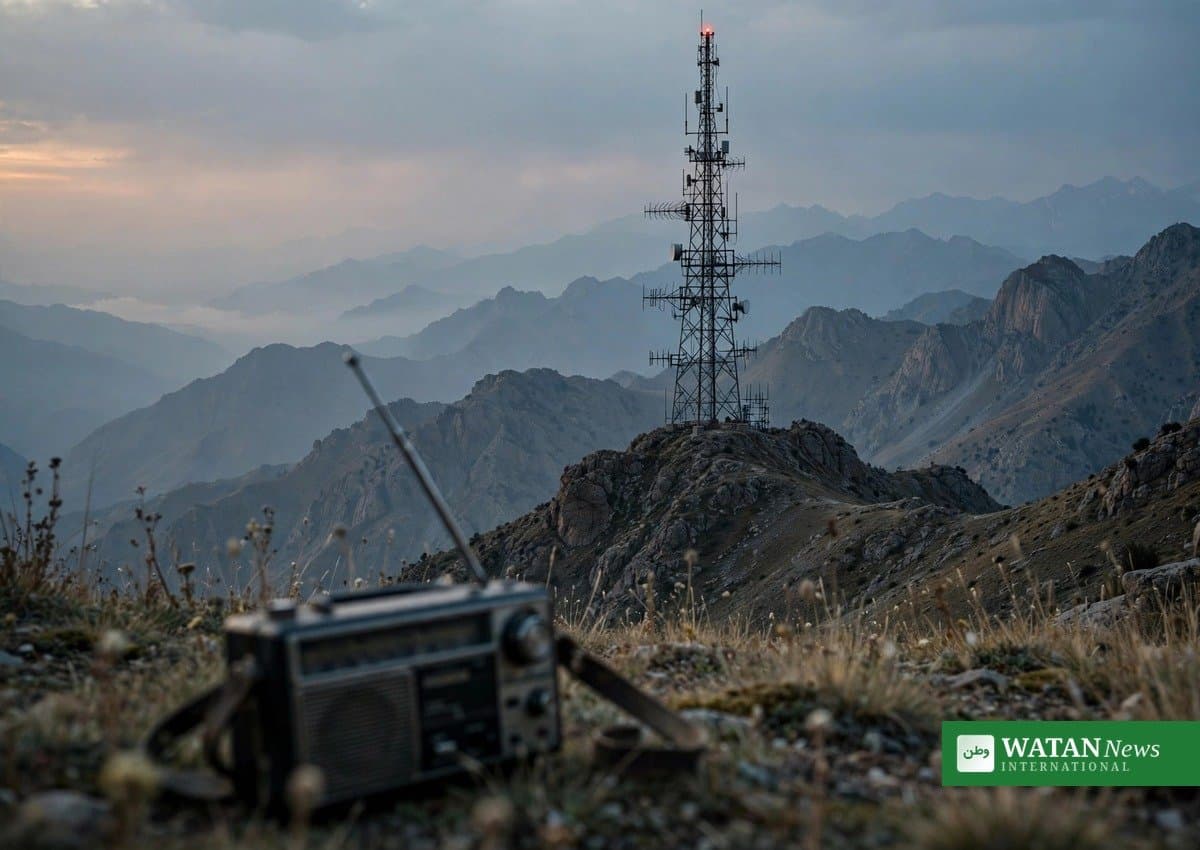
Afghan authorities have suspended the BBC’s FM radio broadcasts across the country, the British broadcaster announced on Tuesday, cutting off a news service that reaches millions of listeners in Afghanistan. A BBC spokesperson said the organisation was in contact with Afghan officials and working with them to address the situation. “Millions of people across Afghanistan rely on the BBC for accurate news and information,” the spokesperson said. The statement did not say when the broadcasts were halted, give a reason for the decision, or offer any timeline for when they might resume. Afghan officials have not publicly commented on the suspension.
FAKTA: BBC Radio Shutdown in Afghanistan
- What happened: Afghan authorities suspended the BBC’s FM radio broadcasts across the country.
- Announced: Tuesday, 13 October 2026, by the BBC.
- Who is affected: Millions of listeners in Afghanistan who rely on the broadcasts for news.
- Reason given: None. The BBC statement gave no reason and no halt date.
- Status: The BBC says it is in talks with Afghan authorities; no resumption date announced.
BBC Radio: A Lifeline for Millions Goes Quiet
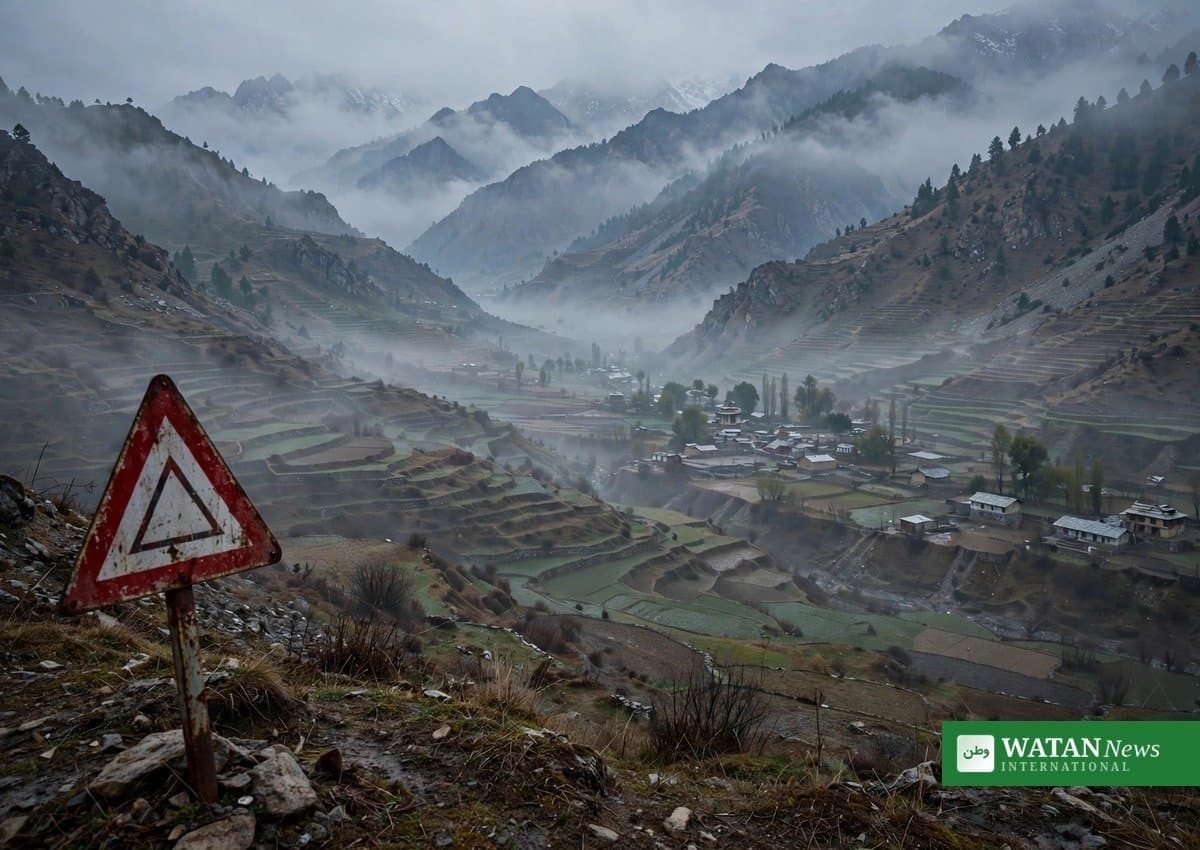
Radio remains the most important way of receiving news for Afghans. In a country where internet access is limited and many households rely on shared or older technology, FM broadcasts reach remote villages and mountain provinces that few other outlets cover. The BBC has broadcast in Afghanistan for decades and built one of the largest audiences of any international broadcaster there. For millions of listeners, its programmes are a primary source of information about events inside Afghanistan and around the world. Aid workers and journalists say that when international broadcasts go silent, communities lose one of their few trusted windows on the wider world.
Wider Pressure on Afghan Media
The suspension comes amid growing pressure on Afghan media outlets. Earlier this month, authorities in the southern province of Kandahar ordered the closure of three radio stations, saying they lacked licences and had failed to pay taxes. Journalists and media advocates described the closures as a pretext for silencing independent voices. Press-freedom organisations have repeatedly raised concern about restrictions on Afghan news outlets in recent years, including limits on music, entertainment and political discussion on the airwaves. Local broadcasters have also faced warnings over content and licensing, and several journalists have been detained in the course of their work.
What Happens Next
The BBC said its discussions with the relevant authorities were continuing and expressed hope for a resolution, but no breakthrough has been announced. International journalists’ unions and human-rights groups are likely to raise the suspension in the coming days, adding to criticism of the media climate in Afghanistan. For now, millions of listeners wait to find out whether one of the country’s most trusted news voices will return to the airwaves. Follow Watan News for further international coverage.