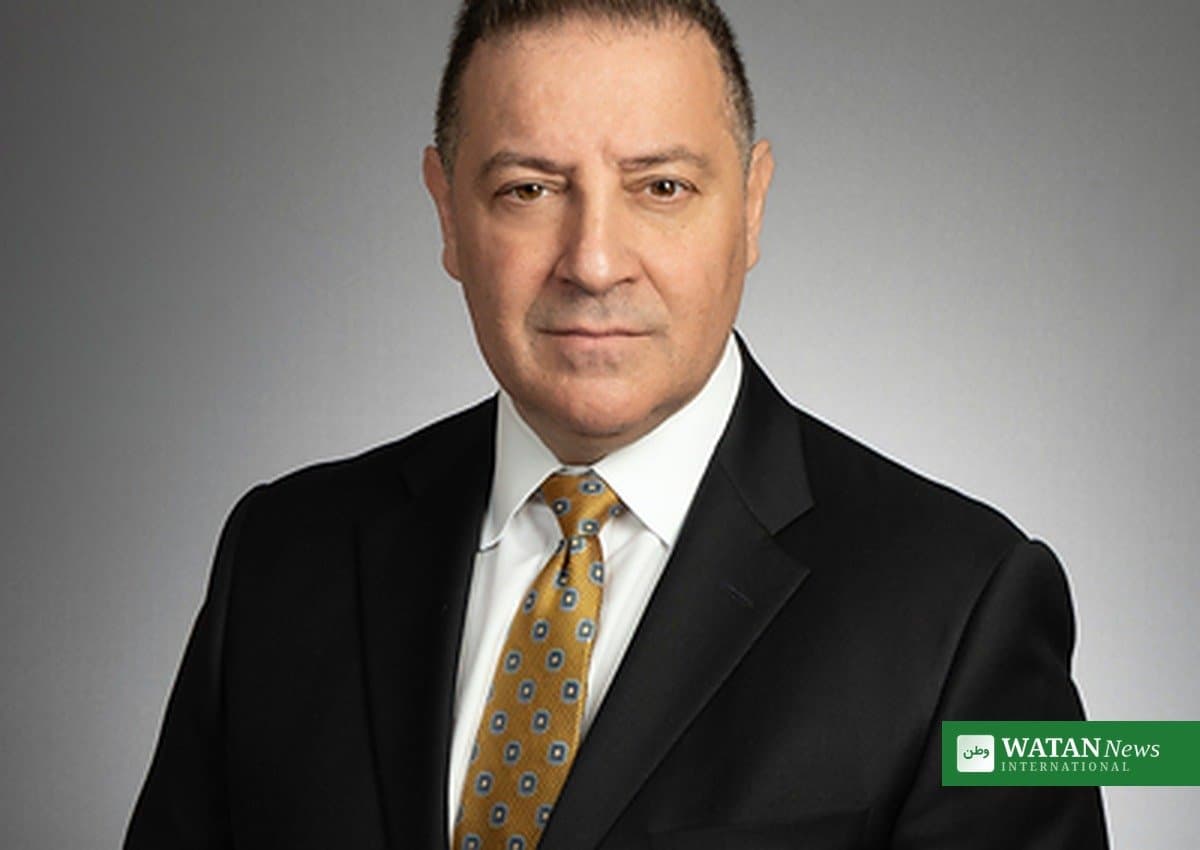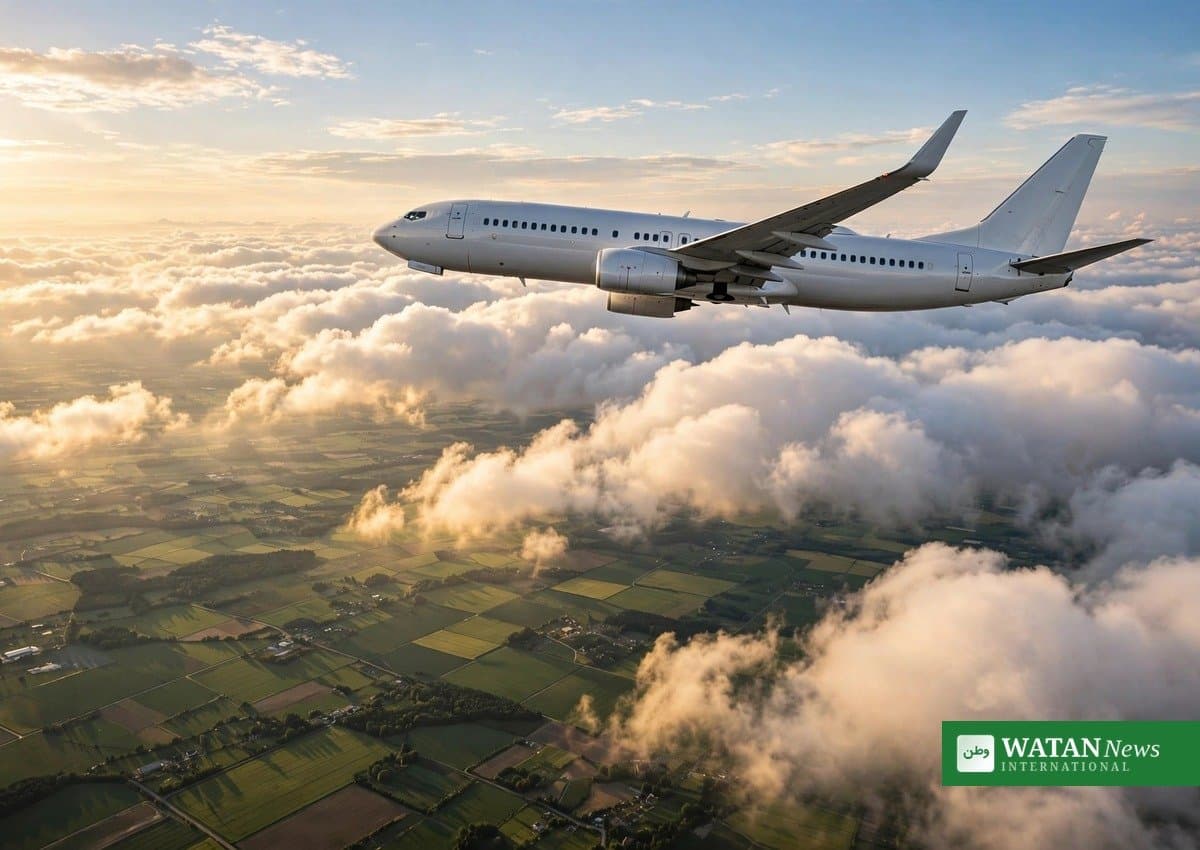
Dubai — New-generation long-range narrowbody aircraft will “change the shape of travel” by connecting smaller cities directly to global hubs, Dubai Airports chief executive Paul Griffiths has said. But he warned that aviation’s climate transition hinges on one thing: a steep increase in the production of sustainable aviation fuel.
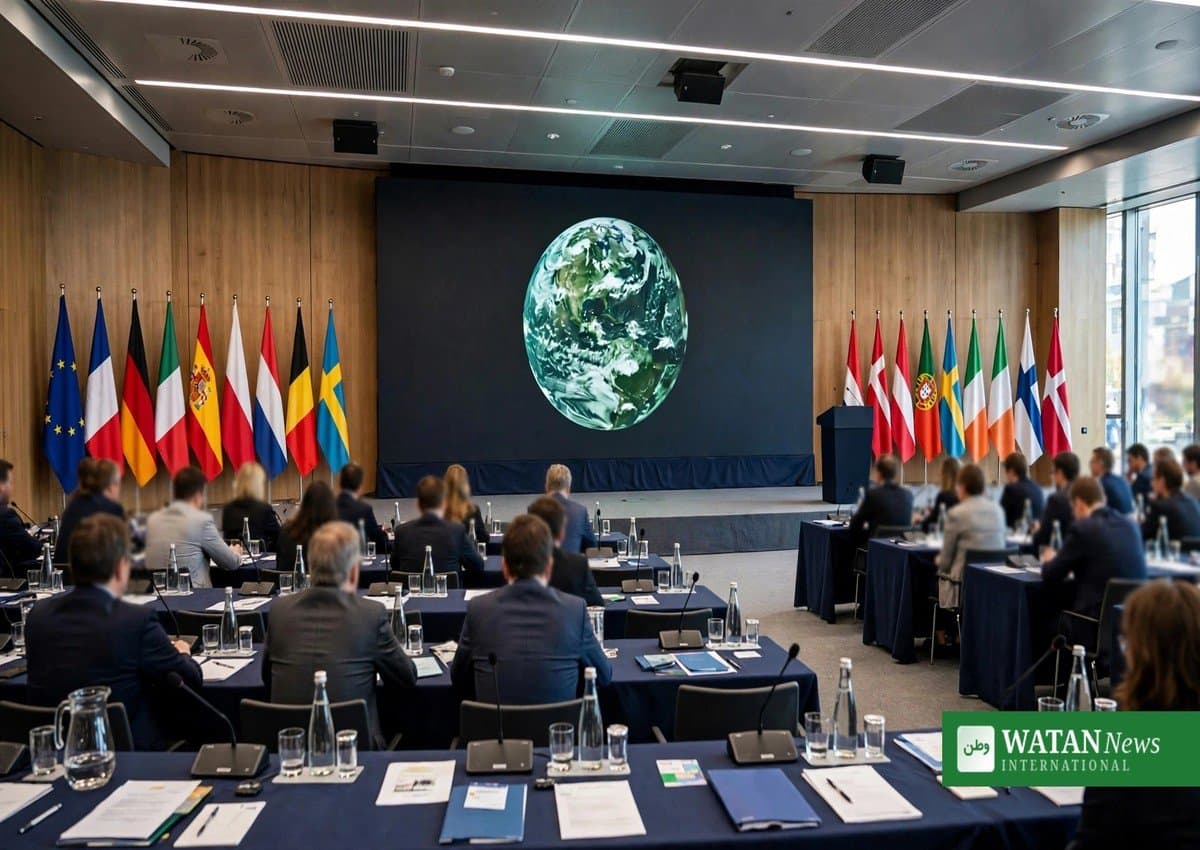
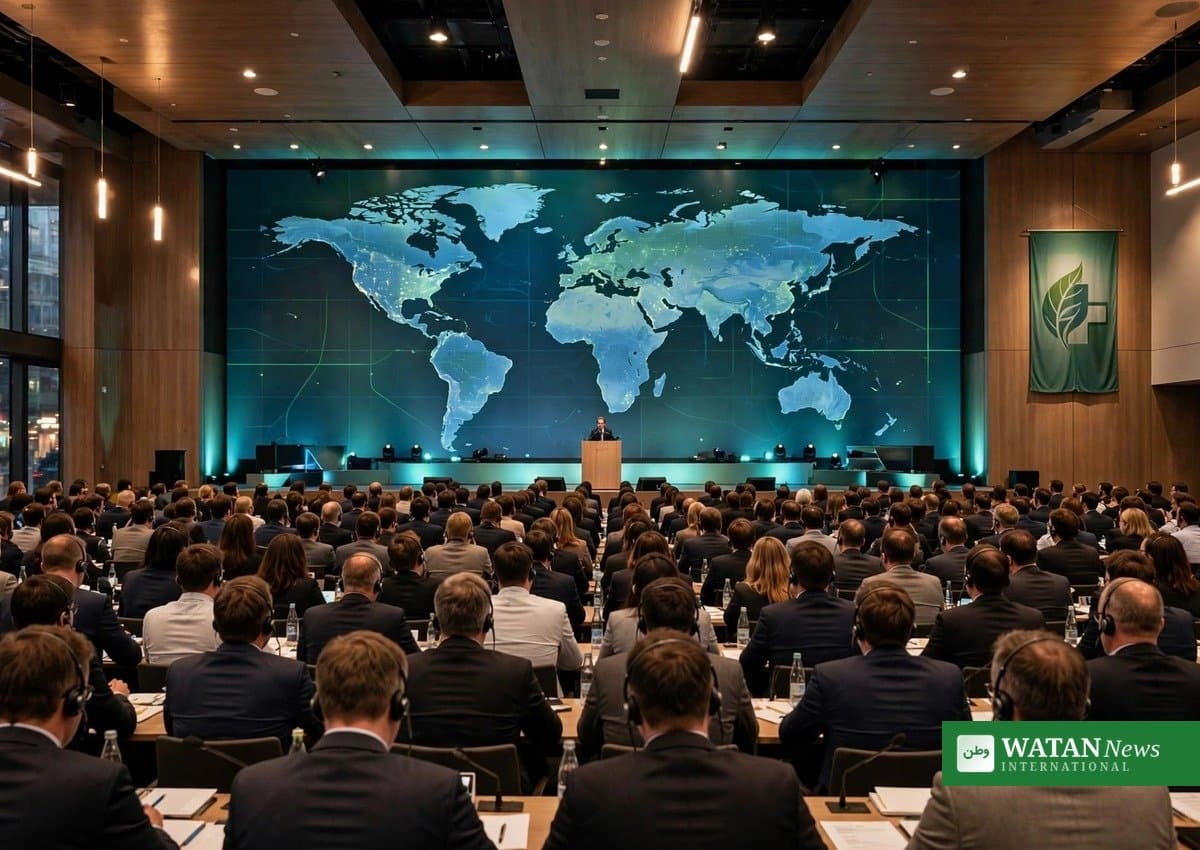
Speaking at a roundtable during the World Travel & Tourism Council (WTTC) Global Summit in Malta this week, Griffiths said aircraft technology is advancing so quickly that narrowbody jets can now fly transatlantic sectors that once required widebody aircraft — opening direct connections between secondary European cities and Dubai. If the expansion plans for Al Maktoum International Airport are realised, more than 600 cities could gain direct links to Dubai, he said.
Griffiths called the development “a great thing” for regional airports, predicting “a fantastic opportunity” for them to expand over the next decade — provided they fix surface transport links to airports. He also predicted that within five years, biometric identity could largely replace physical passports at airports.
Sustainable aviation fuel “the only way”
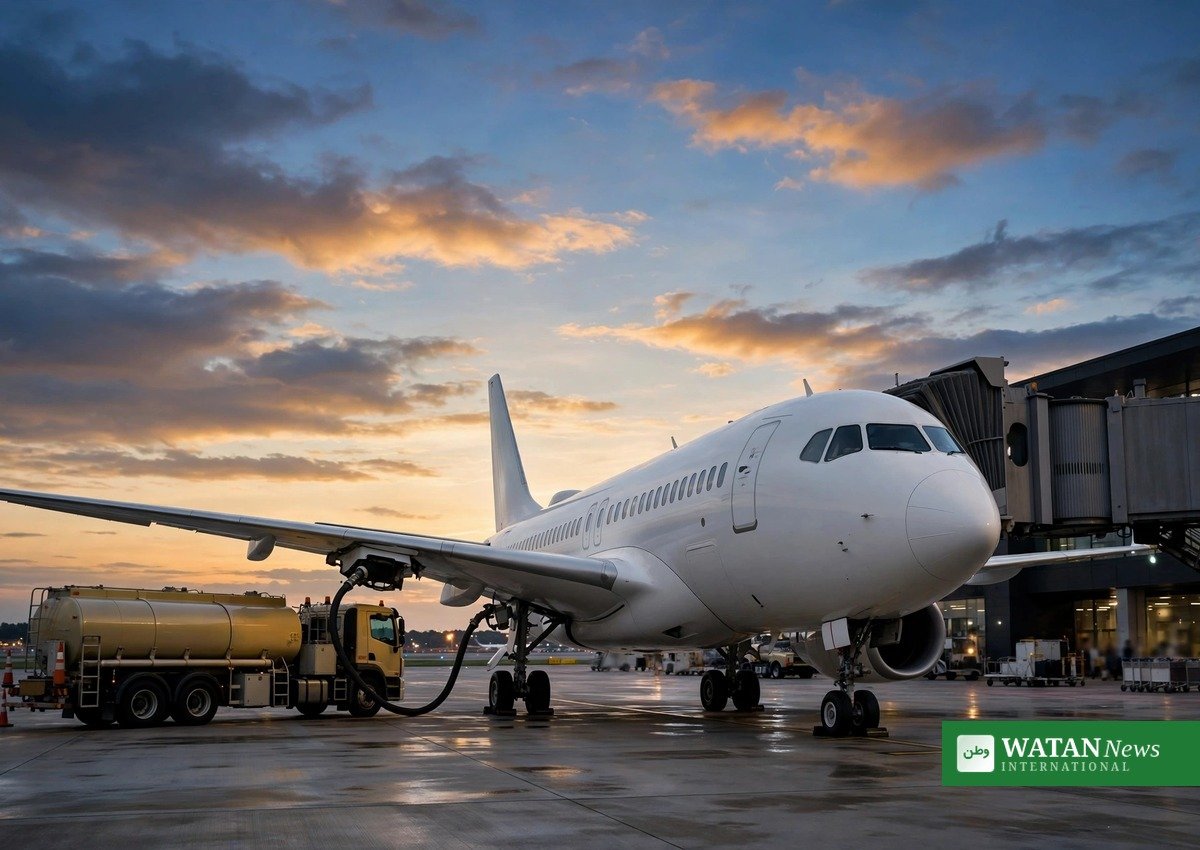
Griffiths acknowledged aviation’s environmental cost directly, calling sustainable aviation fuel “probably the only way” to deal with the sector’s carbon emissions. SAF can cut lifecycle emissions by up to 80 per cent compared with conventional jet fuel, industry figures say, but it still accounts for less than one per cent of global jet fuel supply.
He pointed to Singapore as a model: from 1 October 2026, tickets for flights departing Singapore carry a dedicated SAF levy — from S$1 in economy on short regional routes to S$41.60 in premium cabins on the longest routes — feeding a statutory SAF fund used solely to buy green fuel. The levy supports Singapore’s target of 1 per cent SAF in 2026, rising to 3–5 per cent by 2030, on the way to net-zero aviation emissions by 2050.
The Dubai Airports chief urged governments to mandate rising SAF blends and to persuade the private sector to invest heavily in production, while taking “environmental control seriously” around noise and emissions from expanding airports. Griffiths was appointed CEO Champion of the Sustainable Markets Initiative’s SAF Pathfinder Initiative in January, tasked with accelerating global SAF investment and demand.
FAKTA: Sustainable aviation fuel in numbers
- Up to 80% — the lifecycle emissions saving SAF can deliver versus fossil jet fuel, according to industry figures.
- Less than 1% — SAF’s current share of global jet fuel supply.
- S$1 to S$41.60 — Singapore’s new SAF levy per passenger, in force since 1 October 2026 for departing flights (premium cabins pay four times the economy rate).
- 1% → 3–5% — Singapore’s SAF blending targets for 2026 and 2030.
- 260 million — planned annual passenger capacity at Al Maktoum International by 2032, with five runways and 400 gates.
The road to greener skies
Industry bodies say the fuel gap is the defining challenge: the International Air Transport Association (IATA) noted on 1 October that SAF volumes remain limited, with co-processing and low-carbon aviation fuel able to bridge the gap only as transitional solutions. For travellers, the message from Dubai’s airport chief is blunt — flying can keep growing only if the green fuel to power it is produced at scale. More green travel stories can be found on Watan News’ English site.