The International Monetary Fund and the World Bank launched a joint anti-fraud framework on October 14 at their annual meetings in Bangkok — the Bangkok Blueprint for Fraud-Resilient Financial Services — setting out 12 considerations to help countries prevent, detect and address cyber-enabled fraud in digital finance. The Bangkok Blueprint fraud launch comes as Thai officials warn that online scams now drain about $1 trillion a year from the world economy, roughly 3 percent of global GDP.
FAKTA
- The IMF and World Bank released the Bangkok Blueprint for Fraud-Resilient Financial Services on October 14, 2026 (IMF Press Release No. 26/336), developed in coordination with the Bank of Thailand
- The framework sets out 12 key considerations organized around five pillars, aimed at policymakers, regulators, financial institutions and other stakeholders — it is not formal IMF-World Bank policy guidance
- Thai Finance Minister Ekniti Nitithanprapas said digital fraud “has cost the world economy around $1 trillion annually, or 3 percent of GDP”
- The UN Office on Drugs and Crime estimates scam gangs defrauded Asia Pacific residents of at least $88 billion in 2025; Bank of Thailand Governor Vitai Ratanakorn said Asia accounted for 67 percent of global fraud losses in 2024
- The IMF also raised its 2026 global growth forecast to 3.1 percent (from 3 percent), estimating the Strait of Hormuz will reopen in March 2027 and return to pre-war conditions by October 2027
Bangkok Blueprint fraud: the 12-point framework
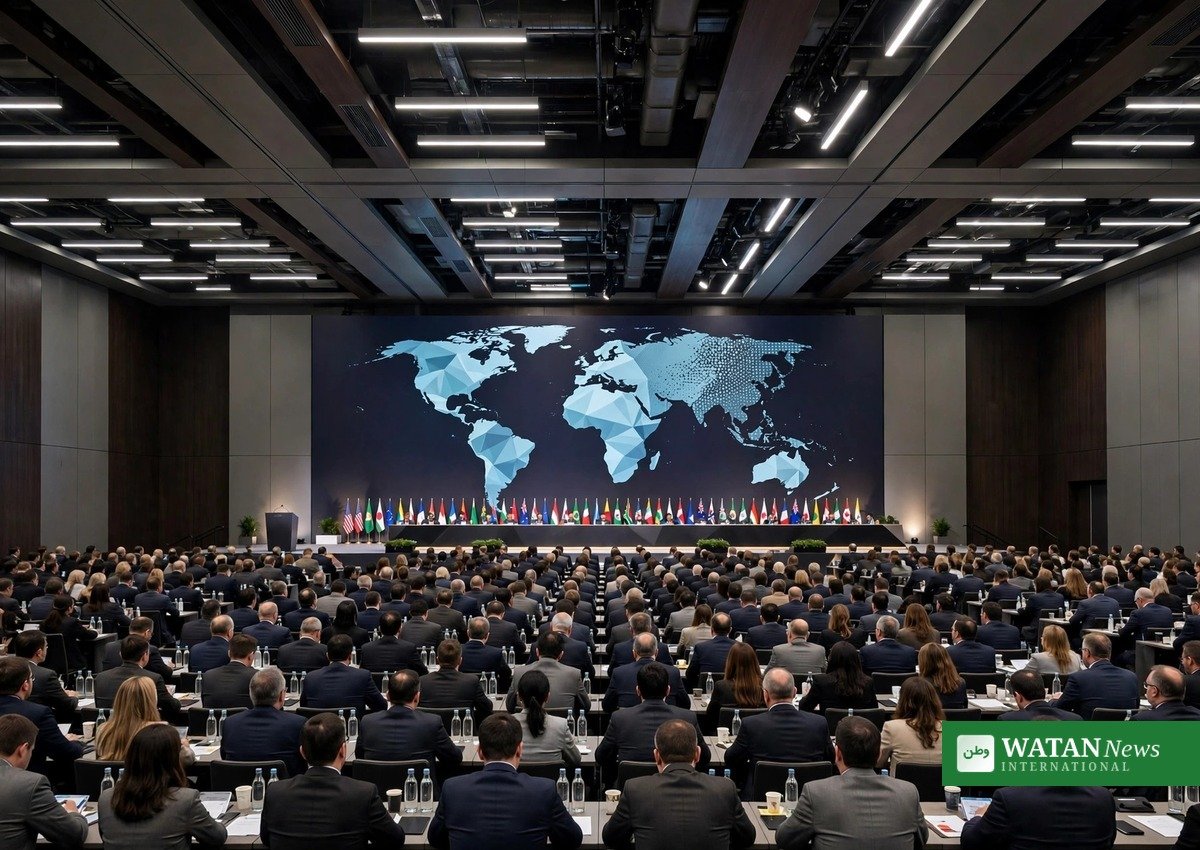
The managements of the IMF and the World Bank Group released the Bangkok Blueprint during the 2026 annual meetings in partnership with the Thai authorities, according to IMF Press Release No. 26/336. The Blueprint is organized around five pillars: establishing strategic and legal foundations; strengthening the fraud-mitigation life cycle; leveraging existing risk-mitigation and enforcement frameworks; expanding domestic and cross-border cooperation; and promoting consumer protection and resilience.
The 12 considerations are intended to help countries identify vulnerabilities and develop comprehensive, coordinated responses, with countries encouraged to tailor them to their own legal, institutional and market conditions. By fostering a safer and more trusted financial ecosystem, the framework seeks to help countries use digital finance to expand opportunity, inclusion and sustainable growth.

A $1 trillion annual drain
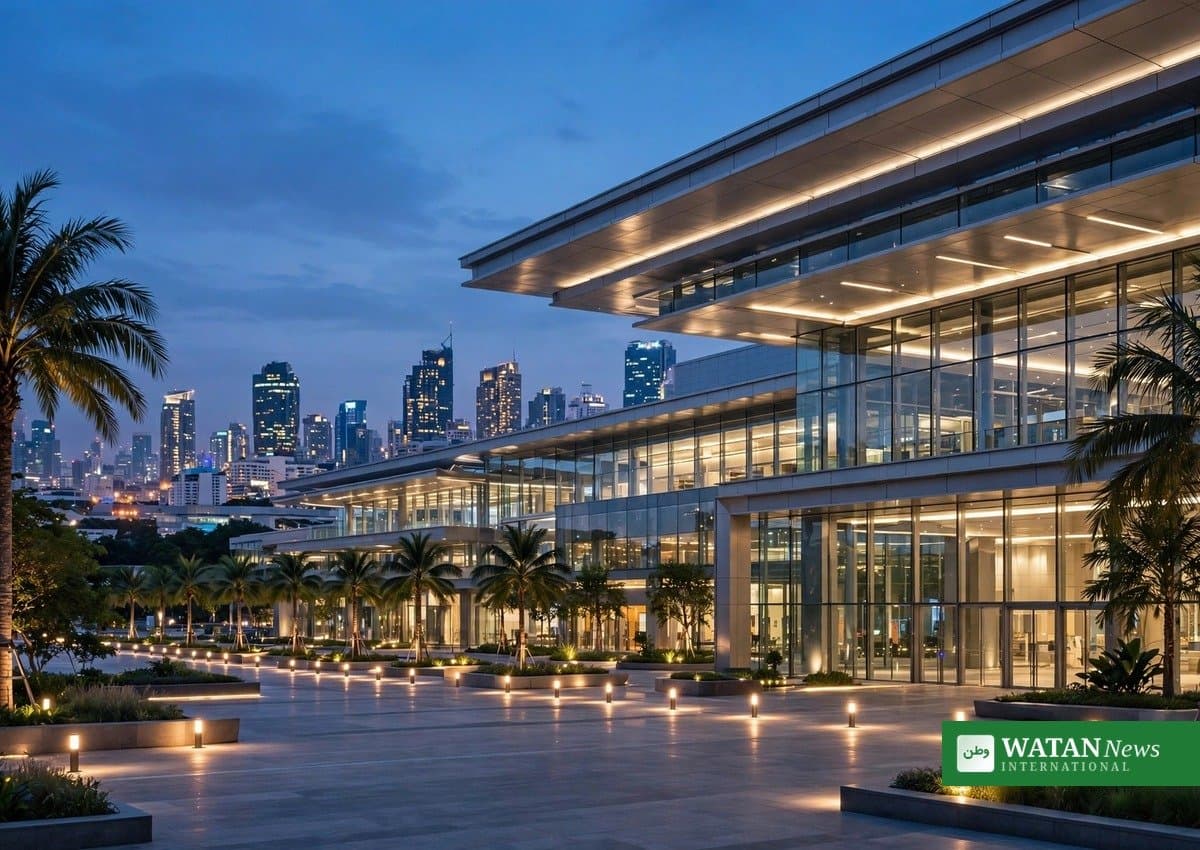
“Digital fraud and scams have become a global problem,” Thailand’s Deputy Prime Minister and Finance Minister Ekniti Nitithanprapas said at the launch at the Queen Sirikit National Convention Center in Bangkok. “It has cost the world economy around $1 trillion annually, or 3 percent of GDP.”
The scale in Asia is staggering. In Asia Pacific alone, scam gangs defrauded residents of at least $88 billion in 2025, according to the UN Office on Drugs and Crime, with transnational crime groups rapidly evolving tactics to stay ahead of law enforcement. “Asia accounted for 67 percent of global fraud losses in 2024,” said Bank of Thailand Governor Vitai Ratanakorn, adding that the region has accumulated valuable experience combating the threat that other countries can adapt.
IMF Managing Director Kristalina Georgieva said the expansion of cyber fraud is threatening to reverse the gains made by digital finance, which had brought people with no previous access to the financial system into it. INTERPOL ranks cyber-enabled fraud among the most threatening crimes globally, alongside drug trafficking and money laundering, and fraud schemes increasingly exploit social media, digital platforms, e-commerce and telecommunications networks.
Growth outlook upgraded despite the energy shock
The Blueprint launch came as the IMF released its updated World Economic Outlook at the Bangkok meetings, raising its 2026 global growth forecast to 3.1 percent from the 3 percent projected in July, while keeping 2027 at 3.4 percent. The fund said an AI-driven investment boom had offset some of the impact from surging energy costs, though it revised inflation up to 4.7 percent for 2026 and 4.1 percent for 2027.
The IMF now estimates that the Strait of Hormuz will reopen in March 2027 and return to its pre-war state by October 2027, noting that Gulf crude exports averaged 88 percent of pre-conflict levels in September as traffic picked up. With public debt near 100 percent of global GDP, the fund warned that governments will have to tighten their belts, leaving less room for health, pensions and other spending.
Read more on the global economic picture at watannews.dk, including the IMF chief’s warning on global debt.
The Bangkok Blueprint at a glance
| Item | Detail |
|---|---|
| Framework | Bangkok Blueprint for Fraud-Resilient Financial Services |
| Released | October 14, 2026 (IMF Press Release No. 26/336) |
| Structure | 5 pillars, 12 key considerations |
| Annual cost of digital fraud | ~$1 trillion (3% of global GDP) |
| Asia Pacific scam losses 2025 | At least $88 billion (UNODC) |
| Asia share of global fraud losses 2024 | 67% |
| Status | Assistance framework — not formal IMF/World Bank policy guidance |
Conclusion
The Bangkok Blueprint gives countries a shared playbook against a crime wave that now costs the world $1 trillion a year and hits Asia hardest. Paired with the IMF’s cautiously upgraded growth forecast, the message from Bangkok is that the global economy is proving more resilient than feared — but that resilience is being tested by fraud, inflation and debt all at once.