Cambridge has extended weekly food-waste collections to more than 23,000 additional homes, taking the total past 90,000 households — a milestone the city councils say shows food waste recycling turning kitchen scraps into electricity and fertiliser instead of landfill emissions.
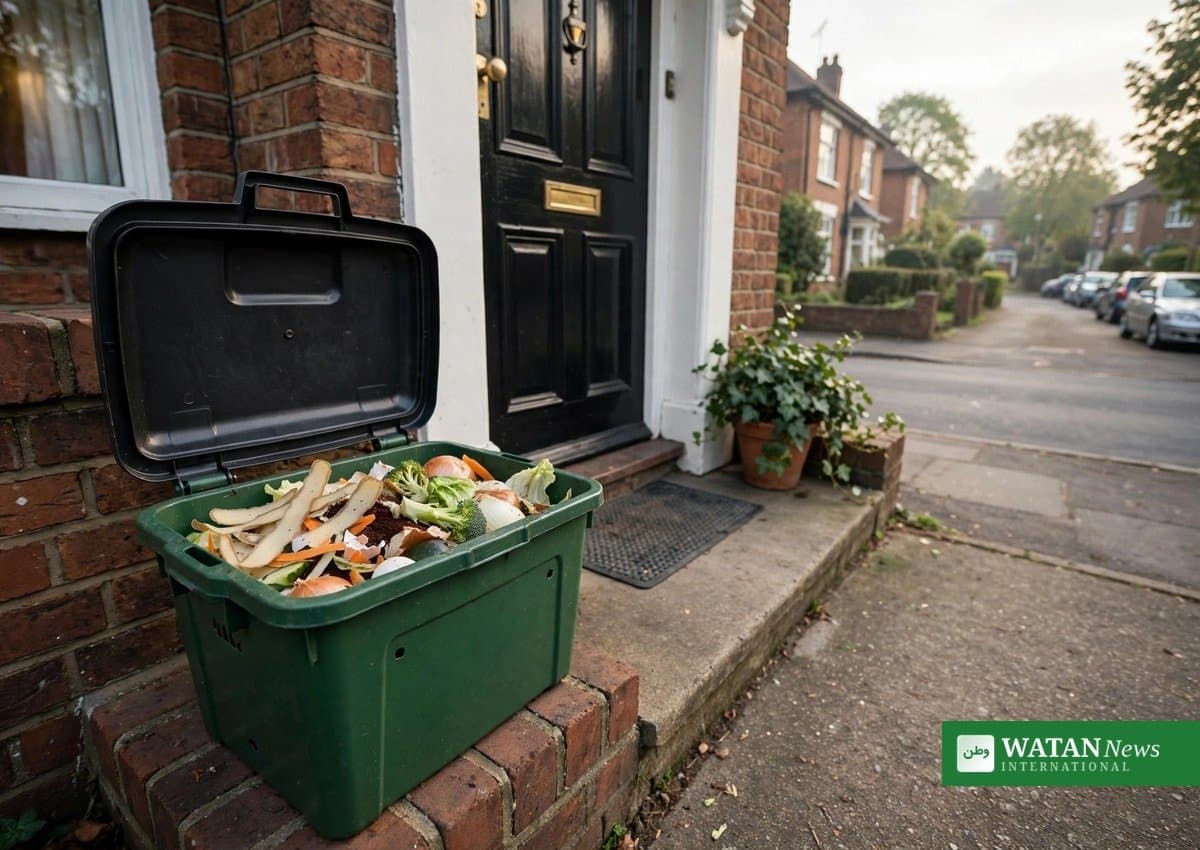
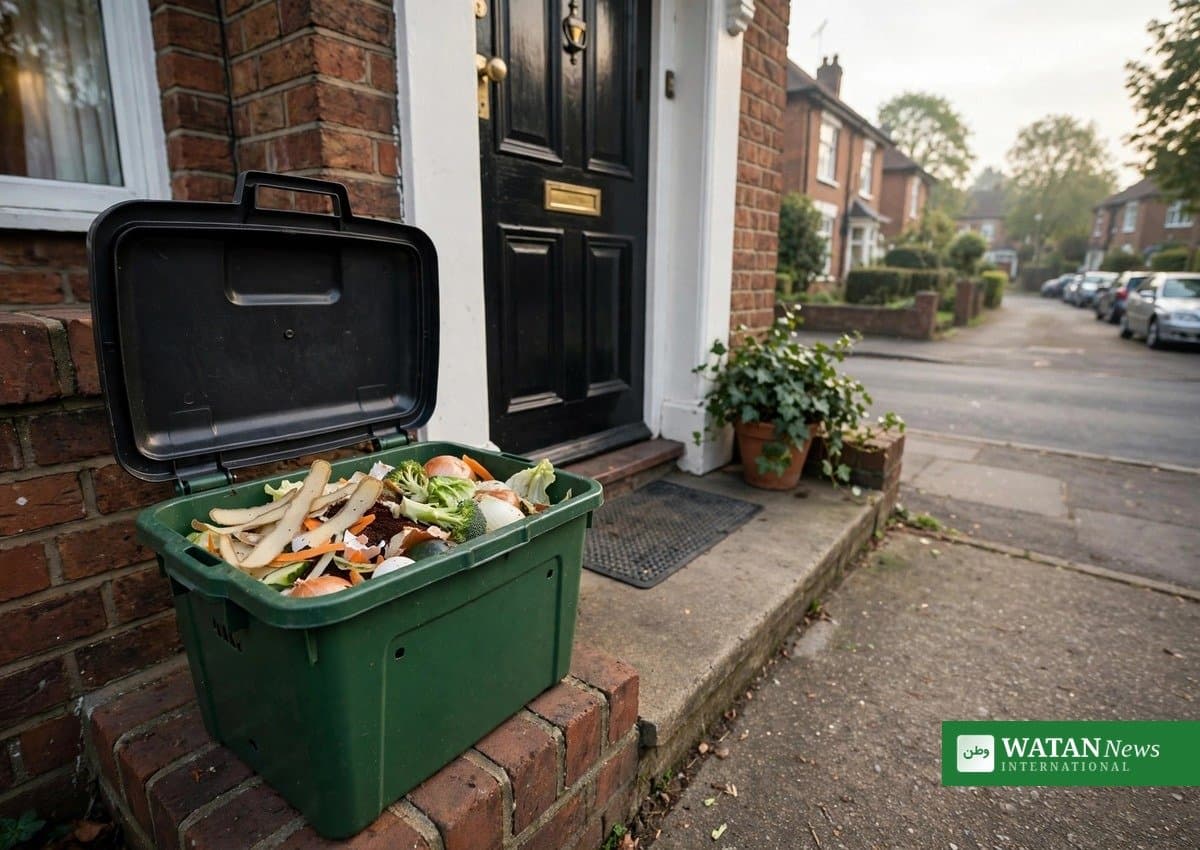
From 13 October 2026, households across Cambridge City and South Cambridgeshire received silver pest-proof food-waste caddies and joined the weekly collection round run by the Greater Cambridge Shared Waste Service. Nearly two-thirds of the homes served by the shared service are now covered, according to Cambridge City Council and South Cambridgeshire District Council.
Since the collections began, residents have already recycled more than 2,300 tonnes of food waste — enough, the councils say, to boil three million kettles once processed.
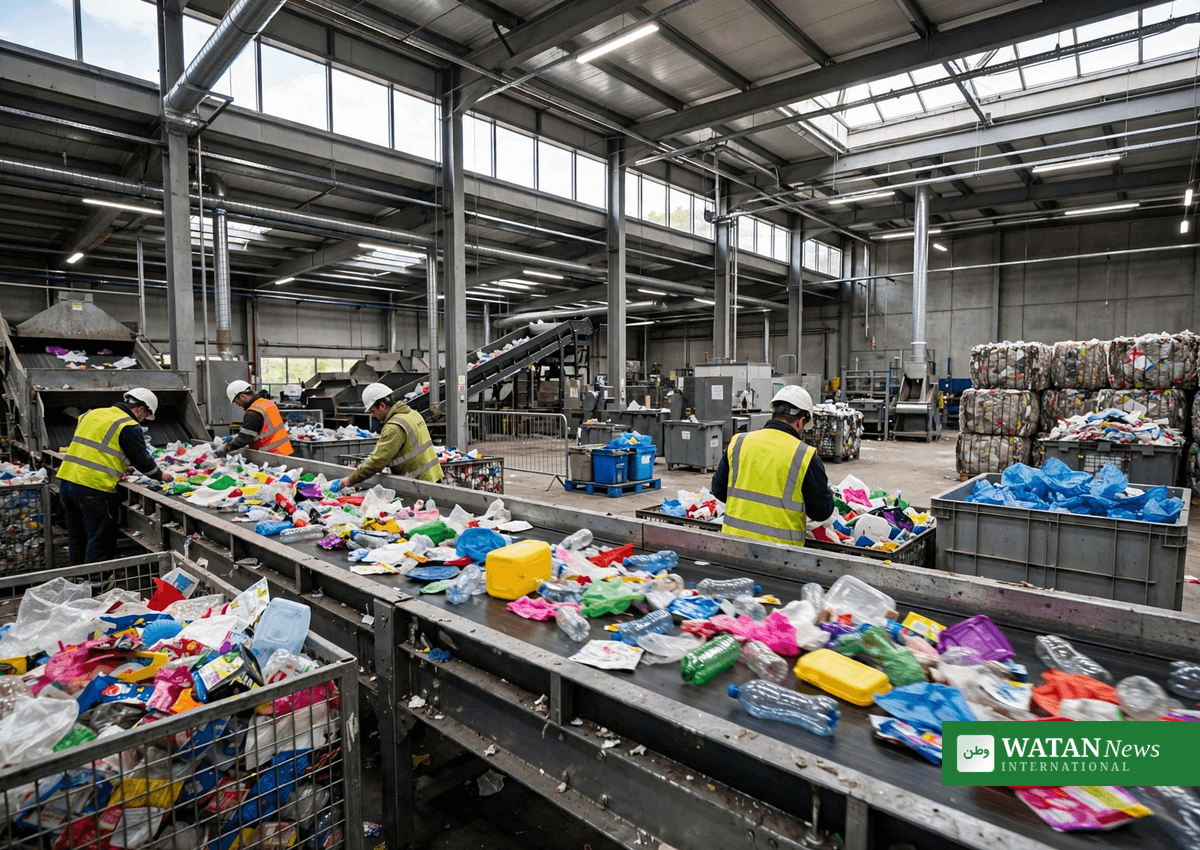
From caddy to clean energy: how food waste recycling works
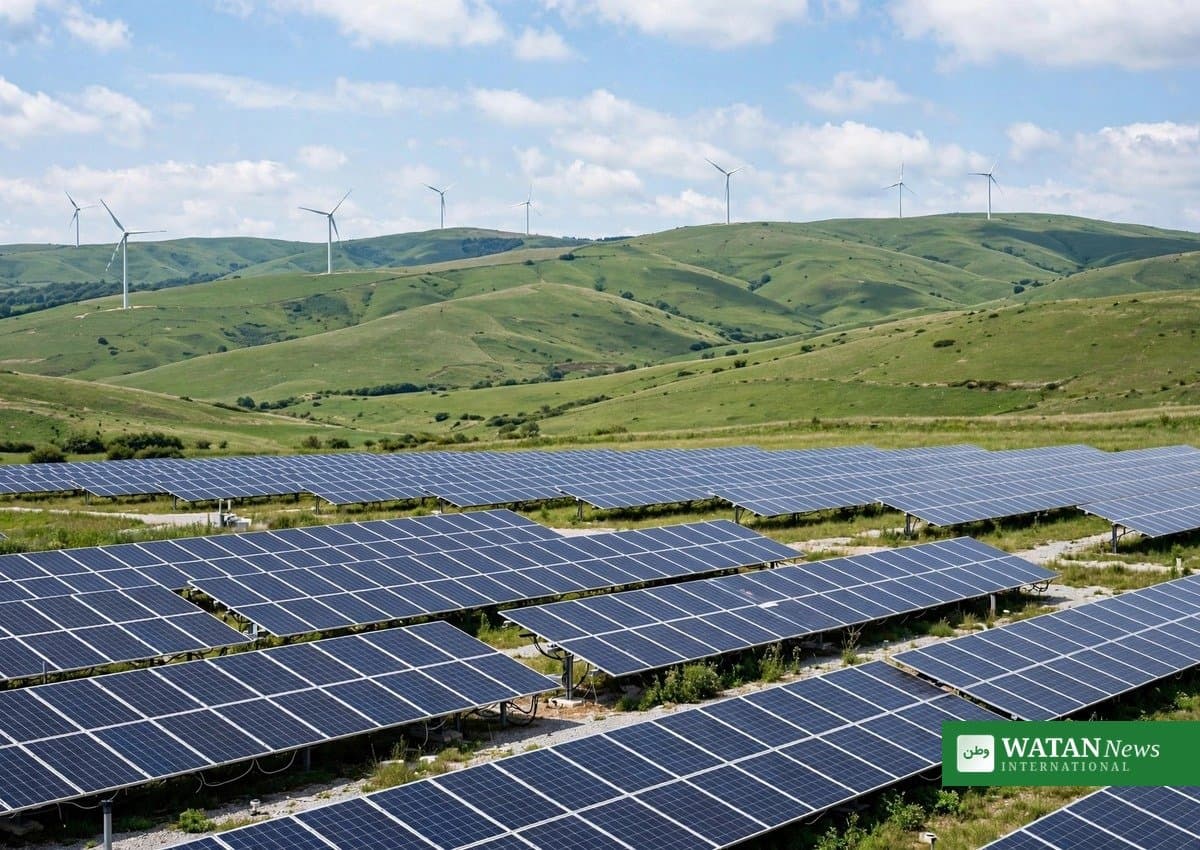
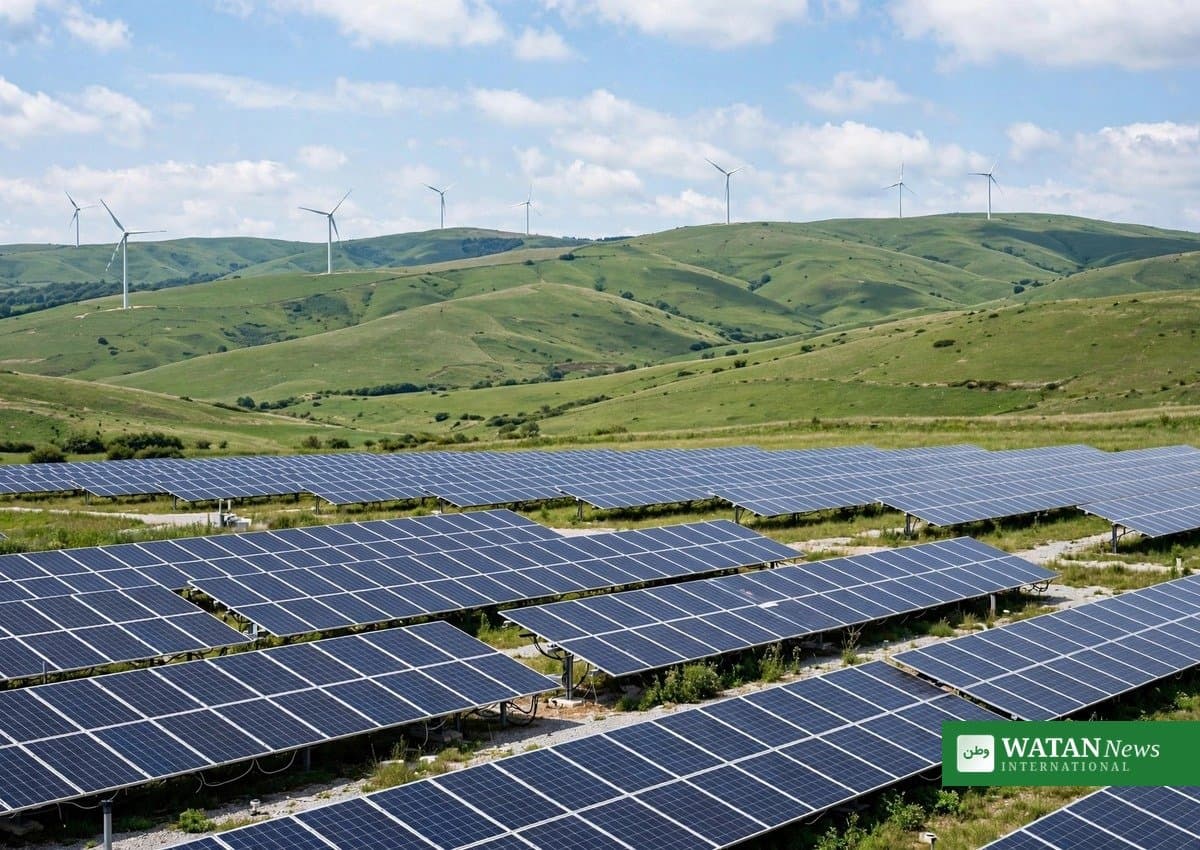
Collected food waste is sent for anaerobic digestion, a process in which microorganisms break down organic matter without oxygen. Most of the electricity generated is fed into the National Grid, while the remainder powers the digestion plant itself. The leftover digestate is turned into biofertiliser for farms.
Recycling food waste this way keeps it out of landfill, where rotting food releases methane — a greenhouse gas far more potent than carbon dioxide in the short term. “The more food waste we can recycle, the more we can cut carbon emissions and turn waste into a valuable resource,” said Councillor Rosy Moore, Cambridge City Council’s Cabinet Member for Climate Action and Environment.
Simpler Recycling: the law behind the rollout
The expansion supports England’s Simpler Recycling legislation, which will make weekly household food-waste collection mandatory for all local authorities. Deliveries of the silver caddies began in January 2026 ahead of the rollout.
Both councils published the same announcement and confirmed the figures: more than 23,000 additional homes, a total above 90,000, and more than 2,300 tonnes collected so far. No independent press coverage of this specific rollout has yet appeared, so all figures here are attributed to the two councils’ official announcements of 8 October 2026.
Why food waste matters for the climate
Around the world, roughly a third of all food produced is lost or wasted, and food waste in landfill is a major source of methane emissions. Keeping scraps in a separate collection — and turning them into power and fertiliser — is one of the simplest everyday climate actions households can take.
Cambridge’s experience shows what is possible at scale: with nearly two-thirds of its served homes now on weekly collections, the city is counting on residents to keep the caddies full and the landfills empty. For more climate coverage from Watan News International, visit watannews.dk/en.
FAKTA
- What happened: Weekly household food-waste collections extended to 23,000+ additional homes in Cambridge City and South Cambridgeshire.
- When: Rollout began 13 October 2026; announced 8 October 2026.
- Scale: More than 90,000 homes now covered — nearly two-thirds of homes served by the Greater Cambridge Shared Waste Service.
- Results so far: 2,300+ tonnes of food waste recycled; processed by anaerobic digestion into electricity for the National Grid and biofertiliser — “enough to boil three million kettles”.
- Policy context: Supports England’s Simpler Recycling law making weekly food-waste collection mandatory for all local authorities.
- Sources: Cambridge City Council and South Cambridgeshire District Council (official announcements).