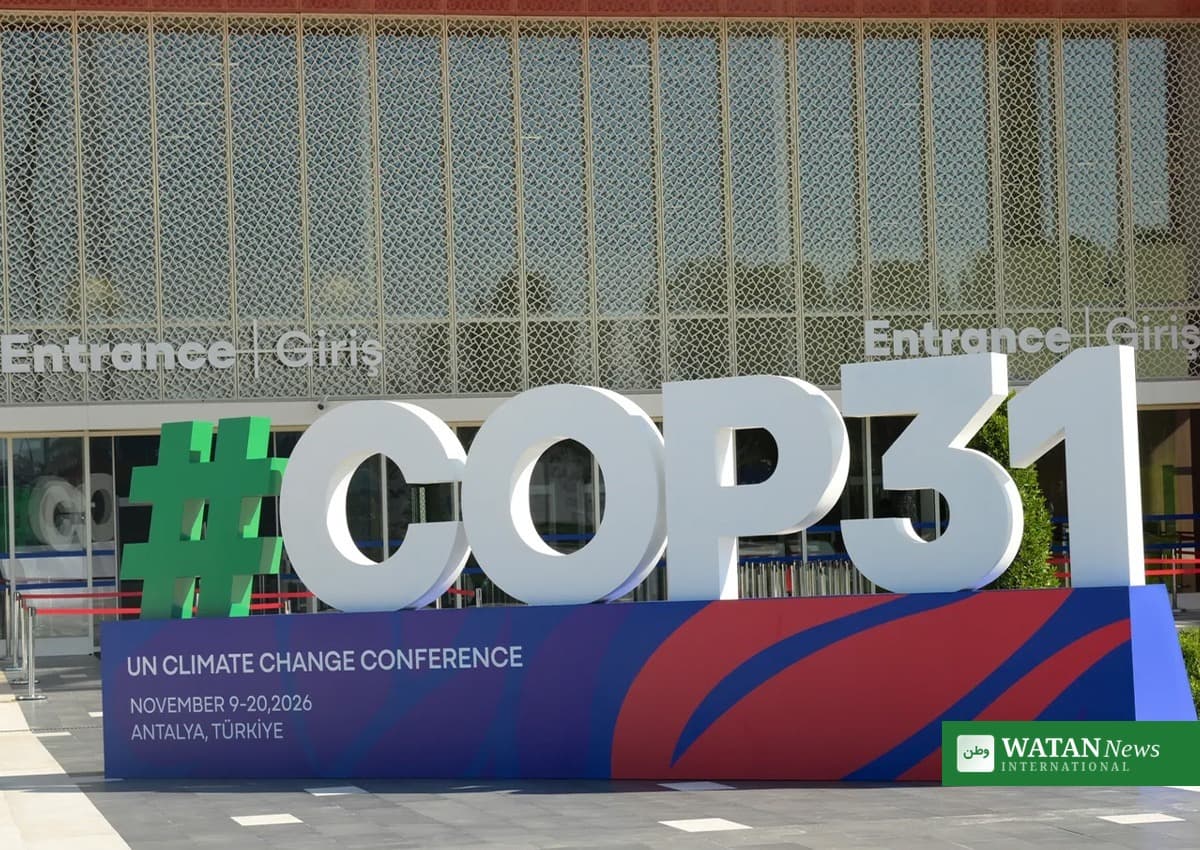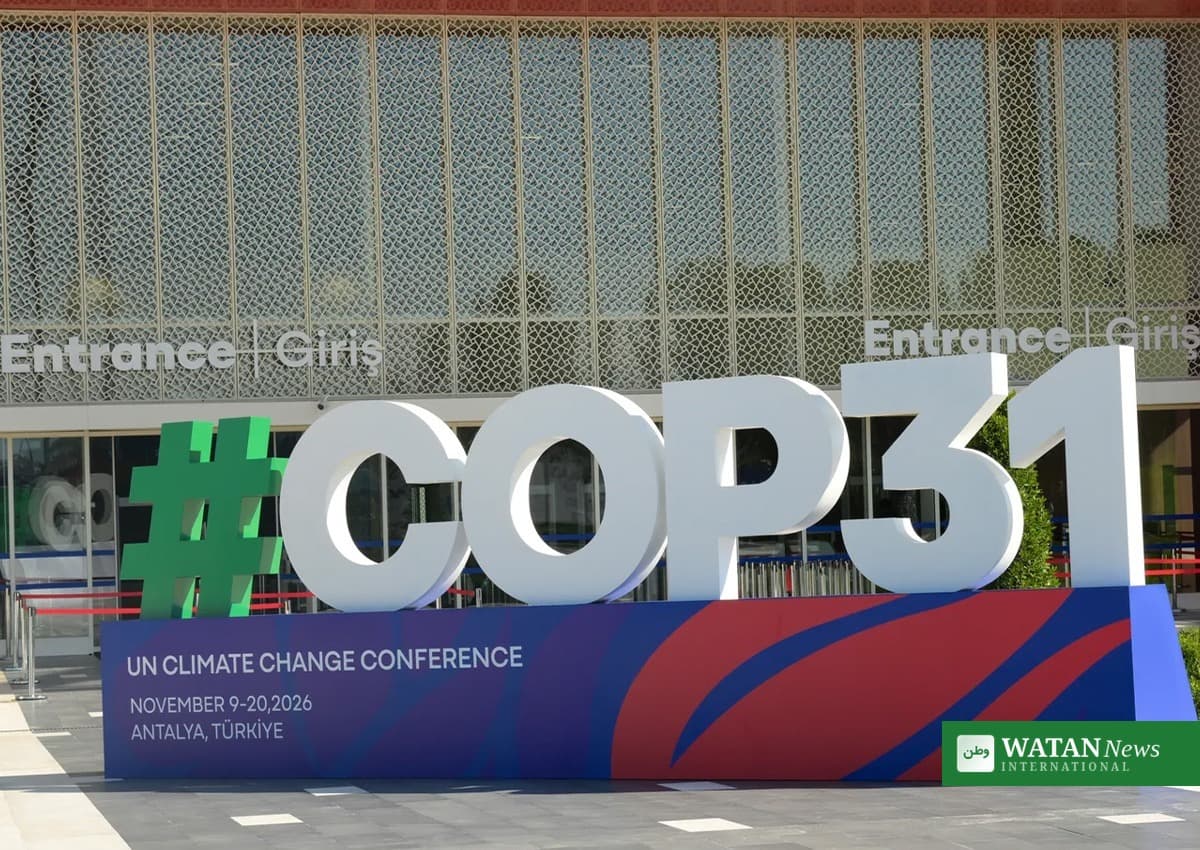
Antalya, Türkiye — COP31 turns its attention to people today, 16 November, as the conference hosts its flagship climate-awareness event in Antalya. The COP31 Presidency ACE Event, “Education, Public Awareness and Children & Youth: Turning Climate Science into Climate Action”, runs from 15:00 to 18:00 local time in the Blue Zone’s Plenary Hall Akdeniz, putting education and public awareness at the centre of the climate talks.
The event is the conference’s set-piece moment for Action for Climate Empowerment, known as ACE — the United Nations framework that covers climate education, training, public awareness, public participation, public access to information and international cooperation. It comes two days after 14 November, the conference’s themed day for children, youth, education and skills, and it follows the youth demands handed to negotiators during the first week of COP31.
What is Action for Climate Empowerment?
Action for Climate Empowerment is the part of the UN climate process that deals with people rather than tonnes of carbon. Its premise is simple: climate action should rest on the best available science, but science can only shape decisions if it reaches people, communities and societies — and especially children and young people, who will live longest with the consequences of today’s decisions.
ACE has six elements: education, training, public awareness, public participation, public access to information and international cooperation. Today’s event is a mandated one: Decision 18/CP.26 and Decision 22/CMA.3 invite each COP Presidency to convene an in-session ACE event. The Glasgow work programme on ACE guides this work, and the proceedings of today’s event will feed into the secretariat’s annual summary report on its implementation, for consideration by the Subsidiary Body for Implementation (SBI). ACE is also on the formal negotiation agenda at COP31, with the SBI considering submissions on the work programme.
Today’s programme in Antalya
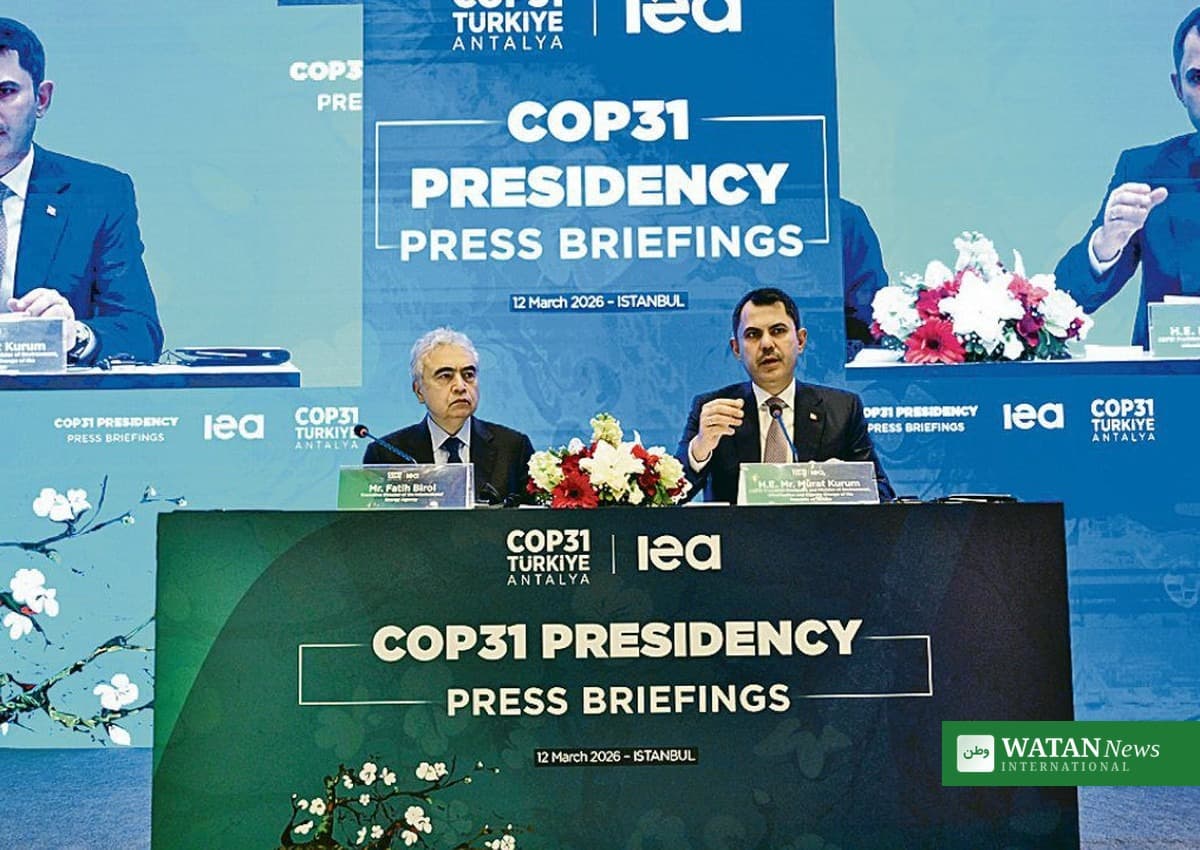
The event opens at 15:00 with remarks from COP31 Presidency Minister Murat Kurum, President of Negotiations Chris Bowen of Australia, and Daniele Violetti, Senior Director at UN Climate Change. It is moderated by Wafiiqah Youssouf Mbechezi, National ACE Focal Point for Comoros, and Tegan Clark of the Australian National University.
From 15:20, a panel on education and public awareness features a scene-setting presentation by Ramón Pichs-Madruga, Vice-Chair of the Intergovernmental Panel on Climate Change (IPCC), alongside Anaïs Salabert of the Youth Advisory Committee of the Science Panel for the Amazon, Robert Karoro, Pacific representative of the Facilitative Working Group of the Local Communities and Indigenous Peoples Platform, and Carol Simon, ACE Focal Point for Panama.
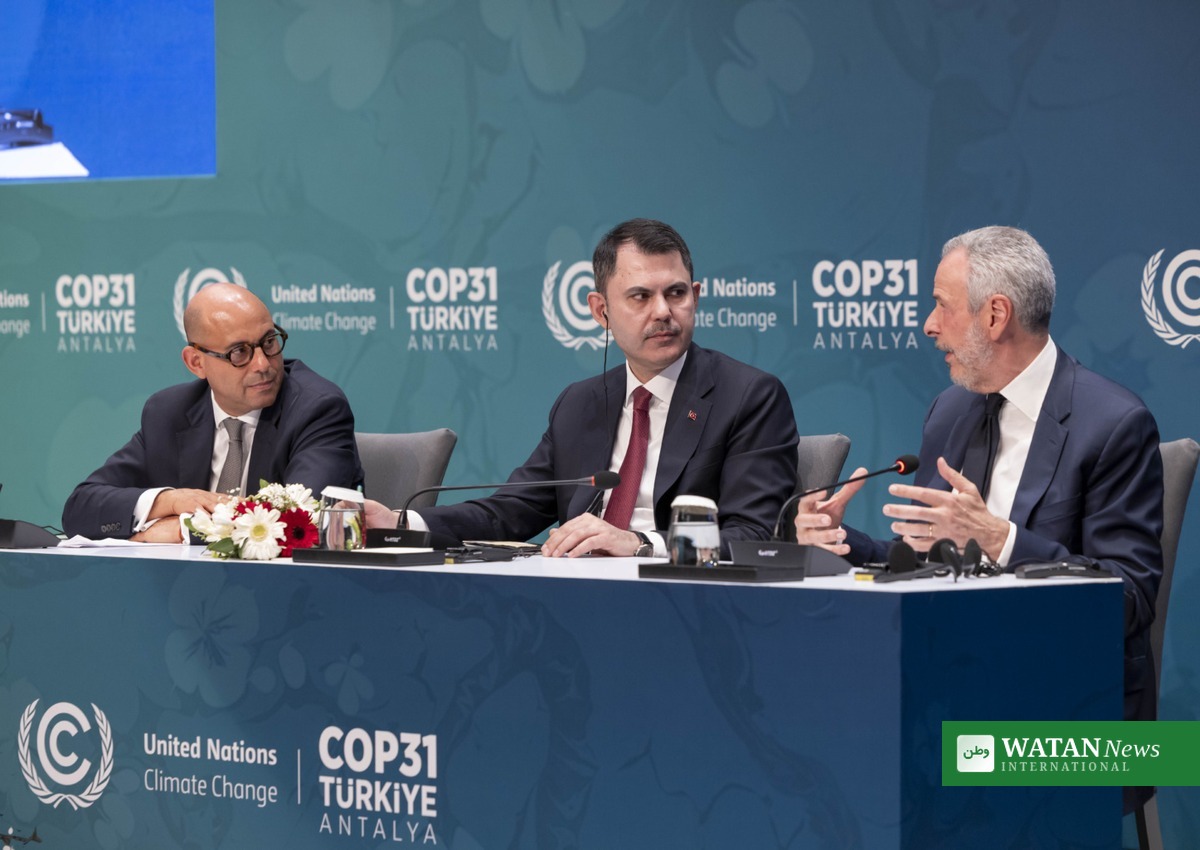
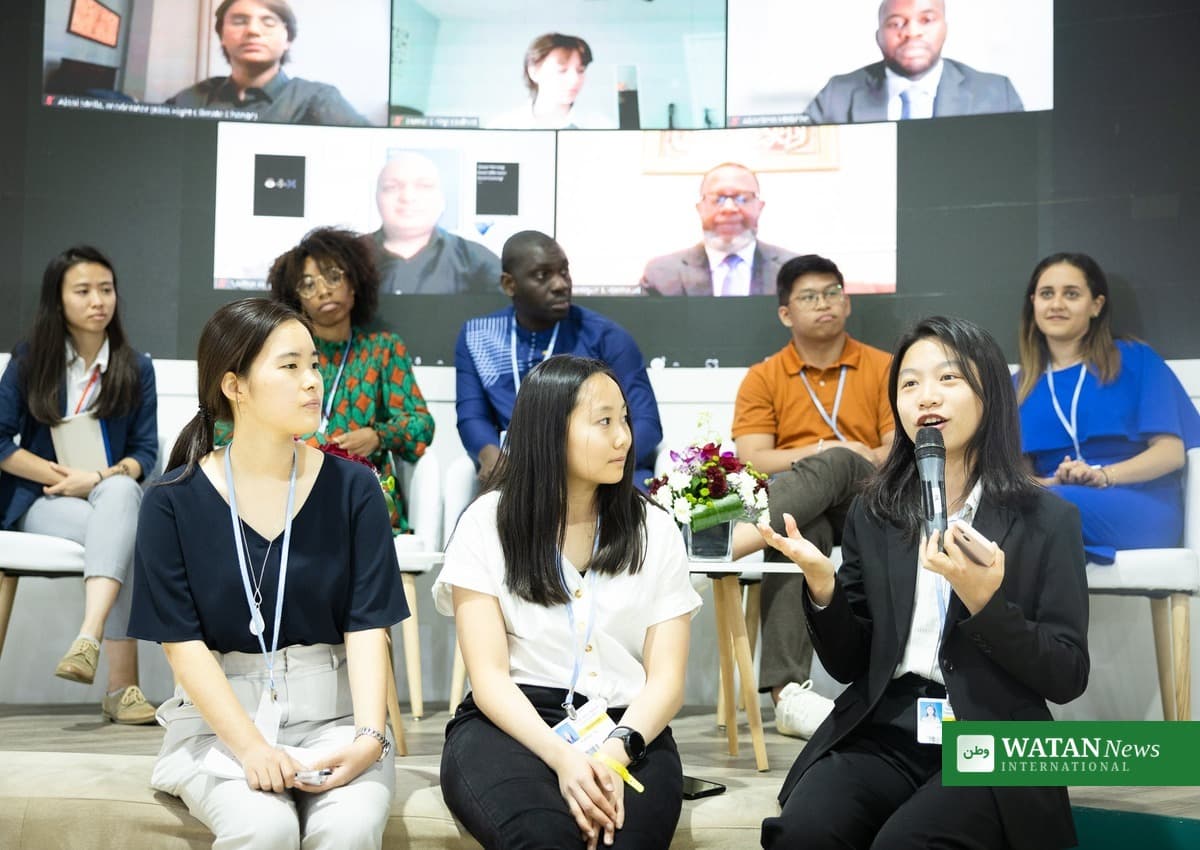
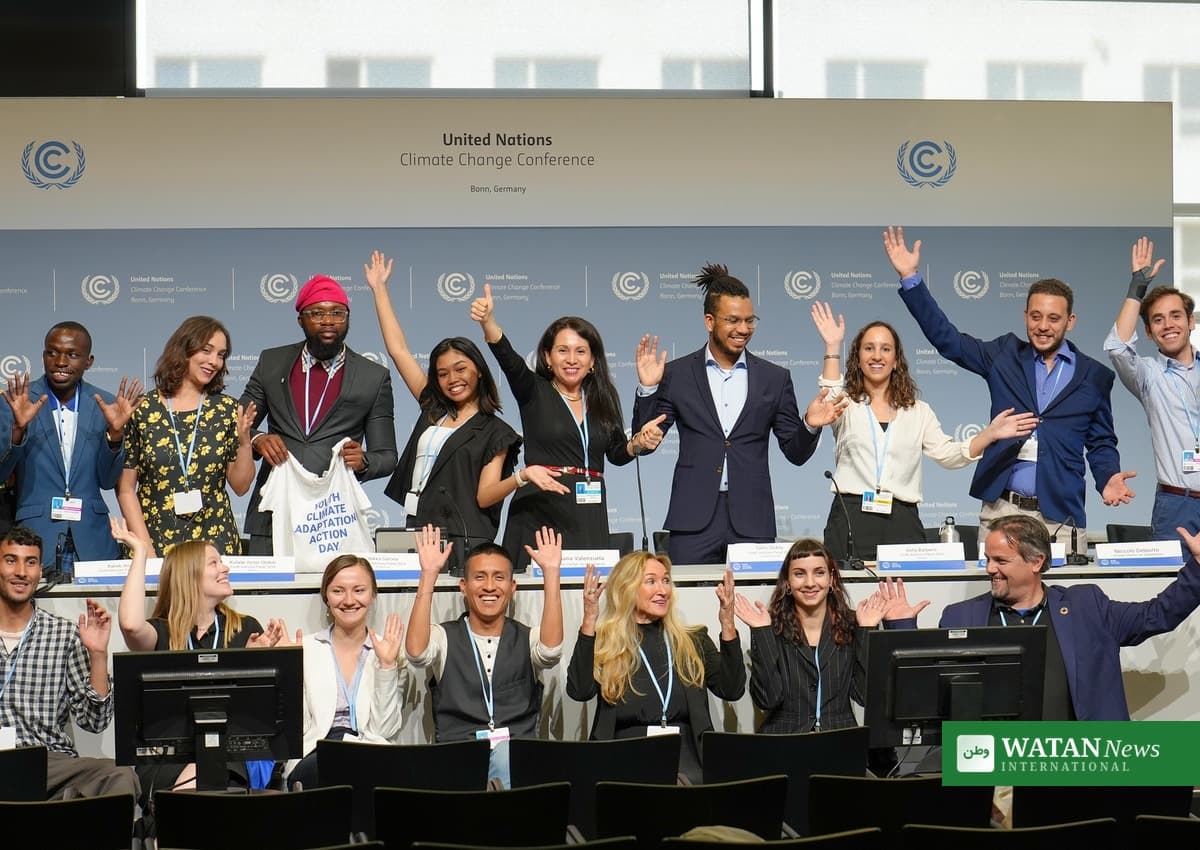
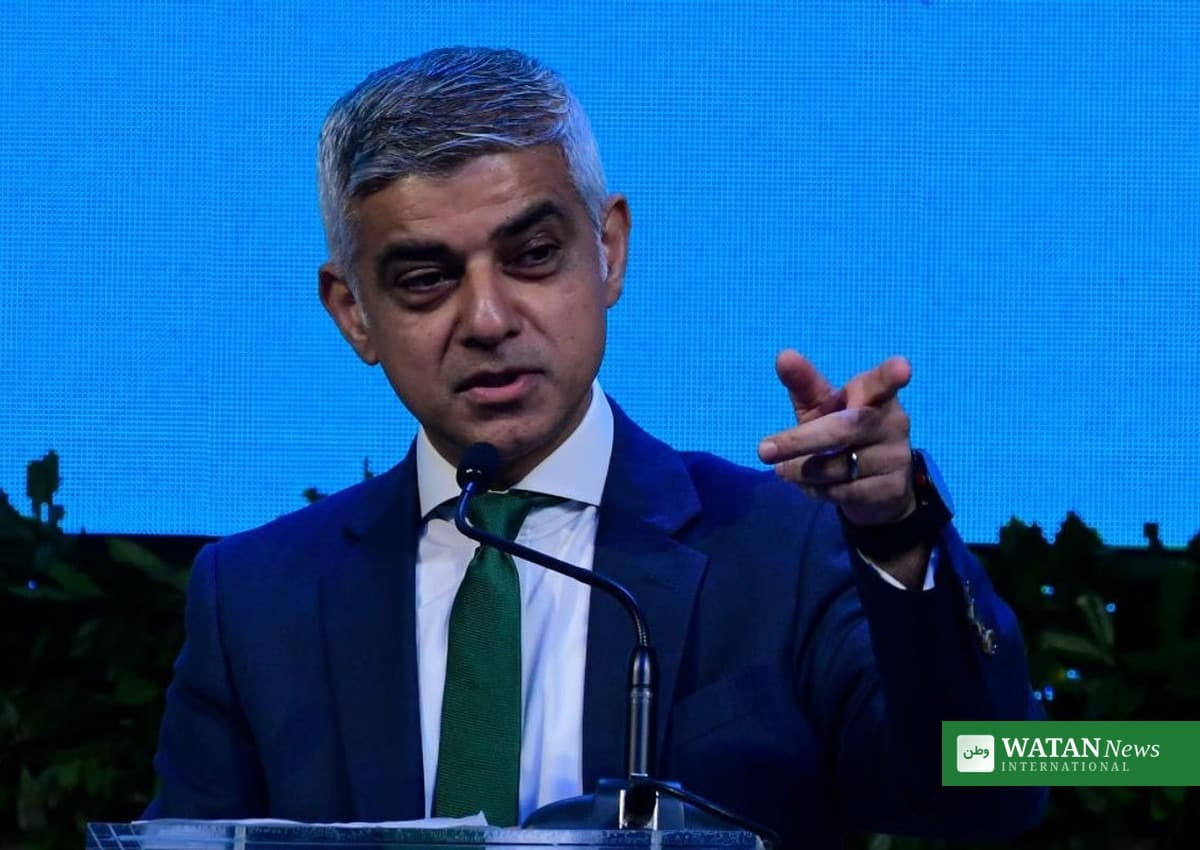
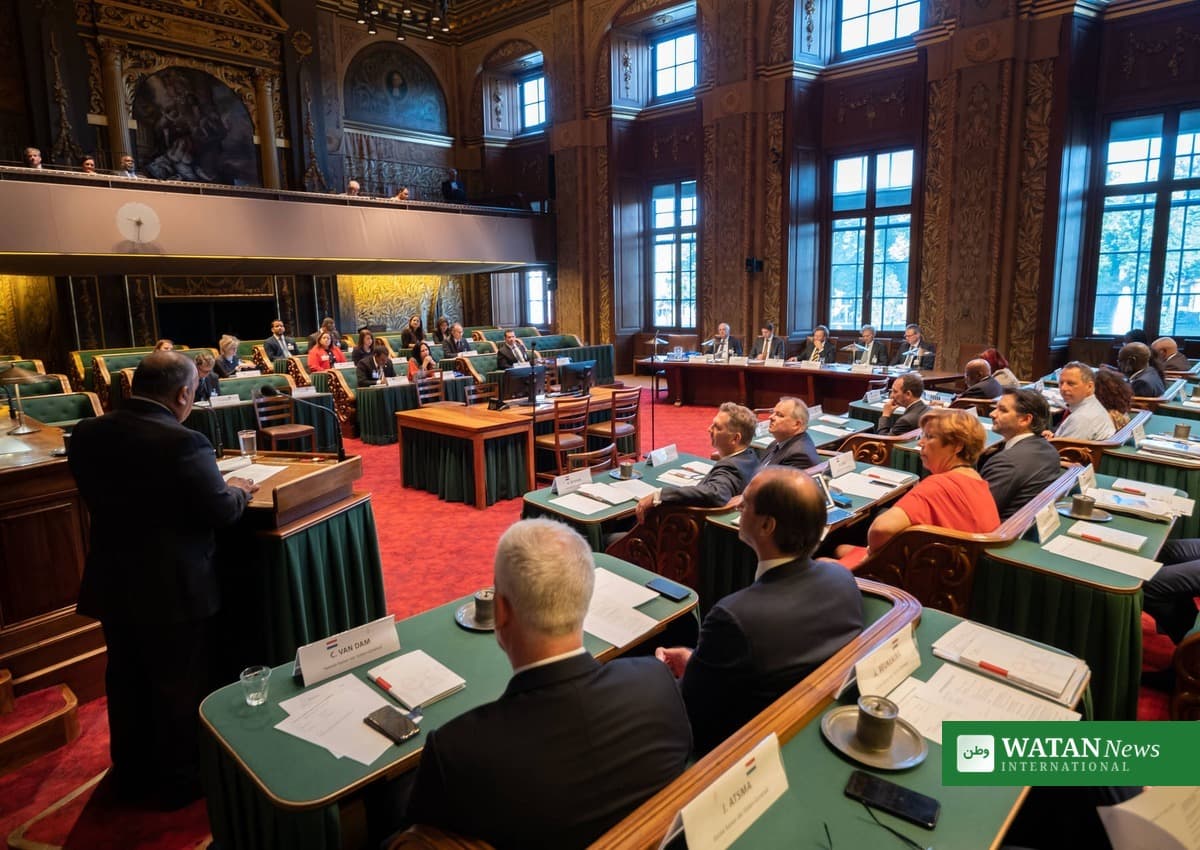
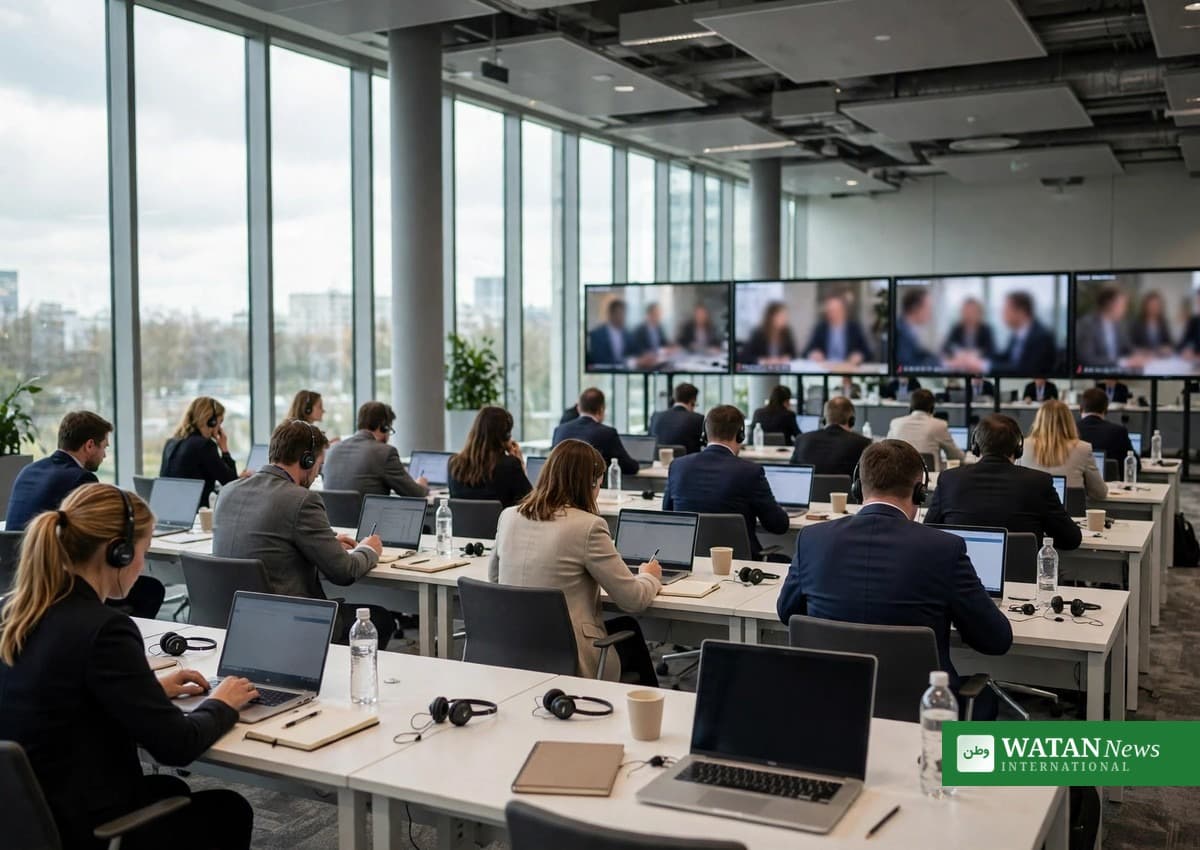
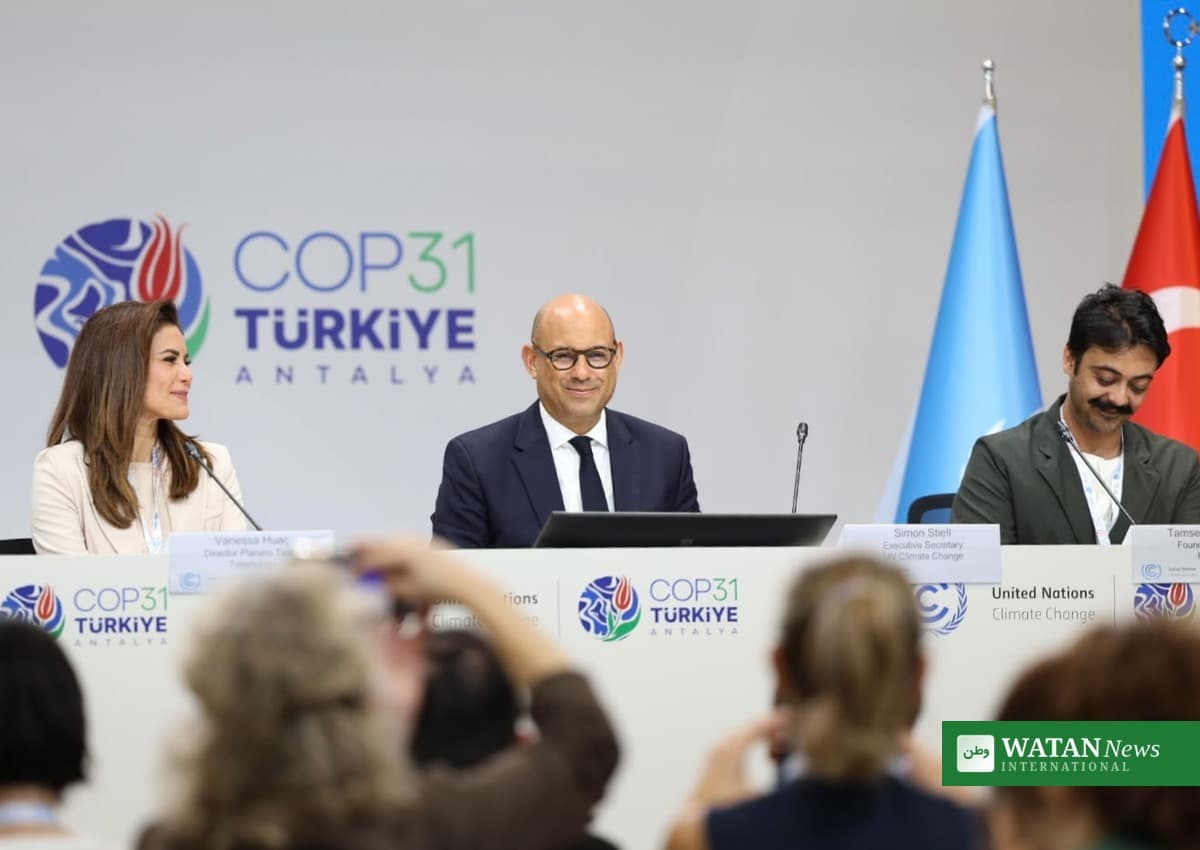
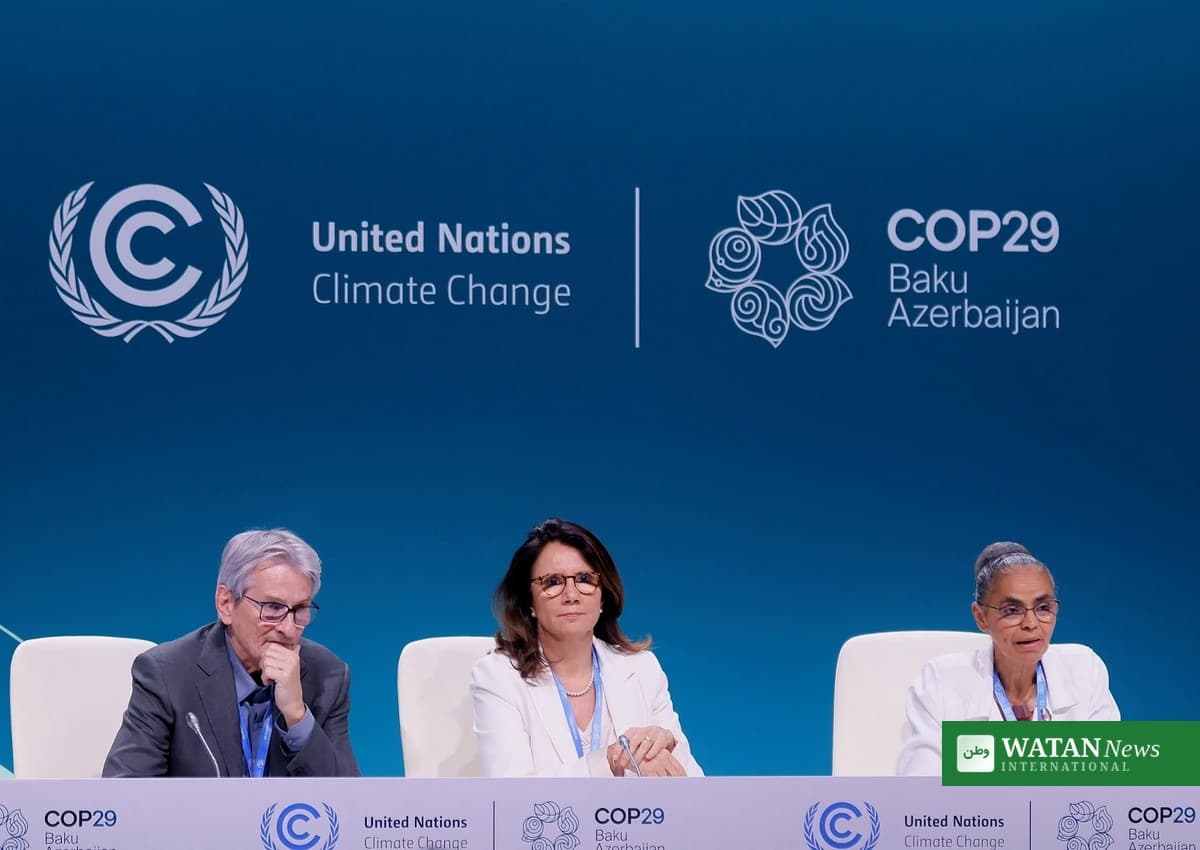
A COP31 panel discussion in Antalya. Today’s ACE event brings education and public awareness into the centre of the climate talks.
From 15:50 to 17:00, a World Café session splits participants into three working stations: public participation in climate science, including citizen science and the co-creation of knowledge with children, young people and Indigenous knowledge holders; feeding climate science into policy; and unpacking climate science for the public so it is understandable and meaningful to different groups, including children and youth.
A panel discussion from 17:10 to 17:45 focuses on children and young people as learners, communicators, contributors and agents of change, with Alvin Adigao of YOUNGO, the UNFCCC children and youth constituency, Nazya Ürek of the Climate Envoys of Türkiye, Susie Ho of Monash University, and Claire McGuire of the International Federation of Library Associations and Institutions (IFLA). Closing remarks come from Beyda Altuntas, National ACE Focal Point for Türkiye, and Catherine Dawson, National ACE Focal Point for Australia.
Libraries, classrooms and young voices
The ACE event is not the only awareness moment today. This morning, from 10:00 to 11:00, IFLA hosts “From Climate Literacy to Community Action: Libraries as Trusted Empowerment Hubs” at the Türkiye Youth Pavilion in the Blue Zone, presenting public libraries as community infrastructure for climate literacy, communication and public participation beyond formal education. IFLA’s Claire McGuire then joins the afternoon panel.
Schools are part of the story too. Wellington College Bangkok says five of its students are attending COP31 in Antalya, and its submission on the future of ACE has been accepted and published by the UNFCCC. Universities are also in the room: Monash University’s Associate Professor Susie Ho is an invited panellist at today’s event, and Monash sessions during COP31 have examined how universities advance climate education and engagement.
For visitors in Antalya, the Green Zone — the public side of COP31 — is open from 09:00 to 22:00 through 20 November, with exhibitions, panels, workshops and awareness activities. The UNFCCC says mandated events and many other COP31 events are broadcast live, including on its YouTube channel.
Key facts
- Event: COP31 Presidency ACE Event — “Education, Public Awareness and Children & Youth: Turning Climate Science into Climate Action”
- When: Today, 16 November 2026, 15:00–18:00 local time
- Where: Blue Zone, Plenary Hall Akdeniz, Antalya Expo Center, Türkiye
- Mandate: Decision 18/CP.26 and Decision 22/CMA.3
- ACE covers six elements: education, training, public awareness, public participation, public access to information and international cooperation
- COP31: 9–20 November 2026, Antalya, Türkiye; Green Zone open to the public 09:00–22:00 until 20 November
What happens next
The proceedings of today’s event will be incorporated into the UNFCCC secretariat’s annual summary report on progress under the Glasgow work programme on ACE, for consideration by the SBI. That report is where the awareness work done in Antalya is weighed alongside the negotiation track — and where the question of what comes next for ACE will be answered.
With COP31 presenting itself as an implementation conference, today’s event puts a simple test in the open: whether the talks treat public understanding as part of delivering climate action, not as decoration around it.