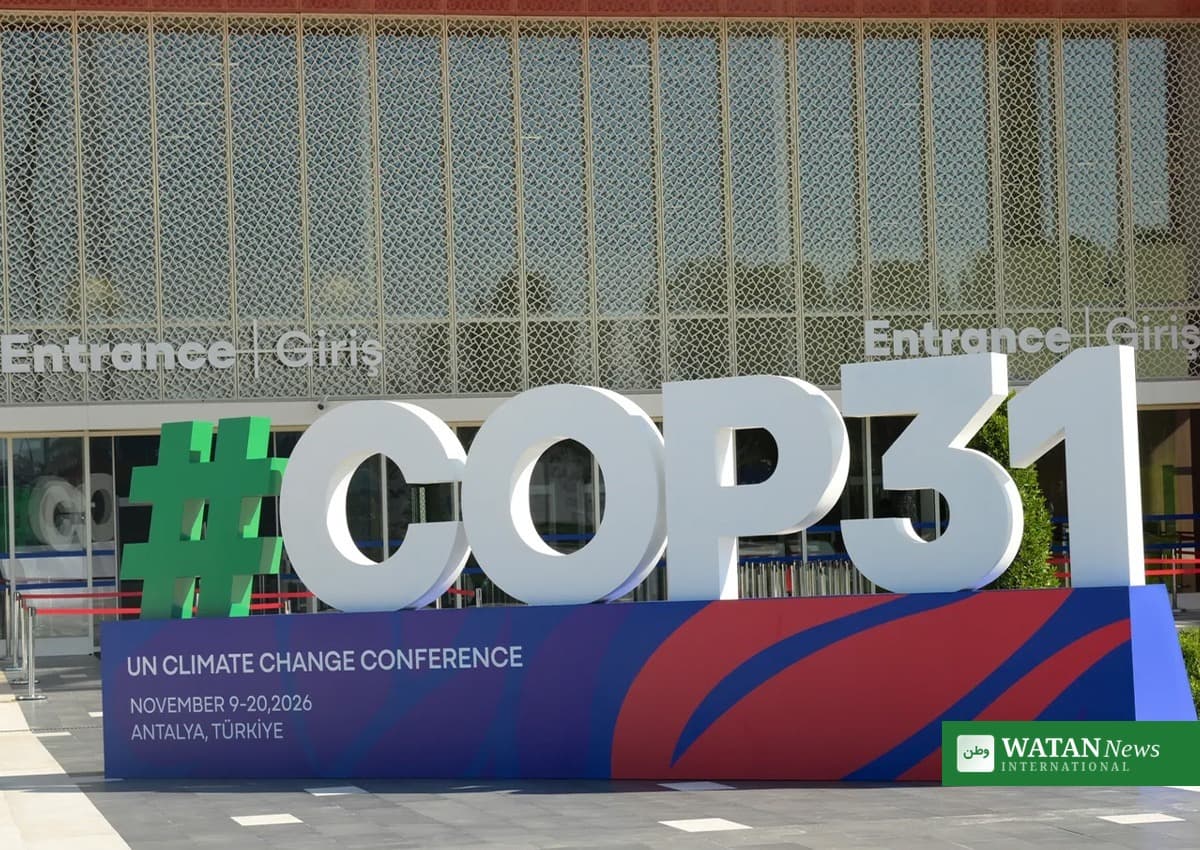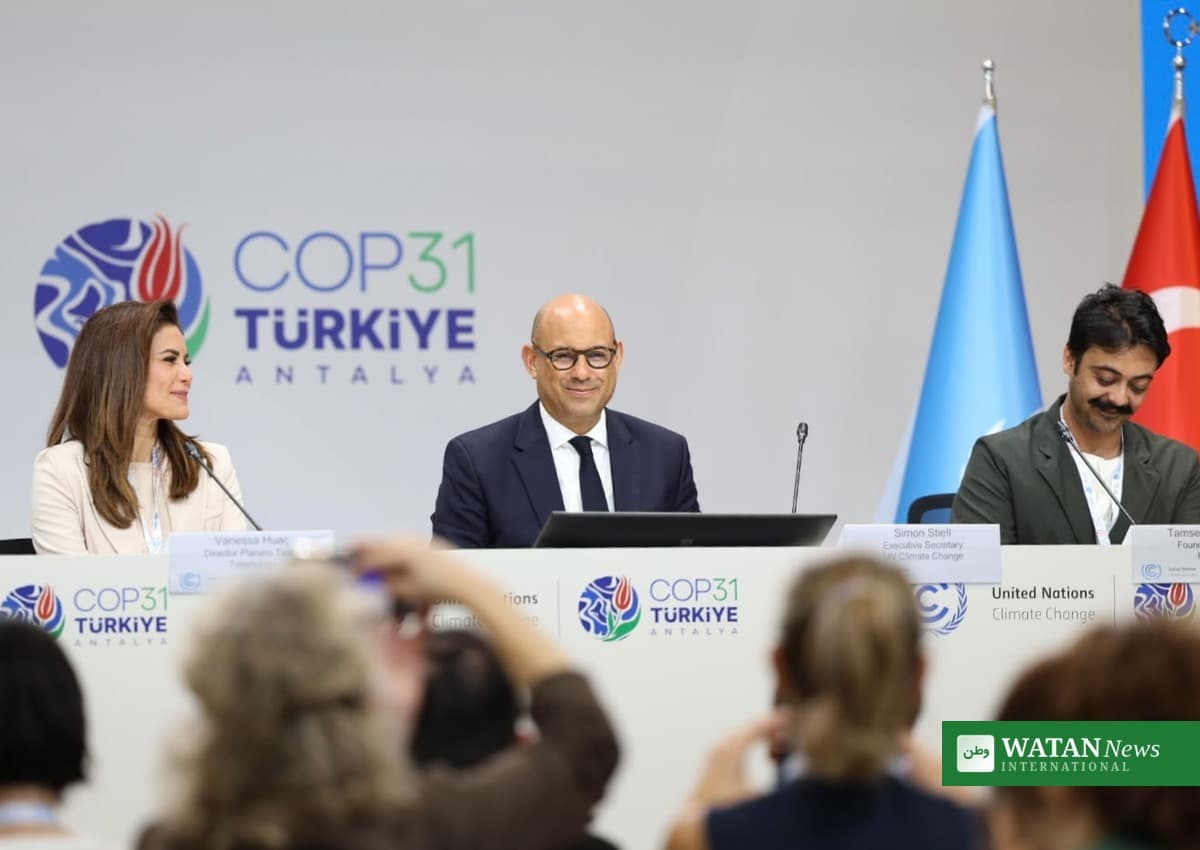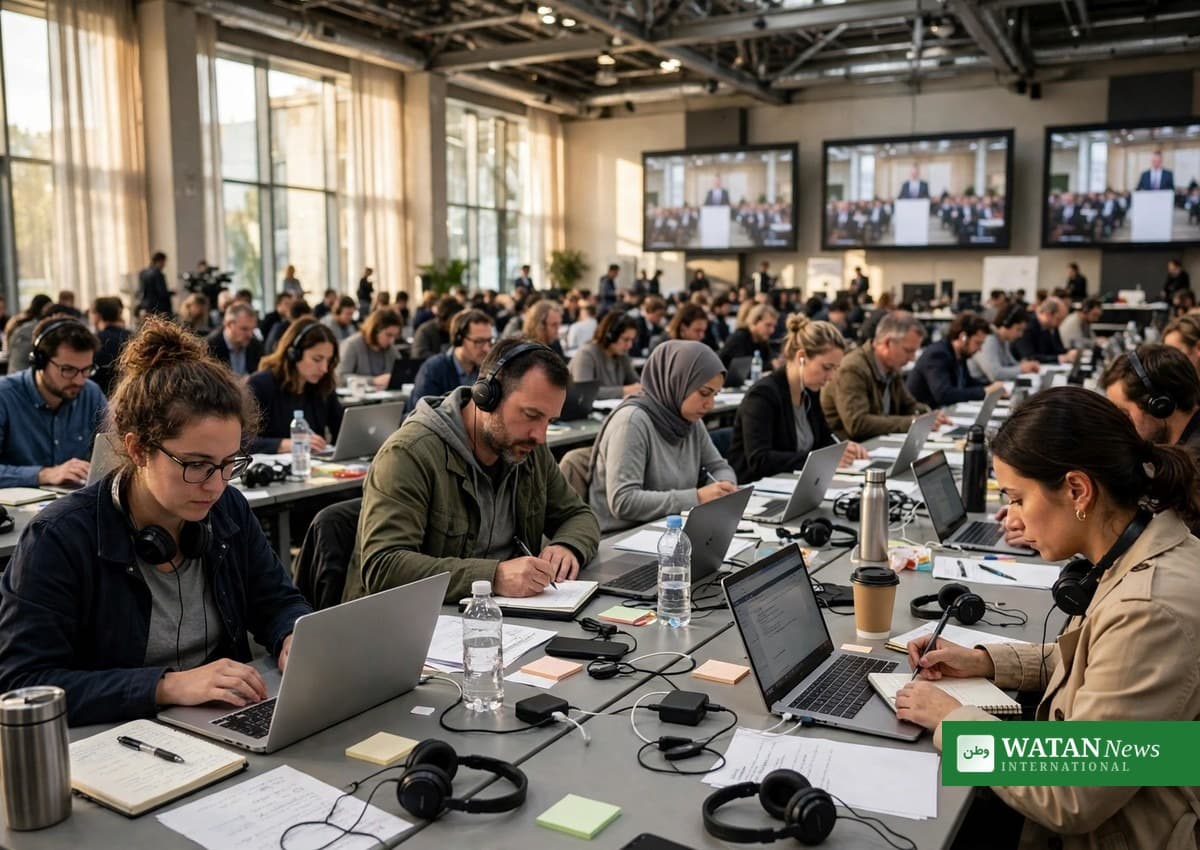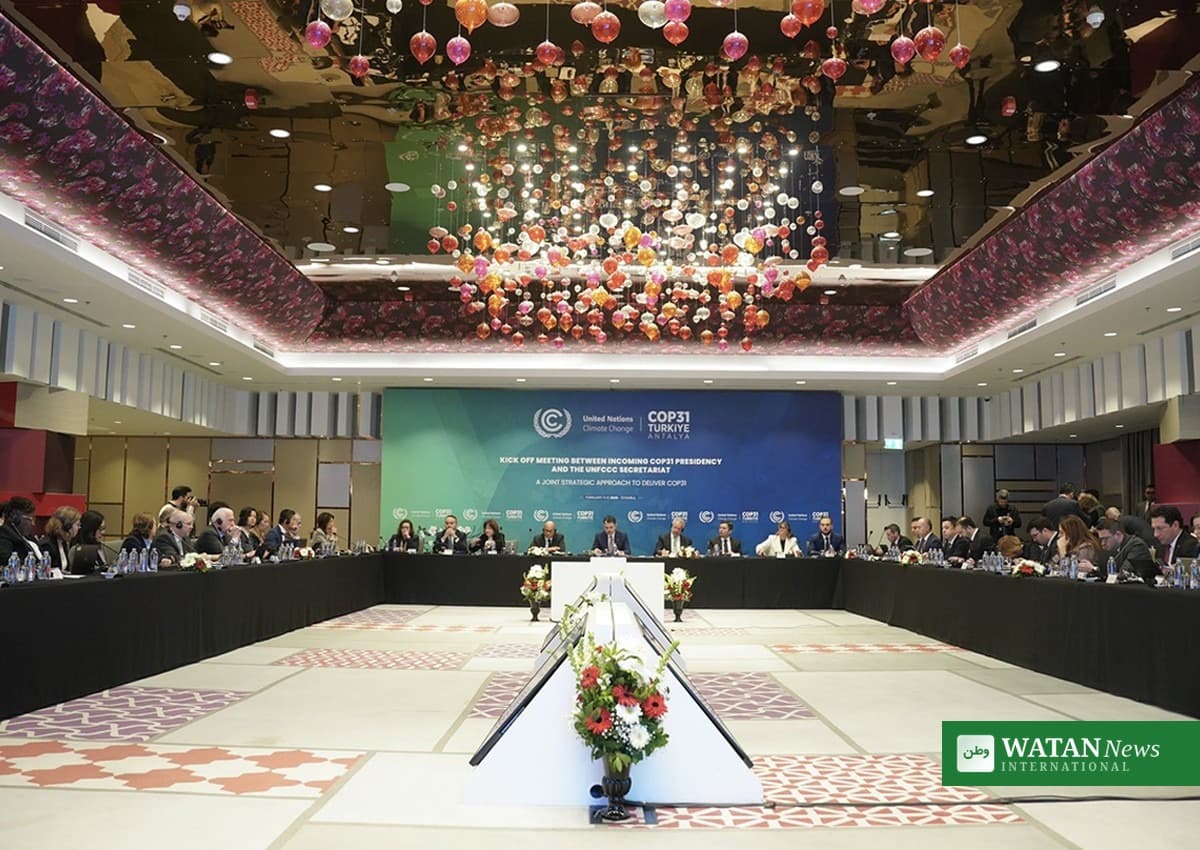
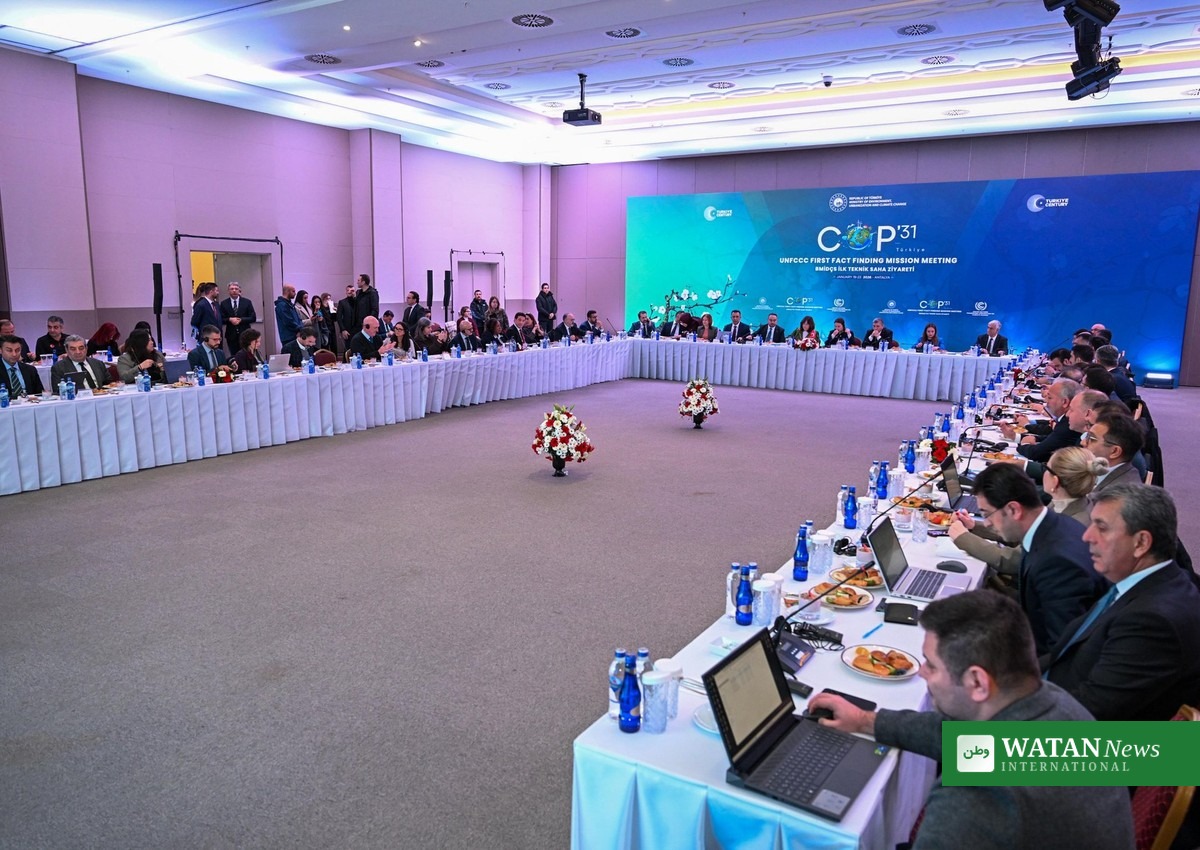
The first week of COP31 closed with clear momentum for concrete action, the COP31 Presidency said on Monday, as more than 100 world leaders gathered in Antalya and more than 100,000 participants registered for a conference on track to become the largest COP ever held.
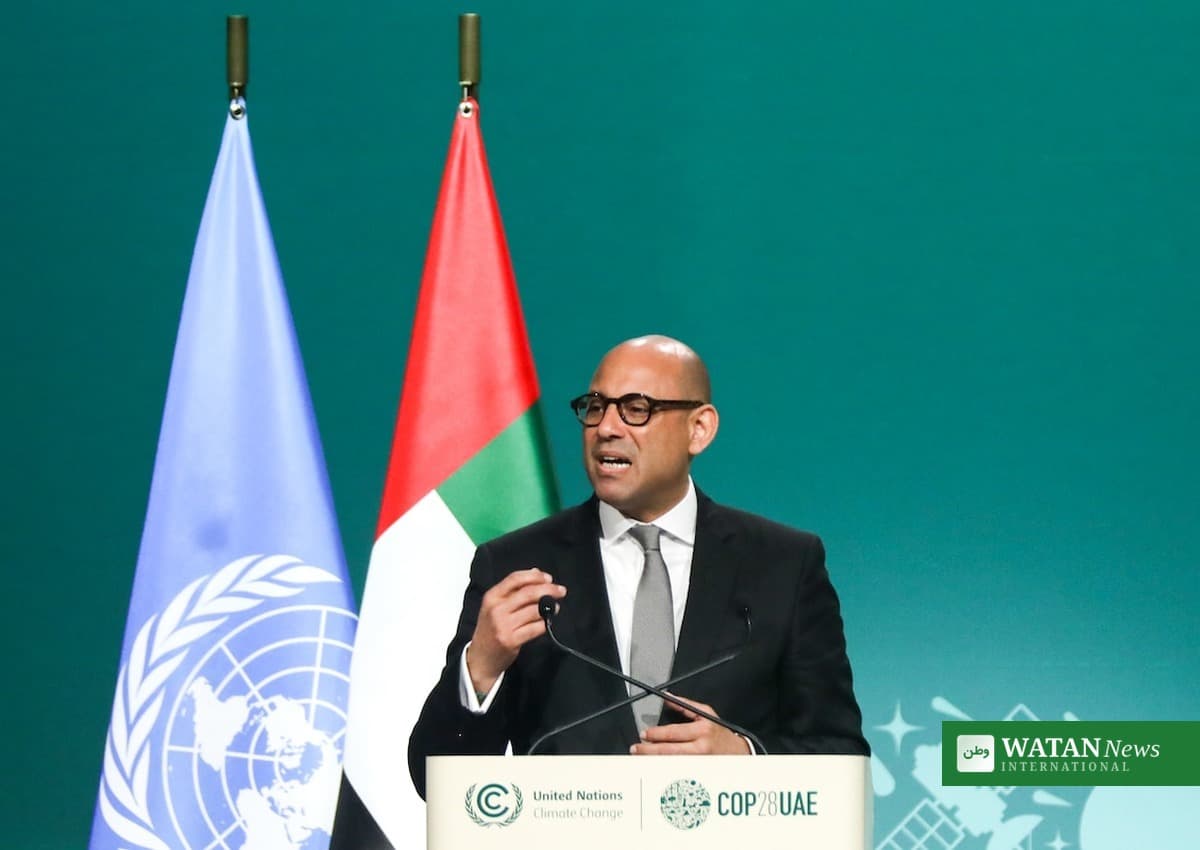
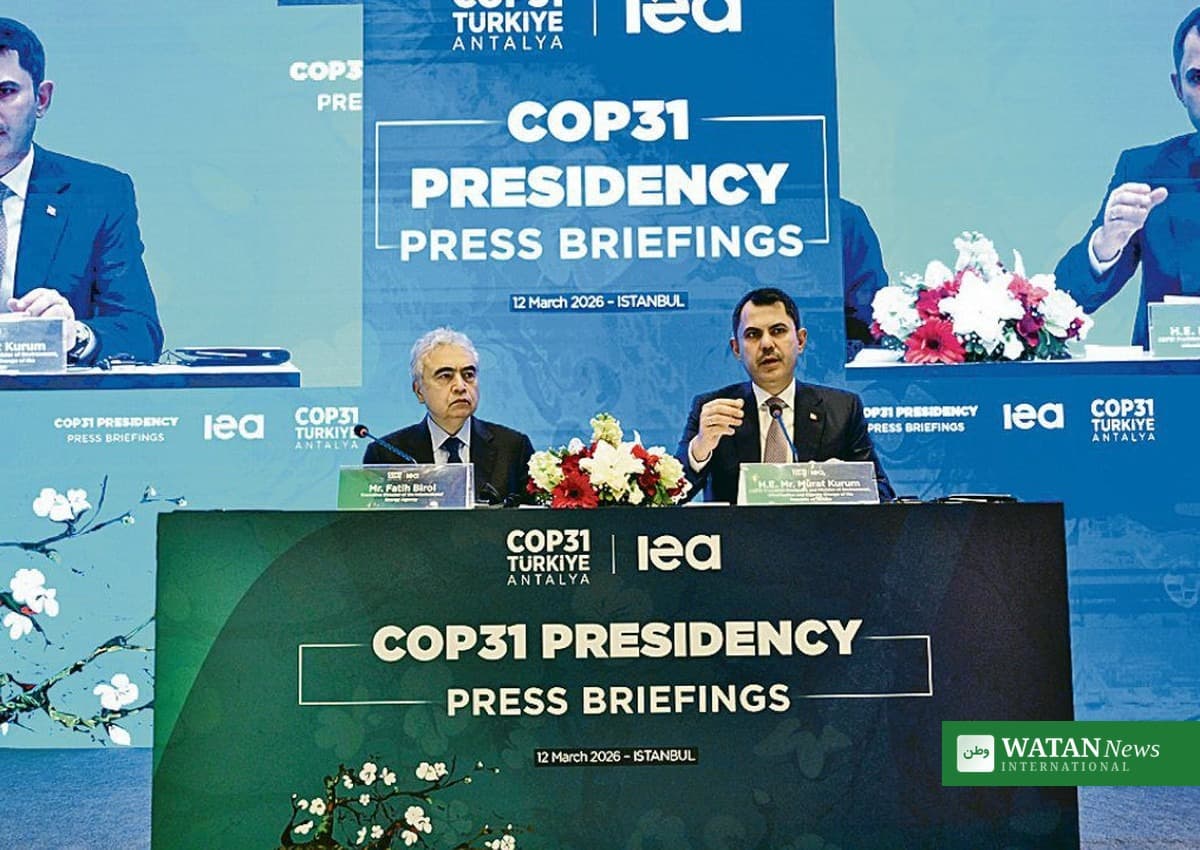
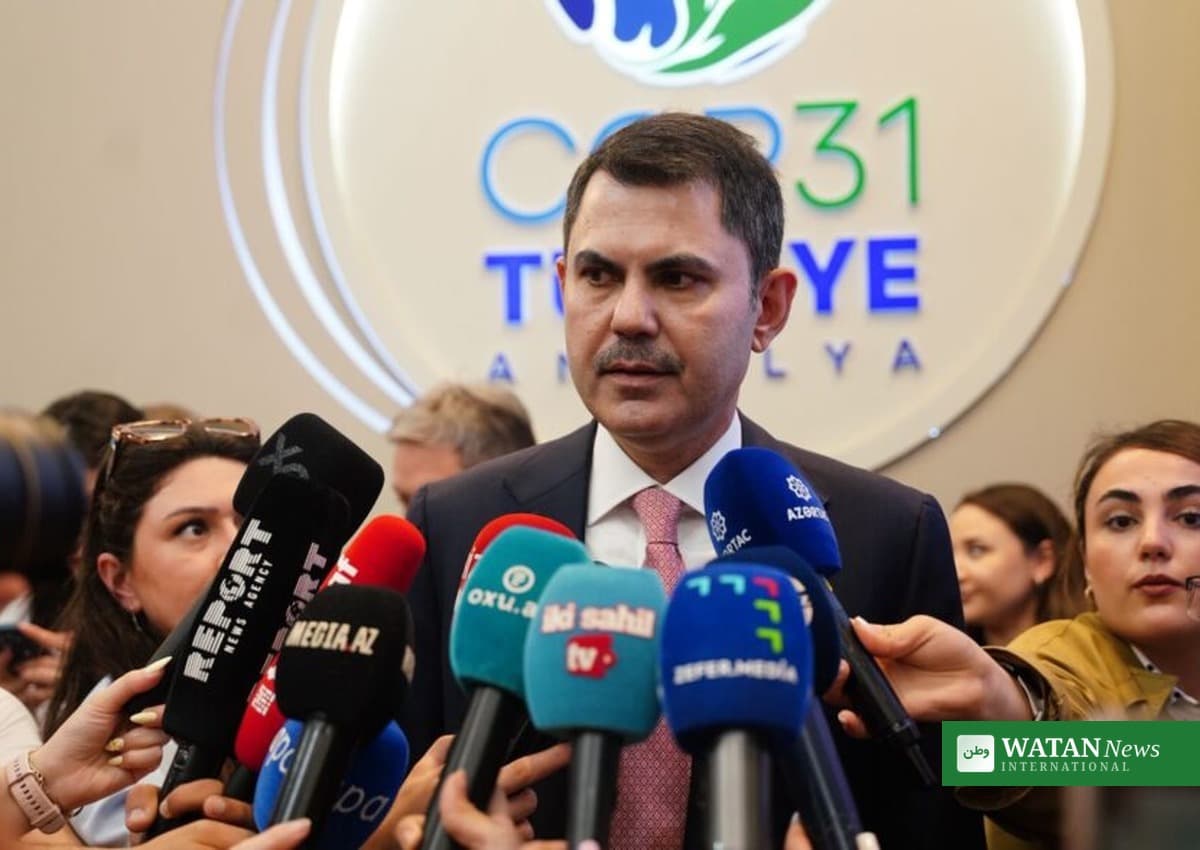
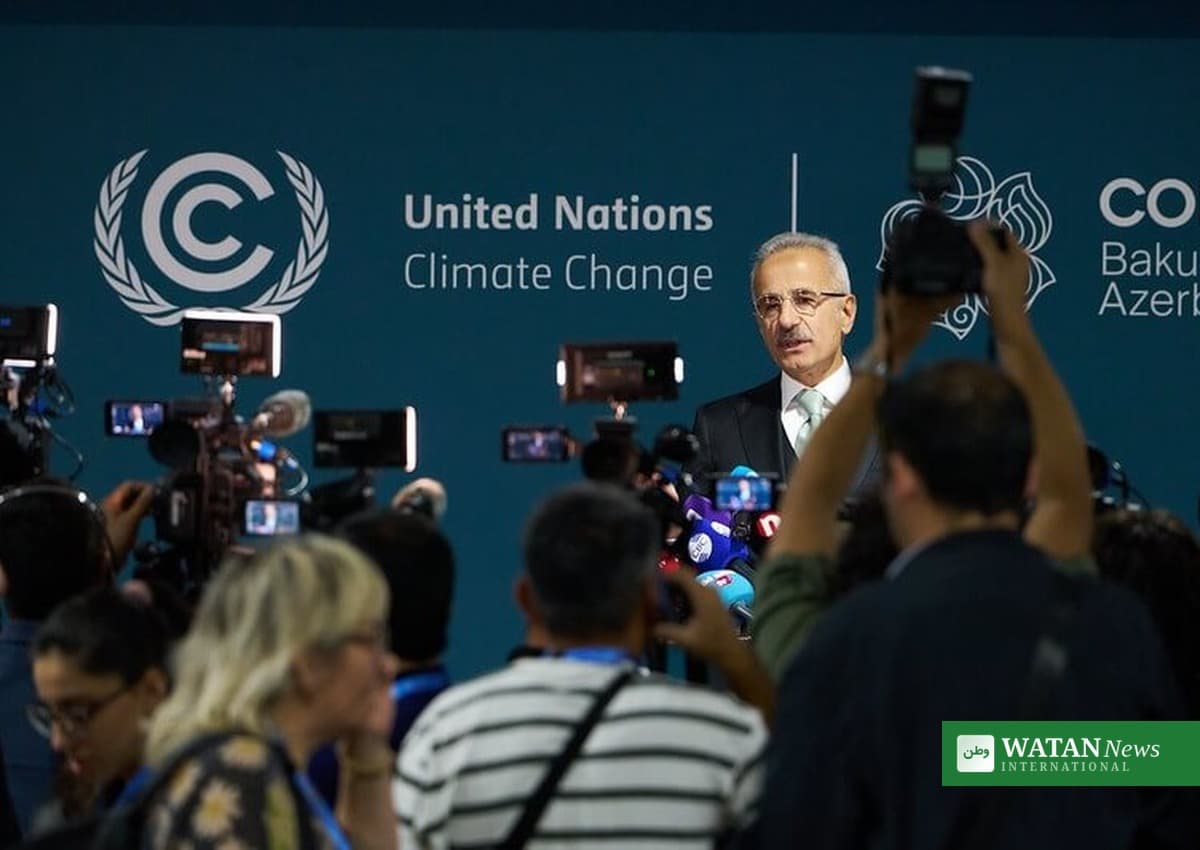
Addressing a press conference at the end of the first week, COP31 President Murat Kurum said the conference had made a strong start. “We have made a strong start during the first five days. We have brought our leaders together, shared our experiences, advanced our negotiations and opened the door to new partnerships. Now we want to crown all these efforts with lasting achievements that will serve the future of humanity.”
Key facts
- More than 100 world leaders attended the Leaders’ Summit on 11 and 12 November.
- More than 100,000 participants have registered for COP31 in Antalya.
- Türkiye signed partnerships for over $26 billion of green investment.
- A new programme will mobilise more than $1 billion for 14 Pacific island communities.
- The International Fund for Agricultural Development announced a $70 million rural climate adaptation bond.
- More than 100 agenda items and around 60 significant mandates are under negotiation.
A leaders’ summit that set the tone
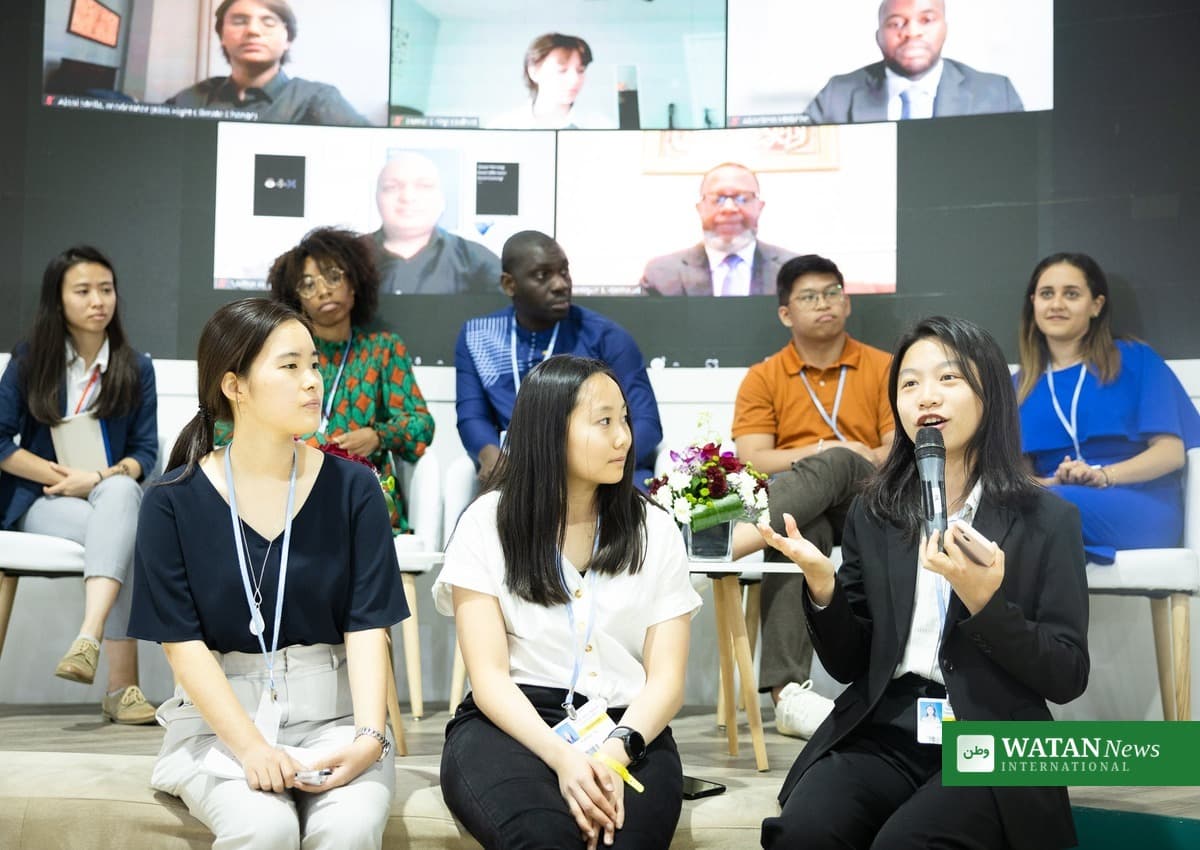
The Leaders’ Summit, held on 11 and 12 November, marked the first major milestone of the conference. Heads of state and government delivered national statements setting out their experiences, targets and challenges, and high-level events covered electrification, implementation, green industrialisation, resilience, zero waste and climate finance, with attention to the priorities of Africa, the Pacific and other regions.
In an address to world leaders during the summit, President Recep Tayyip Erdoğan of Türkiye called for a COP of implementation, focused on translating Paris Agreement commitments into practical solutions through cooperation, multilateralism and contributions from all sectors of society. He also highlighted Türkiye’s own commitment to the green transition through decarbonisation across its economy and efforts to achieve zero waste.
President Kurum set out the shape of the week: “On the first day, we addressed food, agriculture and health, followed by energy and transportation. At the Electrification Forum, we discussed the clean energy transition, while at the COP Business Forum, we assessed the investment potential of the private sector. We have held important gatherings on a wide range of issues from resilient cities and green industry to trade and climate finance. The climate transition is creating opportunities for new technologies, new investments and new jobs.”
Türkiye signs green investment partnerships worth over $26 billion
Türkiye signed partnerships for over $26 billion of green investment during the first week. Türkiye and China signed an agreement for $15 billion in renewable energy. The European Bank for Reconstruction and Development joined REACT and plans to invest $6 billion in Türkiye over five years. Türkiye also signed agreements worth $5.1 billion with development banks.
New money for Pacific islands and rural farmers
Two of the week’s genuinely new announcements reached communities on the front line of climate change. The Asian Development Bank, the Green Climate Fund and the governments of the Cook Islands and Palau launched a programme to mobilise more than $1 billion to support 14 Pacific island communities. The initiative, formally known as the Regional Programmatic Approach for Climate Action, was launched on 11 November, following the Green Climate Fund’s approval of a $250 million grant. It will help Pacific island governments strengthen roads, water supplies, power systems, coastal defences and urban infrastructure against rising seas and increasingly destructive storms, and is expected to reach 3.7 million Pacific Islanders.
The International Fund for Agricultural Development announced a $70 million climate adaptation bond, privately placed with Japanese agricultural cooperative insurer Zenkyoren. Announced at COP31 on 9 November, it is the first global adaptation bond focused on rural communities, opening a channel for private capital to support small-scale farmers to adapt to climate change. Proceeds will help finance the fund’s rural development investments worldwide, supporting climate adaptation for small-scale farmers and more resilient rural economies.
Electrification: 180 companies back the 35-by-35 pledge
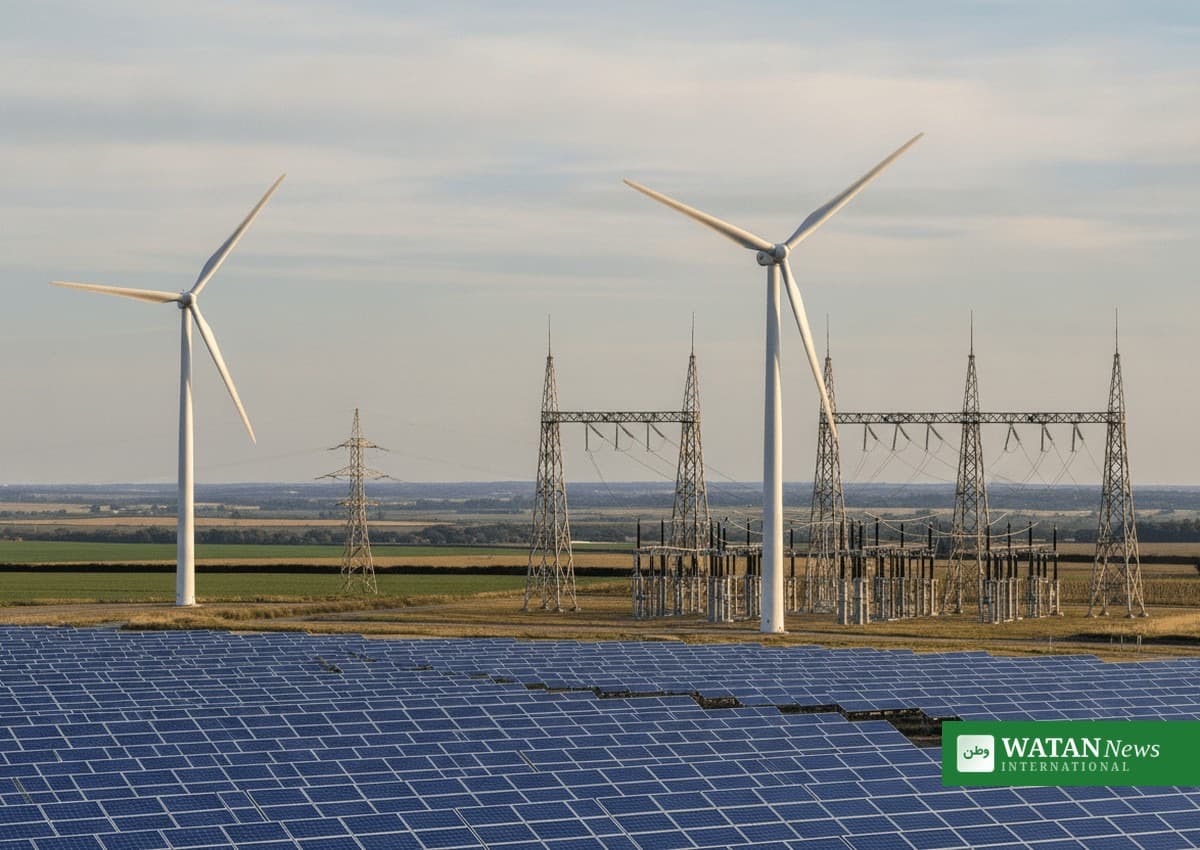
Electrification is a flagship priority of the Presidency, and it is about mobilising a global movement as COP31 ushers in the age of electricity. According to the Presidency, 180 companies with combined annual revenue of $1.69 trillion back electrification, and the International Chamber of Commerce, which represents 45 million companies, backs the 35-by-35 Global Electrification Pledge, which aims to raise electricity’s share of final energy consumption to 35 per cent by 2035.
A utilities alliance has raised its combined investment plans to at least $156 billion a year, meaning its members will mobilise over $1 trillion in the energy transition by 2030. The new Electrify Now Finance Coalition will catalyse funds for electrification, and the Climate Investment Funds are mobilising more than $1.2 billion for clean power, grids, storage and electrification.
The week’s other outcomes in brief
Governments and funds stepped up across all priorities during the week. Norway, Canada and the United Kingdom committed to mobilise $10 billion in climate finance by 2030. Philanthropic partners announced $480 million for action on methane and super pollutants, and $25 million for the Super Pollutant Country Action Accelerator.
The Presidency launched a set of initiatives, including the Climate Implementation Bridge, the Sustainable Urban Resilience Financing Facility and the Istanbul Zero Waste Action platform. Further initiatives address health, agriculture, green industrialisation, and children and youth. The TOBB Business Forum brought 4,000 businesses to Antalya, the largest business forum ever held at a COP, with focus areas including electrification, cities, AI and finance.
Negotiations: more than 100 agenda items, around 60 mandates
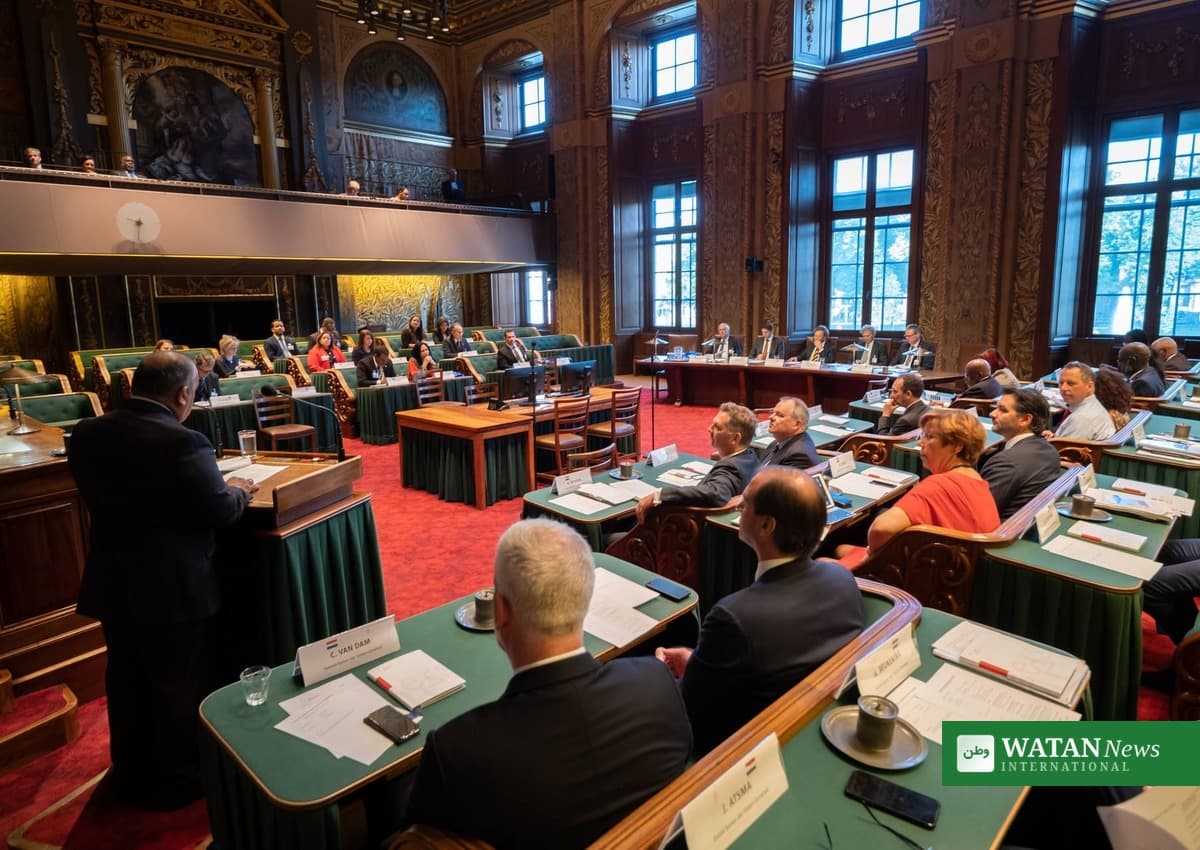
On the negotiations, President Kurum said: “From the very first day we succeeded in adopting our agenda by consensus among all parties. And at the end of the first week, our work is progressing as planned.” He added: “We now face an extremely important week in terms of negotiations. We will intensify our ministerial-level consultations and work hard to translate the issues under consideration by countries into common decisions.”
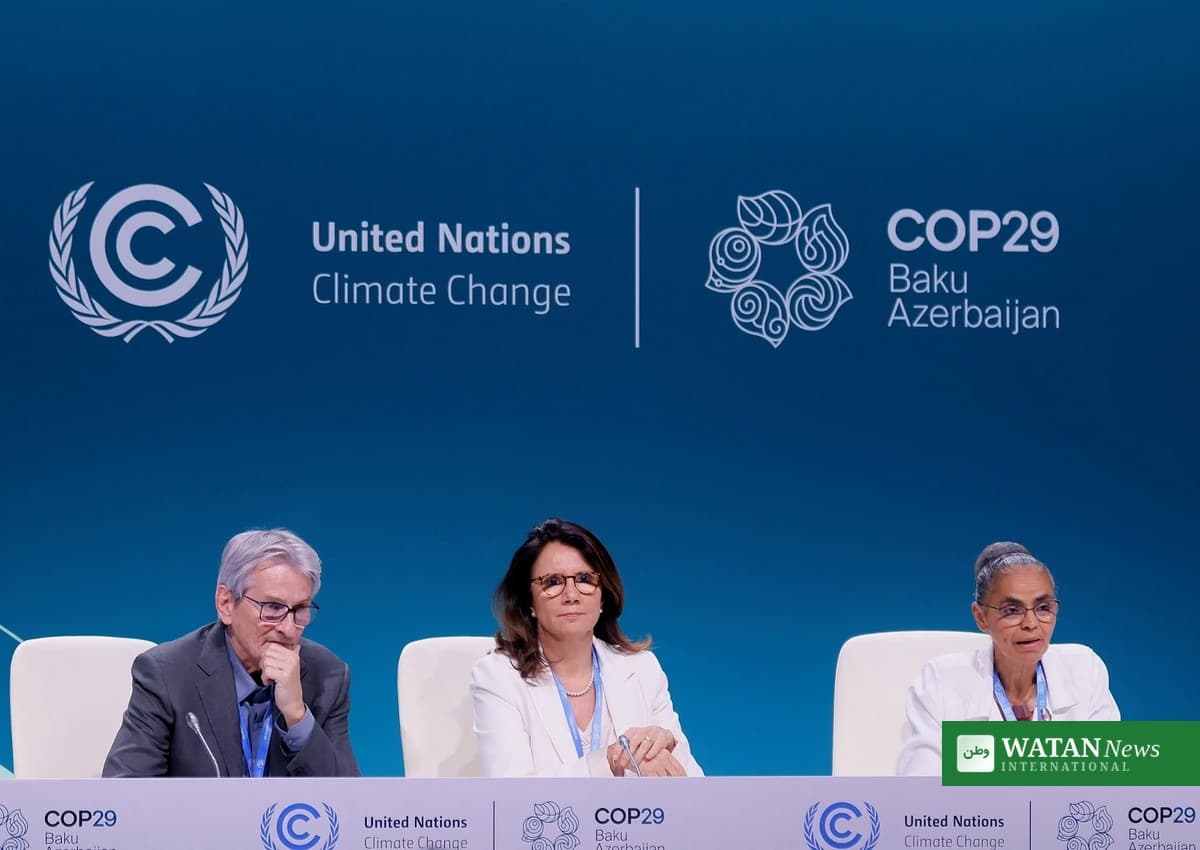
Chris Bowen, COP31 President of Negotiations, said: “The process is open, inclusive and Party-led. A range of ideas and perspectives are on the table, and discussions this week will help shape the draft text this coming week.” He said there are more than 100 agenda items and around 60 significant mandates in play, with adaptation, finance, just transition, mitigation, science, transparency and implementation among the central issues.
The Presidency has published a summary of Parties’ views on the Presidency-initiated decision. The summary reflects discussions to date and is intended to help guide further engagement by Parties. It is not a negotiating text. The Presidency expects to release an initial draft early next week to support the next phase of discussions.
Not all observers share the Presidency’s assessment. WWF said on 14 November that the first week had advanced a few steps, but governments must go further and faster, warning that finance for developing countries is still lagging and that any electrification pledge must be powered by renewables to be credible.
What comes next
Week two opens with ministerial-level consultations, a first assessment document reflecting the views of the parties, and the Presidency’s aim of delivering a strong political outcome from Antalya. As President Kurum put it: “Our objective is clear. We will turn commitments into decisions that make a real difference in people’s lives.”