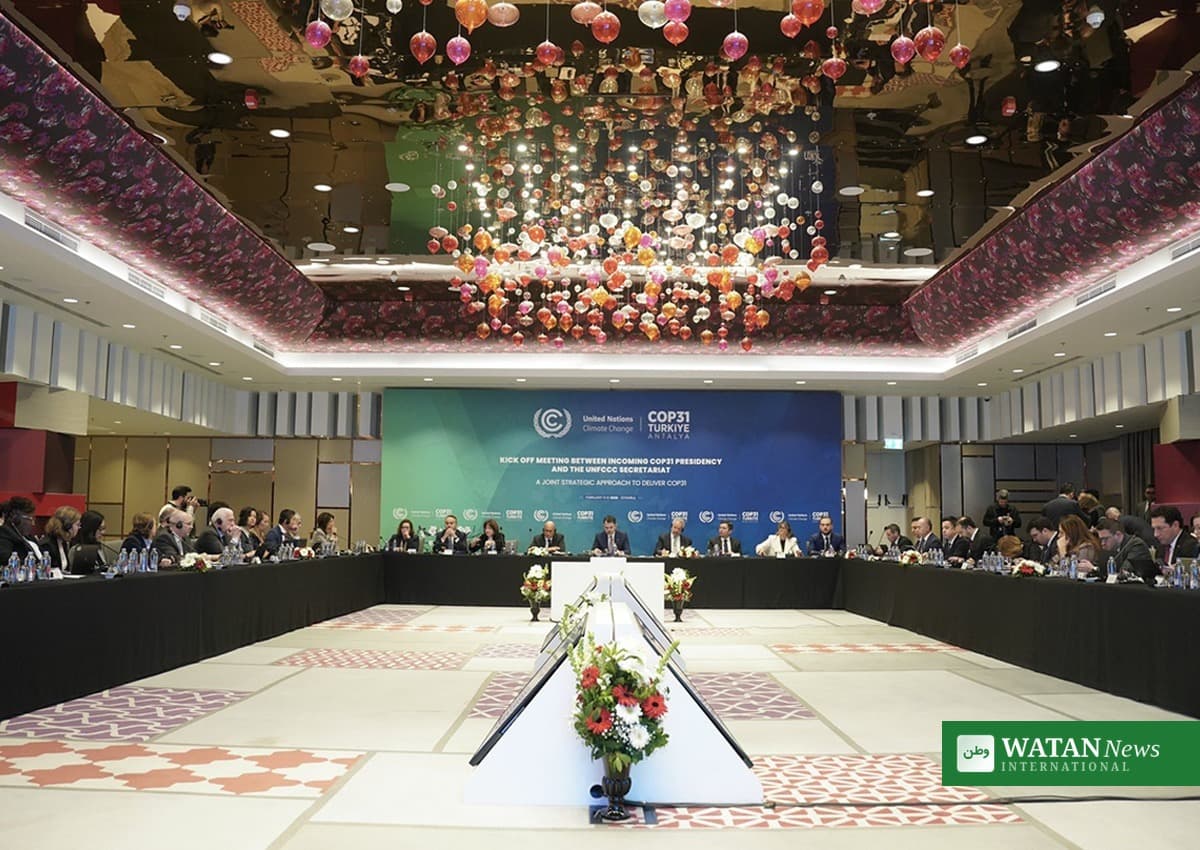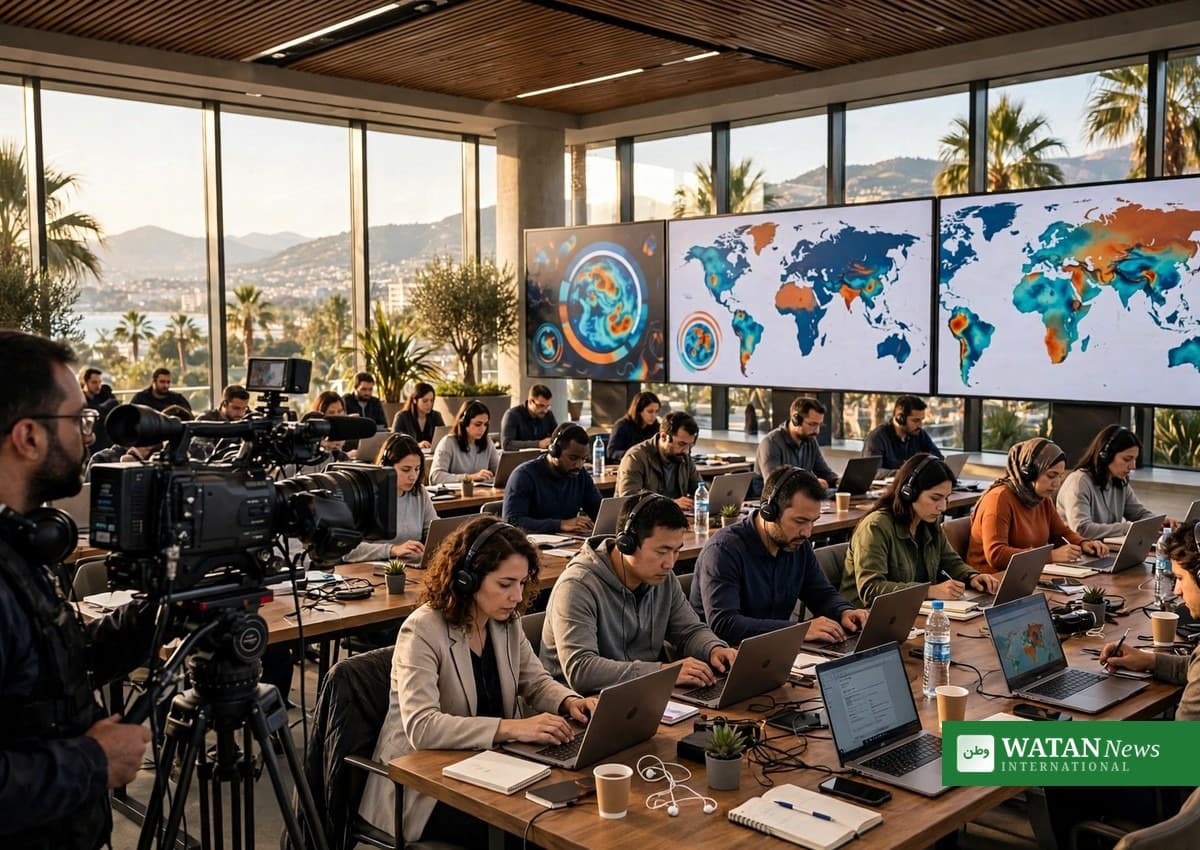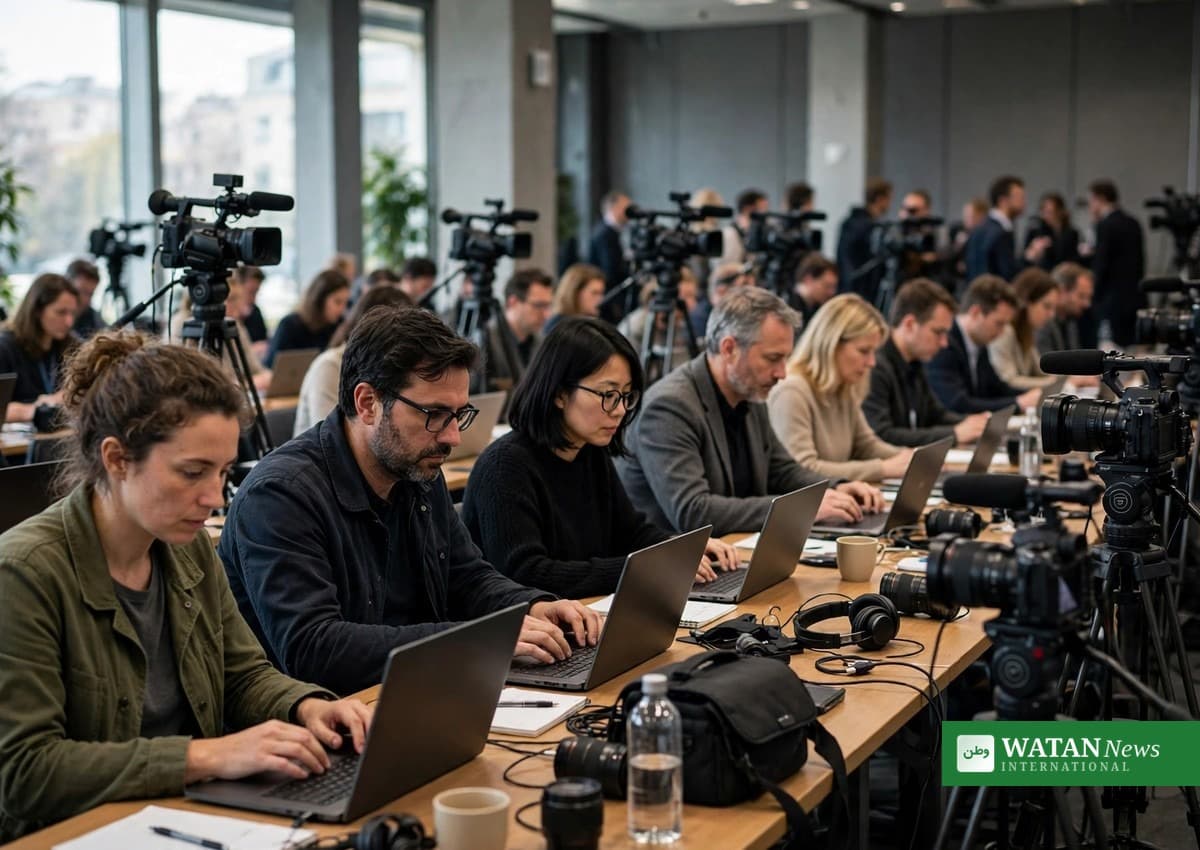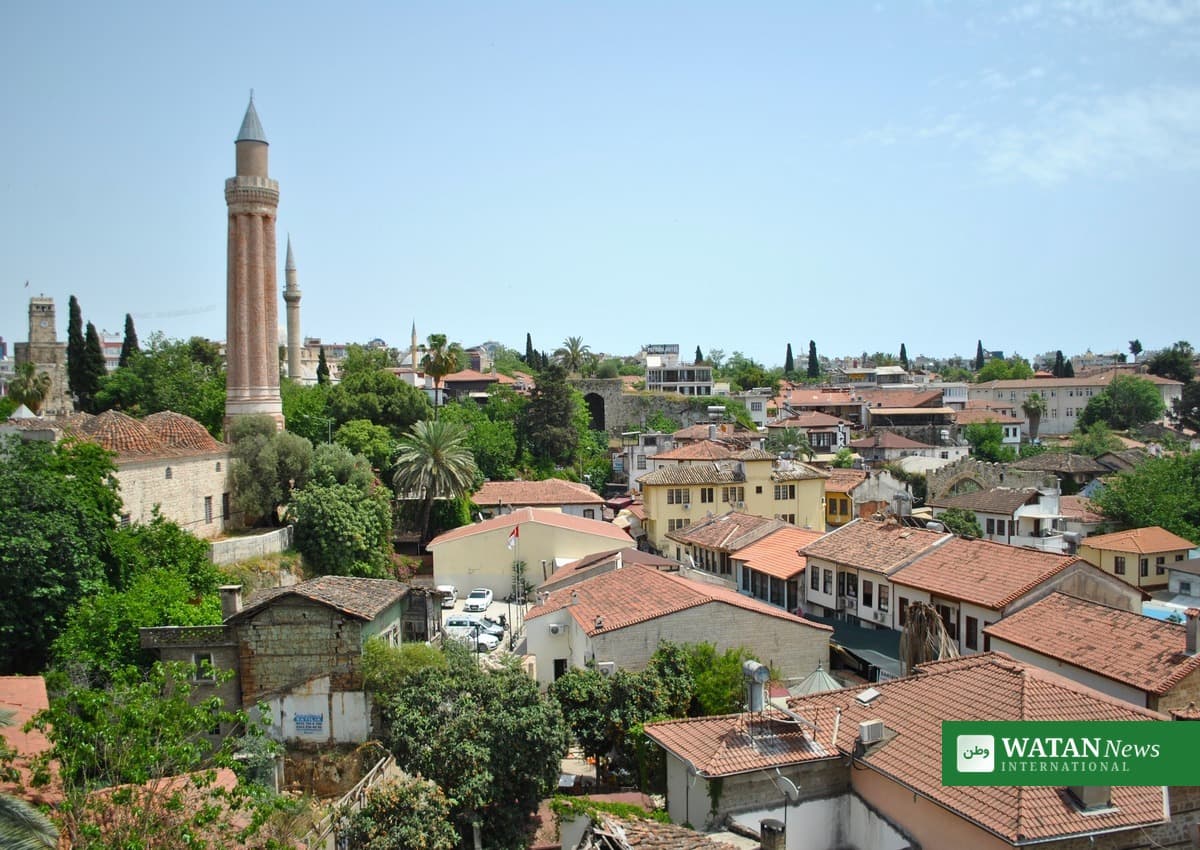
World leaders at the COP31 climate conference in Antalya have agreed that climate action will only succeed if it reaches people’s homes, putting housing, resilient cities and energy-efficient buildings at the centre of the global climate agenda.
The message came from a high-level dialogue on urban resilience, adaptation and climate action held on 12 November, convened by the COP31 Presidency of Türkiye and UN-Habitat. More than 1,000 people took part, including heads of state and government, mayors and climate finance leaders, as more than 100 national leaders gathered on the second day of the COP31 Leaders’ Summit.
Housing at the centre of the talks
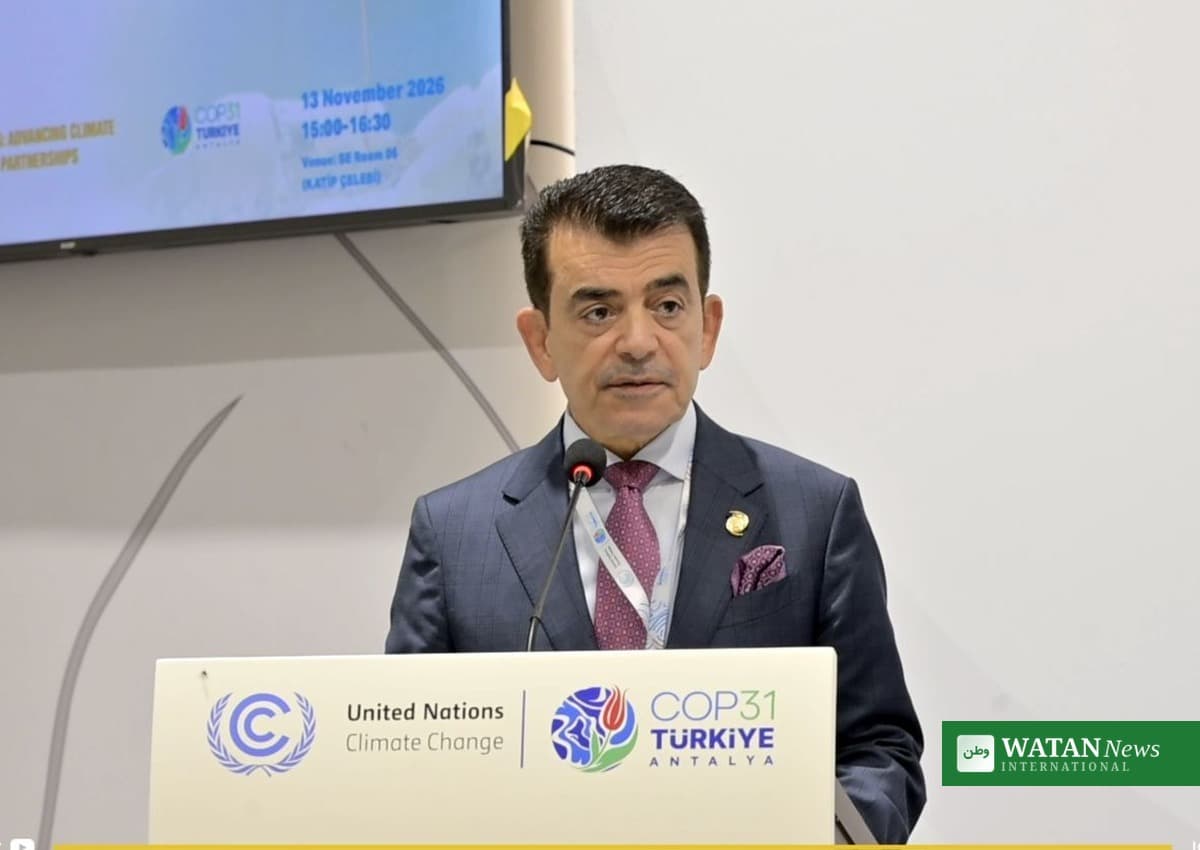
“A national climate plan only becomes real when it reaches people’s homes and neighbourhoods – that means unified efforts across all levels of government and investing in housing that protects families from floods and extreme heat and ensuring local services continue to function during climate-related disasters,” said Anacláudia Rossbach, Executive Director of the UN Human Settlements Programme (UN-Habitat).
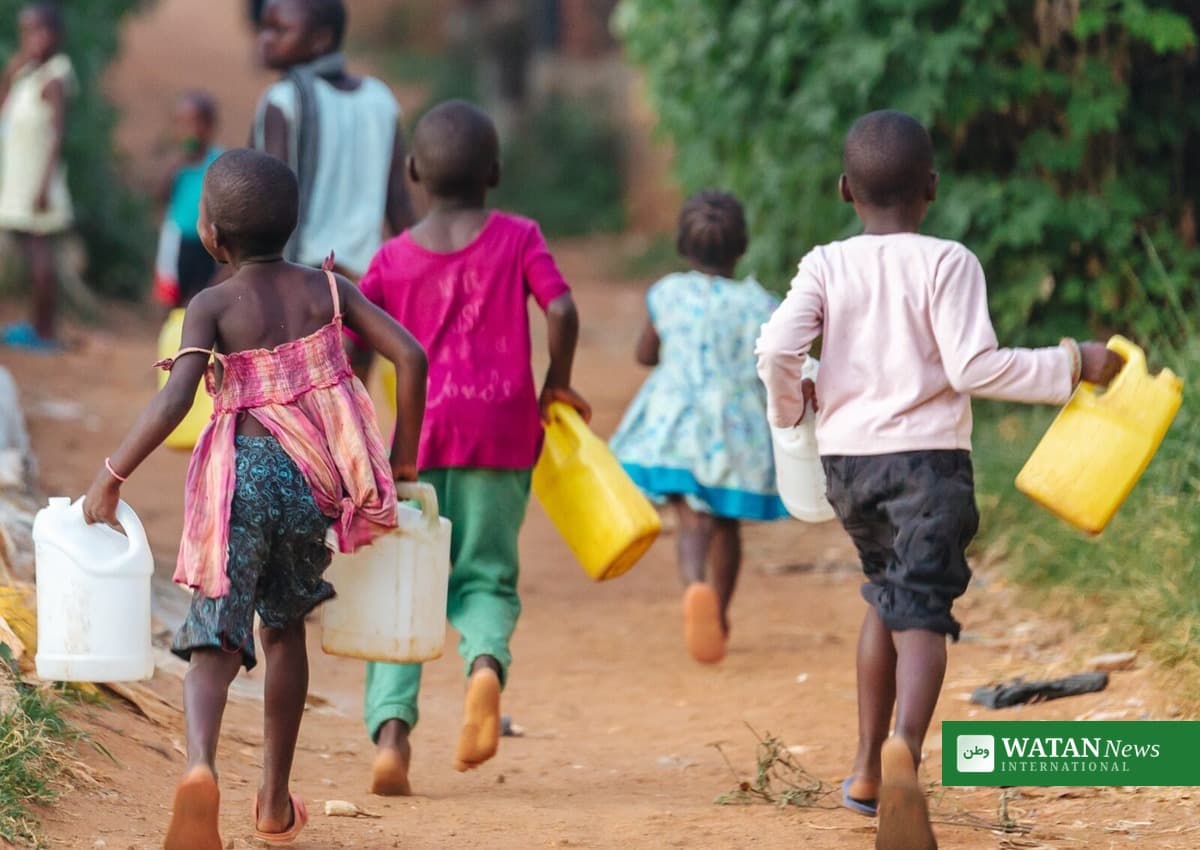
According to UN-Habitat, nearly 3.4 billion people lack access to adequate housing, more than 1.1 billion live in slums and informal settlements, and over 300 million are homeless. More than half of the world’s population lives in urban areas, and that share is expected to grow further by 2050.
“From heads of state to mayors, there was unanimous agreement at today’s high-level discussions: climate commitments will only succeed if they translate into real improvements in people’s daily lives,” Rossbach added. “UN-Habitat is working with governments to turn climate commitments into action, with particular attention to the many people living in slums and informal settlements worldwide.”
Cities are already in the climate plans
UN-Habitat’s analysis of 142 national climate plans found that 80 per cent contain well-developed urban measures, compared with 50 per cent in the previous round of plans. The dialogue’s outcome document, the Chair’s Summary, said implementation of the Paris Agreement depends on action across all levels of government, and named adequate housing, upgrading informal settlements, municipal infrastructure and access to essential services as priorities for building resilience and improving people’s lives.
The summary also said this progress must now be matched by institutional capacity, access to finance and stronger coordination between national and local governments. Türkiye’s Sustainable Urban Resilience Financing Facility, developed with UN-Habitat and the World Bank, was highlighted as an example of how countries can help cities access financing and technical support and prepare climate projects. Participants also cited the Sustainable Urban Resilience for the Next Generation initiative, the Coalition for High Ambition Multilevel Partnerships for Climate Action and the Baku Continuity Coalition as avenues for continued cooperation.
Efficient buildings get a COP31 push

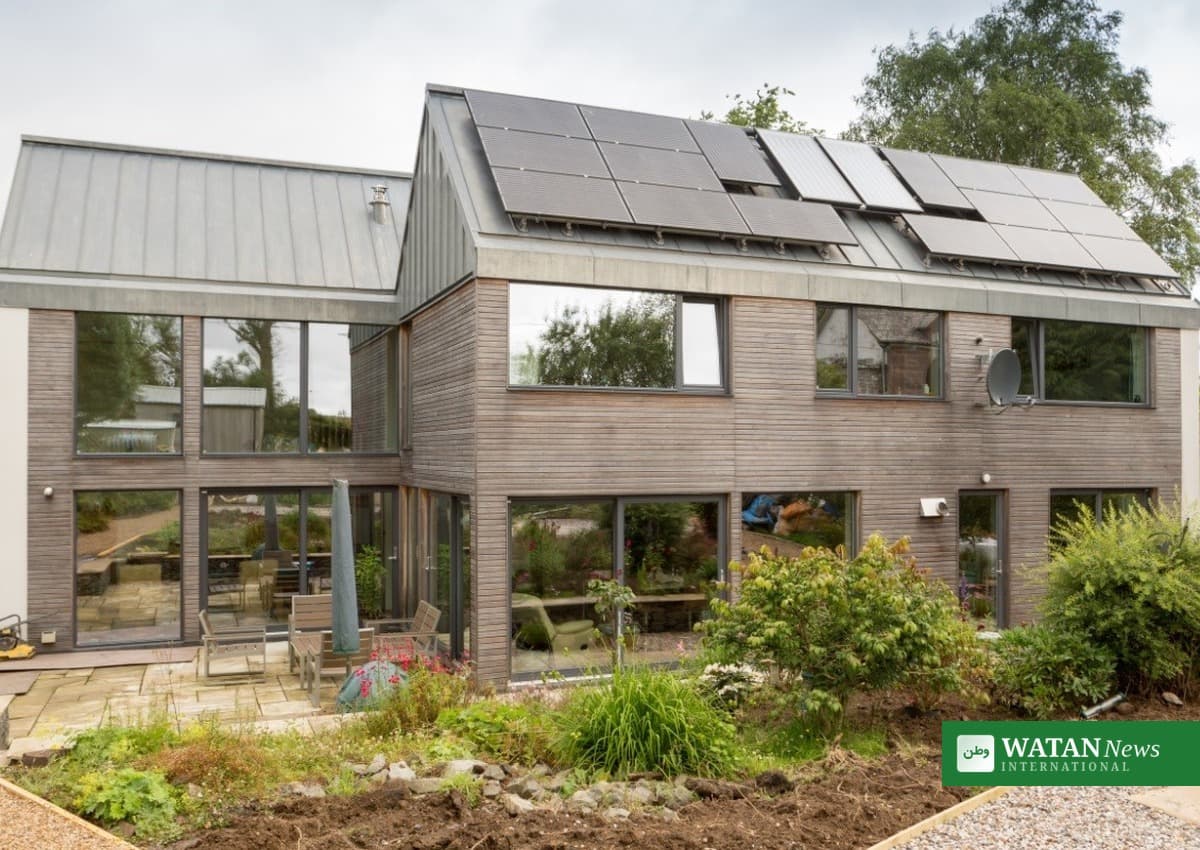
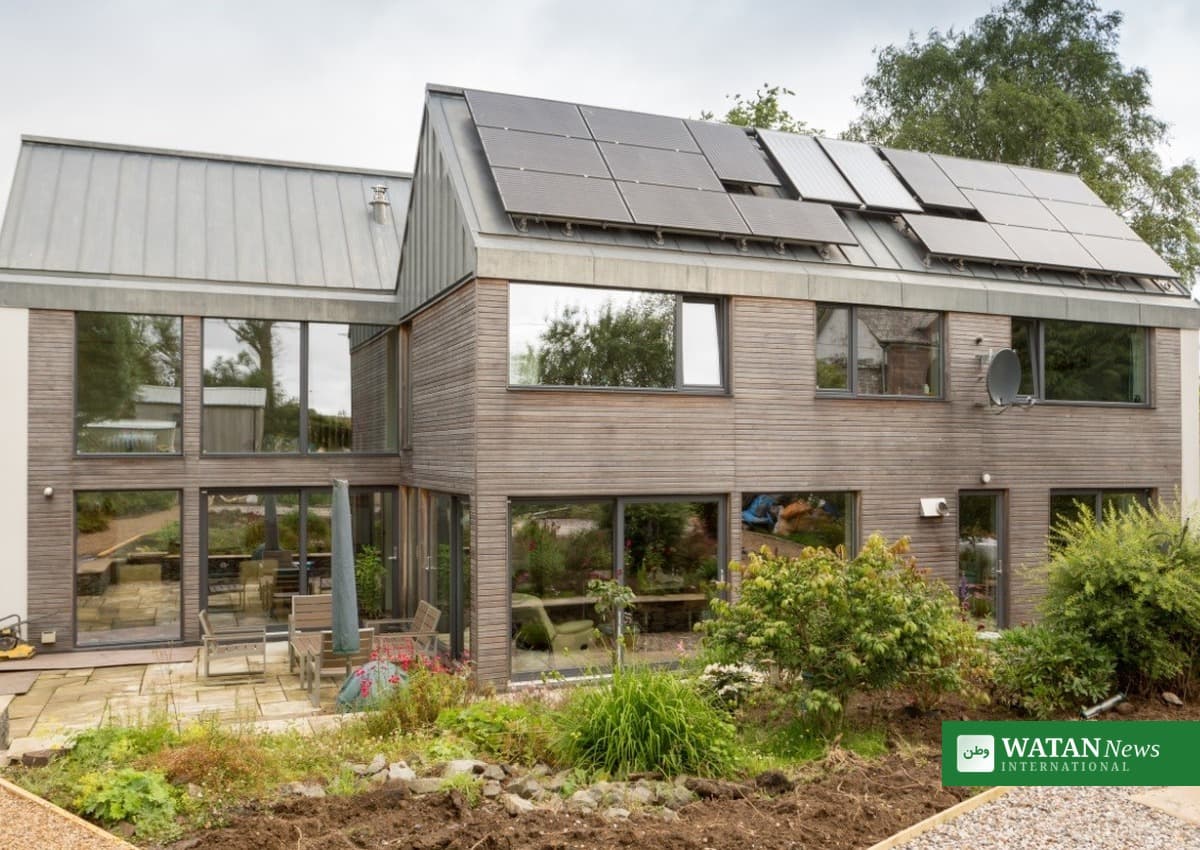
At the Leaders’ Summit, countries endorsed the Antalya Compact for Energy Efficient Buildings, which aims to accelerate the shift to efficient and electrified buildings worldwide. The Compact was first announced before the conference; its endorsement at the summit supports two COP31 Presidency targets for 2035: cutting the operational energy intensity of the global building stock by 25 per cent, and accelerating efficient electrification in buildings under the Presidency’s 35-by-35 target, which aims to raise electricity’s share of global final energy consumption from about 23 per cent to 35 per cent by 2035.
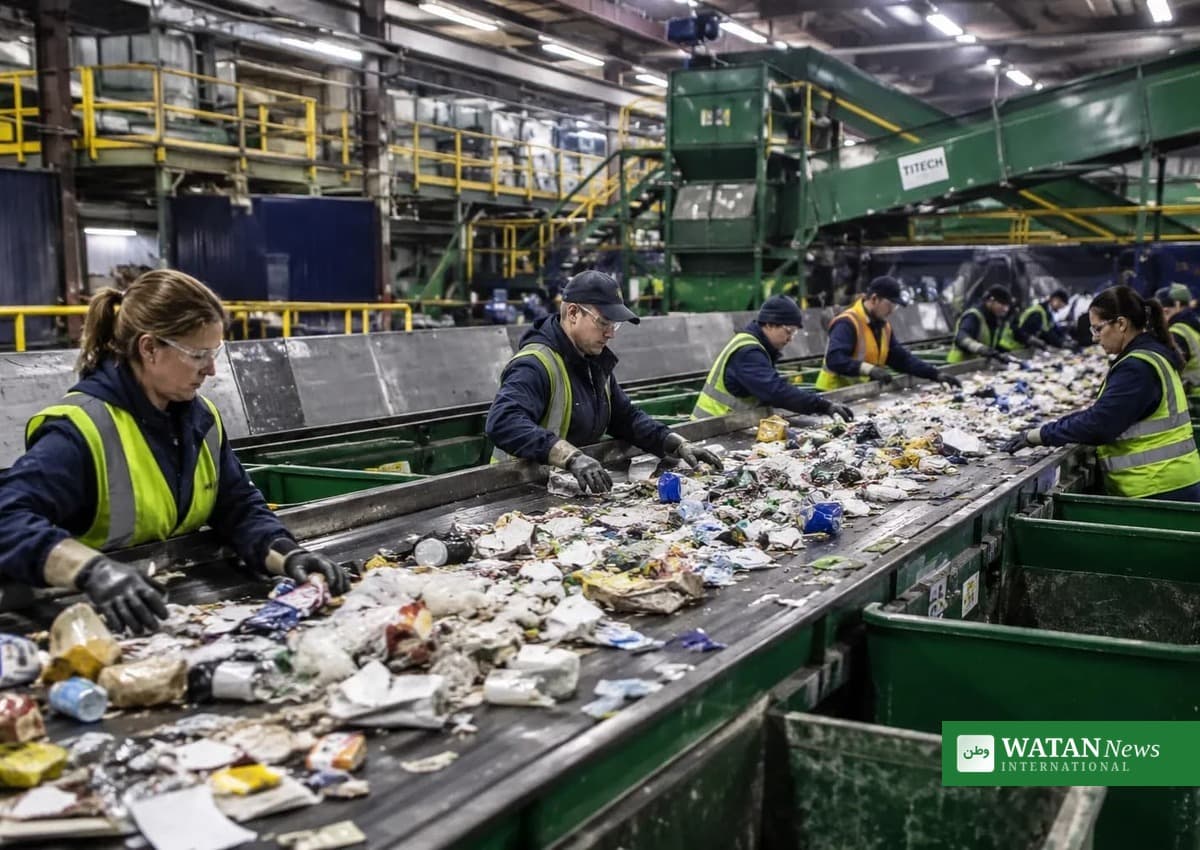
Six leading sustainable building projects from around the world were recognised at the summit, selected through two international competitions organised by Türkiye with support from the UN Environment Programme-hosted Global Alliance for Buildings and Construction, in coordination with the Intergovernmental Council for Buildings and Climate. The Istanbul Zero Waste Action Platform is also advancing waste reduction, reuse, repair and recycling through international Zero Waste Districts, starting with 20 districts and aiming to expand to 100.
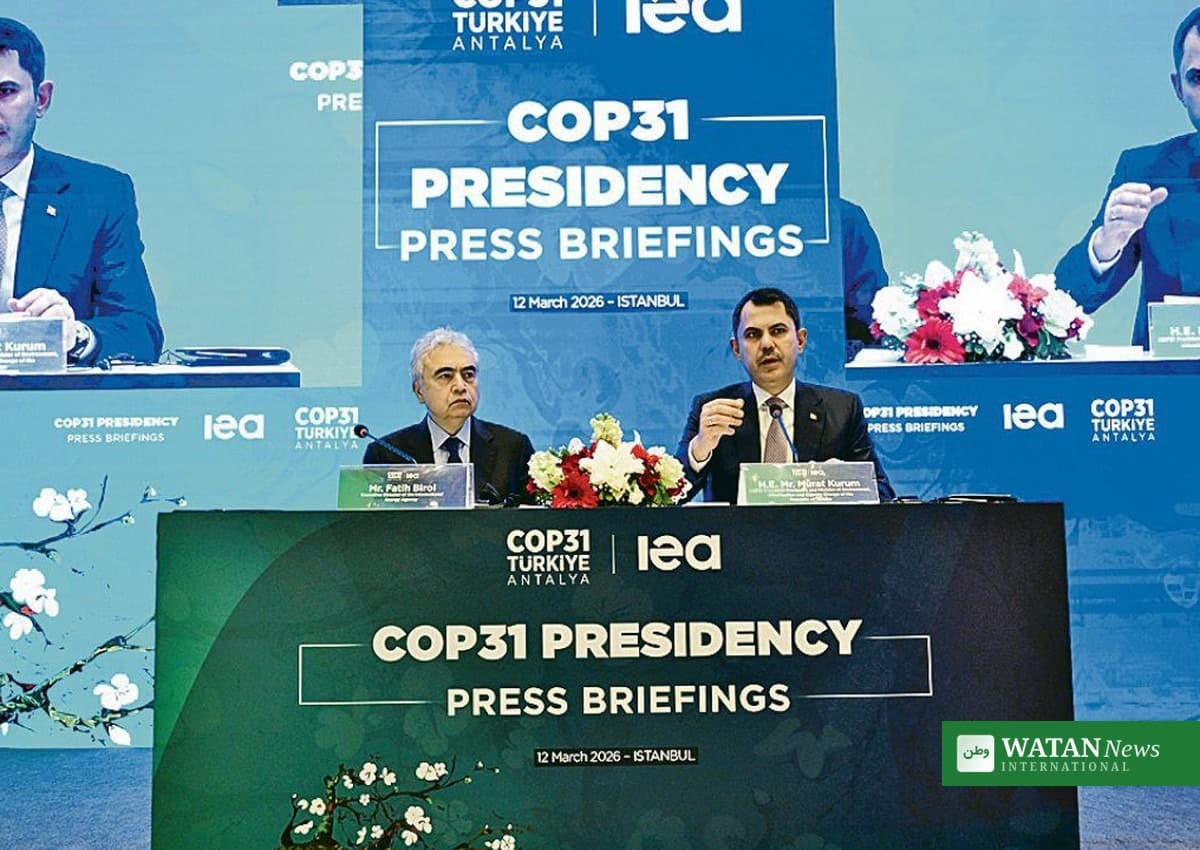
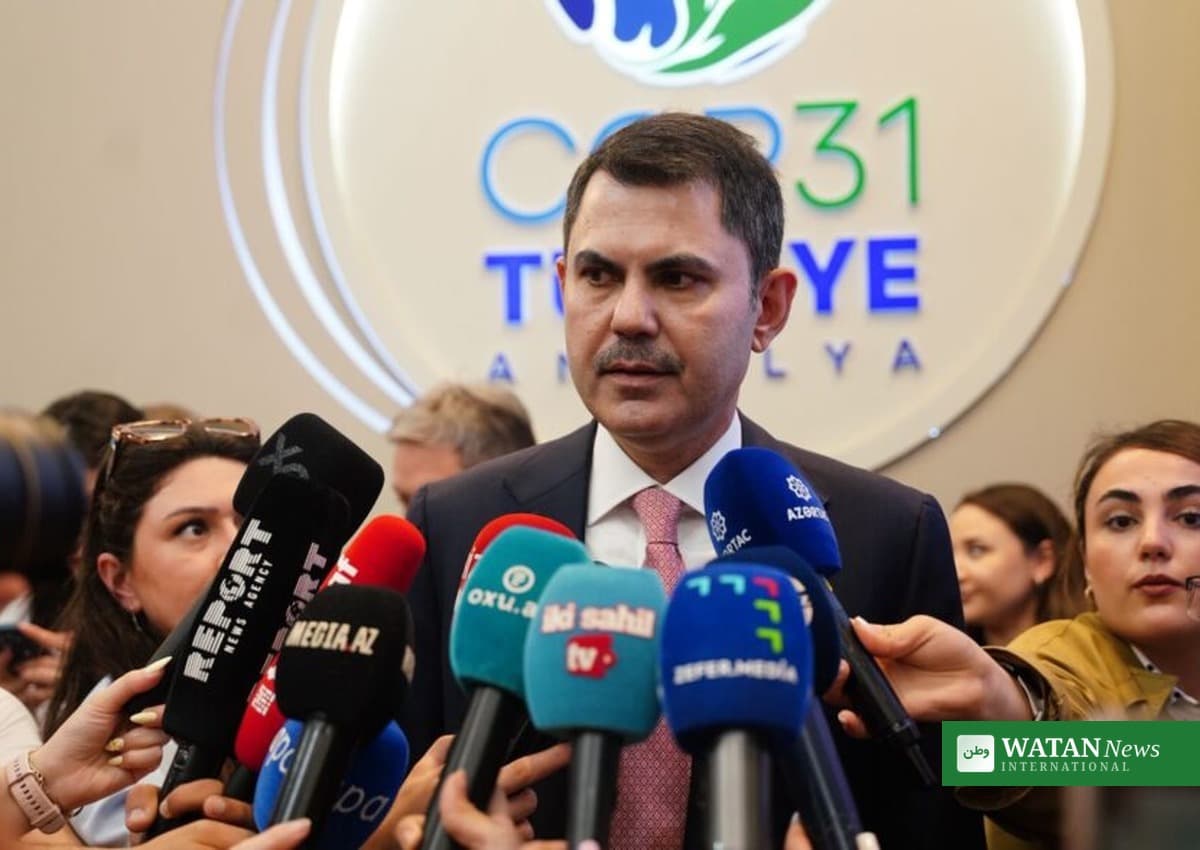
Inger Andersen, Executive Director of the UN Environment Programme, welcomed the Compact, describing it as an important step towards making energy-efficient and resilient buildings a global standard, and urged governments to turn commitments into policies, investment and practical solutions that reduce emissions and lower energy bills. COP31 President Murat Kurum said cities were at the centre of climate implementation and that action must deliver tangible benefits where people live. Tariye Gbadegesin, chief executive of the Climate Investment Funds, said countries had clear plans for strengthening resilience but needed catalytic financing to implement them at scale.
What happens next
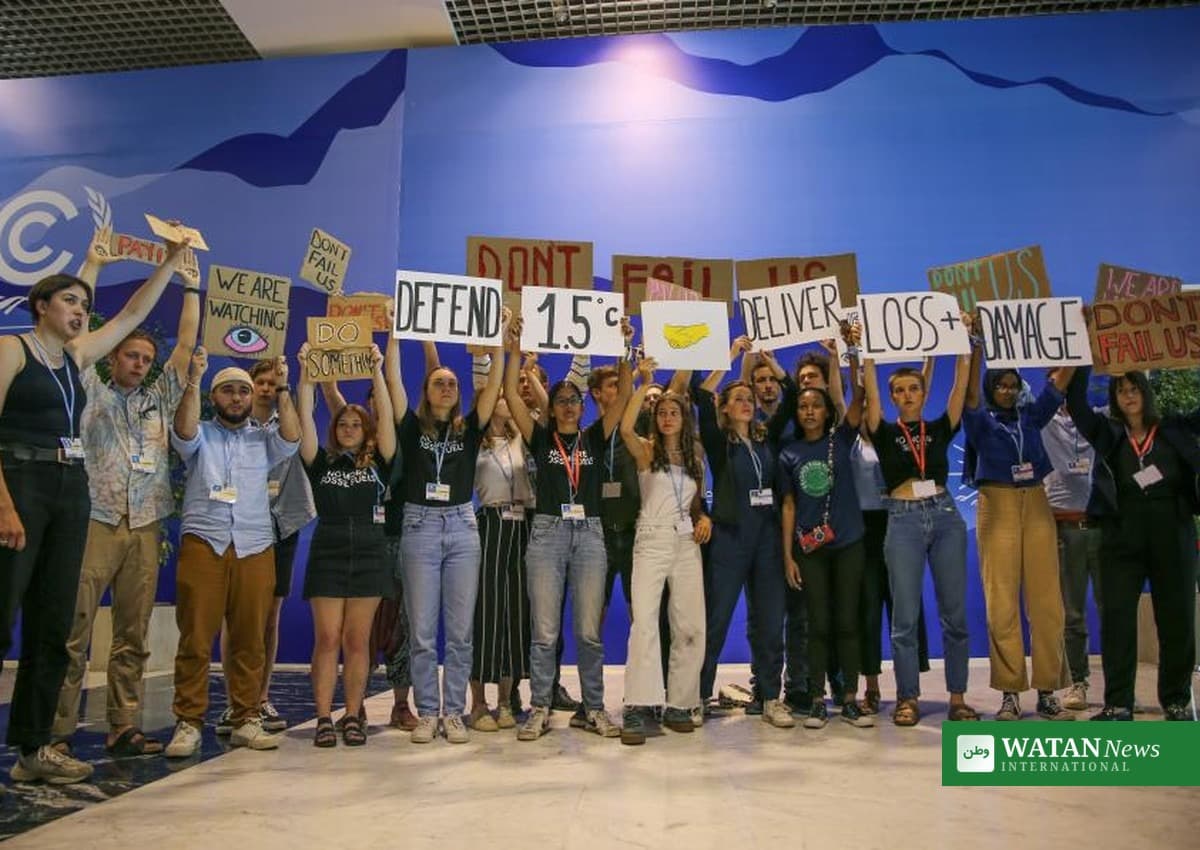
The dialogue’s conclusions land as COP31 moves into its second and final week of negotiations, which run until 20 November. On Saturday, UN climate chief Simon Stiell urged negotiators to move swiftly to the hardest issues and to avoid tactical delays, as the Presidency released a summary of reflections on the proposed cover decision, including options to advance the transition away from fossil fuels, recognise the role of forests and oceans, and respond to the urgency of overshooting the 1.5°C limit.
The Intergovernmental Panel on Climate Change is due to publish its first-ever Special Report on Climate Change and Cities in March 2027, providing new scientific evidence to guide urban decisions. COP32, to be held in Ethiopia, will offer a chance to assess progress in financing, coordination and the delivery of projects that protect vulnerable urban communities.
Read more: COP31 Week Two in Antalya: Science, Nature and the Final Push — the Events to Watch
Key facts
- Dialogue: High-Level Dialogue on Urban Resilience, Adaptation and Climate Action, held on 12 November 2026 in Antalya and convened by the COP31 Presidency of Türkiye and UN-Habitat, with more than 1,000 participants
- Housing gap: nearly 3.4 billion people lack access to adequate housing; more than 1.1 billion live in slums and informal settlements; over 300 million are homeless
- Cities in climate plans: 80 per cent of 142 national climate plans contain well-developed urban measures, up from 50 per cent in the previous round
- Antalya Compact: endorsed at the COP31 Leaders’ Summit; supports a 25 per cent cut in the operational energy intensity of the global building stock by 2035, and six leading sustainable building projects were recognised
- Next steps: the IPCC Special Report on Climate Change and Cities is due in March 2027; COP32 in Ethiopia will assess progress
Conclusion
COP31 has put the places where people actually live at the centre of climate action. The test in the second week of negotiations — and in the years to COP32 — is whether the housing, finance and building commitments made in Antalya turn into safer homes and stronger cities.