Antalya, Türkiye — At COP31 in Antalya, housing experts have put the homes people already live in at the centre of the climate debate, arguing that strengthening and upgrading existing houses — instead of demolishing them and building new ones — could save up to 4.8 billion tonnes of carbon dioxide while making more than 268 million inadequate homes safe and resilient.
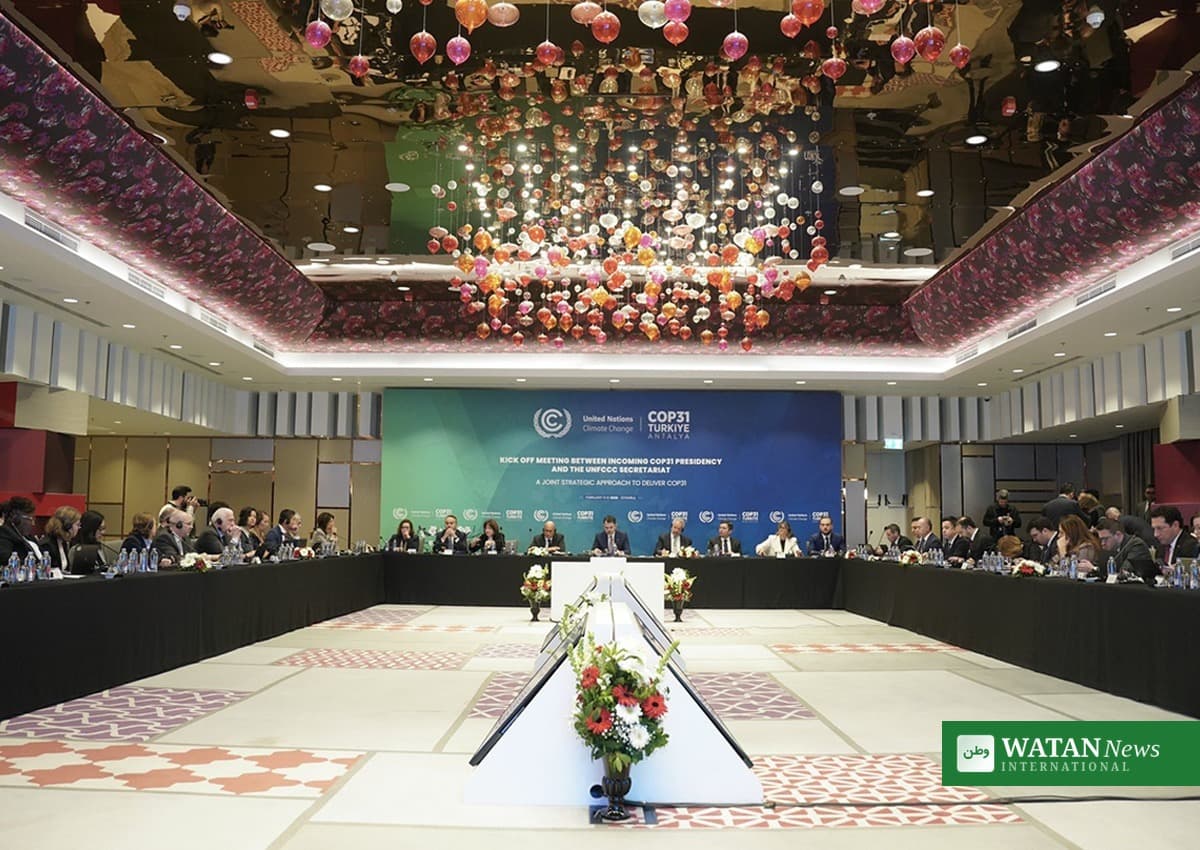
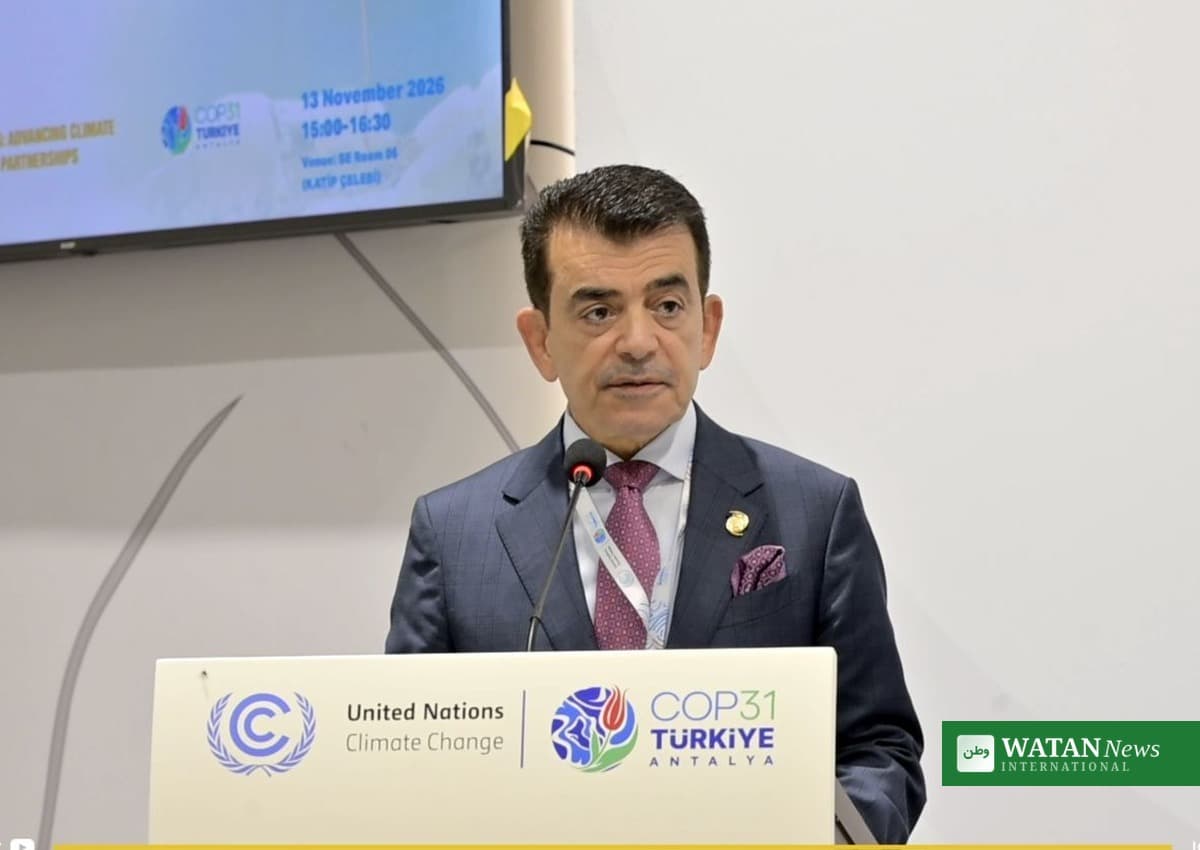
The message came from the Sustainable Construction Talks, a new edition of Saint-Gobain’s Sustainable Construction Observatory dialogue held on 13 November in Belek, Antalya, alongside COP31, under the theme “Resilience in the Balance: Navigating Tensions and Trade-offs Across the Built Environment”.
Key facts
- Housing accounts for around 17 per cent of global carbon dioxide emissions every year.
- Upgrading existing homes instead of rebuilding them could save up to 4.8 billion tonnes of CO2, according to Build Change research.
- More than 268 million homes worldwide are inadequate and need improvement.
- Improving a house instead of building a new one saves about two-thirds of the embodied carbon — around 18 tonnes of CO2 per home.
- Retrofitting costs roughly 23 per cent of building a new home.
- COP31 has set a target to cut energy intensity in the building sector by at least 25 per cent by 2035.
The talks in Antalya
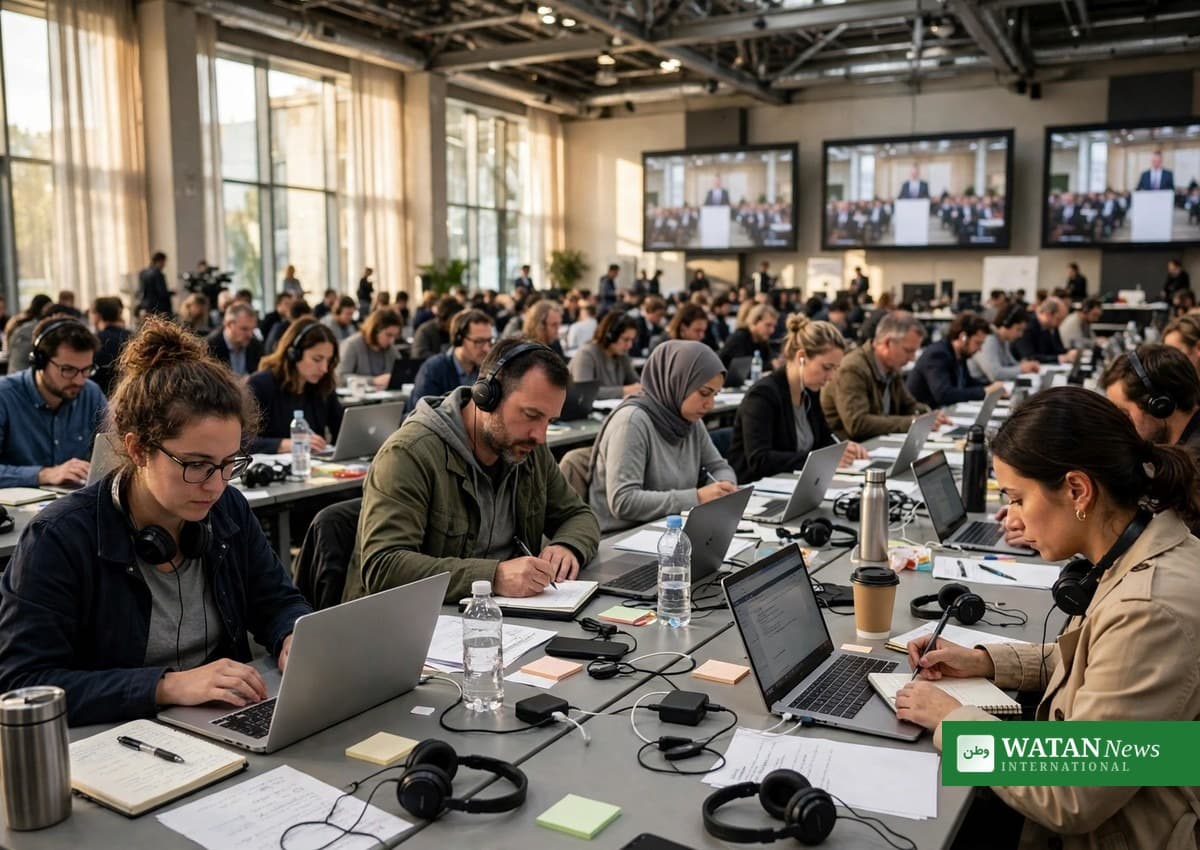
The talks brought together construction leaders, policymakers and finance players to discuss how the built environment can withstand a changing climate. Build Change, the global non-profit working on resilient housing, took part through its Senior Vice President for Global Programs and Business Development, Noll Tufani.
“Sustainable construction has to include the homes people already live in,” Build Change said after the session. “Housing accounts for around 17% of global emissions every year. Yet the existing homes most exposed to extreme heat, floods and storms are still left out of most building agendas.”
The session also presented the 2026 Sustainable Construction Barometer, Saint-Gobain’s annual survey of the construction sector, and asked a pointed question of negotiators and governments: should strengthening existing homes count toward national climate targets?
Why the homes already built matter most
According to Build Change, most of the homes that will exist in cities by 2050 have already been built. That makes the existing housing stock — not only new construction — the decisive ground for cutting emissions from buildings.
Its research, published in “Saving Embodied Carbon Through Strengthening Existing Housing” and based on 335 built projects in six countries — Colombia, Haiti, Honduras, Nepal, the Philippines and Sint Maarten — found that improving a house instead of building a new one saves about two-thirds of the embodied carbon of an equivalent new house, on average around 18 metric tons of carbon dioxide per home. Applied worldwide, the study estimates an opportunity to save 4.8 gigatonnes of CO2 while addressing the more than 268 million inadequate houses globally.

Retrofitting is also far cheaper than rebuilding: Build Change puts the cost at roughly 23 per cent of new construction, while the upgraded home gains protection against earthquakes, storms and extreme heat. The World Economic Forum, reporting the same study, has called tackling embodied carbon in housing “a major emissions reduction solution hiding in plain sight”.
What COP31 has already decided for buildings
The retrofit message lands in a COP31 that has given buildings and cities unusual prominence. For the first time, the COP31 Presidency integrated a Resilient Cities and Built Environment Day into the Leaders Summit, on 12 November, and the presidency has set a target of reducing energy consumption intensity in the building sector by at least 25 per cent by 2035, alongside its flagship “35 by 35” electrification target — raising electricity’s share of final energy demand from just over 20 per cent today to 35 per cent by 2035.
COP31 President Murat Kurum has said climate action must deliver tangible benefits where people live, “including safer communities, energy-efficient homes, stronger infrastructure and improved protection against climate impacts”. The Antalya Compact for Energy Efficient Buildings, endorsed at the summit, carries the same goals into implementation. Read more: Antalya Compact Puts Energy-Efficient Buildings at the Heart of COP31.
Buildings and construction account for around 40 per cent of energy-related carbon dioxide emissions, according to the UN Environment Programme’s Global Status Report for Buildings and Construction 2025-2026, and cities generate around 70 per cent of global greenhouse gas emissions. The UNEP-hosted Global Alliance for Buildings and Construction now counts more than 390 members across 70 countries, and the Buildings Breakthrough launched at COP28 in Dubai is pushing the sector toward near-zero-emission buildings.
What it means for everyday life
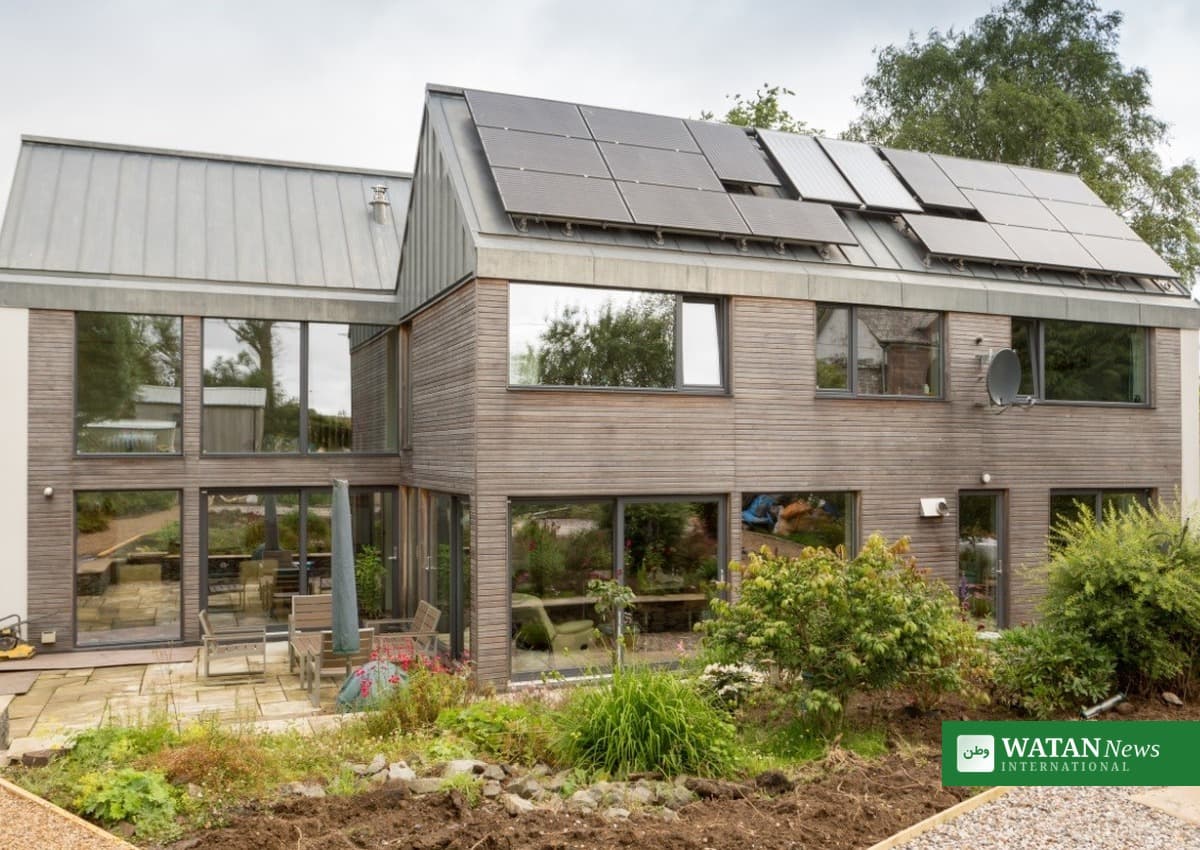
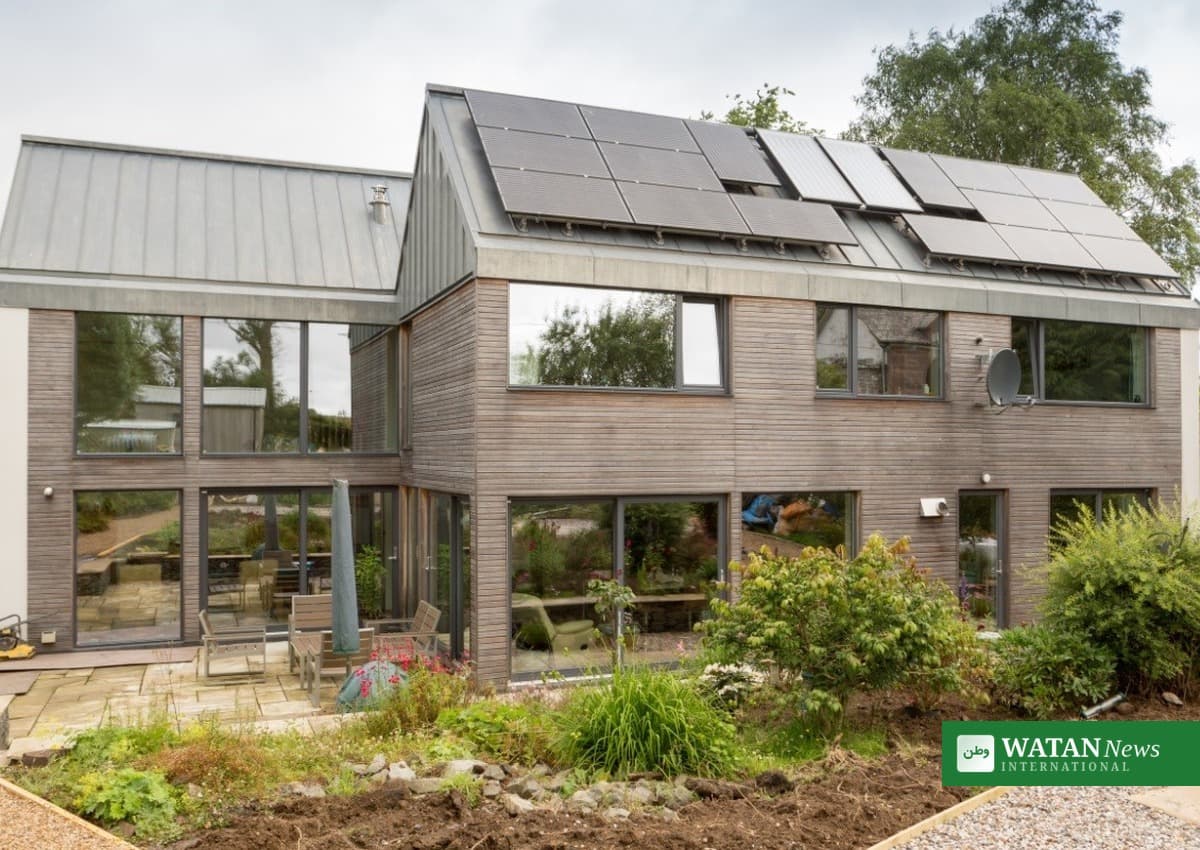
For households, retrofitting means practical steps: insulation, draught-proofing, efficient heating and cooling, heat pumps and rooftop solar panels. In the COP31 Green Zone, exhibitors are showing how those steps work in practice — from heat-pump dishwashing and induction cooking to connected appliances that shift energy use to cheaper, cleaner hours. Appliance maker Beko, exhibiting at the Koç Holding Pavilion, notes that more than 80 per cent of its value-chain emissions come from the use of its products in people’s homes.
The point the Antalya talks made is that none of this is a side issue for climate policy. The home is where energy is used, where heatwaves and floods are felt first, and where the cheapest large-scale carbon savings in the built environment are waiting.
What to watch next
The buildings agenda continues in the second week of COP31. On 17 November, the World Green Building Council hosts a session on implementing climate action roadmaps for buildings and construction at the Resilient Cities, Buildings and Cooling Pavilion in the Blue Zone, examining how governments can turn building roadmaps into efficient, electrified and low-carbon homes. Negotiations run until 20 November.
Whether the final COP31 outcome counts upgraded homes toward national climate targets — as Build Change asked in Antalya — will be one measure of whether this COP truly put sustainable living at the centre of climate action.