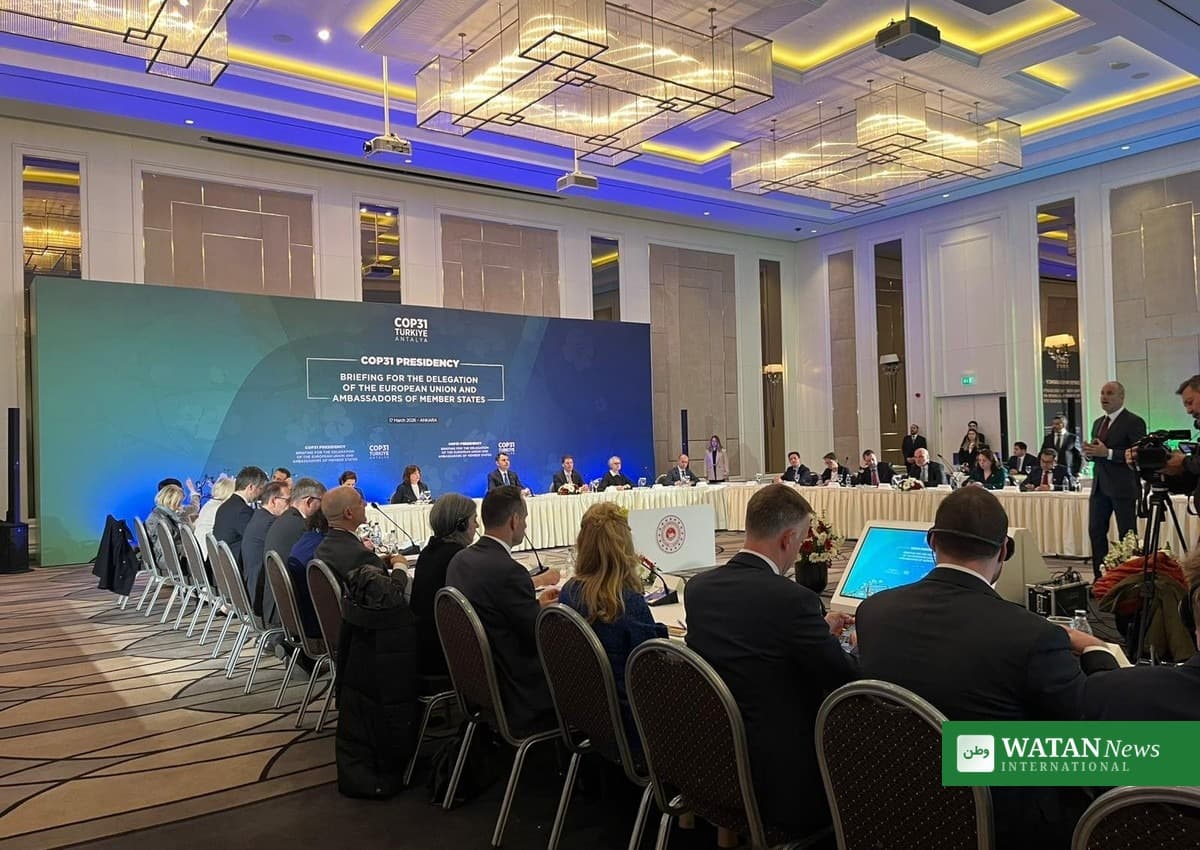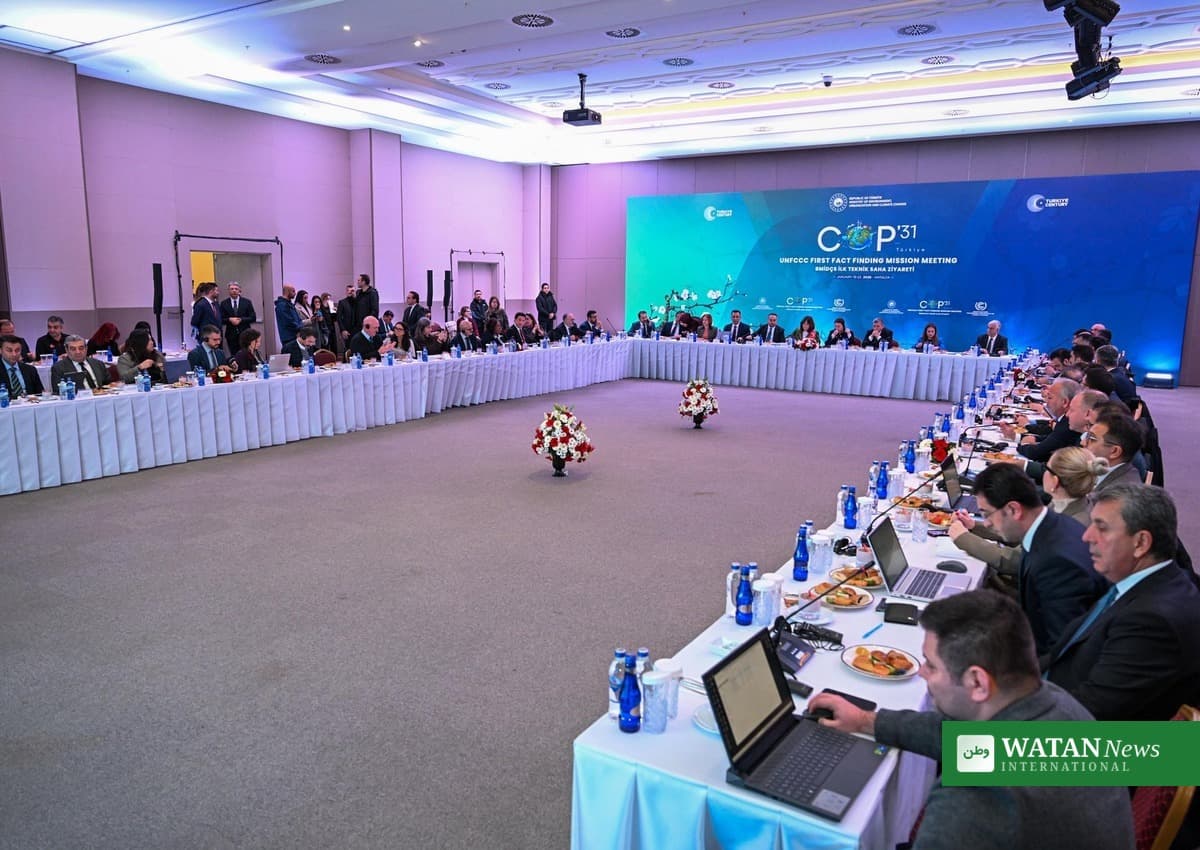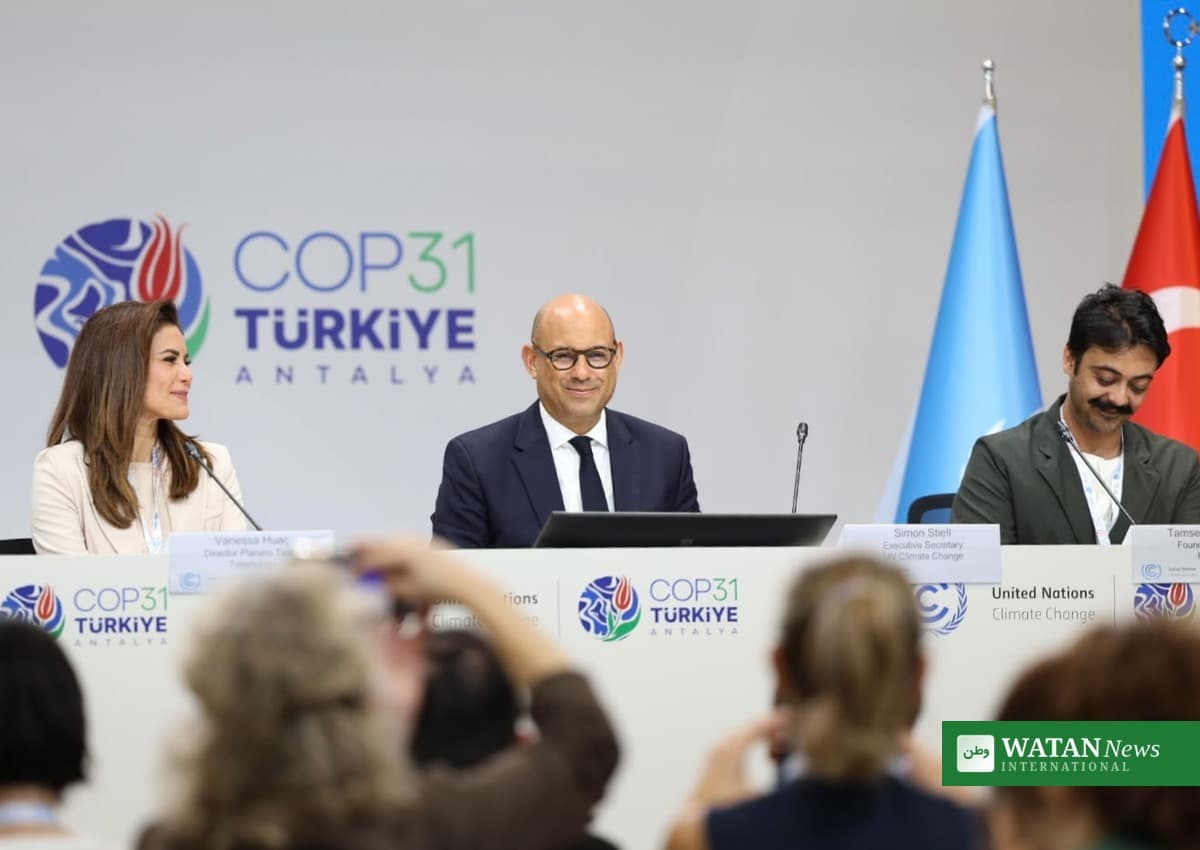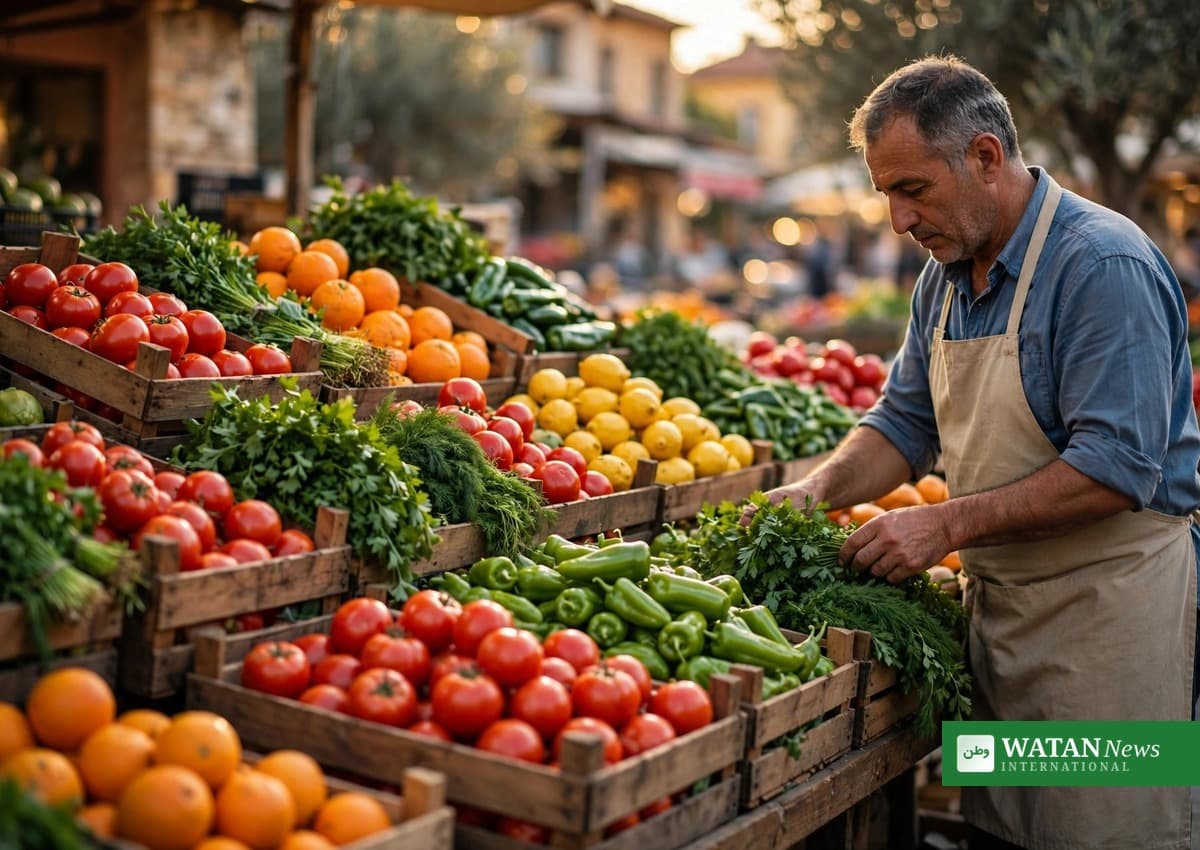
Antalya, Türkiye — As COP31 reaches its scheduled final day in Antalya, food — what the world eats, how it grows it and how much of it is wasted — has had a split outcome. The summit’s only agriculture negotiations stalled and food systems stayed out of the draft deal, yet two new food and water pledges launched on the sidelines, and the next COP host joined a food-systems alliance.
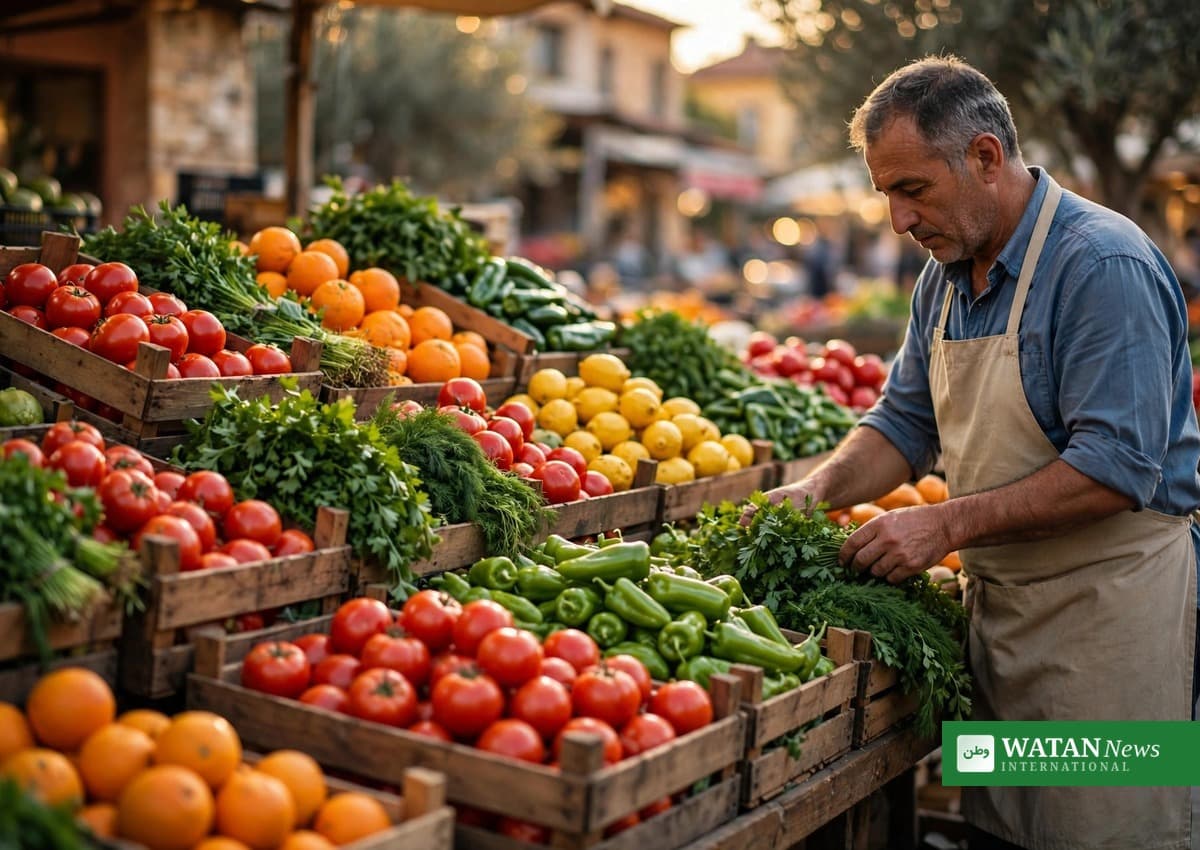
For households, the result matters more than it may look: food systems shape food prices, water supplies and daily diets, and the pledges made in Antalya are meant to reach farms, markets and kitchens from 2027.
Key facts
- The Sharm el-Sheikh joint work on agriculture and food security, set up at COP27 with a four-year mandate, failed to reach agreement at COP31; its future was sent to the intersessional talks in Bonn.
- The draft cover text published on Monday contained no mention of “food systems”, according to Carbon Brief’s analysis.
- The Turquoise Nexus Initiative, led by Türkiye under the FAO’s FAST Partnership, was launched on 10 November to link food security, water management and climate action.
- Viet Nam launched P-CRAFT, a partnership for climate-smart agrifood value chains, on 17 November with 16 founding partners.
- Ethiopia, host of COP32, joined the Alliance of Champions for Food Systems Transformation, which now has nine members.
- Some 2.1 billion people face food insecurity and 266 million face acute hunger, while more than 40% of food produced is lost or wasted, according to the Climate High-Level Champions.
The agriculture talks stalled
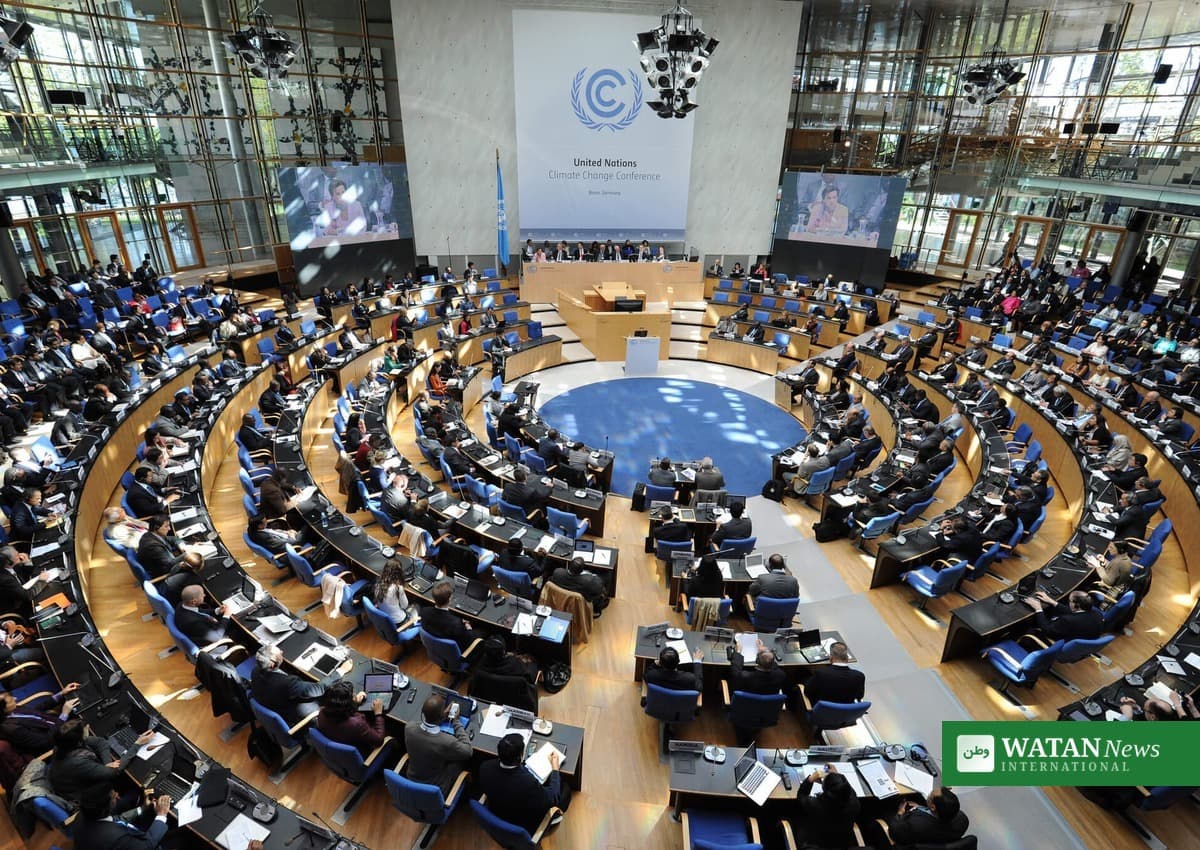
The Sharm el-Sheikh joint work on agriculture and food security was the only agriculture track in the UN climate negotiations. Its four-year mandate ends at COP31, but countries could not agree on what replaces it, and the question was sent to the intersessional discussions in Bonn, Carbon Brief reported.
Trade measures and adaptation finance were among the political red lines in the talks. Teresa Anderson, global climate-justice lead at ActionAid, told Carbon Brief that the introduction of trade measures to the negotiations “railroaded the whole thing”.
Food was also absent from the summit’s political text. The draft cover decision published on Monday contained no mention of “food systems”, even though the phrase had appeared in the presidency’s earlier reflections. The final text was still being negotiated on Friday, the summit’s scheduled closing day.
The Turquoise Nexus: food, water and climate in one platform
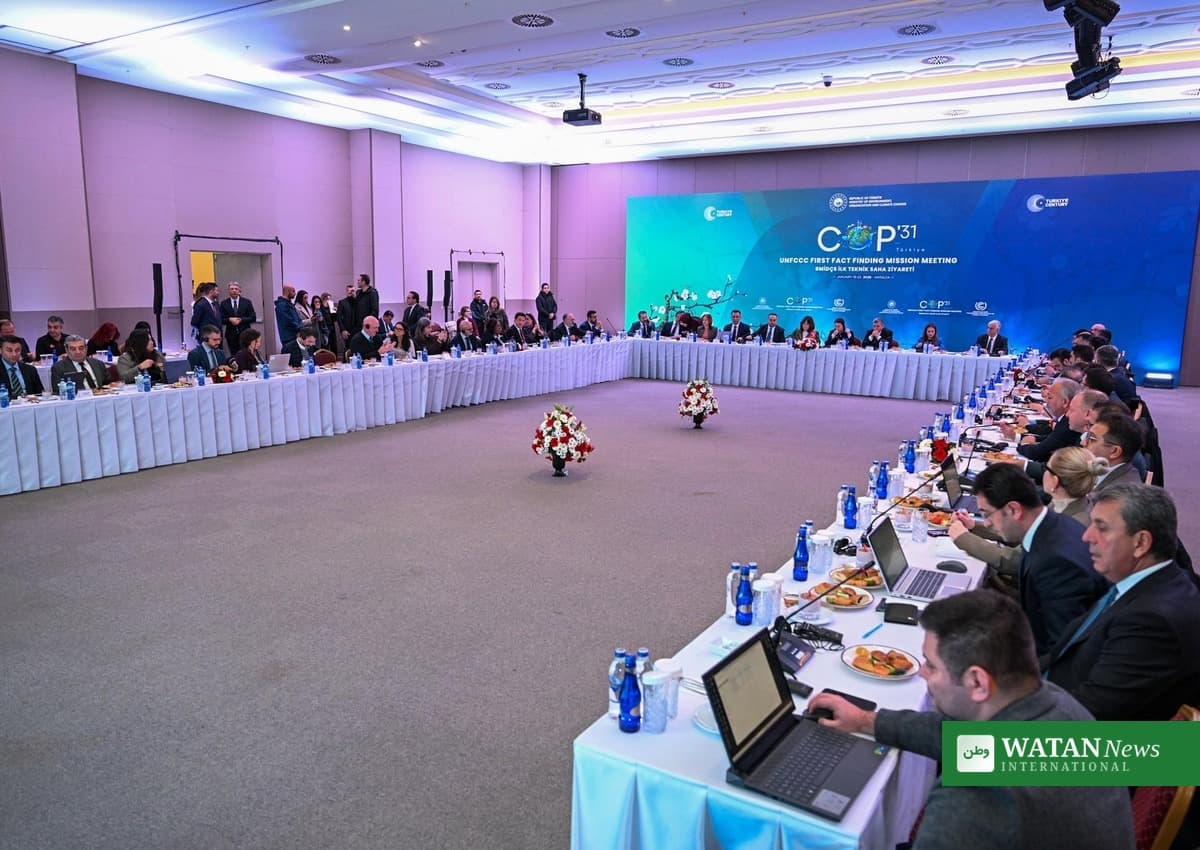
The clearest food outcome of COP31 came on 10 November, when Türkiye launched the Turquoise Nexus Initiative at a ministerial roundtable in Antalya. Led by Türkiye’s Ministry of Agriculture and Forestry and hosted under the Food and Agriculture Organization’s (FAO) Food and Agriculture for Sustainable Transformation (FAST) Partnership, the initiative is a country-led platform connecting food security, water management and climate action.
It rests on three pillars, outlined by Youssef Nassef, Director of the Adaptation Division at the UN climate secretariat: aligning policies, including national adaptation plans and nationally determined contributions; connecting research and policy; and mobilising finance. The initiative is to be submitted to the FAST Partnership Board for endorsement as a flagship programme in January 2027.
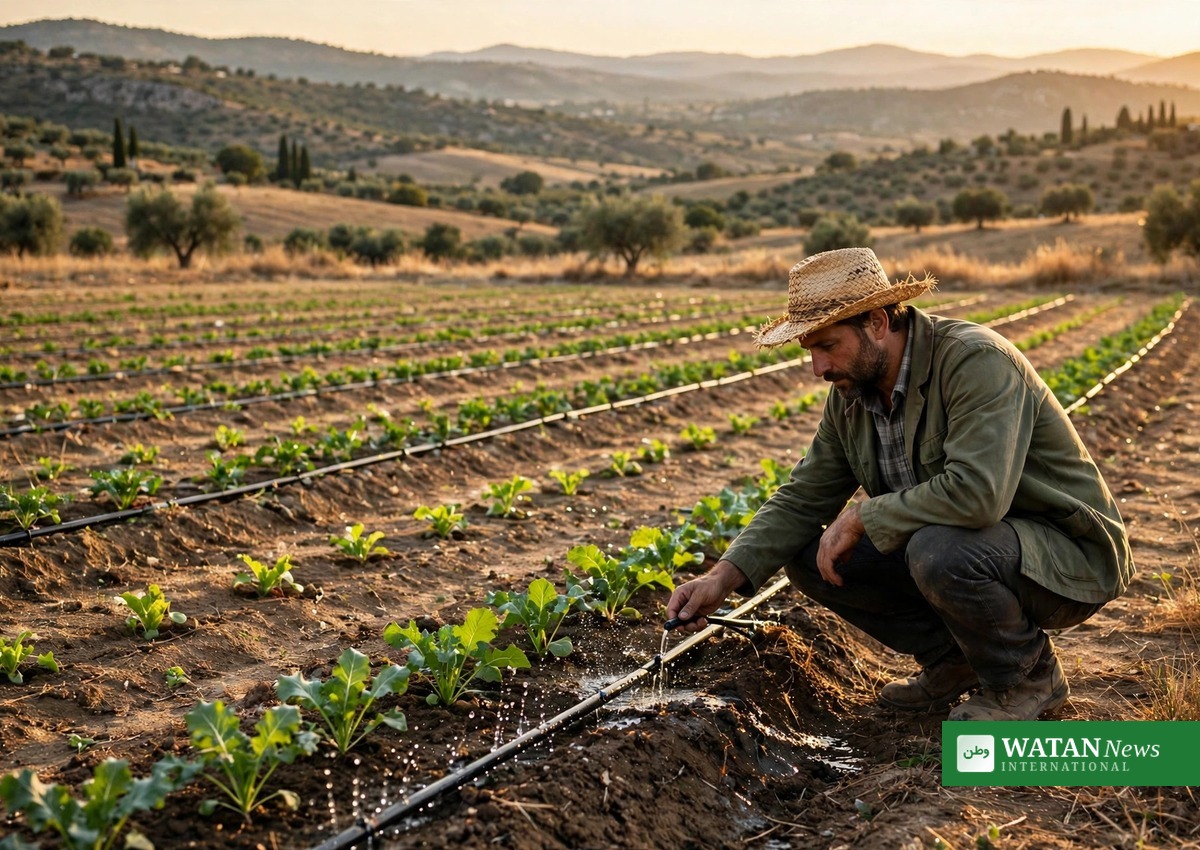
The water link is central: agriculture accounts for about 70% of global freshwater withdrawals, according to FAO. The International Water Management Institute said the initiative is well placed to carry the water-for-food agenda forward to the UN Water Conference in Abu Dhabi in December and beyond.
P-CRAFT: Viet Nam’s agrifood partnership
A second new platform arrived on 17 November, when Viet Nam launched the Partnership for Climate-smart and Responsible Agrifood Value Chains Transformation (P-CRAFT) at the Viet Nam Pavilion in the Blue Zone. Deputy Prime Minister Ho Quoc Dung chaired the launch, which drew 16 founding partners from governments, international organisations, financial institutions, research bodies and the private sector.
P-CRAFT is a voluntary cooperation platform, not a new international organisation, and it creates no mandatory legal or financial obligations. It is built around three strategic pillars — improving transparency, transforming production systems, and mobilising investment — and aims to connect farmers and producers with processors, traders, investors and consumers. Implementation is to begin in 2027, with the UN Development Programme supporting as a strategic technical partner.
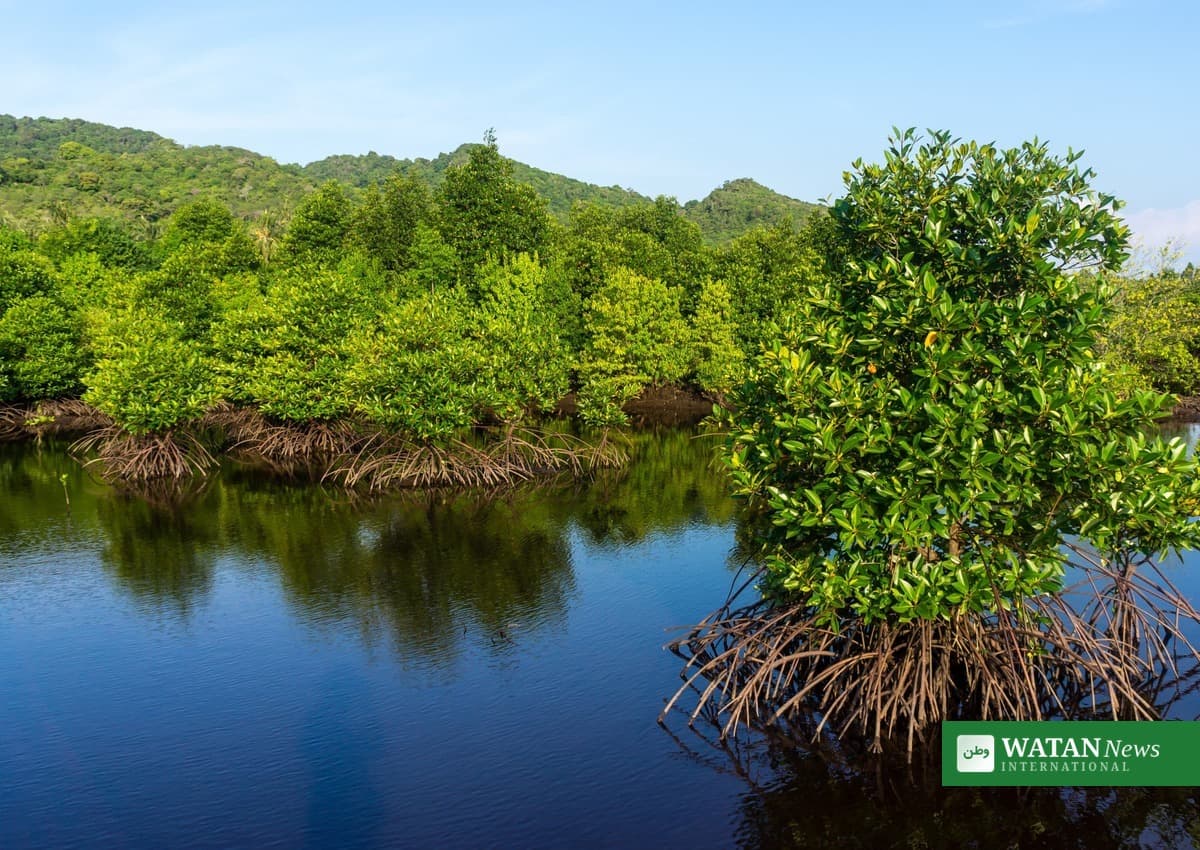
Smallholder farmers, local communities, women and youth were placed at the centre of the partnership, and the launch highlighted practical models such as integrated rice systems, climate-resilient coffee landscapes, circular aquaculture and mangrove restoration.
Ethiopia joins the food-systems champions
Ethiopia, which will host COP32, joined the Alliance of Champions for Food Systems Transformation during COP31. The alliance was launched in 2023 and now has nine members. Its growth signals that food systems will stay on the agenda as the talks move from Antalya to Addis Ababa.
The FAO had warned as COP31 opened that extreme heat, worsened by a developing El Niño, is making food production harder worldwide. Kaveh Zahedi, head of FAO’s climate division, urged governments to step up investment in food security and climate-resilient agriculture.
What this means for everyday life
For ordinary households, the COP31 food outcome is a mixed picture. The stalled negotiations mean no new global agriculture deal came out of Antalya, and only seven of the 159 countries behind the Global Methane Pledge reaffirmed their aim to cut methane emissions by at least 30% by 2030 — a target closely tied to farming and food.
But the new platforms point in a practical direction: water-smart farming, shorter and more transparent food chains, and support for the small farmers who grow much of the world’s food. And households have a direct role too. According to the UN Environment Programme’s Food Waste Index, households account for about 60% of the 1.05 billion tonnes of food wasted in 2022 — so planning meals, storing food properly and using leftovers are among the simplest climate actions at home. An EU-backed COMBINE study found that simple household changes cut food waste by 28% on average in trials across four European countries.
As COP31’s final-day talks continue in Antalya, the question for the summit’s legacy is whether the new food pledges turn into funded projects — or join the stalled agriculture track in Bonn. Read our report on COP31’s final day and the fossil-fuel debate.