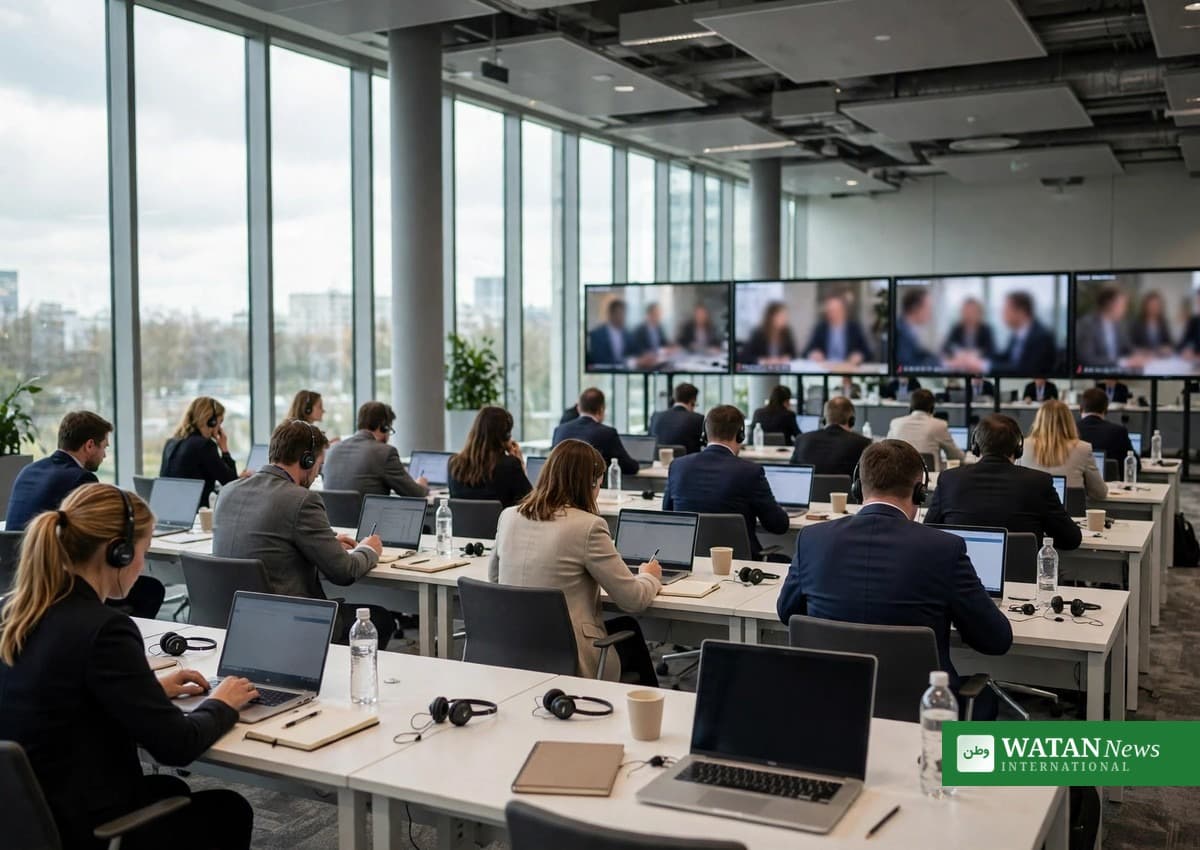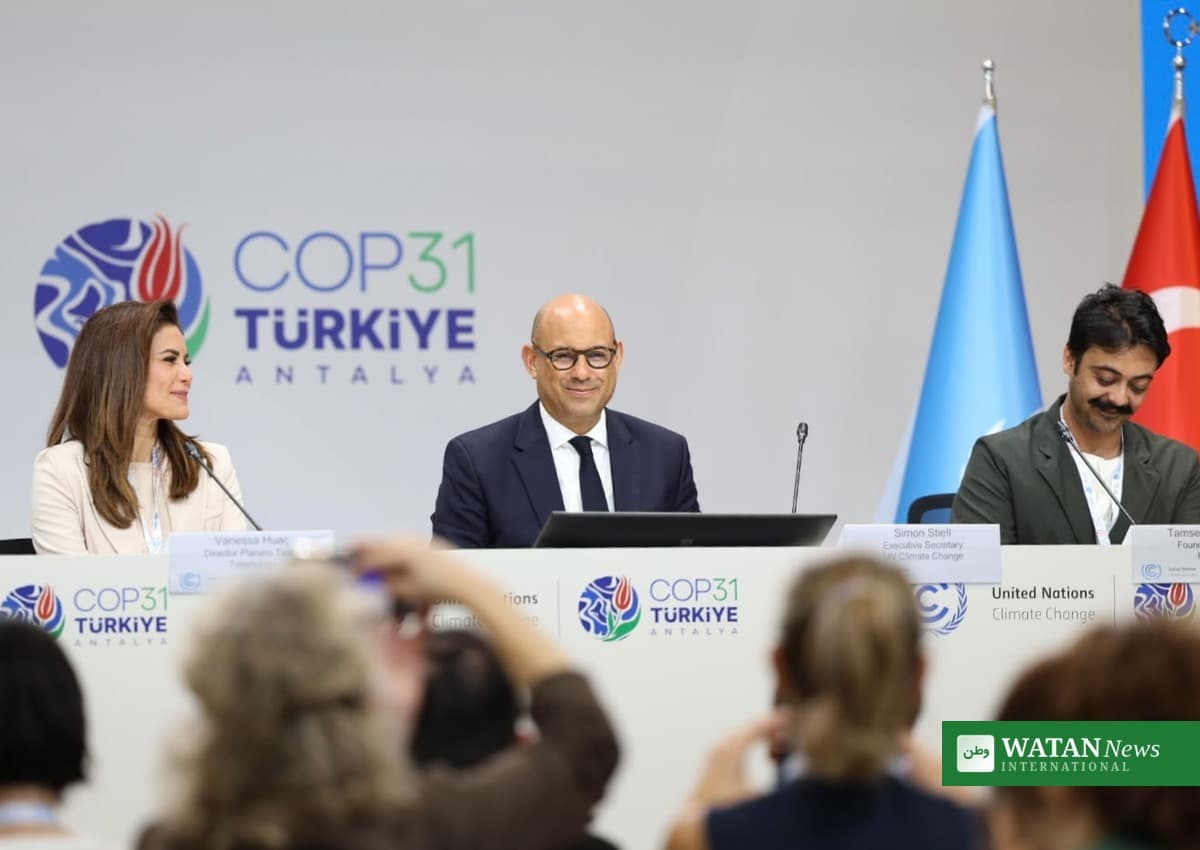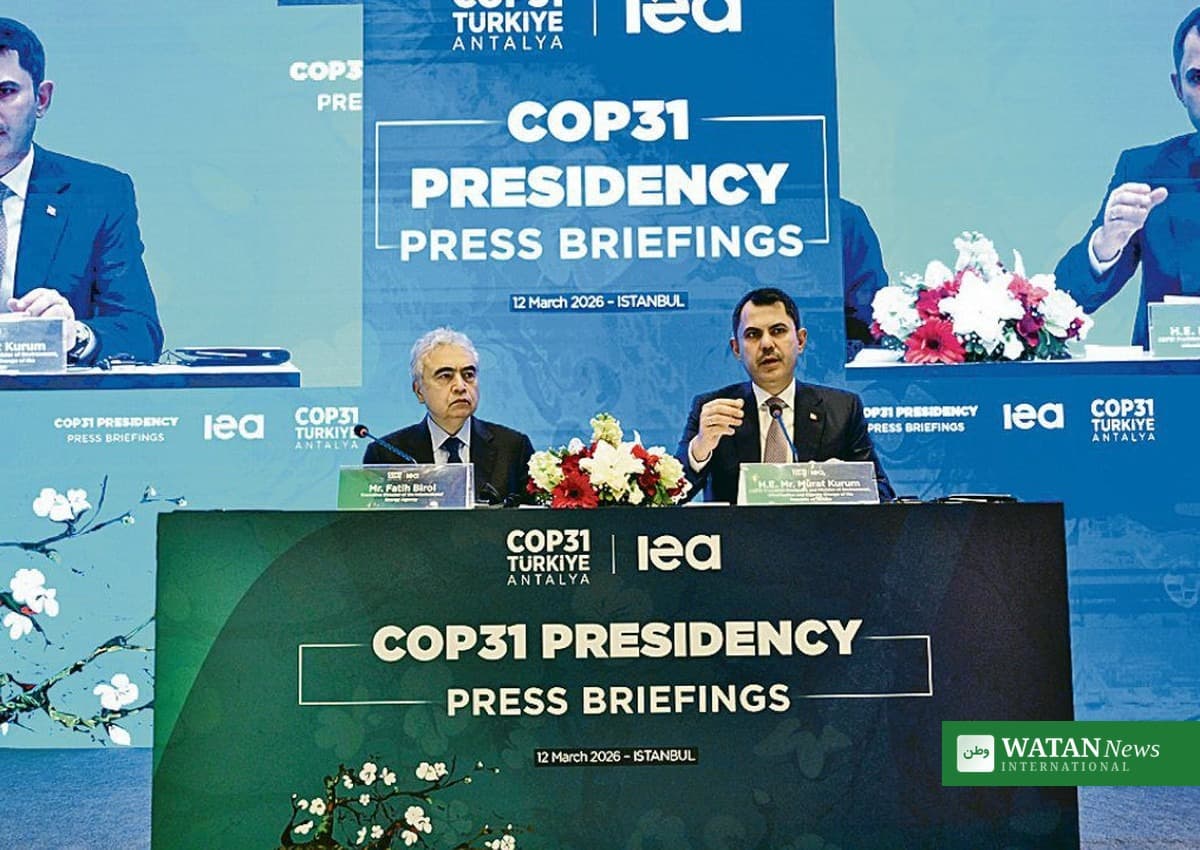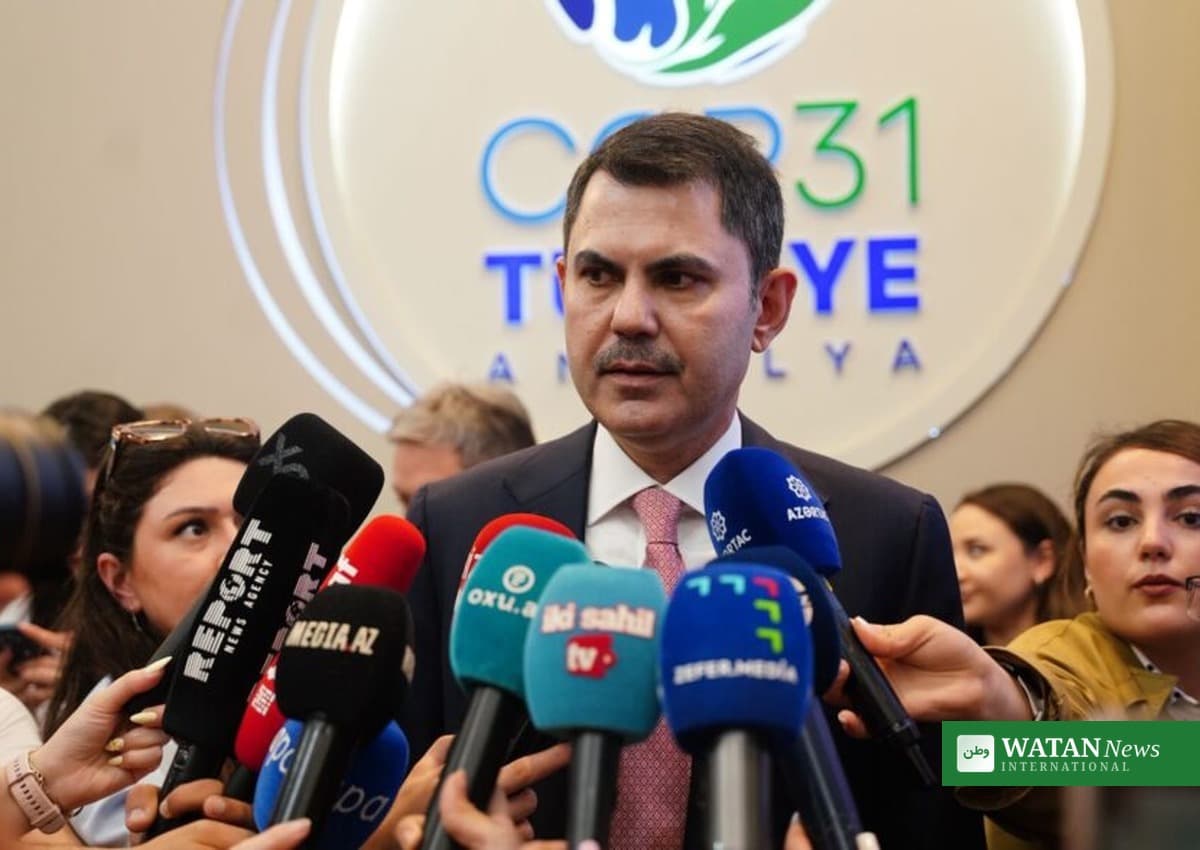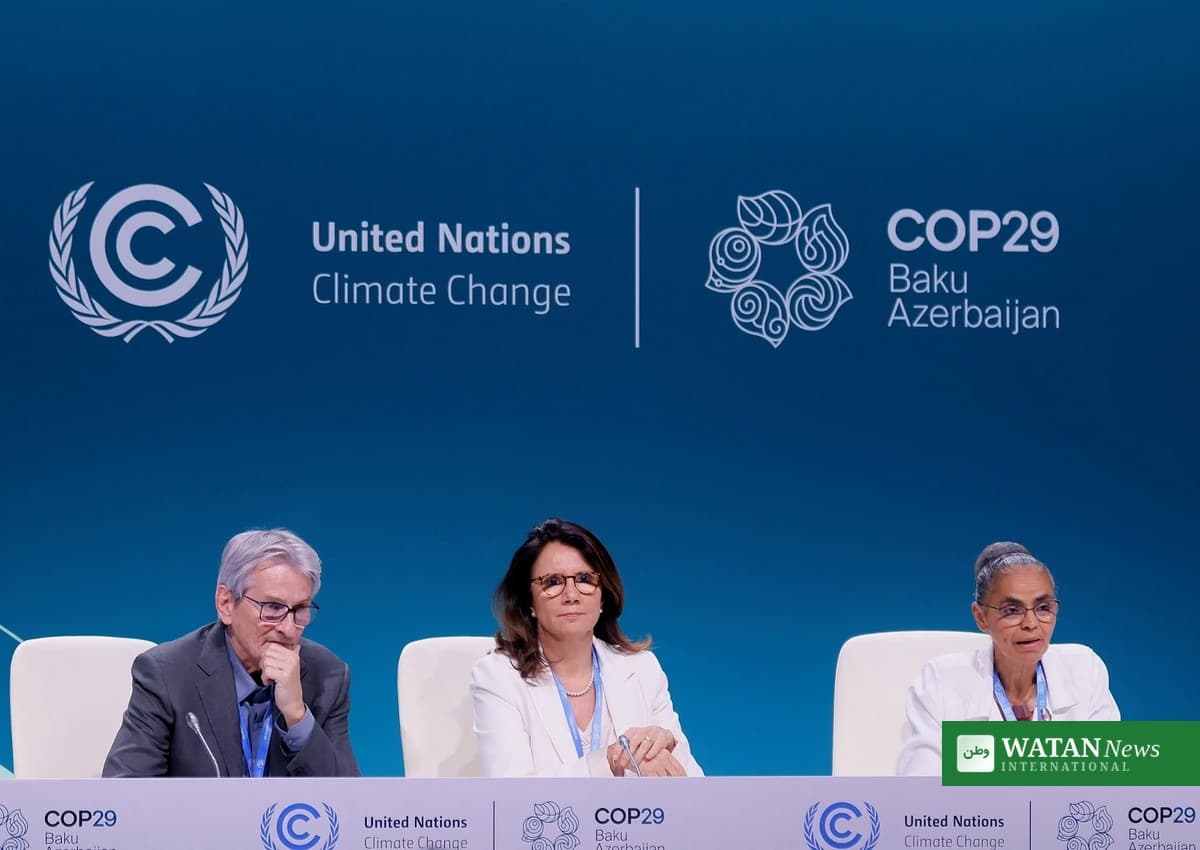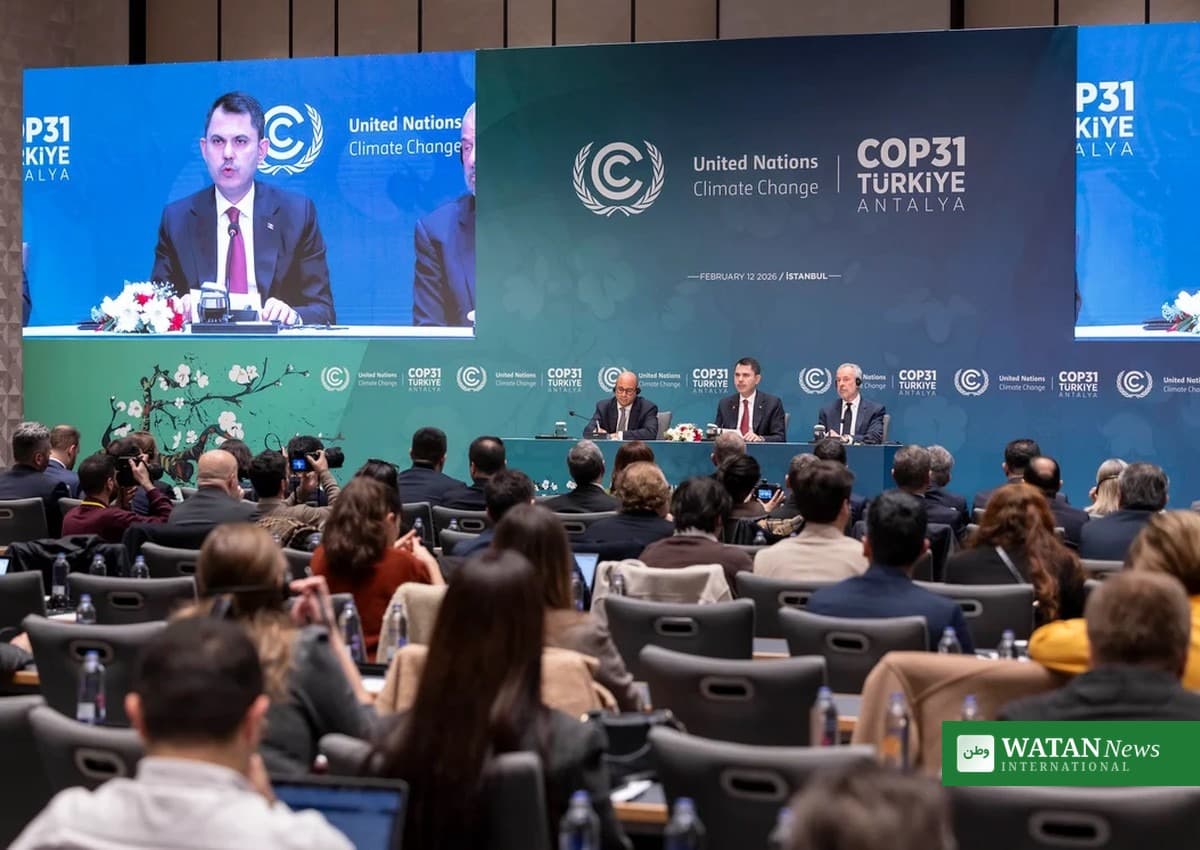
University of Leicester journalism students are getting a behind-the-scenes look at how the world’s leading climate reporters cover COP31 — with their questions put directly to journalists working inside the talks in Antalya.
As the conference enters its final days, the project offers a rare view of the craft behind the coverage: how reporters sift through dense negotiations, check fast-moving claims and turn them into stories the public can follow.
Questions from the classroom, answered in Antalya
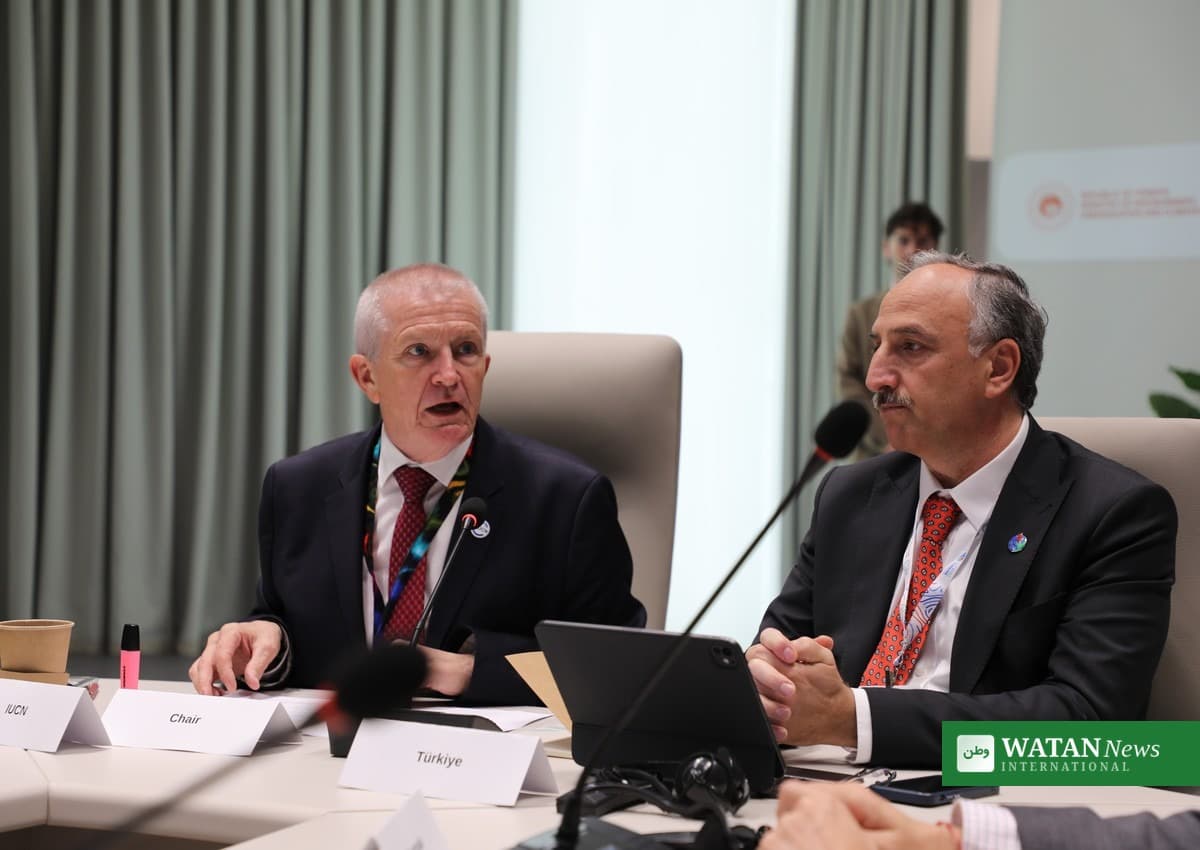
Dr Tim Neff, a lecturer in journalism at the University of Leicester and a writer for the Earth Negotiations Bulletin at the International Institute for Sustainable Development, is attending COP31 in Antalya, Türkiye. He has been putting questions from his students directly to the journalists covering the conference.
So far, he has interviewed Leo Hickman, director of Carbon Brief, and Megan Rowling, editor of Climate Home News. Their conversations range from the challenges of misinformation and artificial intelligence to the editorial choices behind a finished story, including how journalists write, edit and use material from interviews.
“Students get a taste of what that’s like and learn how these journalists cut through the noise and tell stories in clear, engaging ways for different audiences,” Neff said.
He added that he wants students to be able to picture themselves doing the work. “Most of all, I want students to be able to envision themselves doing this type of work, to know that this is a possible career for them and that they have what it takes to do it,” he said, pointing to Leicester graduates now working at major outlets such as Sky News and the BBC as proof.
Neff said he is not aware of any other journalism programme, in the UK or elsewhere, that enables students to learn from journalists covering UN negotiations. “The journalists I interview, with students’ questions in hand, are some of the world’s leading environmental reporters, with deep experience practicing journalism under the most challenging circumstances,” he said.
AI and misinformation on the agenda
A student’s question about countering misinformation in the age of AI prompted Hickman to discuss Carbon Brief’s experience with the technology. Over the last 15 years, he said, the outlet has built up an archive of around 7,000 articles of high-quality, trusted information about climate change. Its reporting now appears in AI-generated responses alongside trusted sources such as NASA, and the organisation makes its journalism freely available under a Creative Commons licence and has chosen not to block AI systems from accessing it.
The same theme runs through COP31 itself. On 13 November, the Global Initiative on Information Integrity on Climate Change launched priorities for action on AI and climate information integrity at the conference, asking AI companies to assess and publish how their systems affect climate information integrity and to disclose their energy, carbon, water and land footprints.
Türkiye and the International Telecommunication Union also launched the Antalya AI Pledge at COP31, which had secured 80 endorsements and 271 commitments by Monday morning, according to UN News.
The stakes are visible in the research. A survey by the Climate Action Against Disinformation coalition found that 60 per cent of respondents believed a false claim about the 2025 Iberian power blackout, according to a London School of Economics blog — a measure of how quickly false climate claims can travel while negotiators are still talking.
Why the craft matters as COP31 enters its final days
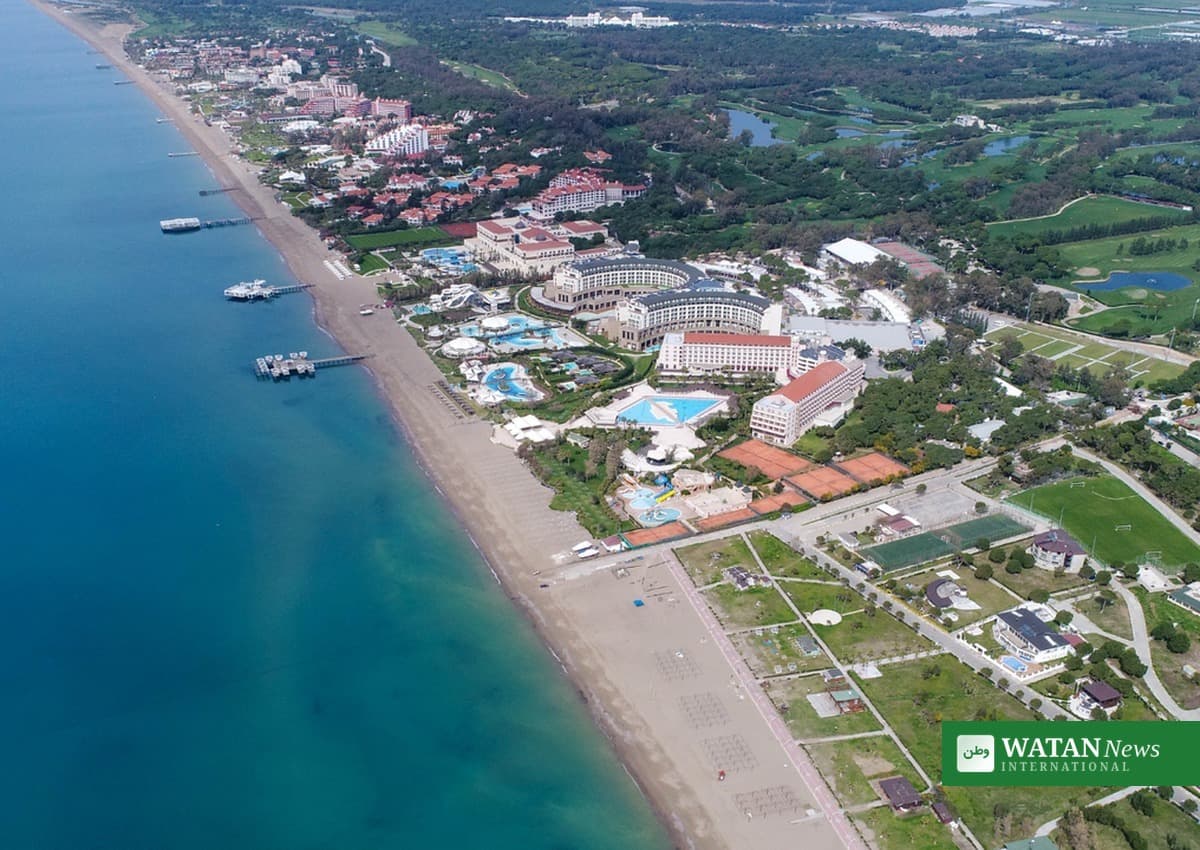
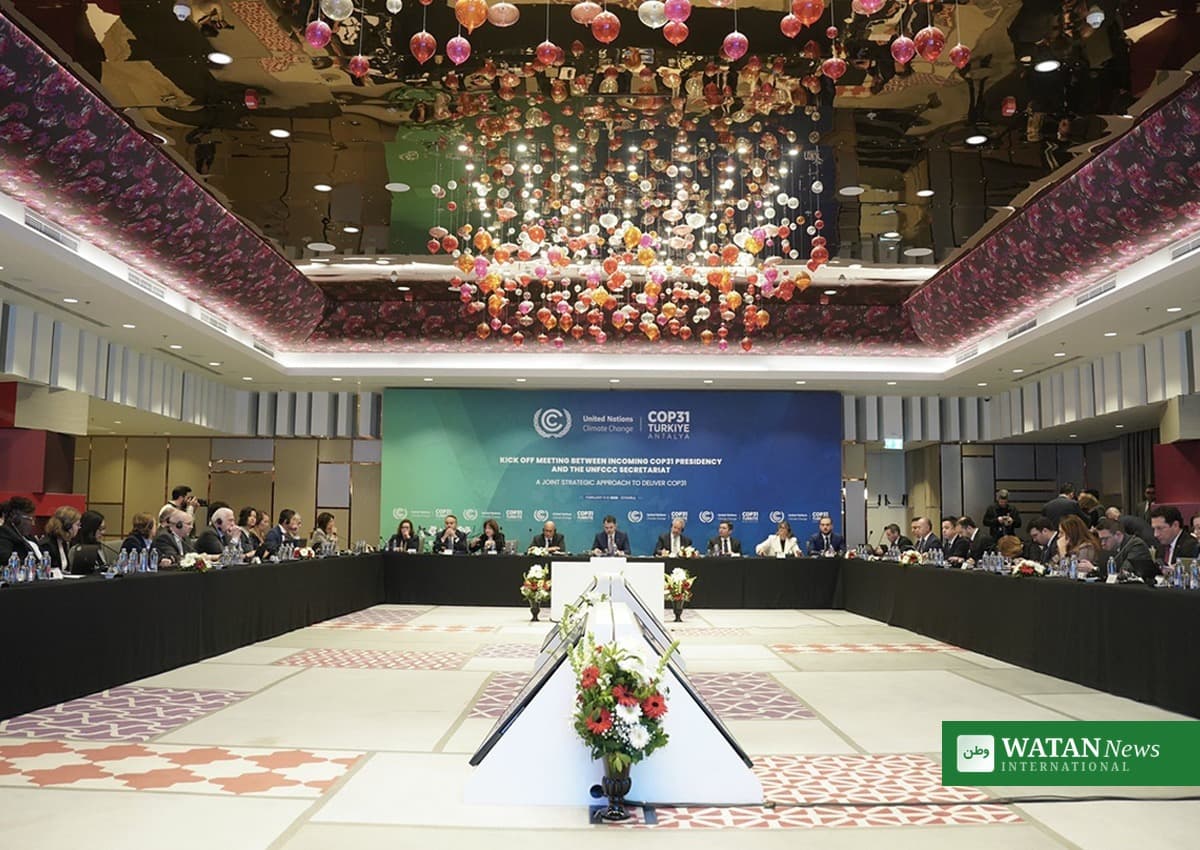
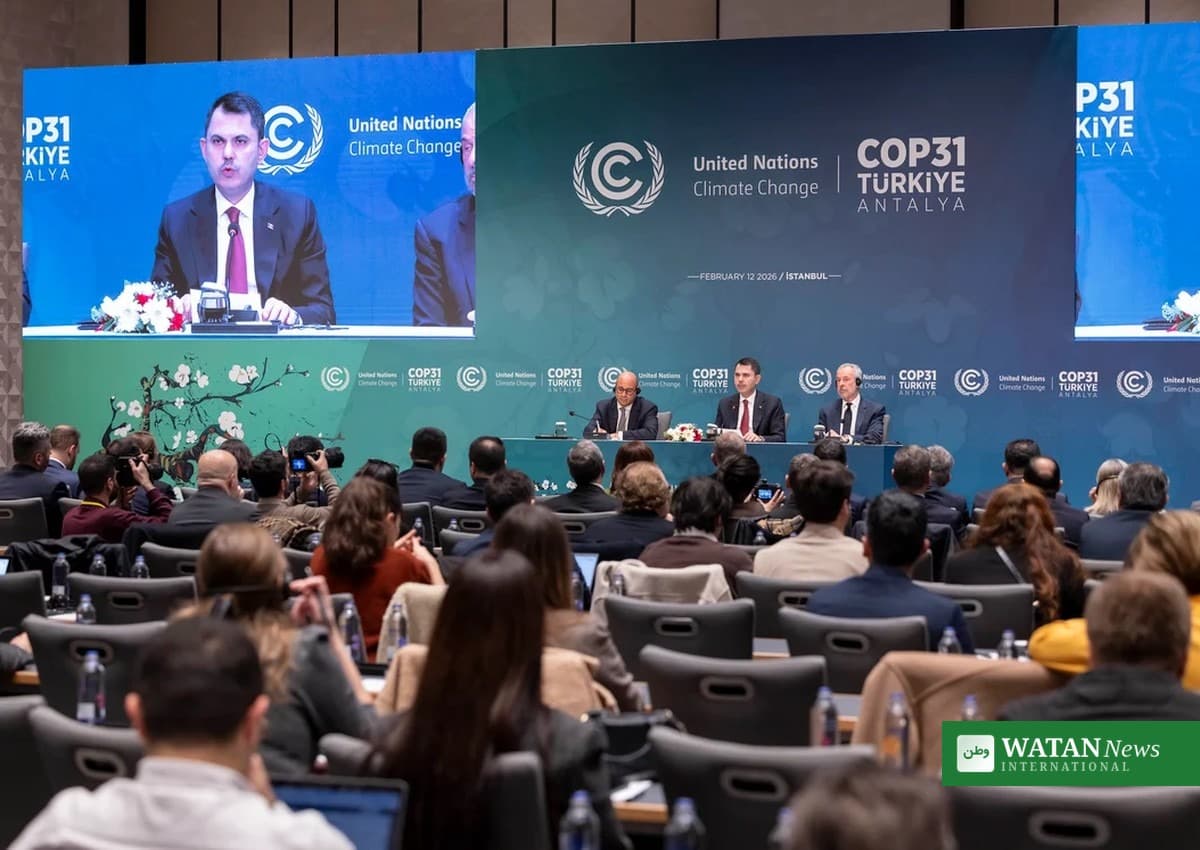
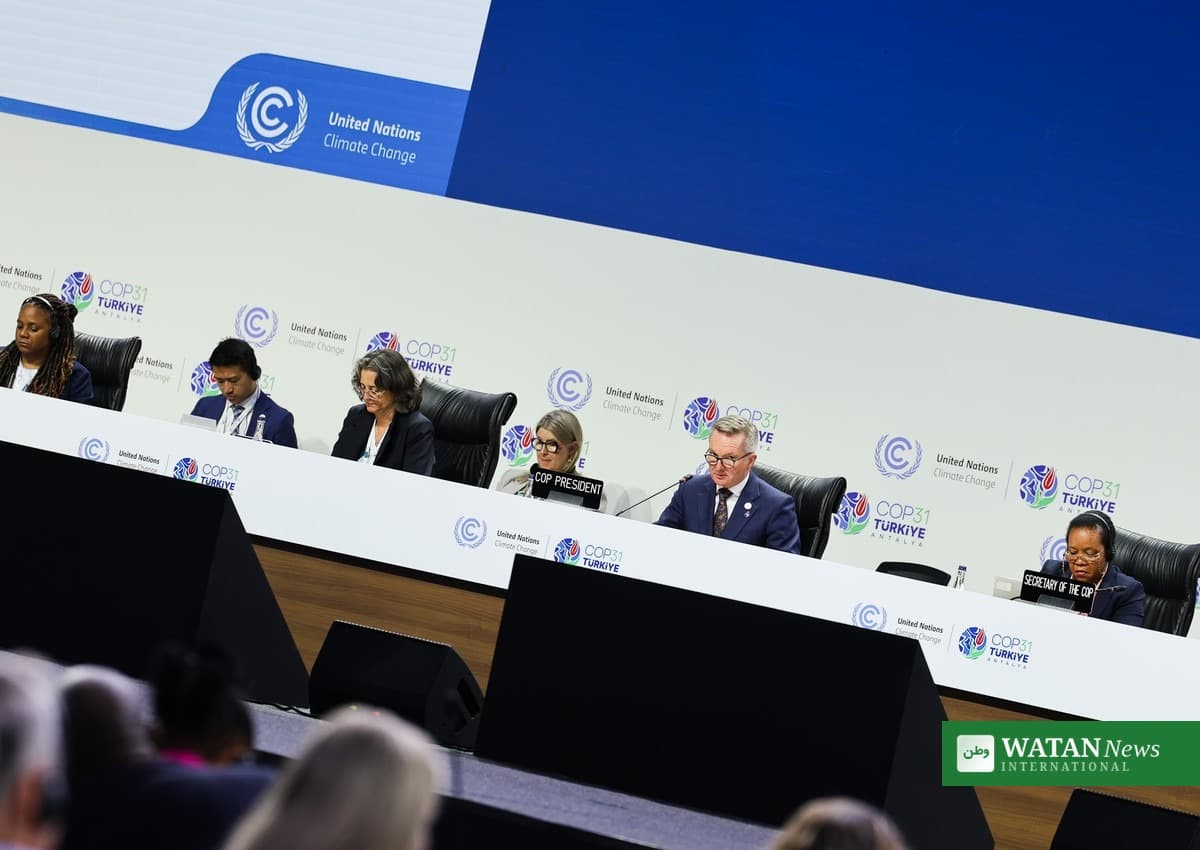
COP31 runs from 9 to 20 November 2026 in Antalya. Ministers are now in the high-level segment, working through the first draft cover decision circulated on 16 November, with the talks scheduled to close on Friday 20 November.
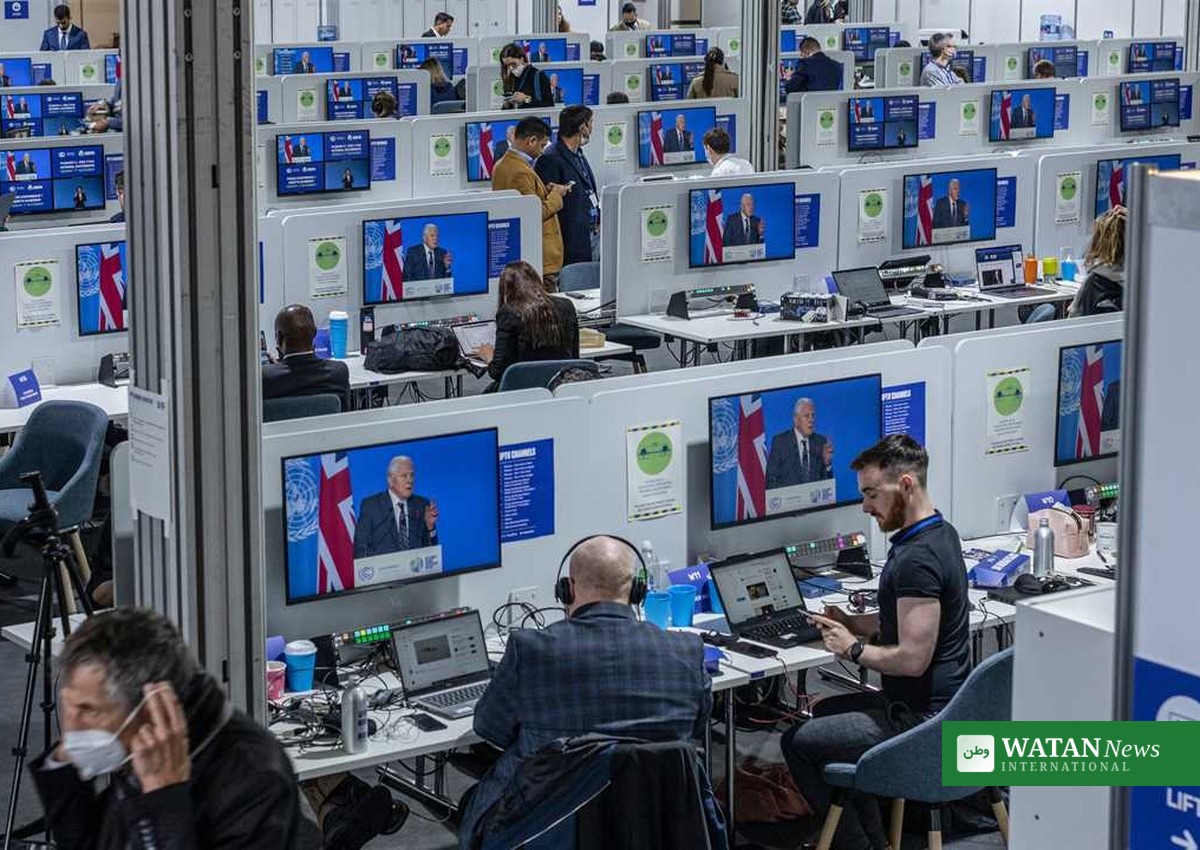
3,645 journalists are covering COP31, the second-biggest press corps in COP history, according to Carbon Brief. Their work is the main route by which the negotiations reach the public — and the reason the talks are watched far beyond the conference halls.
Yet climate coverage itself has thinned. The University of Colorado’s Media and Climate Change Observatory found that global media coverage of climate change fell 14 per cent in 2025 compared with 2024 and stood 38 per cent below the 2021 peak.
That makes the training of the next generation part of the story. As negotiators work through the final 48 hours in Antalya, the students’ questions — about accuracy, about AI and about how a finished story is built — are the same questions the press corps itself is answering every day.
Key facts
- What is happening: Leicester journalism students are learning climate reporting live from COP31 through interviews arranged by lecturer Dr Tim Neff.
- Who they are learning from: Leo Hickman, director of Carbon Brief, and Megan Rowling, editor of Climate Home News.
- Where and when: COP31, Antalya, Türkiye, 9–20 November 2026; the university shared the project on 18 November.
- How big the press corps is: 3,645 journalists are covering COP31, the second-largest in COP history, according to Carbon Brief.
- The AI theme: COP31 launched global priorities for honest AI climate information on 13 November, and the Antalya AI Pledge has 80 endorsements and 271 commitments.