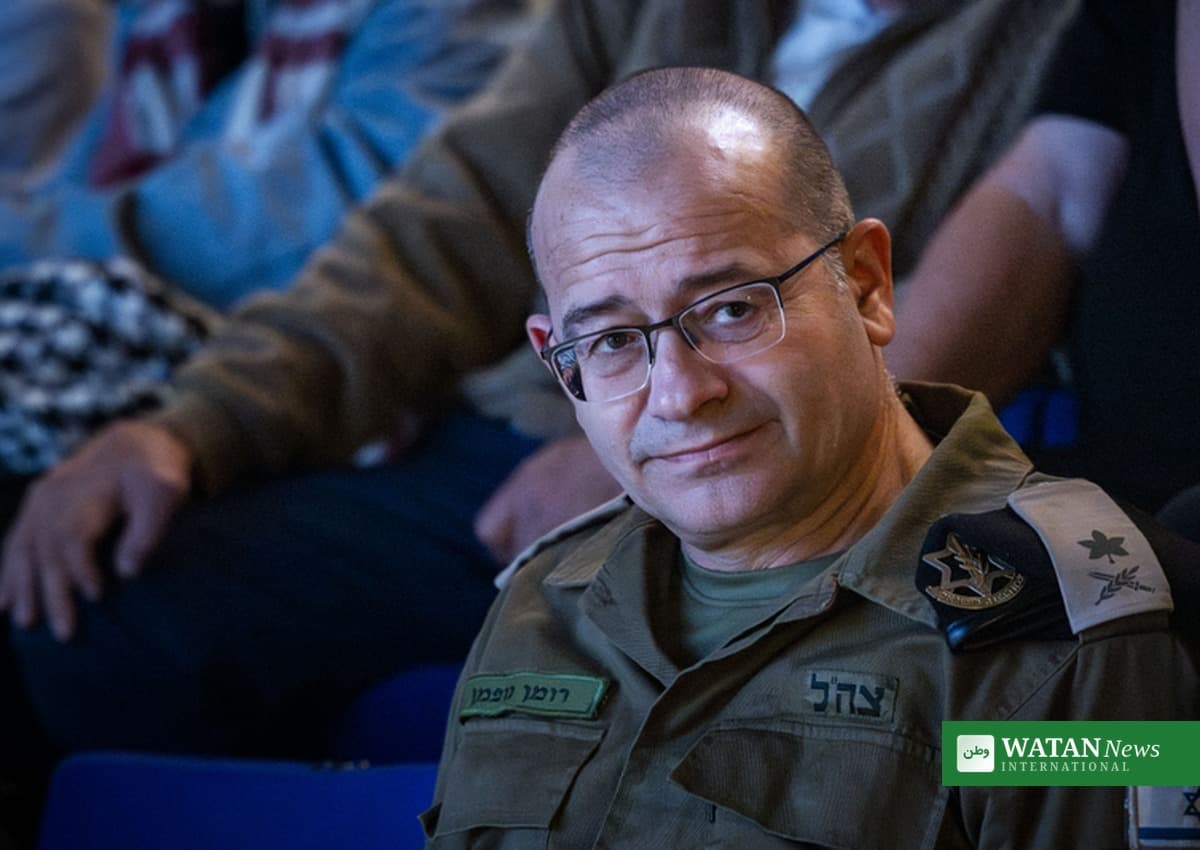
The head of Israel’s Mossad spy agency, Roman Gofman, advocated joint strikes on Iran by the United States and Israel during meetings with senior American officials in Washington last week, according to two people briefed on the visit.
Gofman met Trump administration officials, including CIA Director John Ratcliffe, and briefed them on Israeli intelligence on Iran, the two people told Reuters. One said the intelligence related to Iran’s nuclear programme, a central focus of ongoing US-Iran diplomacy. Gofman also travelled to Miami to meet President Donald Trump’s special envoy, Steve Witkoff, Israeli media reported. Axios separately reported on 13 November that Gofman was in Washington for talks with Ratcliffe.
FAKTA
- Who: Roman Gofman, director of Israel’s Mossad spy agency.
- Whom he met: CIA Director John Ratcliffe in Washington, and special envoy Steve Witkoff in Miami.
- What he urged: Joint US-Israeli strikes on Iran.
- When: Last week, after Trump said on 9 November that he would hold off on strikes on Iran following a meeting with the prime minister of Qatar.
- Also in Washington: Former Israeli minister Ron Dermer, a close confidant of Prime Minister Benjamin Netanyahu, was also advocating a joint attack in meetings with Trump administration officials, the two people said.
- No decision reported: The White House said Trump believed Washington’s economic pressure campaign was so “devastating” to Iran that there was no need for “major combat operations”.
The Washington meetings
The visit took place after Trump said on 9 November that he would hold off on strikes on Iran following a meeting with the prime minister of Qatar, which has been mediating indirect US-Iran talks aimed at avoiding a return to full-scale war.
A third person, involved in diplomatic efforts between the US and Iran, said Gulf leaders had spoken to Trump asking him not to attack Iran, fearing Tehran would follow through on its threats to attack Gulf Arab states in retaliation. All of the people spoke on condition of anonymity because they were not authorised to speak publicly.
Netanyahu’s office, which handles media inquiries for the Mossad, did not immediately respond to a request for comment. The White House official gave no comment on any meeting between Gofman and Ratcliffe, and the CIA also declined to comment.
The push for joint strikes on Iran
The two people said Gofman and Dermer’s outreach to US officials was part of efforts by Netanyahu to convince Trump to launch a new attack on Iran. Netanyahu believes the opportunity to launch an attack is narrowing, they said. One source said Israel was concerned the United States could begin drawing down its substantial military deployment in the region before the end of the year.
Gofman’s meetings come as Netanyahu faces the risk of losing power following an inconclusive election last month. Netanyahu, now serving as caretaker prime minister, has been accused by political rivals of seeking to escalate the conflict to improve his weakened political standing. He denies this.
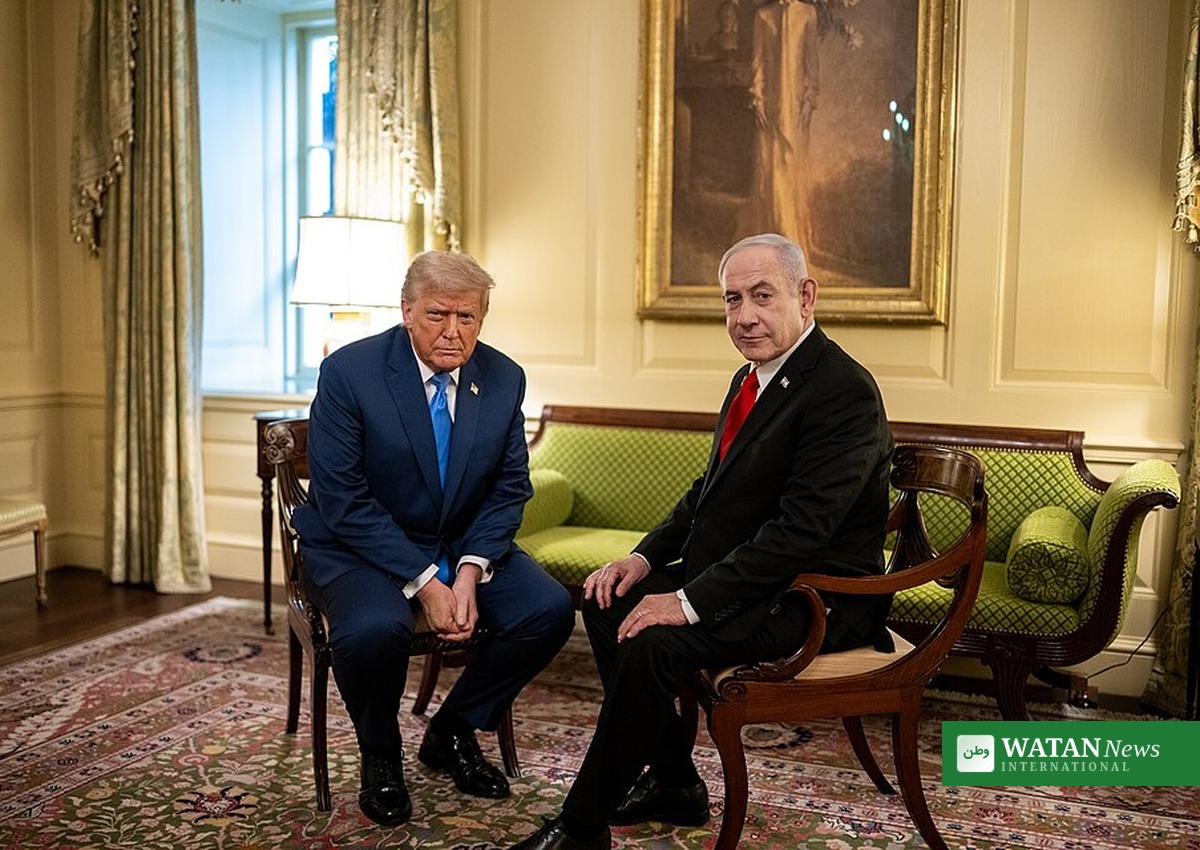
US President Donald Trump and Israeli Prime Minister Benjamin Netanyahu at the White House in July 2025. (Photo: The White House)
Trump weighs pressure against strikes
A White House official said Trump believed Washington’s economic pressure campaign was so “devastating” to Iran that there was no need for “major combat operations”. The president, however, has all options at his disposal to ensure that Iran never gets a nuclear weapon, the official said.
In recent weeks, Trump has alternated between threats of escalating the war with new strikes on Iran and winding down hostilities, and US officials say he does not appear to have made up his mind about how to resolve the conflict, which has become politically unpopular.
Two European officials said that although Iran’s economy was under pressure, there was no indication that the government was close to collapse. They also questioned what the US and Israel could achieve from a renewed military offensive.
A ceasefire under strain
A resumption of US-Israeli strikes on Iran would likely trigger a major escalation of the war, which began on 28 February with a joint attack by the two allies that killed Iran’s top leader and prompted Iranian strikes on US-allied Gulf Arab states.
A fragile ceasefire has formally held since April, though Iran and the US have repeatedly exchanged fire, including this week, with the US bombing an Iranian island and Iran launching attacks on Kuwait and Bahrain.
Israel’s military assesses that Iran does not pose an imminent threat to Israel, meaning that immediate military action is not necessary, the two people said. The military did not immediately respond to a request for comment.
For earlier coverage of the US-Iran exchanges this week, see our report on the US strikes on Qeshm Island.