Iraqi forces entered the town of Jurf al-Sakhar on Friday, taking up positions in the long-held stronghold of the armed group Kataib Hezbollah under a compromise deal designed to restore state control without a fight. The deployment of Iraqi forces in Jurf al-Sakhar is the most significant step yet in Baghdad’s effort to rein in one of Iraq’s most powerful Iran-backed militias.
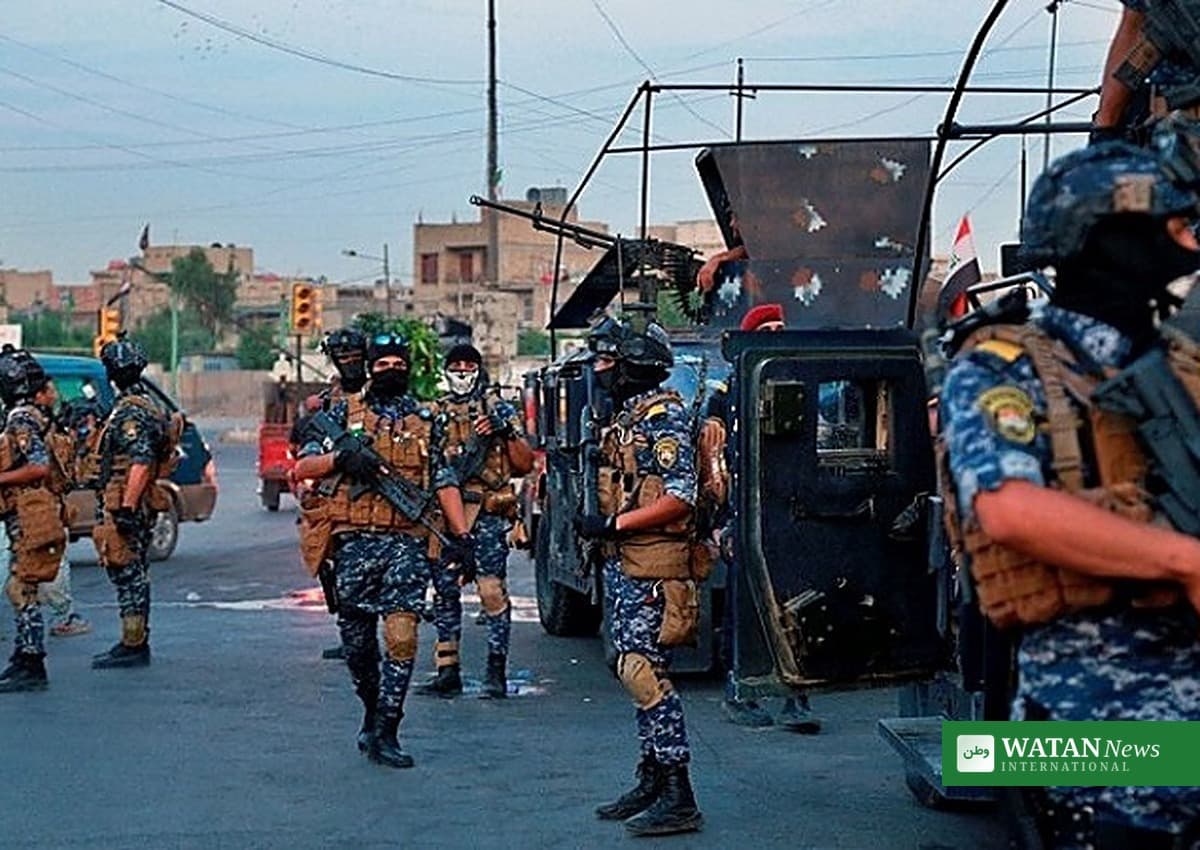
A convoy of vehicles flying Iraqi flags made its way into the town in Babil province, about 50 kilometres south of Baghdad, and soldiers took up positions in its centre after senior security officials told a press conference that government forces would protect the city. Members of Kataib Hezbollah stood near their flags as the troops arrived, according to Reuters.
FAKTA
- Where: Jurf al-Sakhar, also known as Jurf al-Nasr, in Babil province, about 50 km south of Baghdad
- When: Friday, 20 November 2026
- What happened: Iraqi security forces entered the town and took up positions in its centre under a compromise deal with Kataib Hezbollah
- Who is involved: An Iraqi army brigade, a Federal Police battalion and an Energy Police regiment, with two Popular Mobilisation Forces brigades also taking part
- What happens next: A security headquarters opens in the town on Saturday to oversee the handover, and Kataib Hezbollah members are expected to withdraw within a month
- Why it matters: The town has been closed to the state for about 12 years, according to the government
Iraqi forces Jurf al-Sakhar: what happened on Friday
The deployment followed days of high tension. Prime Minister Ali al-Zaidi had ordered security forces this week to move against Kataib Hezbollah, which officials accuse of running an oil smuggling network that siphoned off hundreds of millions of dollars’ worth of state-owned oil in Jurf al-Sakhar. The group has rejected the accusations.
Addressing the troops entering the town on Friday, the prime minister said they were “not waging war”. “Everyone present there are your brothers,” he told them, “the sons of this nation, and their blood is our blood.” He insisted, however, that his decision to restrict weapons to state control was final.
Sabah al-Numan, spokesperson for the commander-in-chief of the Iraqi armed forces, told the press conference that Friday was a historic moment. “Today is a historic moment in which the Iraqi Armed Forces prove that they are the nation’s shield, safety valve, and the guardian ensuring security stability for the Iraqi people,” he said.
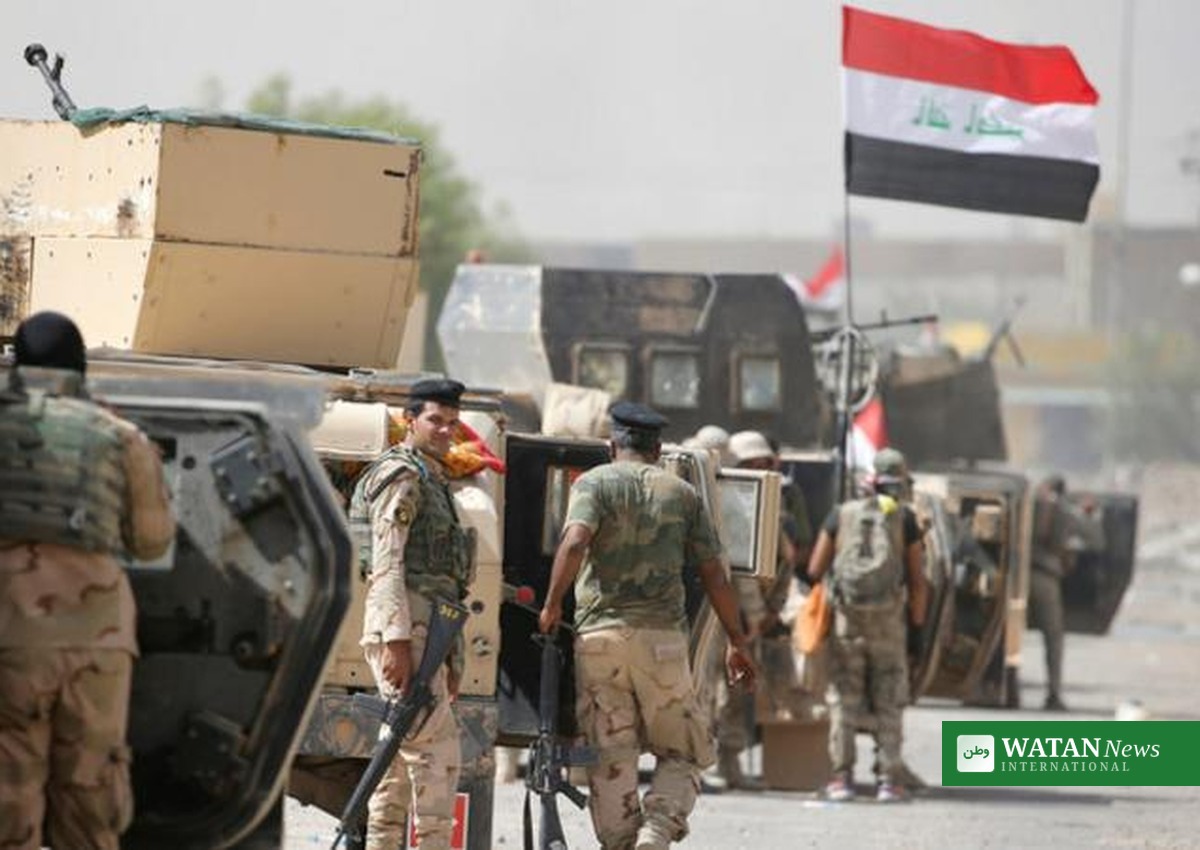
A security headquarters is to open in Jurf al-Sakhar on Saturday to oversee the handover. Iraq’s energy police have begun securing an oil pipeline in the area, the state news agency reported. Lieutenant General Ahmed Hatem Hamid said on Friday that a control headquarters had been established in the town and that the Federal Police would control the facility, according to the Iraqi News Agency.
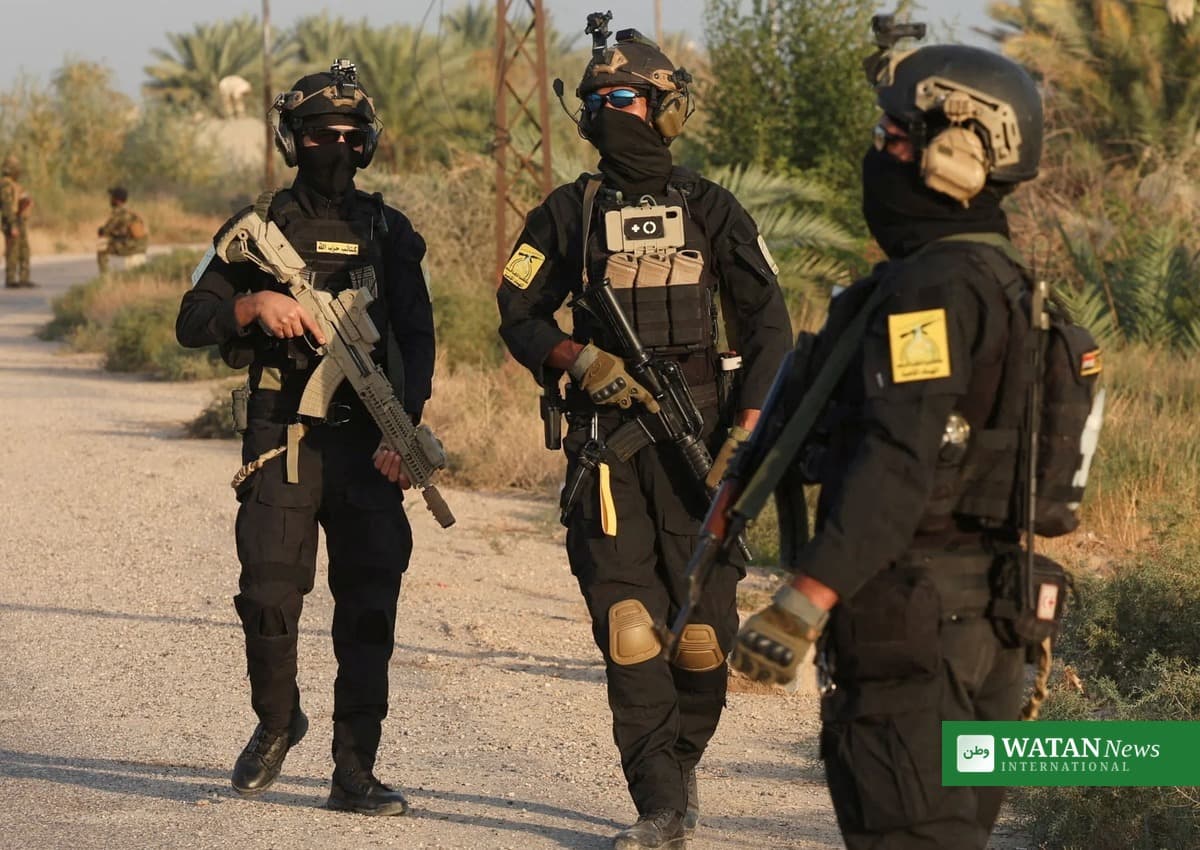
Kataib Hezbollah fighters were photographed patrolling a road in the town on 17 November, three days before the deployment, in a sign of how firmly the group had held Jurf al-Sakhar until this week.
Why Baghdad moved against the stronghold
The government announced on Monday that it would take control of Jurf al-Sakhar after an investigation raised suspicions that the group had stolen hundreds of millions of dollars’ worth of Iraqi oil through illicit refineries. Nine senior security and oil officials have been dismissed following the investigation.
Kataib Hezbollah, whose name means Battalions of the Party of God, is branded a terrorist group by the United States and has denied the smuggling allegations. The arrests linked to the investigation had prompted fears of an armed response from the group, which is believed to have thousands of trained fighters.
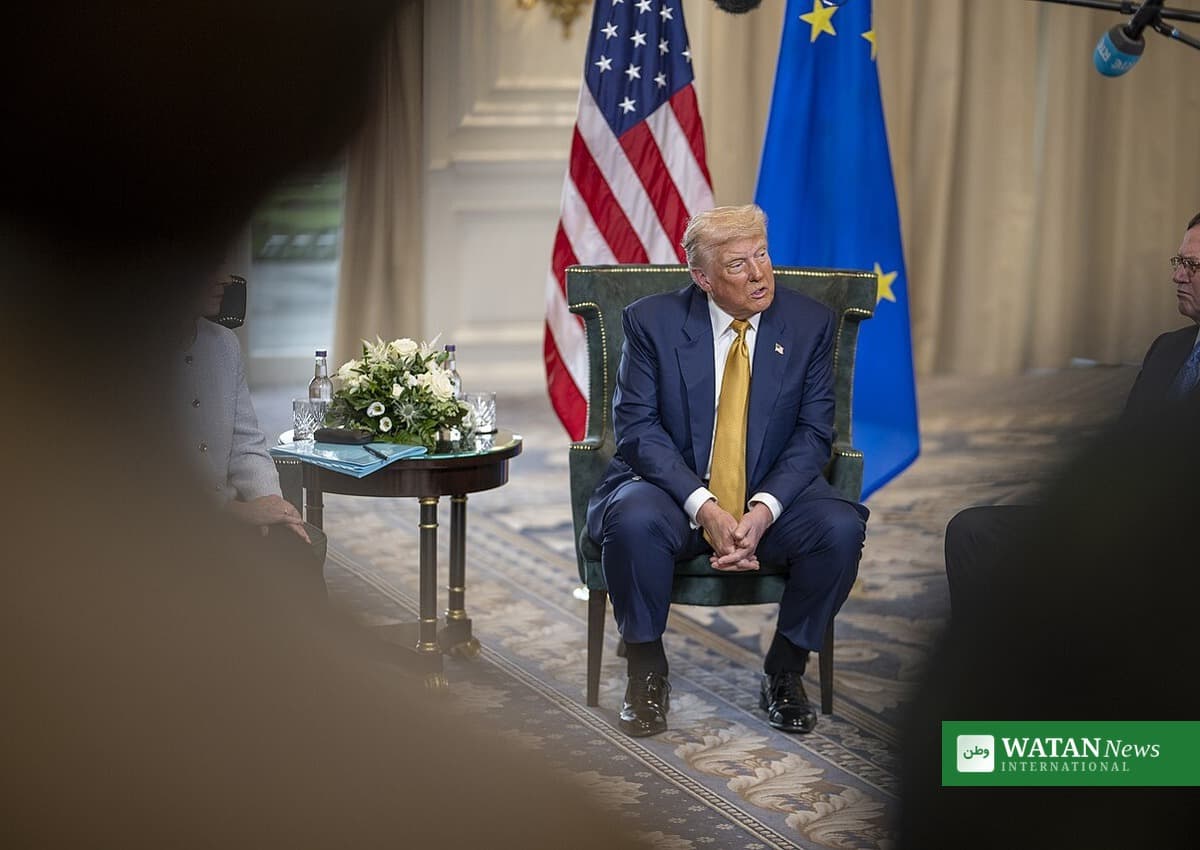
Pressure has also come from Washington. US President Donald Trump has pressed Prime Minister al-Zaidi to disarm the militias that have struck US troops and facilities in Saudi Arabia and the United Arab Emirates in solidarity with Tehran since the United States and Israel launched attacks on Iran at the end of February. Kataib Hezbollah and other militias, all of which report directly to Iran’s Revolutionary Guards, have refused to hand over their weapons to the state.
A deal to avoid a confrontation
The deployment was made possible by a compromise sealed on Thursday after lengthy and delicate talks. Under the arrangement, brokered by Shi’ite politicians, Kataib Hezbollah members are expected to withdraw to other parts of Iraq within a month.
The agreement followed “in-depth negotiations, and after wrangling and a tug of war that lasted about two months or so”, Baghdad-based security and strategic analyst Fadel Abu Raghif told Al Jazeera. Esmail Qaani, commander of Iran’s Revolutionary Guards’ Quds Force, arrived in Baghdad on Monday to help defuse tensions with Kataib Hezbollah, according to Iraqi Shi’ite political figures.
Under the compromise, a combined force comprising an Iraqi army brigade, a Federal Police battalion and an Energy Police regiment will provide protection for oil pipelines in the area. Two brigades from the Popular Mobilisation Forces Commission, a collection of armed groups that are part of Iraq’s official security forces, will also participate.
Reporting from Babil province, Al Jazeera’s Samer Al Kobeisi said the departure of Kataib Hezbollah would allow the reopening of an area that has been closed for about 12 years, according to the government. Watan News earlier reported on the compromise deal reached between Iraq and Kataib Hezbollah.
Wider stakes for Iraq
Any direct confrontation with Iran’s heavily armed militia allies in Iraq could be risky. After one of Prime Minister al-Zaidi’s predecessors ordered a similar crackdown on those armed groups five years ago, the prime minister’s Baghdad home was hit in a drone strike that authorities described at the time as an assassination attempt.
Founded in the aftermath of the 2003 US-led invasion of Iraq, Kataib Hezbollah is among the most influential members of the Islamic Resistance in Iraq, the umbrella group of hardline Shi’ite armed organisations supported by Iran. It forms several battalions in Iraq’s Popular Mobilization Forces, a grouping of armed factions set up in 2014 to fight Islamic State and subsequently recognised as an official security force.
The group also has its own political party, called Huquq, or Rights, with five lawmakers. Pro-Iranian militias, including Kataib Hezbollah, enjoy a semi-official status in Iraq, which critics say encourages them to act with impunity. Whether the Jurf al-Sakhar handover holds — and whether the group’s fighters do withdraw within a month as agreed — will now be the test of Baghdad’s attempt to bring the town back under state control.