Antalya, 18 November — India and Sweden have launched the third phase of the Leadership Group for Industry Transition (LeadIT 3.0) at COP31, shifting the platform from building partnerships to scaling up low-carbon industrial projects, mobilising capital and delivering measurable results in steel, cement and transport.
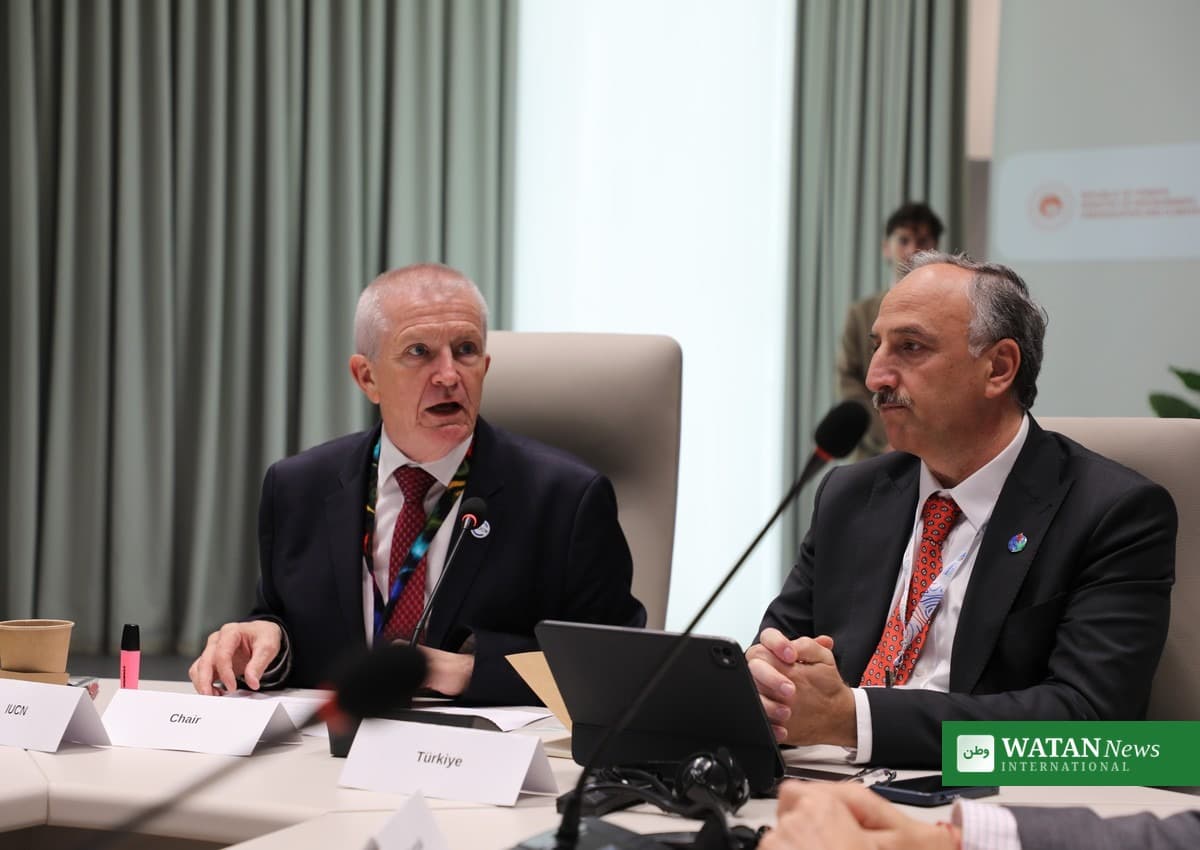
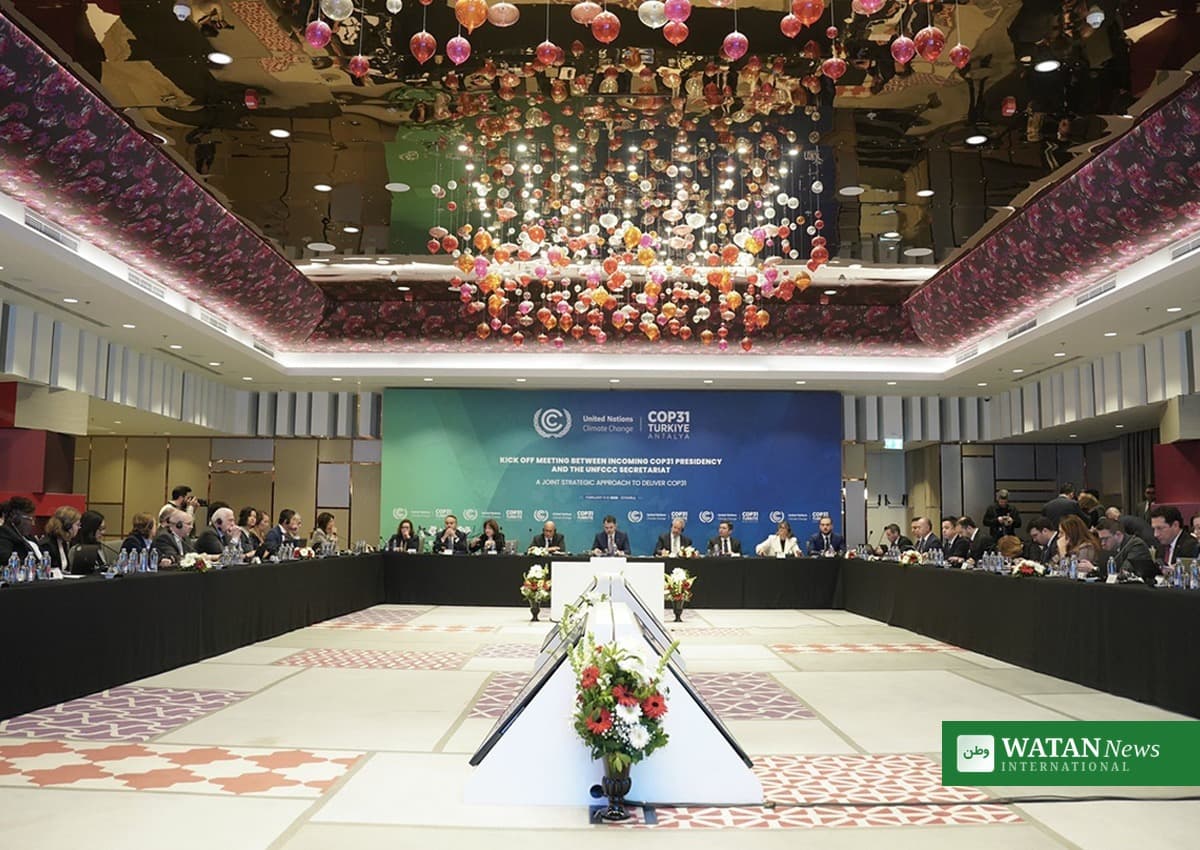
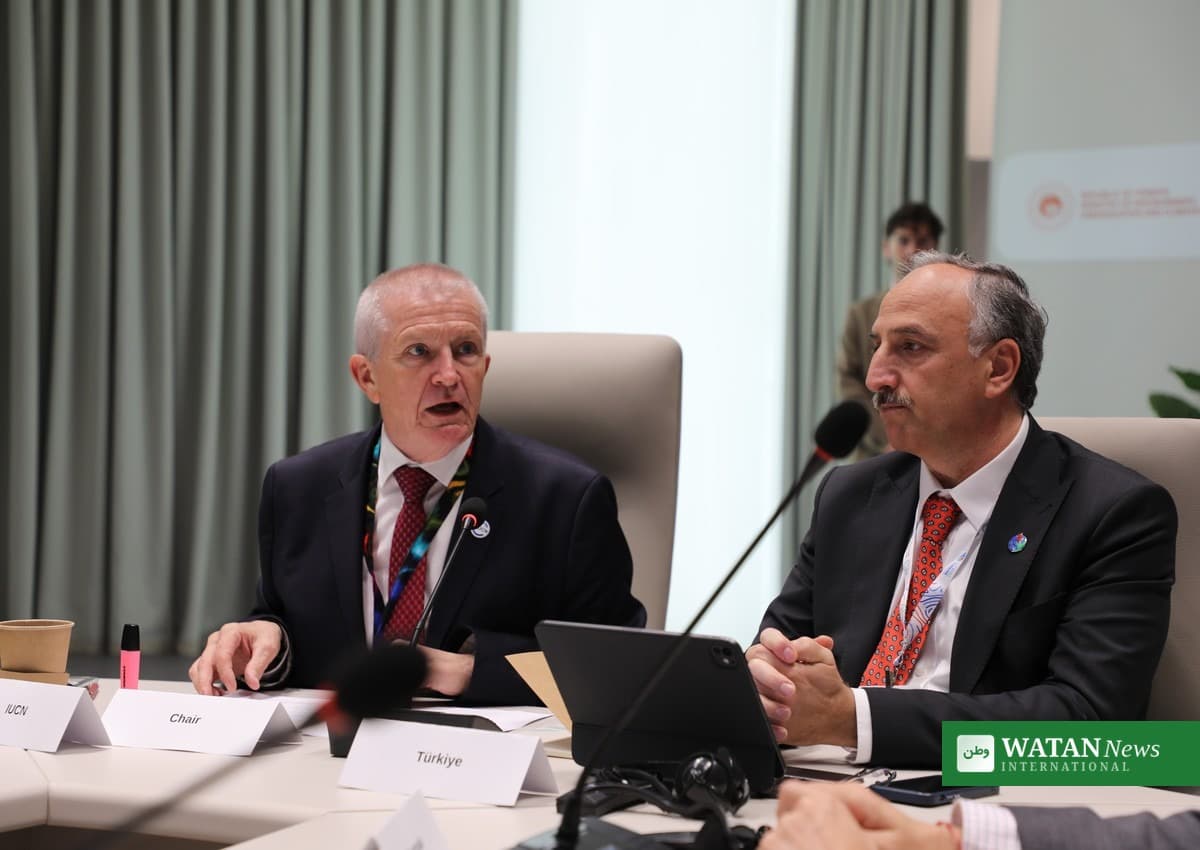
The launch was announced on 17 November by Bhupender Yadav, India’s Union Minister for Environment, Forest and Climate Change, at the Industry Leaders’ Roundtable in Antalya. The roundtable was co-chaired by Yadav and Helena Dyrssen, State Secretary at Sweden’s Ministry of Climate and Enterprise, and attended by Selwin Hart, Special Adviser and Assistant Secretary-General at the United Nations.
LeadIT was first launched jointly by India and Sweden in 2019 to accelerate the decarbonisation of energy-intensive industries. Its third phase, covering 2027 to 2030, marks a turn towards implementation: turning industrial transition commitments into projects that can attract financing and show measurable results.
What LeadIT 3.0 will do
The new phase centres on three priorities:
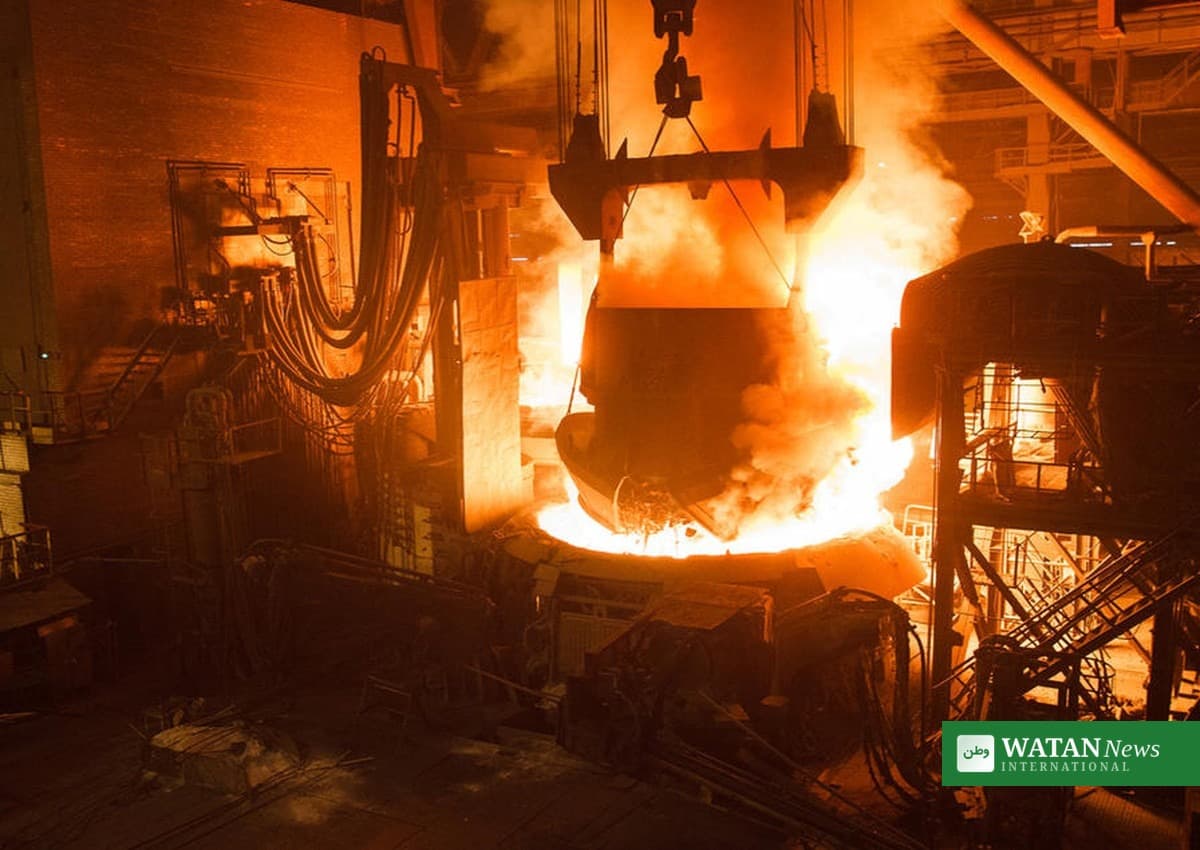
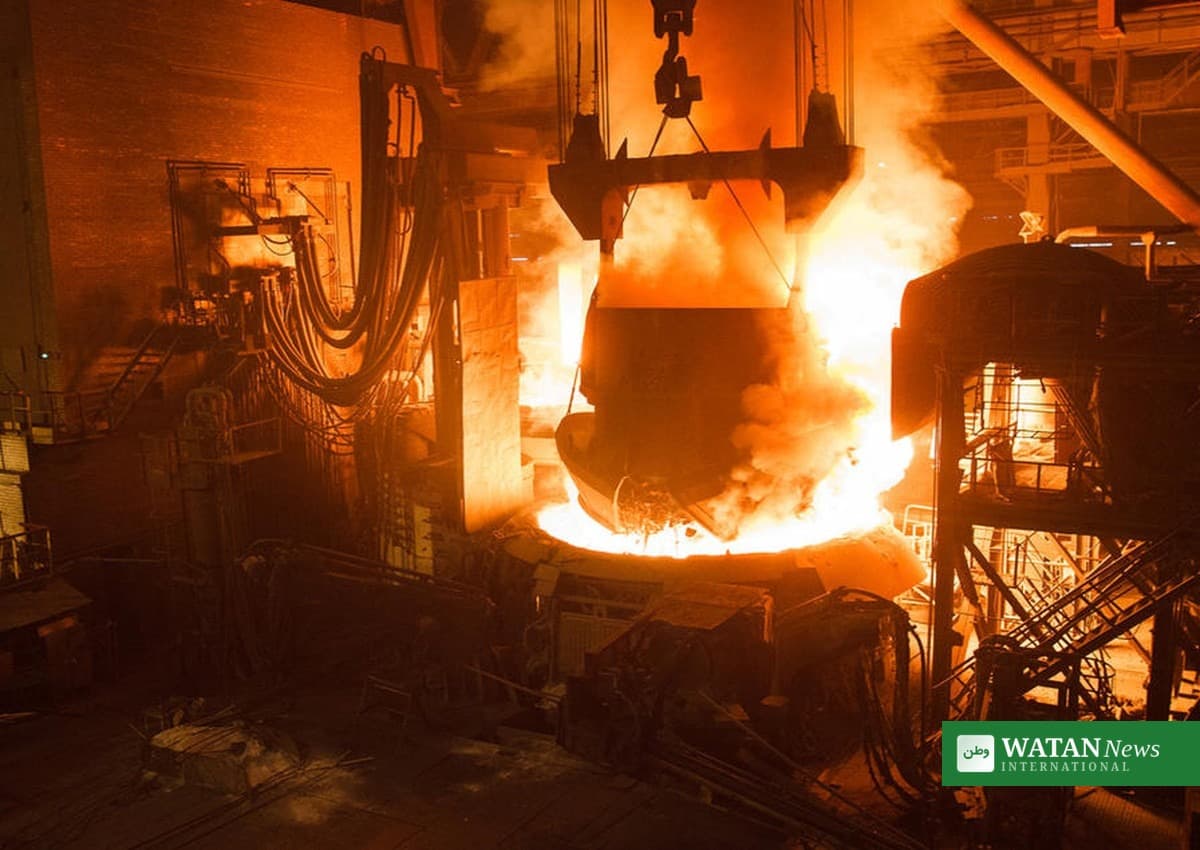
- Technology development and diffusion — spreading low-carbon technologies through industrial projects, including hydrogen-based ironmaking, electrification of industrial heat, carbon capture and utilisation, and improved material efficiency.
- Capital mobilisation and de-risking — connecting projects with finance and reducing investment risks so clean industrial projects become financially viable.
- Capacity and policy support — strengthening skills, carbon markets and workforce transition so the shift supports workers and developing economies.
Steel, cement and transport will remain the initiative’s core sectors, while the platform stays open to new sectors and emerging technologies. Membership has grown to 20 countries and 33 companies, with Brazil joining as the newest country member — a step the organisers say strengthens the participation of developing economies.
From pilots to projects
The second phase of LeadIT supported 11 pre-pilot projects in steel and cement under the India-Sweden Industry Transition Partnership, exploring hydrogen-based steelmaking, electrified industrial heat, carbon capture, alternatives to conventional clinker in cement, industrial circularity and the use of artificial intelligence to reduce cement demand. The platform also supported South Africa’s investment plan under the Climate Investment Funds and Ethiopia’s work on low-carbon cement.
Addressing the roundtable, Yadav called on countries and companies to move beyond feasibility studies and advance towards pilot projects, demonstrations and wider replication. He said industrial decarbonisation must create opportunities for workers, local communities and developing economies, and that India’s development priorities — poverty reduction, energy access, job creation and infrastructure expansion — must advance alongside its low-carbon transition.
Yadav also pointed to India’s reported progress: a 37.38 per cent reduction in emissions intensity between 2005 and 2022, half of installed electricity capacity now from non-fossil fuel sources — five years ahead of target — and an additional forest carbon sink of around 2.44 billion tonnes of carbon dioxide equivalent.
A day of green industry events in Antalya
The launch headlines a full day of industry-focused events at COP31 today, 18 November, centred on the UNIDO Pavilion (C200, B2) in the Blue Zone. All times are local:
- 09:30–11:00 — Steel Decarbonisation: Roadmaps to Investment, UNIDO Pavilion.
- 12:00–13:00 — Financing Industrial Decarbonization at Scale in Emerging Markets, Climate Funds Pavilion (D230), hosted by the Global Environment Facility, the Climate Investment Funds and UNIDO.
- 13:00–14:00 — Closing the Offtake Gap: launch of UNIDO’s Hydrogen Bridge, Climate Funds Pavilion (D230), connecting industrial hydrogen demand with producers, technology providers and financiers.
- 14:00–15:00 — Technology-Driven Green Industrialization: Examples from Turkey, UNIDO Pavilion.
- 15:30–17:00 — 25 years of the Least Developed Countries Work Programme, the Least Developed Countries Expert Group, the Least Developed Countries Fund and adaptation support, Special Event Room 5, hosted by the Global Environment Facility with the UNFCCC LDC Group.
- 16:00–17:00 — International Hydrogen Fuel Cell Association session, UNIDO Pavilion.
FAKTA
- What: LeadIT 3.0, the third phase of the Leadership Group for Industry Transition.
- Launched: 17 November 2026, Industry Leaders’ Roundtable, COP31, Antalya.
- By: India and Sweden, the initiative’s co-founders since 2019.
- Period: 2027–2030.
- Membership: 20 countries and 33 companies; Brazil is the newest member.
- Core sectors: Steel, cement and transport.
- Second phase: 11 pre-pilot projects in steel and cement.
Industry at the centre of the ‘COP of Implementation’
The COP31 Presidency has described the conference as the “COP of Implementation”, and industry has become one of its most visible themes. Leaders at the summit have already backed the Antalya Green Industrialization Compact, which aims to attract investment into cleaner steel, cement and other industrial products while helping developing economies access low-carbon technologies. Read how more than 100 leaders backed the green industry compact on the summit’s first day.
UNIDO has also used its COP31 pavilion to launch the Transformation Pathways Initiative, which will support industrial decarbonisation and adaptation in 10 UNIDO member states, working with partners including the Green Climate Fund. No total funding figure or country list has been disclosed for the initiative so far.
With negotiations in their final week and ministers now in Antalya, the industry events offer one of the clearest tests of the COP31 promise: turning climate plans into projects, finance and jobs.