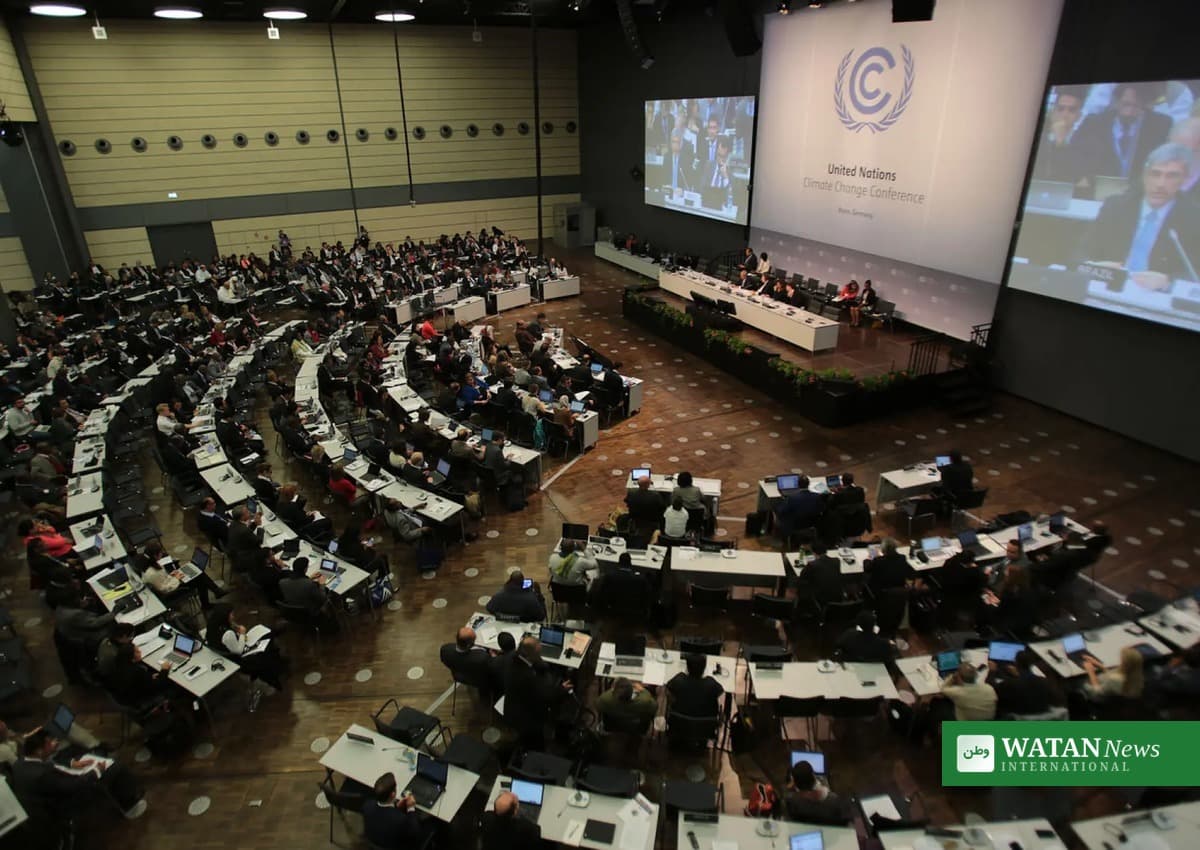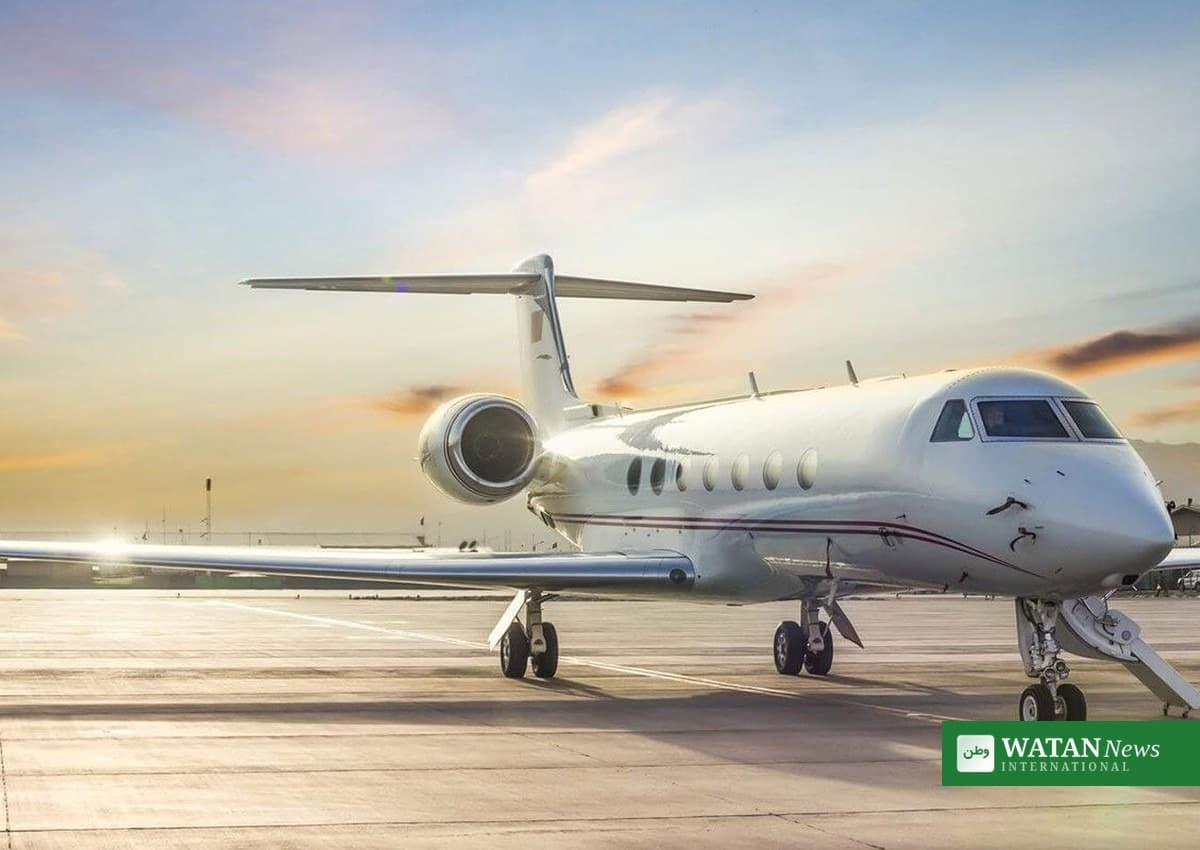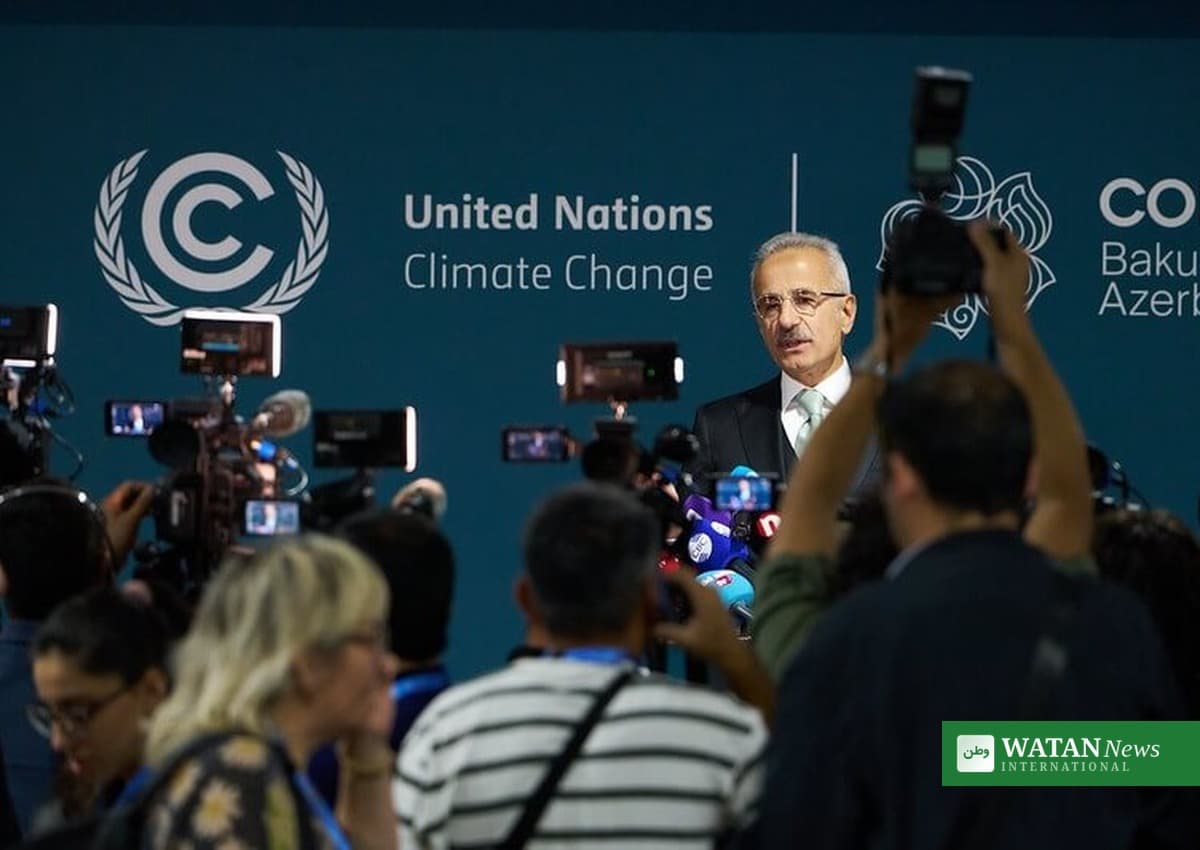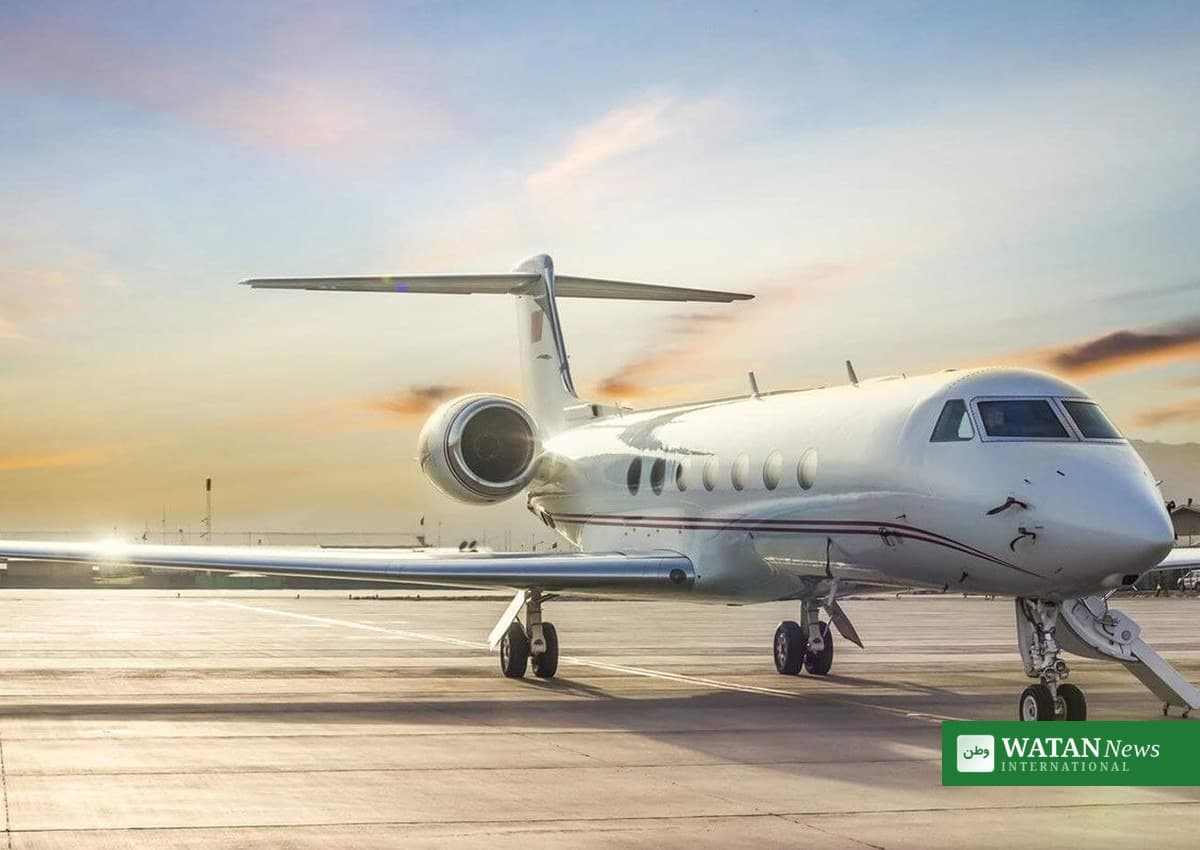
At least 87 private jets have landed at Antalya Airport since 7 November, in the days before and during the COP31 climate summit, according to new analysis by Oxfam. Together, the flights emitted an estimated 777 tonnes of carbon dioxide — as much as flying around the world more than three times.
The finding puts the spotlight on the most carbon-heavy way to travel, at a summit where world leaders are negotiating how to cut the emissions that are driving floods and record heat. Oxfam notes that not all passengers on the flights will necessarily be attending the summit.
What Oxfam counted
Oxfam’s analysis of data from the flight tracker Polluterjet found that 87 private jets landed at Antalya Airport between 7 November and the publication of its findings on 11 November. That is nearly 22 times more than the number that landed in the same period last year, according to Oxfam.
By comparison, 66 private jet journeys were recorded during the whole of COP30 in Belém, Brazil, last year, emitting 114 tonnes of carbon dioxide, according to Oxfam. CNN reported on 12 November that the Antalya count had since risen to 93 jets.
One flight, six years of emissions
One of the jets counted belonged to Nigerian businessman Aliko Dangote. Oxfam says it flew about 4,370 kilometres from Lagos to Antalya, emitting an estimated 30 tonnes of carbon dioxide — roughly as much as the average person emits in six years.
The wider picture is stark. Oxfam’s analysis of private jet data finds that in 2025, private jets flew four billion kilometres worldwide, equivalent to circumnavigating the Earth 105,000 times. On average, each private jet flight emitted as much carbon pollution as the average person does in an entire year.
Only about 250,000 people use private jets, equivalent to 0.003 percent of the world’s population, according to Oxfam. In 2025, 68 percent of private jets departed from the United States, home to four percent of the world’s population.
The contrast with COP31’s green travel
The private jet arrivals stand in sharp contrast to the COP31 Presidency’s own green travel operation in Antalya. More than 550 vehicles, most of them electric and hybrid, are providing free public transport for participants on seven main routes, and a light rail line between the city centre, the airport and the venue is also free. Read more about how COP31 is moving its delegates around Antalya.
The presidency has made low-emission transport one of its ten priority areas for the summit, alongside zero waste, clean energy and climate-resilient cities.
Oxfam’s call: tax COP31 private jets
Oxfam is calling on governments at COP31 to tax private jets, arguing that the most polluting luxuries of the super-rich should help pay for climate action. “Taxing private jets is an obvious first step,” said Oxfam International Executive Director Amitabh Behar.
The Global Solidarity Levies Task Force estimates that taxing private jets could raise about $45 billion a year — nearly 12 times the amount rich countries gave to UN climate funds in 2025, according to Oxfam. Oxfam Scotland has urged ministers to set an “unapologetically high” tax on such flights.
Oxfam is also pressing governments at COP31 to triple grant-based adaptation finance to at least $120 billion a year, and to show how they will deliver the $300 billion annual climate finance goal.
The wider picture: floods and heat records
Oxfam published the private jet figures alongside new analysis of the climate impacts already hitting the world’s poorest people. Flood deaths this year have reached their highest level since 2013, with 8,123 deaths recorded between January and September 2026, according to the disaster database EM-DAT. Around three-quarters of the deaths were in Nepal, where August floods killed 6,250 people.
Between January and September 2026, monthly temperature records were broken in 106 countries, according to temperature data from the Copernicus Climate Change Service. Oxfam’s analysis finds that the carbon pollution of a person in the richest 1 percent has contributed 100 times more to today’s extreme heatwaves than that of someone in the poorest half of humanity.
Key facts
- 87 private jets landed at Antalya Airport between 7 November and 11 November 2026, according to Oxfam’s analysis of Polluterjet data.
- The flights emitted an estimated 777 tonnes of carbon dioxide, as much as flying around the world more than three times.
- That is nearly 22 times more jets than in the same period last year; COP30 in Belém recorded 66 private jet journeys in total.
- One flight, from Lagos to Antalya, emitted about 30 tonnes of carbon dioxide — roughly the average person’s emissions over six years.
- In 2025, private jets flew four billion kilometres worldwide, equivalent to 105,000 trips around the Earth.
- Taxing private jets could raise about $45 billion a year, the Global Solidarity Levies Task Force estimates.