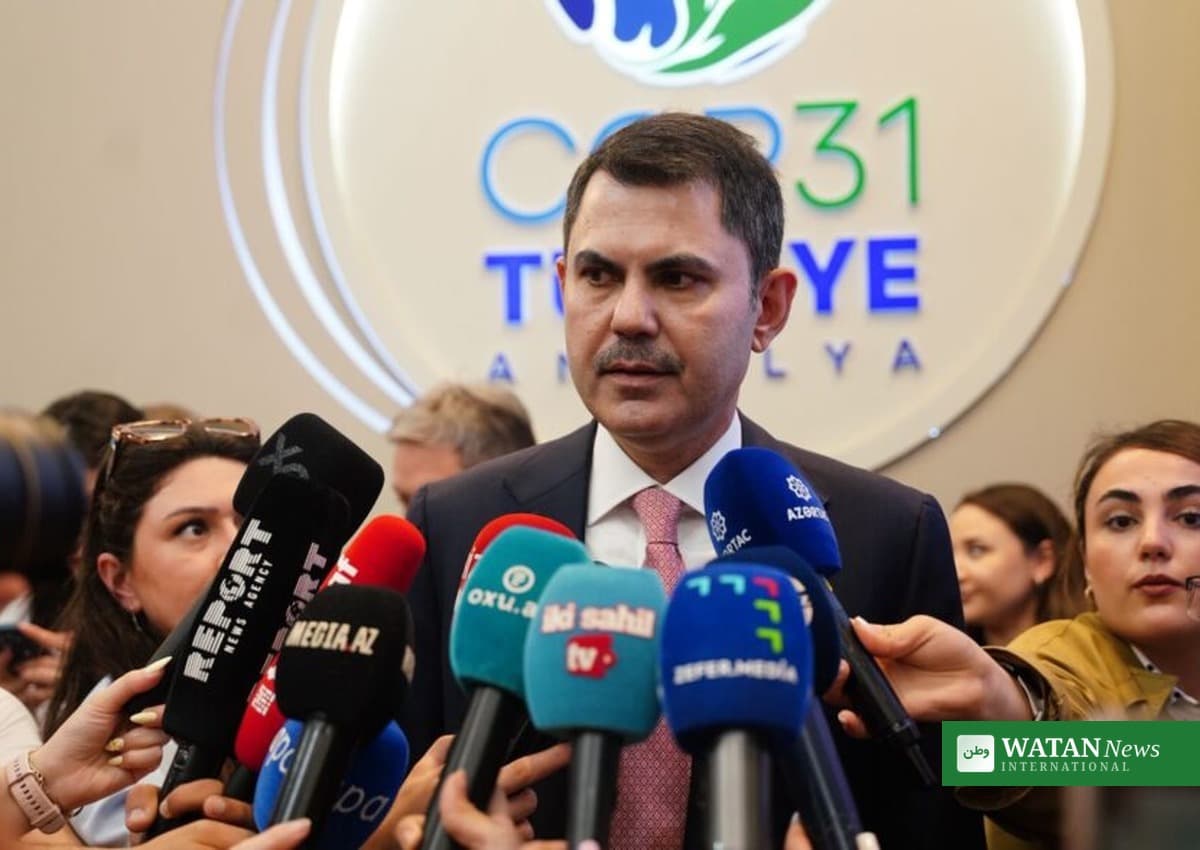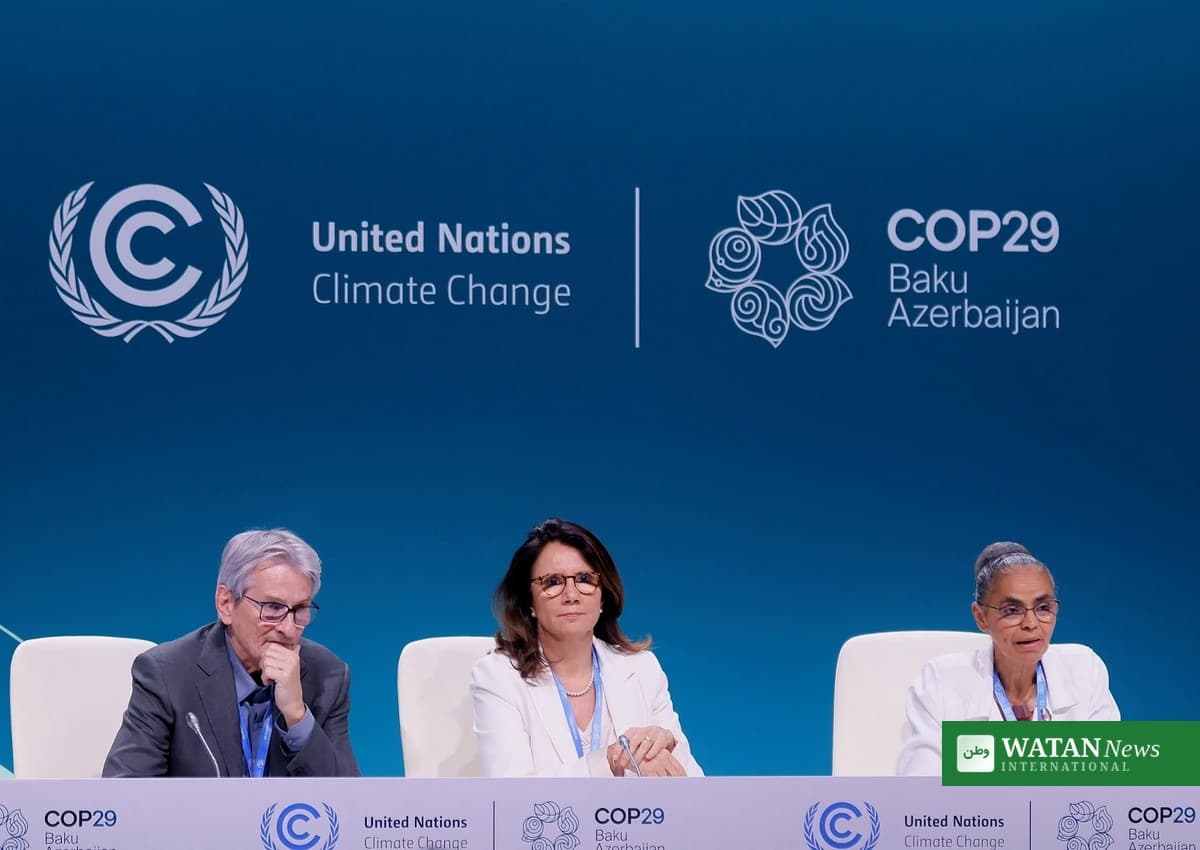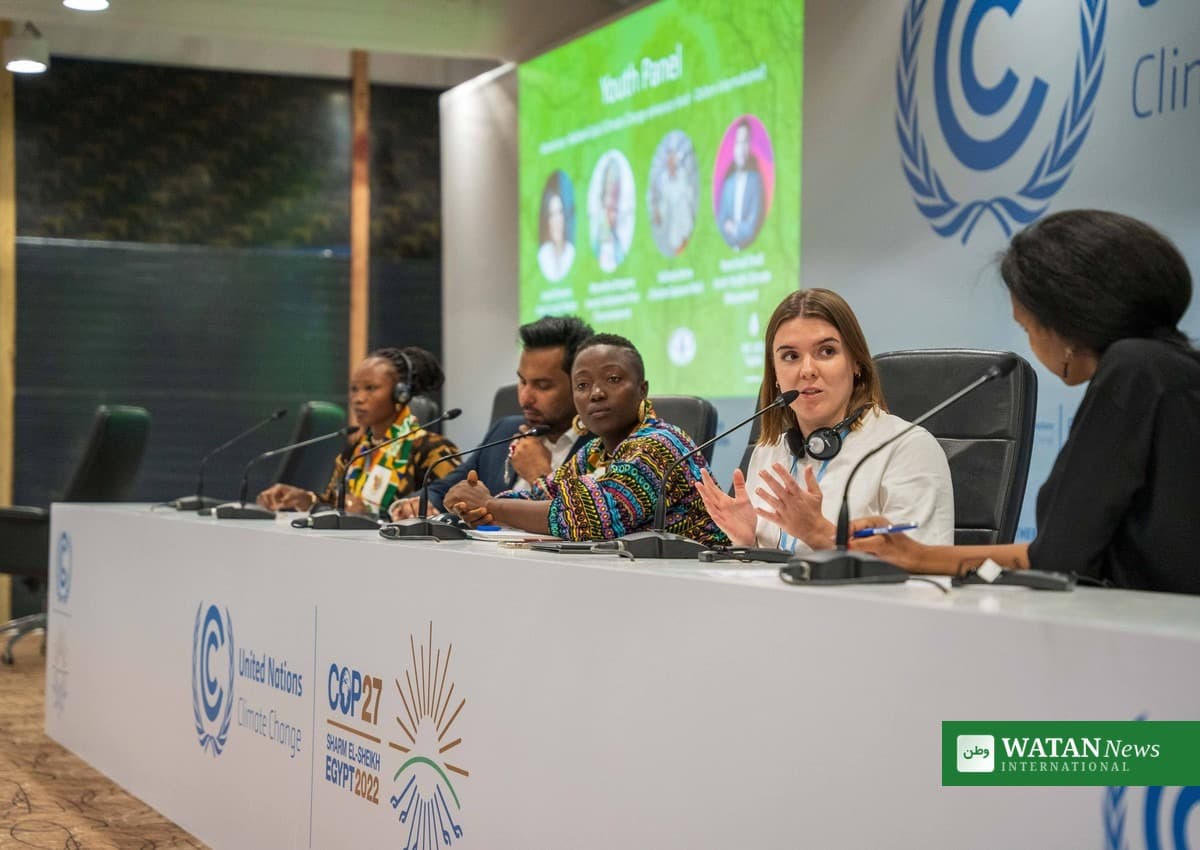
As COP31 enters its final days in Antalya, young people are no longer only outside the negotiating rooms asking to be heard. They are inside them. From Pakistan’s youth delegation to trained youth negotiators from 79 countries, a new generation is carrying its demands into the talks that will decide what the summit delivers when it closes on Friday, 20 November.
The shift is visible across the conference. Young founders, students and trained negotiators are sitting in national delegations, speaking in plenary halls and pressing for their priorities — faster cuts in emissions, a just transition, climate education and finance that reaches the communities facing the worst impacts — to be written into the final COP31 decisions.
Pakistan’s youth delegation reaches Antalya
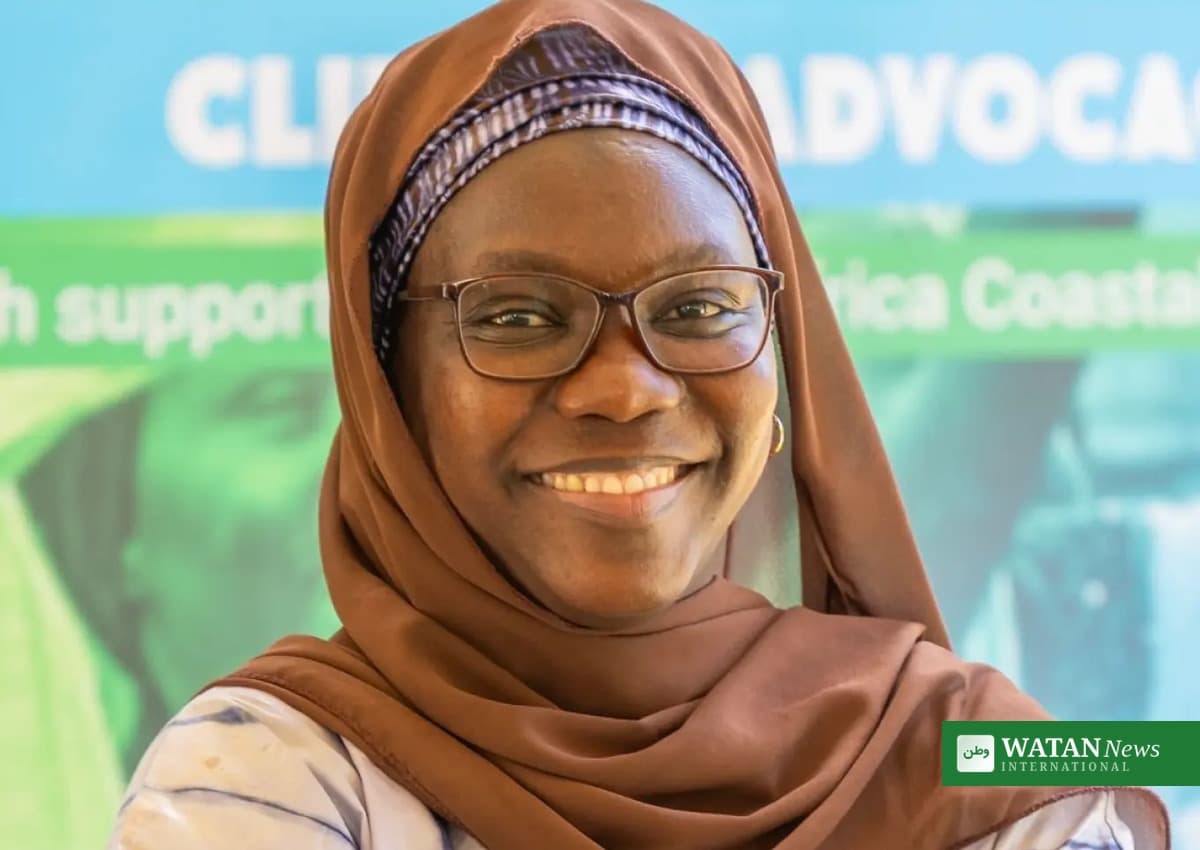
Roshni Anwar, founder of the startup HerSpace, has represented Pakistan’s startup community at COP31 as part of the Prime Minister’s Youth Programme delegation, in news reported on 18 November. The National Incubation Center Hyderabad, where her startup is based, is part of Pakistan’s national incubation programme, backed by the Ministry of Information Technology and Telecommunication and Ignite.
The delegation was led by Dr Muhammad Ali Malik, Joint Secretary of the Prime Minister’s Youth Programme, and brought together founders, students and young professionals to take part in international discussions on climate policy, climate action and global cooperation. Its stated purpose was to bring the views of young people to a forum where decisions on emissions, adaptation and funding are shaped — decisions that will shape the climate risks Pakistan faces, from floods and heatwaves to water stress, over the coming decades.
Pakistan contributes little to global emissions yet ranks among the countries most exposed to their effects, which is why having its young people present when the rules and funding promises are discussed matters. The experience gathered by the delegation is expected to feed back into the startup community in Hyderabad and into the youth networks of the Prime Minister’s Youth Programme.
From side events to the negotiating table
Pakistan’s delegation is part of a wider pattern at COP31. The Netherlands sent three youth representatives — Ishata Rostamkhan, Tommy Blomvliet and Thomas Karmarker — as members of the Kingdom delegation, making the voice of Dutch youth heard in the negotiations themselves. “Young people want to see more ambition,” Rostamkhan said. The Dutch government notes that the Netherlands is one of the few countries where young people are not only encouraged to express their views but can also take part in negotiations, and the delegation held a reception for young people from the Global South, where youth participation is sometimes limited.
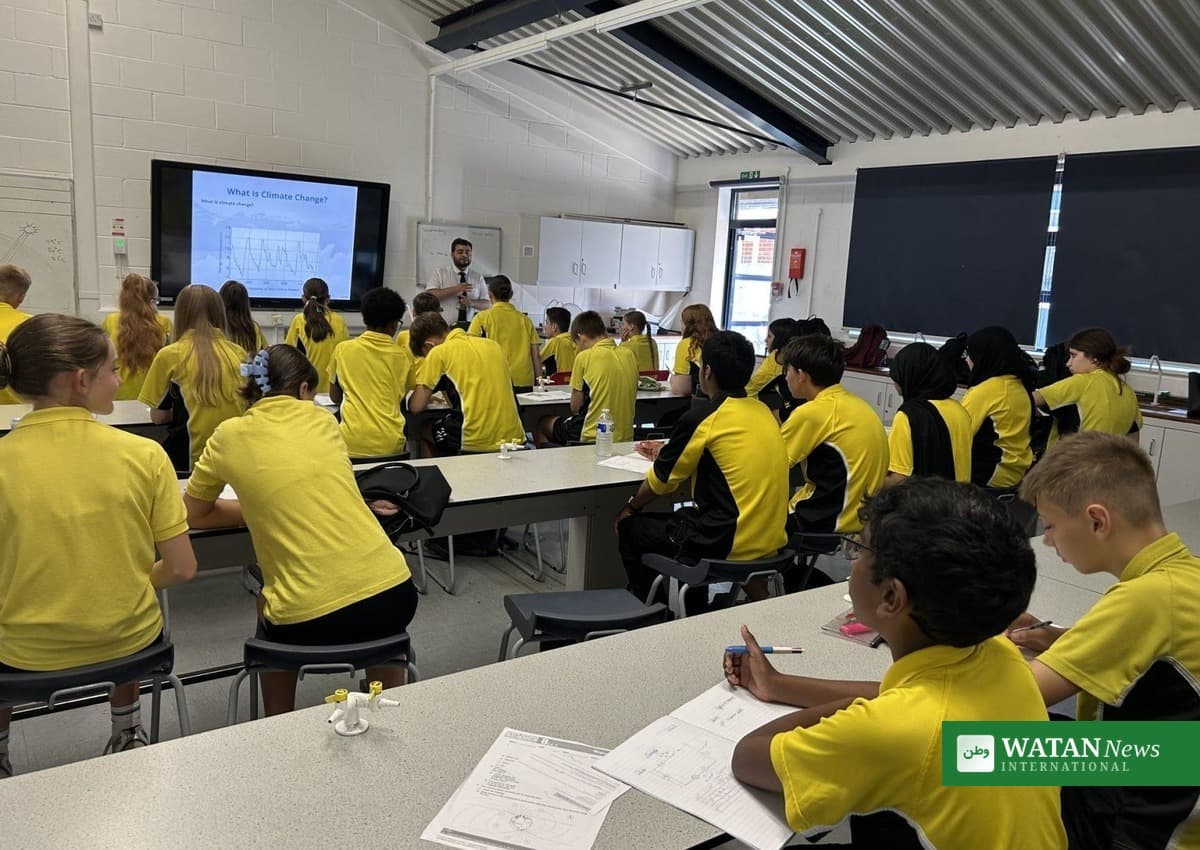
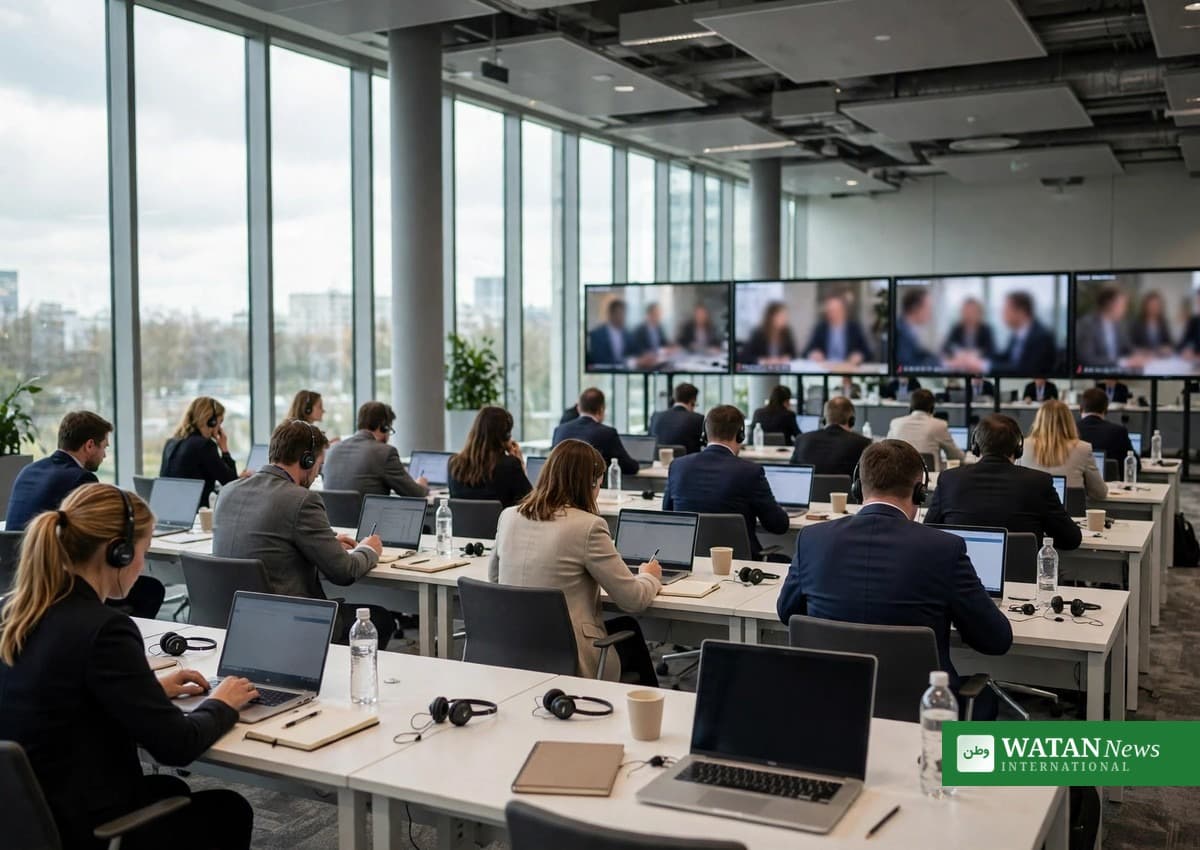
Behind many of the young faces in the rooms is formal training. The Youth Negotiators Academy delivered in-person training for the Climate Youth Negotiator Programme from 5 to 7 November, and in 2026 the programme reached 263 young people from 79 countries, who negotiate as part of their country delegations. The British Council, which supports the programme, is also providing funding for members of the trained cohort to attend COP31.
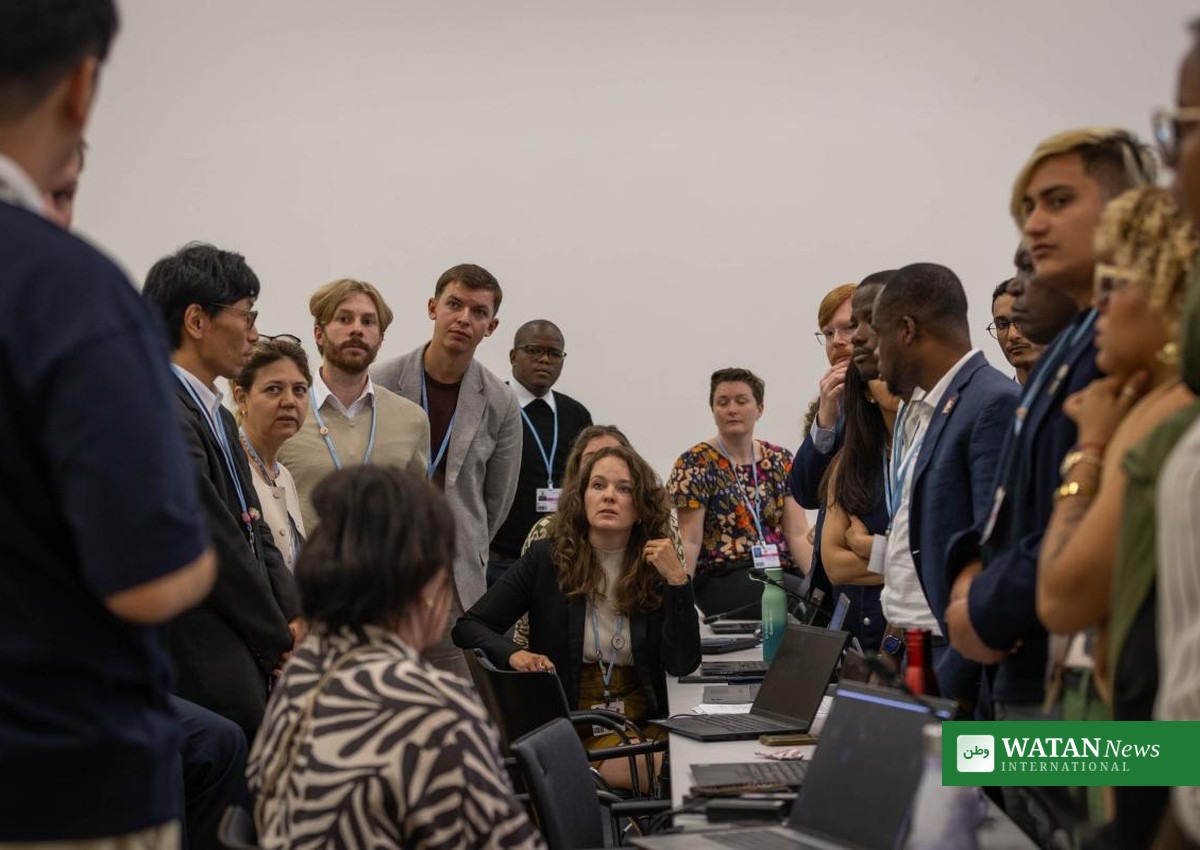
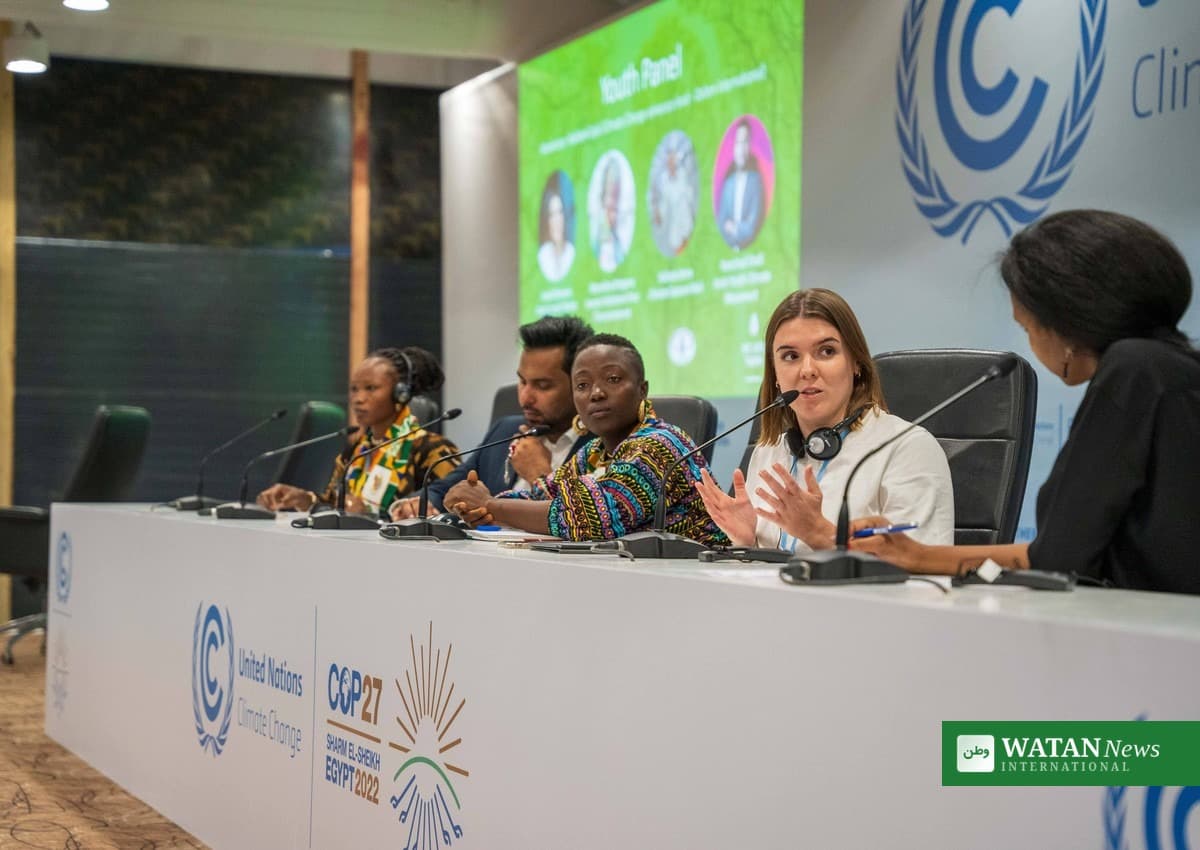
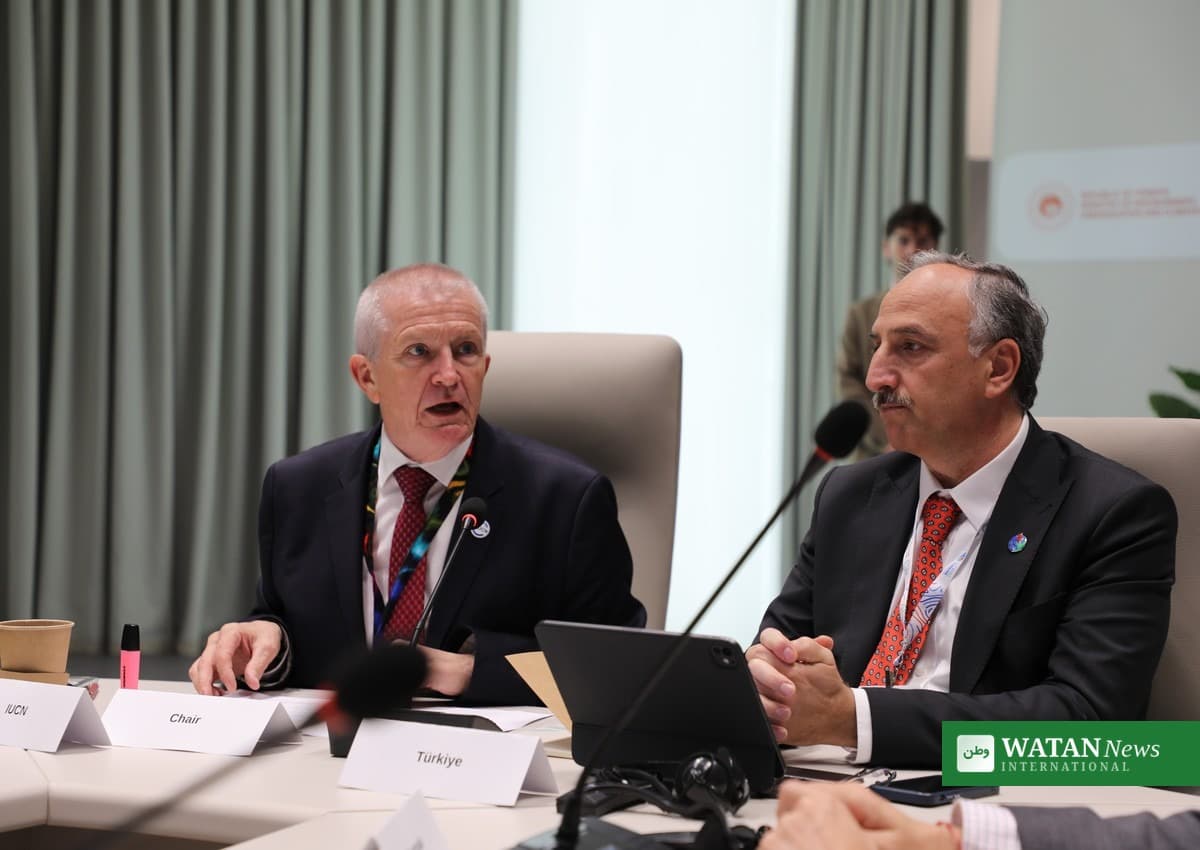
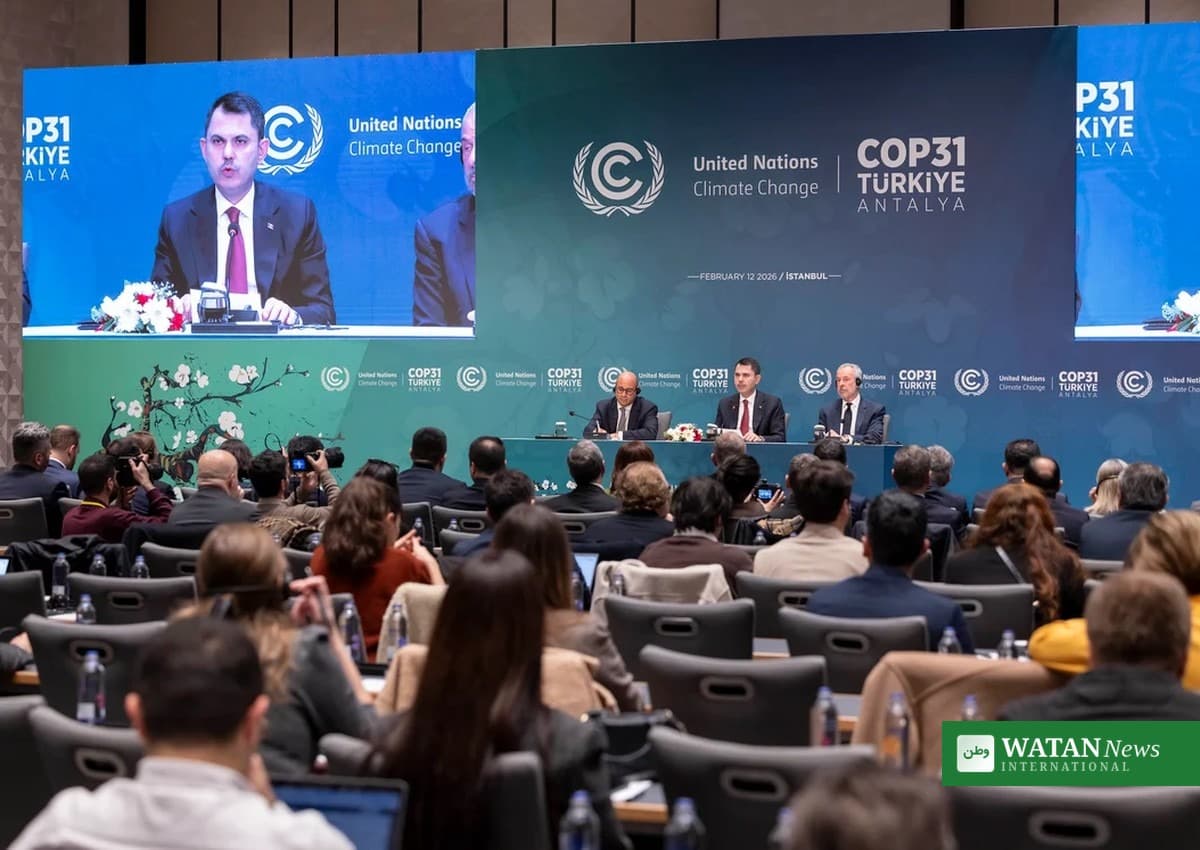
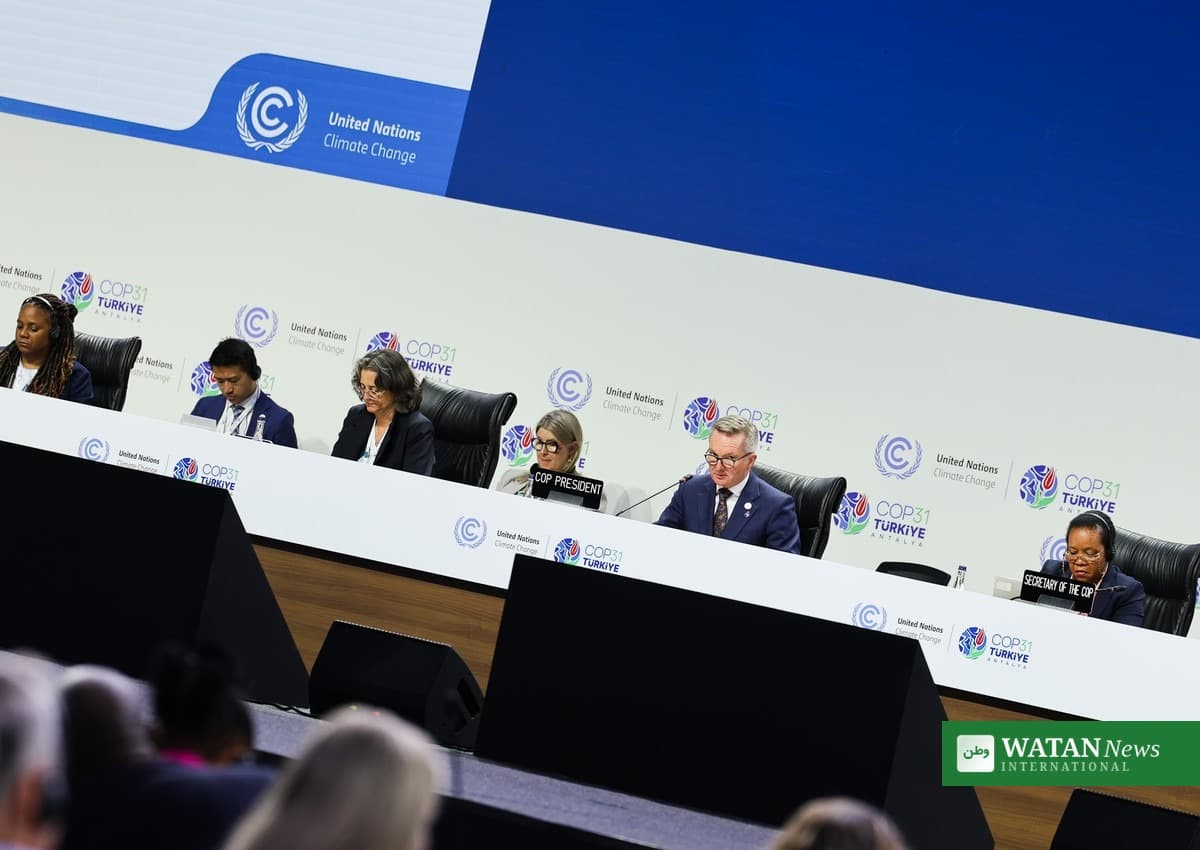
Young delegates discuss climate policy at a United Nations climate meeting.
Hong Kong sent a five-member youth delegation led by CarbonCare InnoLab, four of them graduates of its 7th Youth Climate Advocacy Training Programme and one a member of the Hong Kong Youth Climate Action Network. Alumni of the FXB Climate Advocates programme are also at COP31, some of them part of their countries’ youth negotiation delegations, including Mauricio Aaron Bravo Melendez of Peru, a member of the YOUNGO Policy Team.
The Children and Youth Pavilion, the only fully youth-led space inside the official conference, is marking its fifth consecutive year at COP31, with ten young spokespeople aged 14 to 31 following the negotiations.
What young people are asking for
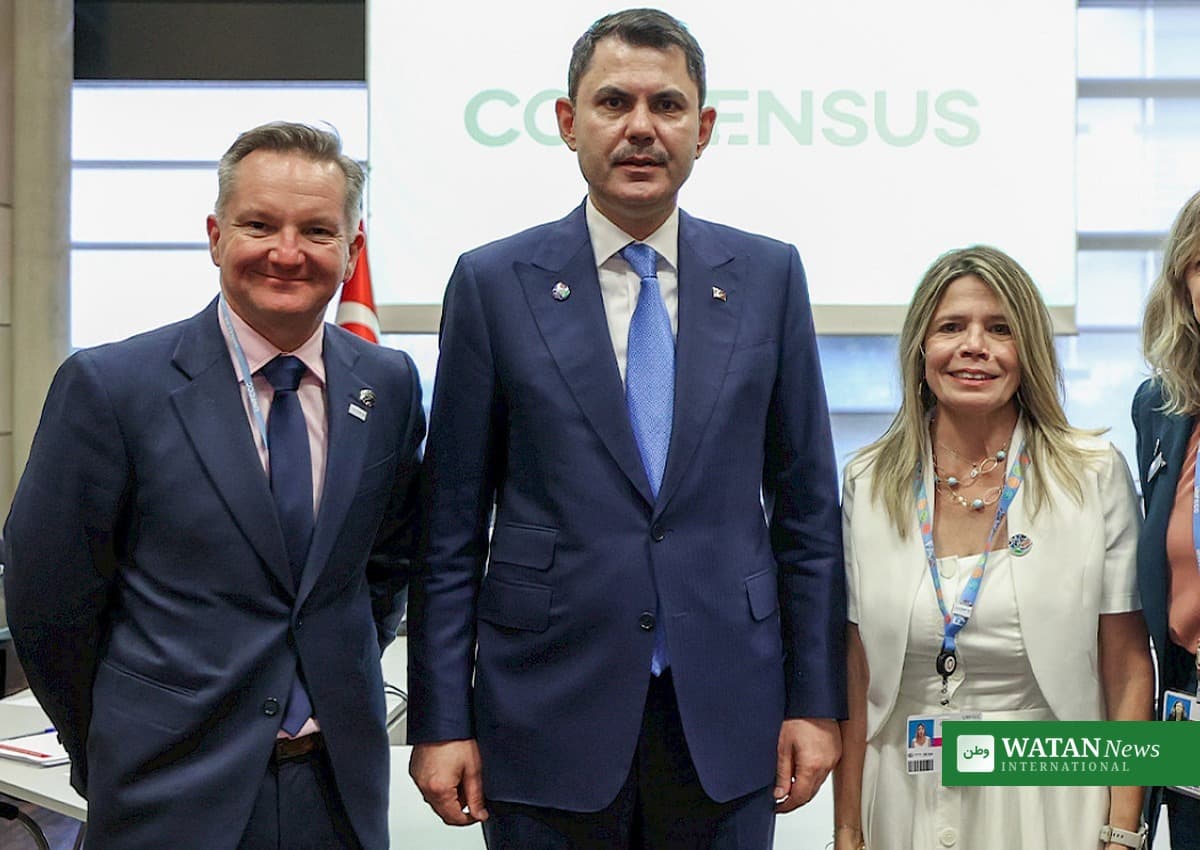
The demands young negotiators carry are written down. The Global Youth Statement 2026 brings together the priorities of more than 100,000 young people from more than 100 countries, gathered through local conferences of youth and agreed at the Conference of Youth, COY21, in Antalya on 5–7 November. It was presented to the COP31 Presidency, to Chris Bowen as President of Negotiations and to Sally Higgins, the COP31 Presidency Youth Climate Champion, and its priorities include speeding up the implementation of national climate plans, a fossil fuel phase-out, a just transition and the right to a healthy environment.
Hong Kong’s youth delegation brought its own statement, with five recommendations for its government: accelerate the energy transition, bring in adaptation measures and enforceable heat standards to protect outdoor workers, build a climate-resilient and low-carbon healthcare system, strengthen climate governance and information integrity, and build youth capacity through institutionalised youth engagement.
Pakistan’s government has also put youth proposals on the table at COP31. Federal Minister for Climate Change Dr Musadik Malik proposed a virtual green university, built through international academic partnerships, and a youth climate fund to finance young people’s climate ventures. Both remain proposals: no funding amount, application process or launch date has been announced.
FAKTA: Youth negotiators at COP31 at a glance
- COP31 runs from 9 to 20 November 2026 in Antalya, Türkiye, and closes on Friday, 20 November.
- Pakistan’s Prime Minister’s Youth Programme delegation includes Roshni Anwar, founder of HerSpace at the National Incubation Center Hyderabad, led by Dr Muhammad Ali Malik.
- The Netherlands’ delegation includes three youth representatives: Ishata Rostamkhan, Tommy Blomvliet and Thomas Karmarker.
- The Climate Youth Negotiator Programme reached 263 young people from 79 countries in 2026.
- The Global Youth Statement 2026 carries the priorities of more than 100,000 young people from more than 100 countries.
- The Children and Youth Pavilion is in its fifth year, with ten spokespeople aged 14 to 31.
What to watch as COP31 closes
The test of this youth presence comes in the final texts. The Global Youth Statement has been presented to the COP31 Presidency and to the President of Negotiations, and youth groups are pressing for its priorities — faster implementation of climate plans, a fossil fuel phase-out and a just transition — to be reflected in the decisions adopted as the conference closes.
Young people have already shaped the summit’s second week in other ways. On 13 November, Youth Climate Champion Sally Higgins launched Back Future Farmers, a global initiative to give young people a future in agriculture, and on 17–18 November young innovators raced the clock in the COP31 Climate Technologies Creathon final in Antalya. Whether the negotiating rooms now match that energy with decisions is the question the final days will answer.
For the young negotiators themselves, the work does not end in Antalya. The next test is at home: turning the promises made at COP31 into national climate plans, classrooms that teach climate change, and funding that reaches young innovators.