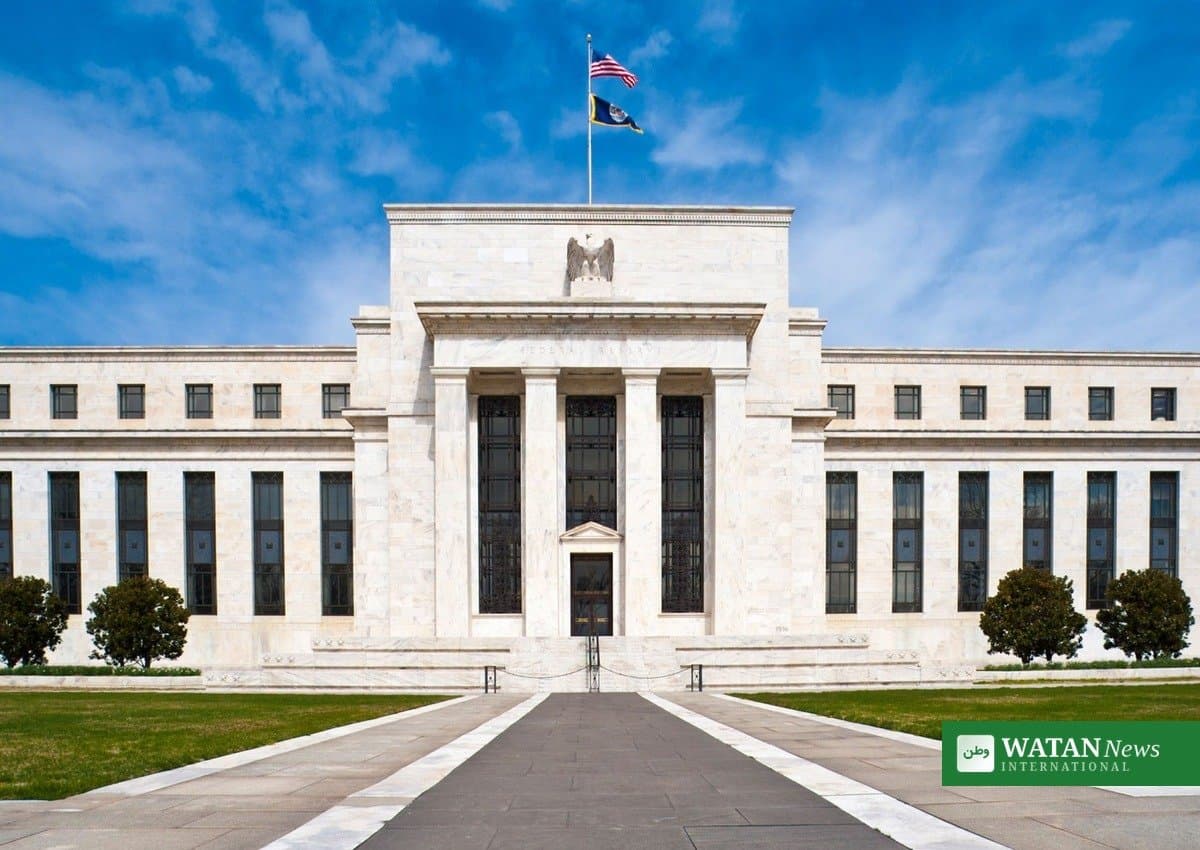
The Federal Reserve holds interest rates steady, leaving its benchmark rate unchanged at its October meeting as policymakers wait for more evidence on inflation ahead of the United States midterm elections, according to Reuters and USA Today reporting on the Federal Open Market Committee decision and Chair Kevin Warsh’s news conference.
FAKTA
- Decision: The Federal Reserve left its benchmark federal funds rate unchanged at 3.75% to 4.00% on October 28.
- Vote: The decision passed 10-2. Governor Lisa Cook and Cleveland Fed President Beth Hammack dissented, preferring a quarter-point increase.
- Economy: The committee said economic activity is expanding at a “strong pace”, while inflation “remains elevated”. Consumer prices rose 3.7% in the year to September, above the Fed’s 2% target.
- What is next: Traders are pricing in about a 78% chance of a quarter-point increase at the Fed’s final meeting of the year in December.
- Warsh’s pledge: Fed Chair Kevin Warsh said the central bank “will deliver price stability, no ifs ands or buts”.
Why the Federal Reserve Holds Interest Rates Steady
The decision, announced on Wednesday, October 28, was widely expected. It follows a quarter-point increase in September, the central bank’s first rate rise in more than three years, and leaves borrowing costs on hold while officials assess the effect of that move.
In its statement, the committee said domestic spending has been resilient, productivity growth is strong and capital investment is robust, with job gains keeping pace with the workforce and the unemployment rate little changed. At the same time, it said uncertainty remains elevated, owing in part to geopolitical developments.
“The accumulation of more information will help the Committee determine the policy stance appropriate to ensure a timely return of inflation to the Committee’s 2 percent goal,” the statement said. “The Committee will deliver price stability.”
Reuters reported that the Fed opted to delay any change to borrowing costs until after next week’s midterm elections on November 3, while it awaits further data on inflation.
A Divided 10-2 Vote
The 10-2 split underlined the disagreement inside the committee. Cook and Hammack both preferred to raise the target range by a quarter of a percentage point at this meeting, arguing that inflation, still well above target, warranted further tightening.
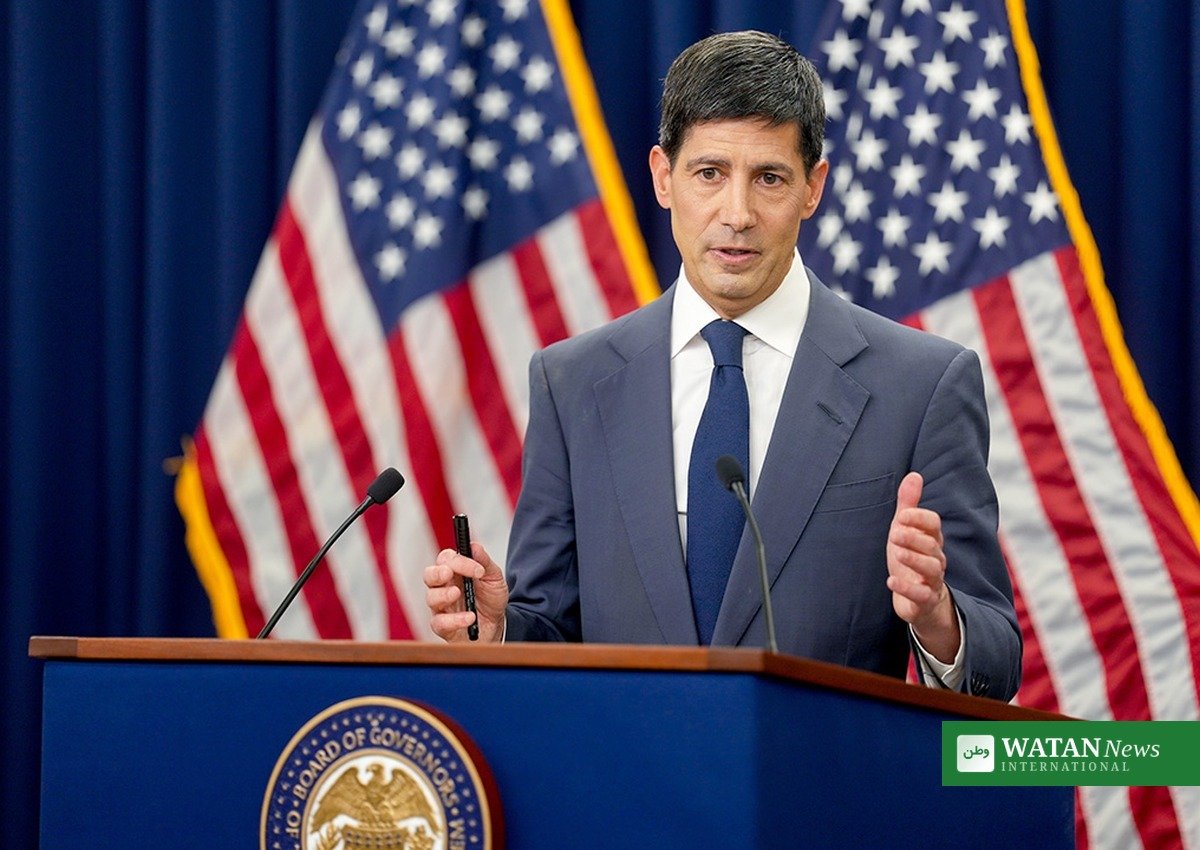
The majority chose to wait. Warsh told reporters that the period ahead is information-rich, saying: “My colleagues and I are keen to take notice of it.” He added that officials will determine “the appropriate protocol” to deliver the price stability they promised in June.
Warsh: Price Stability “No Ifs, Ands or Buts”
At his news conference, Warsh expressed confidence that inflation can be brought back to the 2% target without having to “throw sand in the gears” of the economy or slow growth or raise unemployment. He said he does not judge the economy to be running too hot or generating demand-driven inflation that needs to be curbed, pointing to productivity gains that may allow faster growth without as much inflation.
Warsh also said he expects a report on third-quarter gross domestic product, due on Thursday, to show strong investment and consumer spending and an acceleration of growth from the first half of the year.
Looking further ahead, Warsh announced a change to the committee’s meeting schedule: from 2027, one meeting that year and two meetings in 2028 will be dedicated to broad monetary policy strategy, with no rate vote or policy statement. The committee will still hold eight meetings a year.
Markets Steady as December Hike Bets Rise
Financial markets took the decision in their stride. Reuters reported that the US dollar steadied in early Asian trading on Thursday after the hold, with the euro easing 0.15% to $1.1134 and the dollar up 0.14% against the Japanese yen at 158.045. The dollar index stood at 102.26, while the two-year Treasury yield, which moves closely with rate expectations, was last down 2.3 basis points at 4.712%.
Traders, who were already expecting another quarter-point increase at the Fed’s final meeting of the year, are now even more confident one will come in December, according to CME FedWatch data cited by USA Today and Reuters, which put the chance at about 78%.
For more business and economy coverage, visit Watan News International’s Business section.
What Comes Next
Attention now turns to the run of economic data before the December meeting, including the third-quarter growth figures and fresh inflation readings. Warsh offered limited forward guidance and gave no clear steer on a December move, a silence traders read as dovish, according to market strategists cited by Reuters.
The Fed’s message, in short, is patience: rates stay where they are for now, with the next move depending on the information still to come.