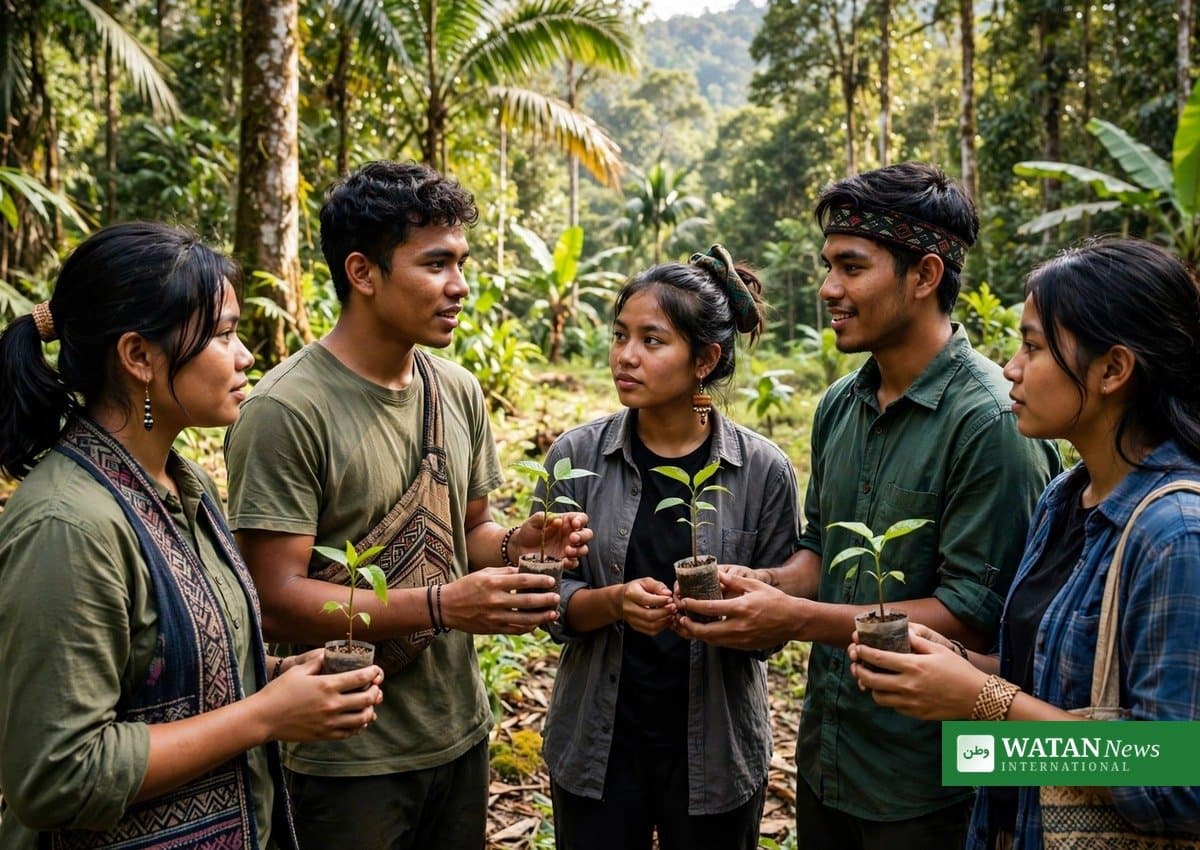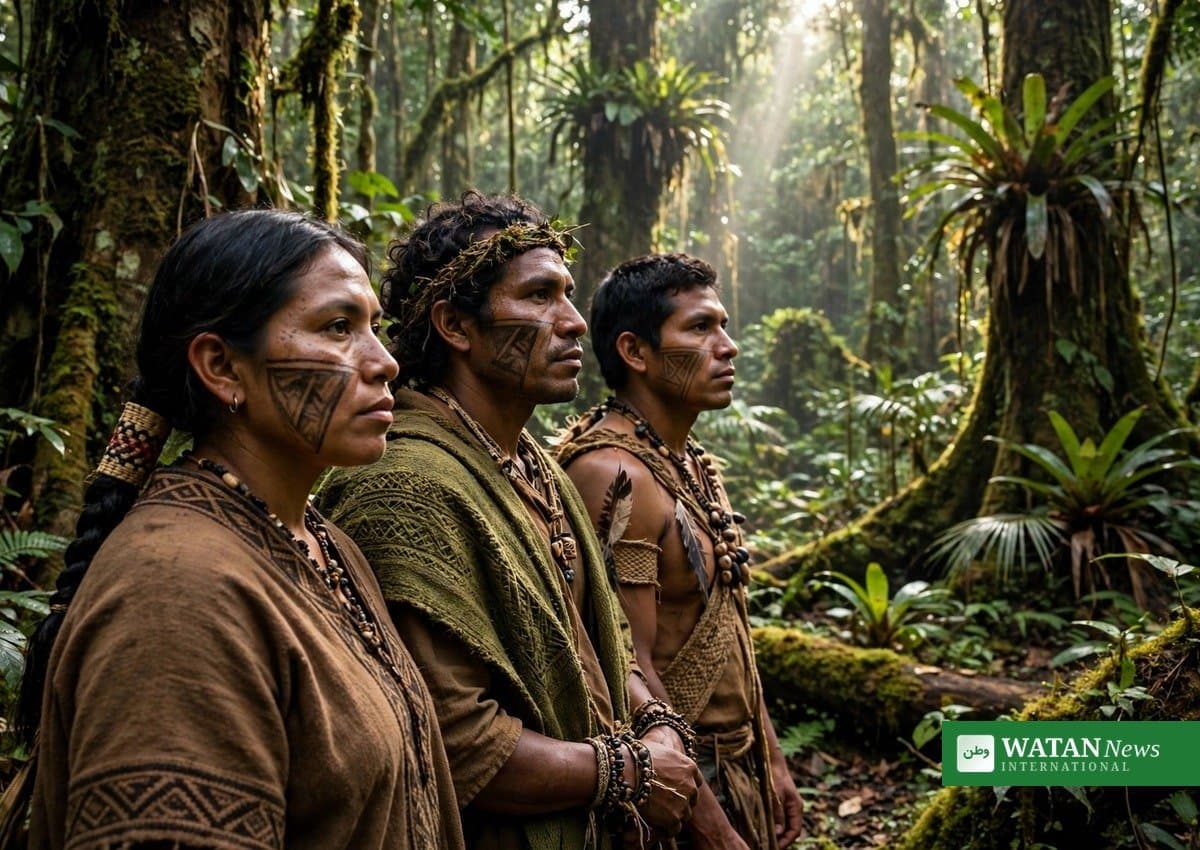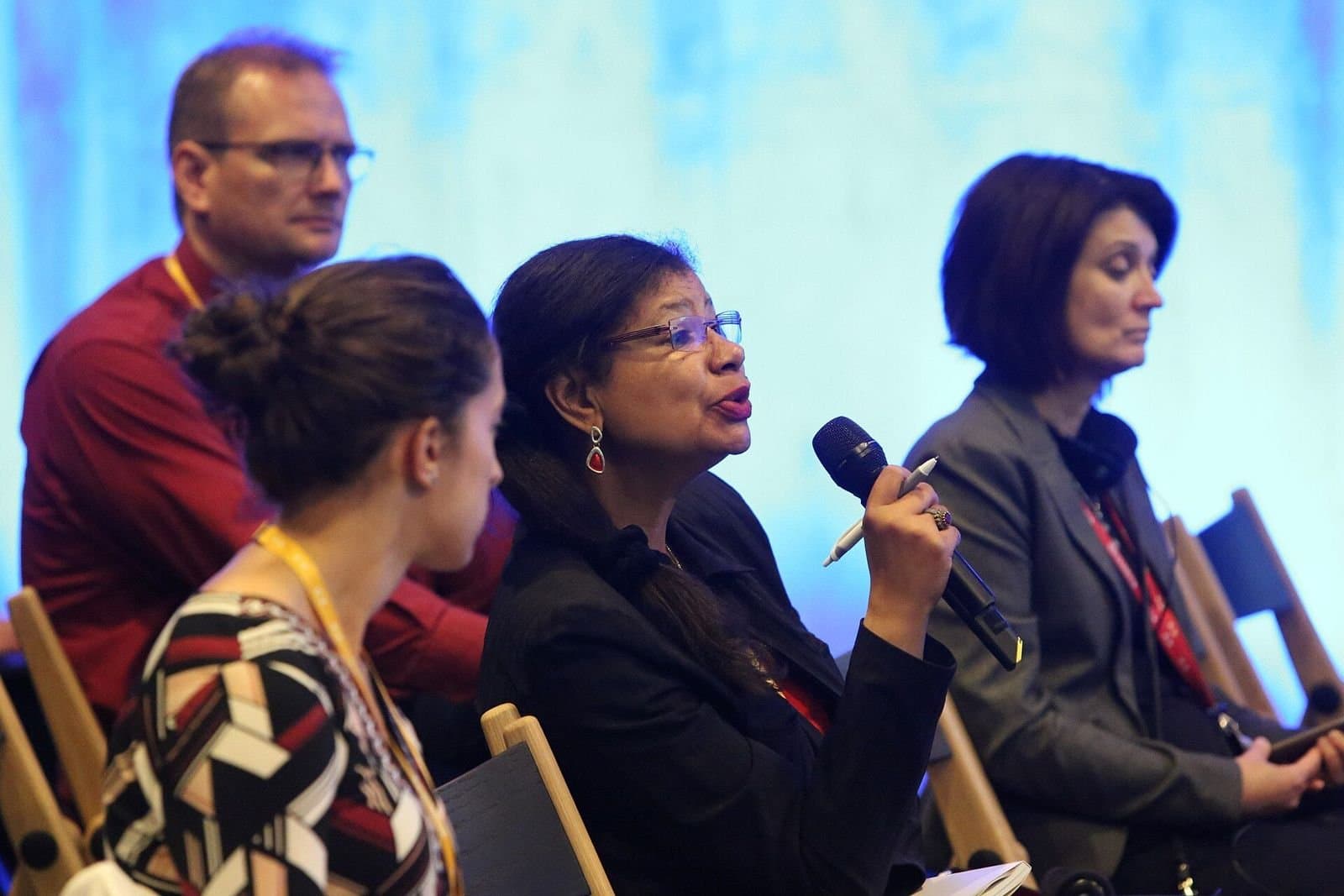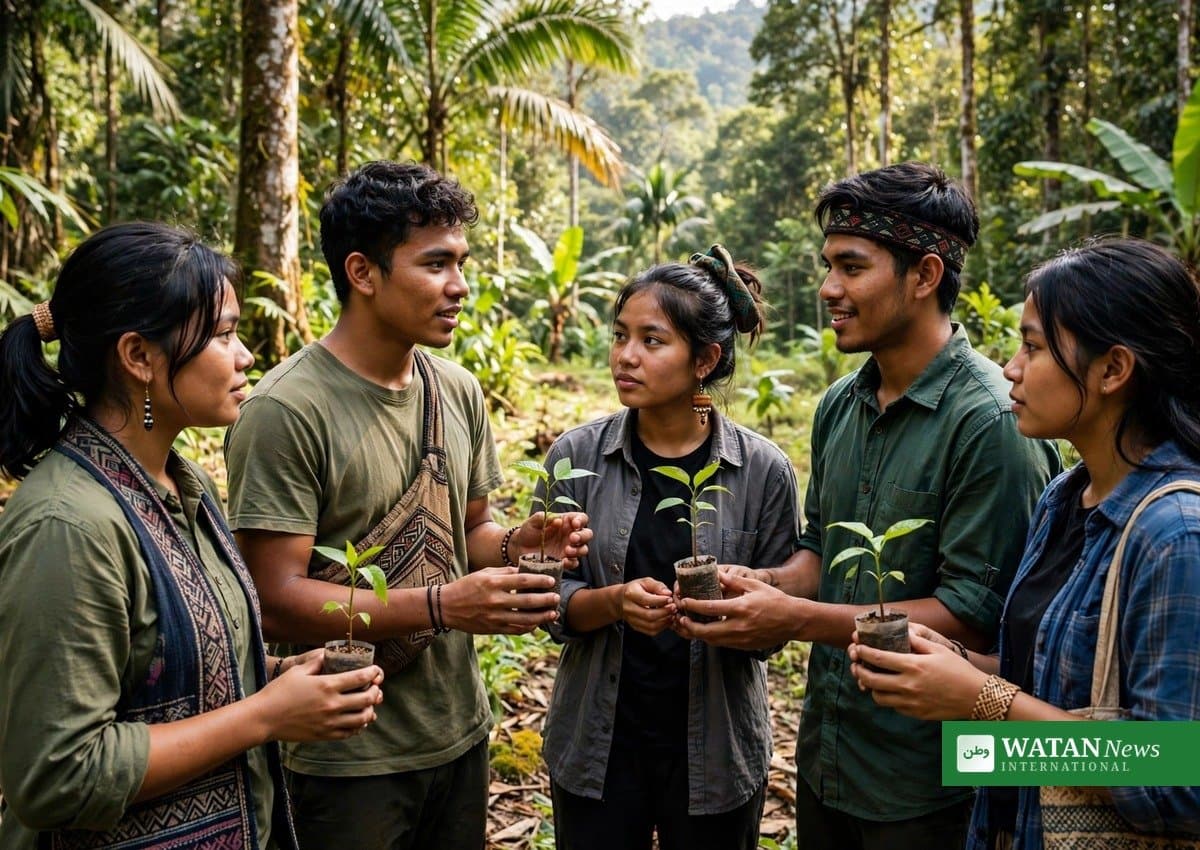
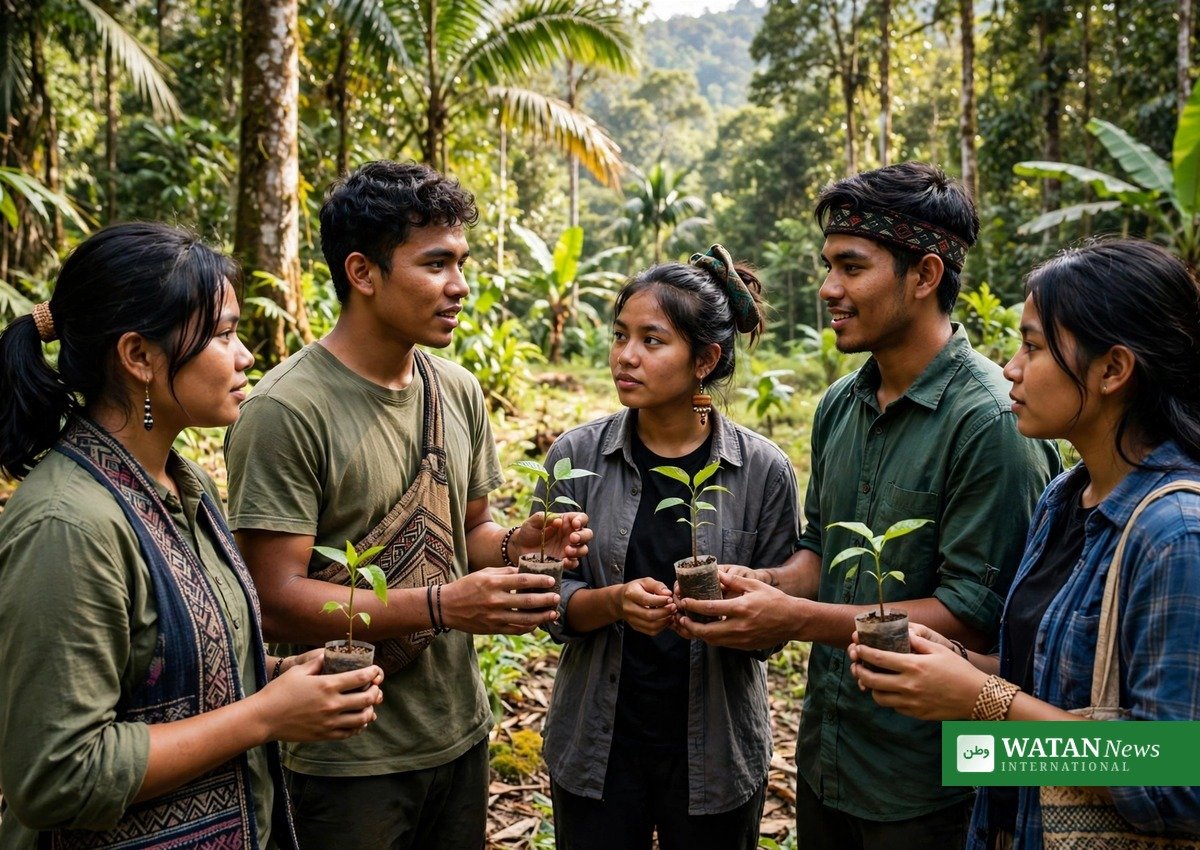
More than 100 Indigenous young people from across Asia have adopted a new youth declaration in Kota Kinabalu, Malaysia, setting out what they expect from governments and donors — and what they promise to do themselves — as global climate and nature talks reach a decisive month.
According to the Asia Indigenous Peoples Pact (AIPP), which reported the outcome on 27 October 2026, the five-day gathering produced the Hugu Declaration. Hugu is the Dusun word for “foundation”.
“Indigenous Youth are not the leaders of tomorrow; we are the leaders of today,” the young participants said in the declaration.
What the young people shared
The gathering heard first-hand accounts of land taken without consent, the criminalisation of defenders, and schools that leave out Indigenous languages, AIPP reported.
But the young people also described work already under way: some have helped write their countries’ biodiversity and climate plans, others are bringing rituals, songs and stories back into village life, and some are using music to get policymakers to listen.
Youth with disabilities and youth of diverse genders and sexualities are recording what their elders know before it is lost, AIPP said, and many young people who left home for study or work have gone back to their communities.
The conference also gave its first Indigenous Youth Agents of Change Award to recognise some of this work.
What the declaration asks of governments
The declaration asks governments to recognise Indigenous Peoples as distinct rightsholders, and to stop folding them into the broader label of “local communities”.
It calls for free, prior and informed consent before a decision is made, on the grounds that consultation afterwards is not consent. It also asks governments to stop banning rotational farming in the name of conservation.
Donors, the declaration says, should fund youth-led work directly and over several years, and accept proposals by video, by voice, or in Indigenous languages.
What the youth promise in return
The young participants set out commitments of their own: they will take the declaration home, turn it into local and national action, and report on their own progress as well as that of governments.
They will keep working across borders through the Asia Indigenous Youth Platform and the Asia Young Indigenous Peoples Network, and spend more time learning from their elders, according to AIPP.
Where the declaration goes next
AIPP said the declaration is with its delegation at the CBD COP17 biodiversity talks in Yerevan this week, and will be taken to COP31 in Antalya next month, where talks on climate finance, adaptation and the energy transition will shape what happens on Indigenous lands across Asia.
That timing matters for young climate leaders more widely: youth-led climate projects are already being funded city by city, as shown by Bellevue’s youth climate action fund, while Scotland is pushing fairer climate finance at COP31.
Key facts
- Event: Five-day gathering of more than 100 Indigenous youth from across Asia, in Kota Kinabalu, Malaysia.
- Outcome: The Hugu Declaration — Hugu is the Dusun word for “foundation”.
- Reported: 27 October 2026, by the Asia Indigenous Peoples Pact (AIPP).
- Core demands: Recognition as distinct rightsholders, free, prior and informed consent, and an end to bans on rotational farming in the name of conservation.
- Next stops: CBD COP17 in Yerevan, then COP31 in Antalya in November 2026.