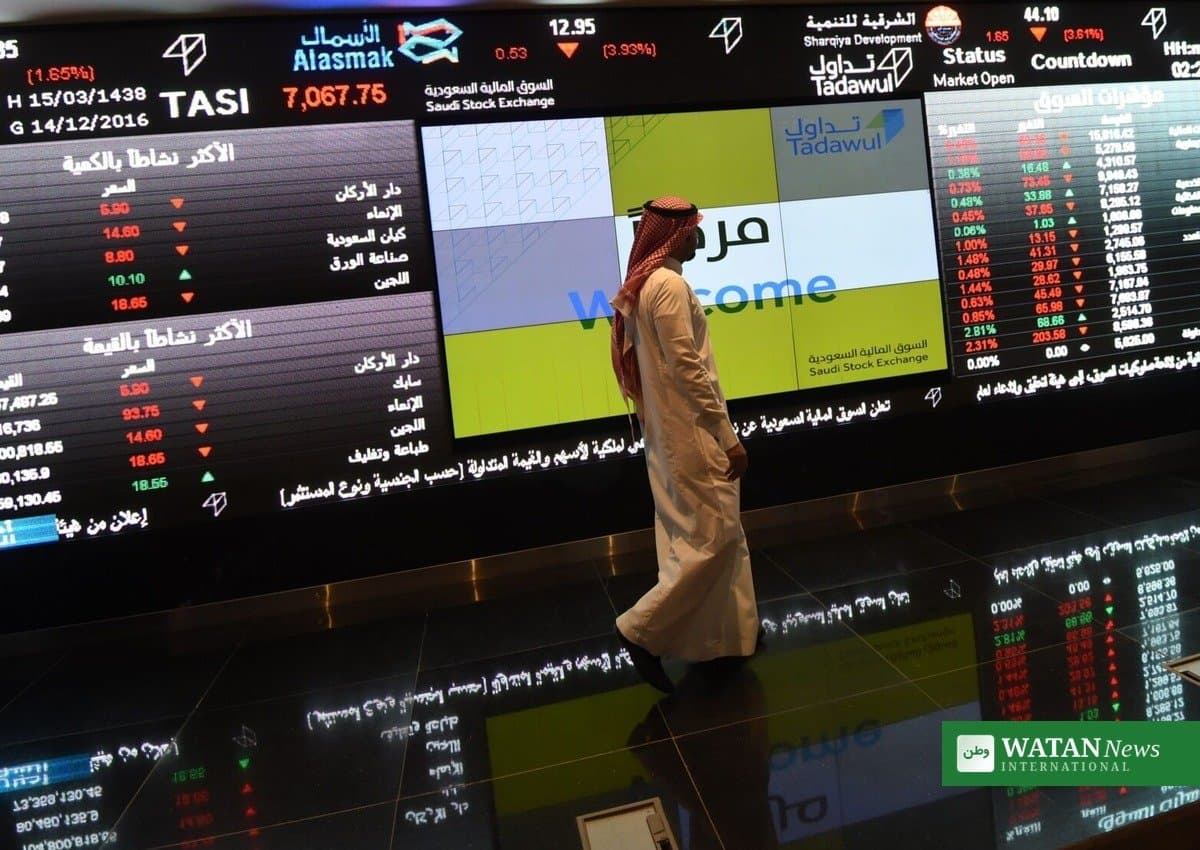
Gulf markets fall oil $111: major Gulf stock markets fell in early trade on Thursday as fresh attacks on Saudi Arabia fuelled fears of a broader regional escalation, while oil prices climbed above $111 a barrel.
Saudi Arabia’s benchmark index fell 1.2 percent and was poised for its eighth weekly decline, Reuters reported. Saudi National Bank, the kingdom’s biggest lender by assets, slid 1.9 percent, and oil giant Saudi Aramco lost 0.5 percent.
Dubai’s main index dropped 0.8 percent, with top lender Emirates NBD falling 2.4 percent and utility Dubai Electricity and Water Authority down 1.5 percent. Abu Dhabi’s index lost 0.5 percent, and Qatar’s index retreated 0.8 percent, with Qatar National Bank down 1.1 percent.
FAKTA
- Saudi benchmark index: down 1.2 percent in early trade on Thursday, poised for an eighth weekly decline.
- Dubai index: down 0.8 percent; Abu Dhabi index: down 0.5 percent; Qatar index: down 0.8 percent.
- Oil: December Brent crude rose 2.7 percent to $111.70 a barrel; December West Texas Intermediate rose 2.5 percent to $99.57 a barrel.
- Dammam airport attack: one person killed and eight injured, according to Saudi Arabia’s General Authority of Civil Aviation.
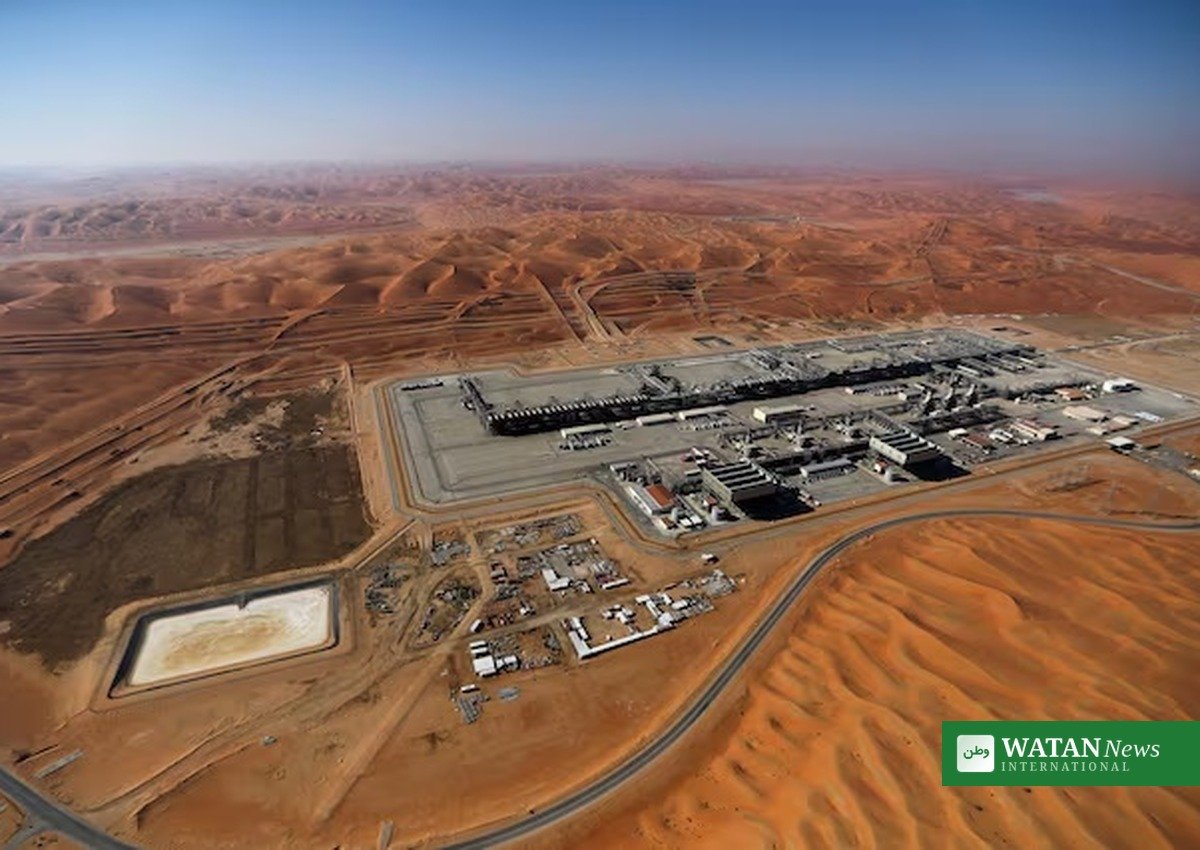
- Shaybah oil field: falling debris from an intercepted drone killed two people and injured two others, according to Saudi Arabia’s Energy Ministry; operations were not affected.
Gulf markets fall oil $111 as traders weigh escalation risk
Oil prices rose more than 2 percent on Thursday, with Brent crude climbing above $111 a barrel as traders weighed renewed attacks on Saudi energy infrastructure and the risk of further hostilities in the region, The Wall Street Journal reported.
December Brent crude futures rose 2.7 percent to $111.70 a barrel, while December West Texas Intermediate futures gained 2.5 percent to $99.57 a barrel, the Journal reported. The gains followed a mixed session on Wednesday, when Brent settled little changed.
Analysts at ING said elevated freight costs and the risk of further disruptions have kept a significant geopolitical premium in crude markets, even as Gulf exports recover, according to the Journal. Shipments through the Strait of Hormuz and alternative routes averaged more than 24 million barrels a day in the week through October 18, above the prewar level of 23.3 million barrels a day, according to Kpler data cited by the Journal.
US departure order widens, Reuters reports
The US State Department has ordered some diplomats and family members to leave its missions in Saudi Arabia, Reuters reported. It also plans to pull family members from several other US missions in the region, US officials told Reuters.
State Department spokesperson Tommy Pigott had earlier said the ordered departure applied to non-emergency US government employees and their family members in Saudi Arabia only, and linked it to Houthi attacks on civilian airports and other critical infrastructure that caused civilian casualties and severe travel disruptions.
Saudi Arabia has answered the attacks with a wave of strikes on missile launcher sites, Reuters reported. Riyadh has vowed to protect the kingdom and said it has intercepted many of the group’s ballistic missiles.
Northern Gulf incidents add to unease
Tensions also rose in the northern Gulf, Reuters reported. Iran’s Islamic Revolutionary Guard Corps Navy said four vessels involved in illegal oil transfers were hit simultaneously and caught fire after its forces tracked them on Wednesday.
Iranian media separately reported explosions of unknown nature and origin in Sirik, in southern Iran, Reuters reported. The nature and origin of those explosions were not established in the reports.
Diplomatic efforts to prevent further escalation are continuing, The Wall Street Journal reported, while Washington is moving a third aircraft carrier strike group toward the region amid threats of renewed fighting.
For more business coverage, see the business section.