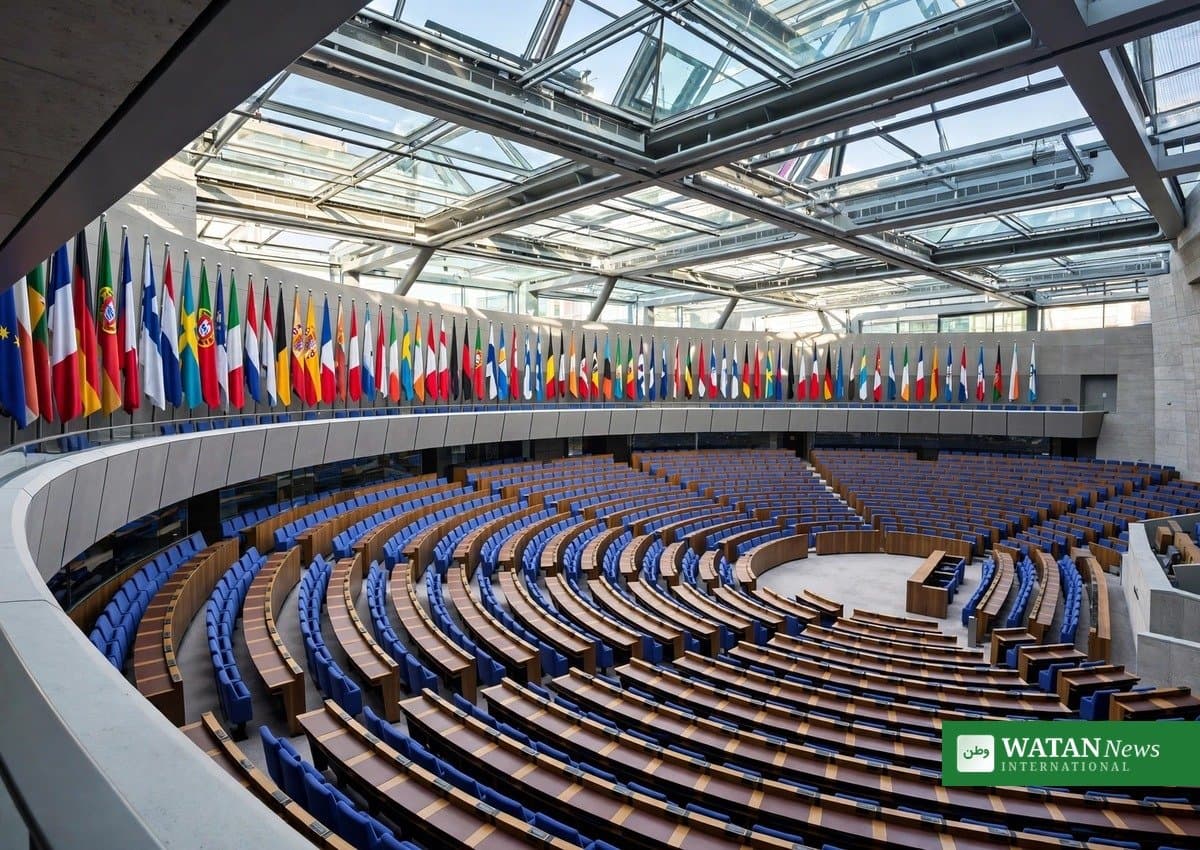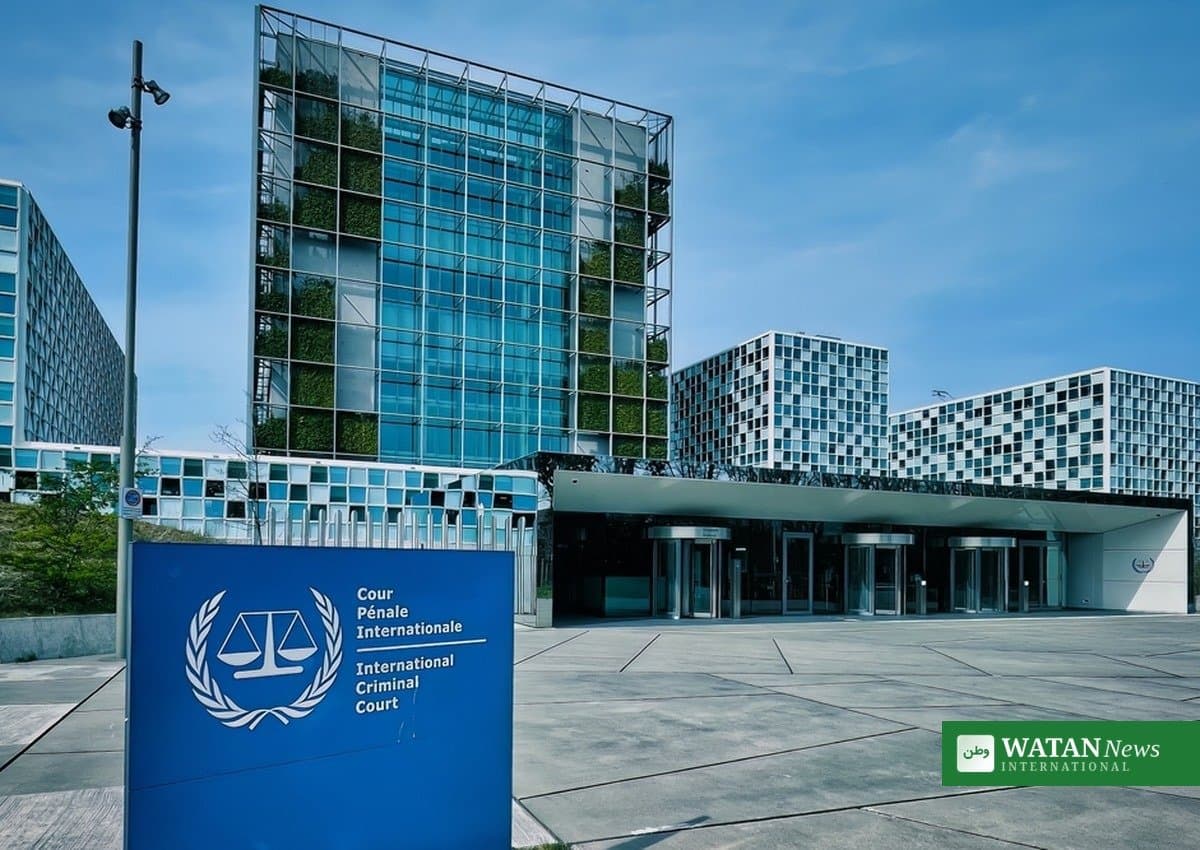
The International Criminal Court has won the European Union’s 2026 Sakharov Prize, the European Parliament announced on Thursday, giving the Hague-based war crimes court its second major international honour in a single month. The ICC Sakharov Prize award was announced in Strasbourg by European Parliament President Roberta Metsola, who said the prize recognises the court’s work in upholding international law and justice.
The award comes less than two weeks after the United States announced sanctions against the court, and days after former ICC judge Navi Pillay was awarded the Nobel Peace Prize — an award widely seen as a show of support for the embattled tribunal. The court and its officials are due to collect the €50,000 prize in Strasbourg on December 16, at the European Parliament’s last plenary session of the year.
FAKTA: ICC Sakharov Prize at a glance
- Winner: The International Criminal Court (ICC) and its officials
- Prize: The European Union’s 2026 Sakharov Prize for Freedom of Thought, worth €50,000
- Announced: Thursday, October 22, 2026, in Strasbourg, by European Parliament President Roberta Metsola
- Prize ceremony: December 16, 2026, in Strasbourg
- Other finalists: Tanzanian opposition leader Tundu Lissu and Iranian twin sisters Taraneh and Romina Rahimi
- Context: The award follows United States sanctions against the court announced on October 9 and the Nobel Peace Prize awarded to former ICC judge Navi Pillay
ICC Sakharov Prize announced to a standing ovation in Strasbourg
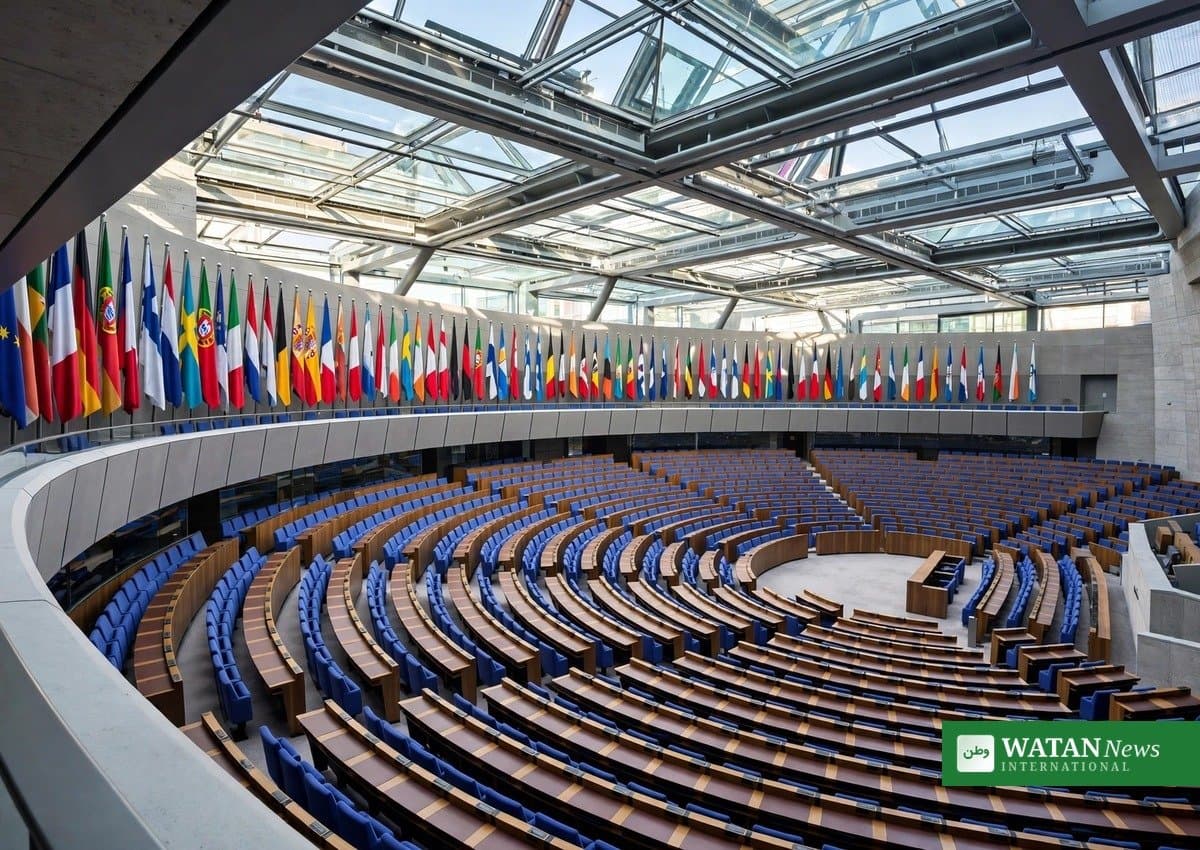
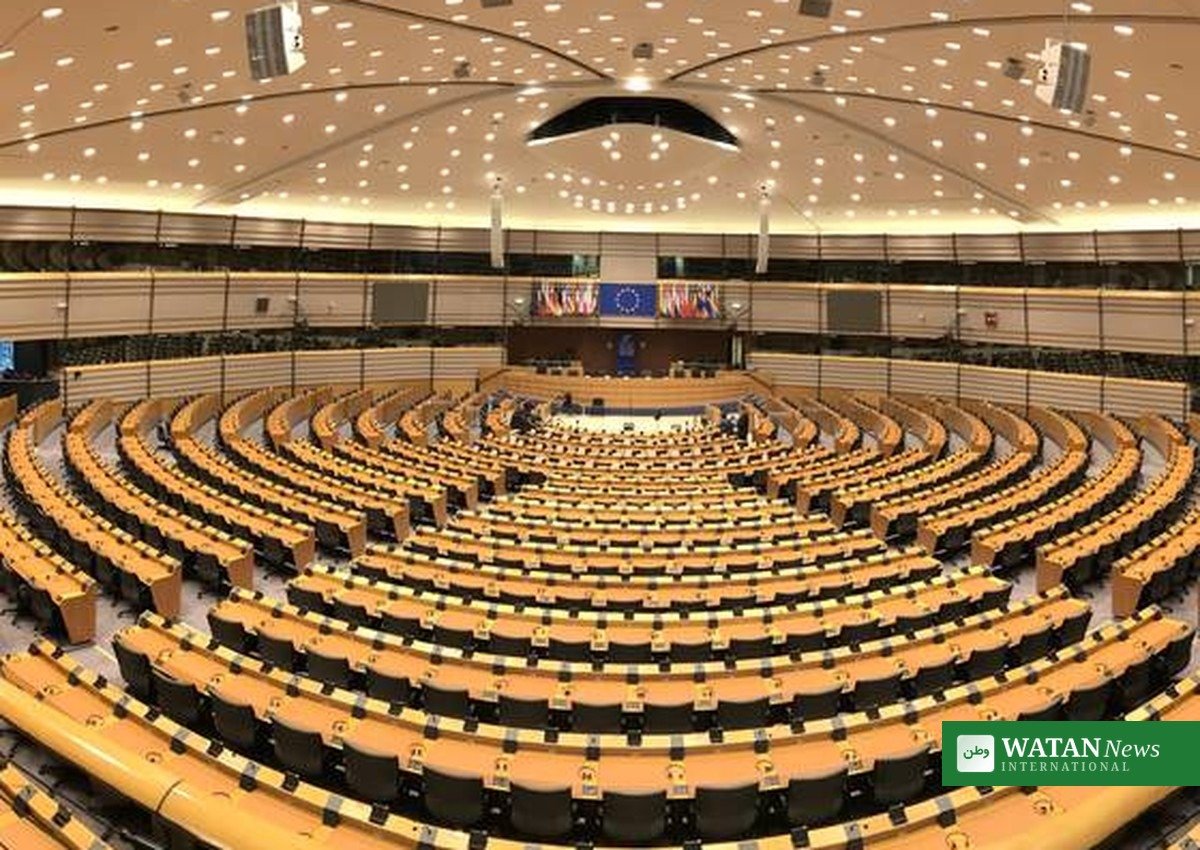
Announcing the 2026 laureate in the European Parliament’s chamber in Strasbourg, Metsola said the award carried a message about the European Union’s place in the world. “The European Union is built on respect for multilateralism and international institutions,” she said, as she announced the award to a standing ovation. “And this prize recognises the important work of the court in upholding international law and justice.”
The decision was taken by the Conference of Presidents, which brings together Metsola and the leaders of the Parliament’s political groups. The nomination came from the Socialists and Democrats group and was supported by Renew Europe, the Greens and The Left, according to parliamentary sources reported by Brussels Signal. That coalition was enough to see off the two other finalists: the Tanzanian opposition leader Tundu Lissu, backed by the European People’s Party, the European Conservatives and Reformists and Europe of Sovereign Nations, and the Iranian twin sisters Taraneh and Romina Rahimi, who have both been sentenced in Iran.
Why the award matters now
The prize is the second international recognition for the war crimes tribunal this month, and it arrives at a moment of intense pressure on the court. The Hague-based ICC has long been a target of United States President Donald Trump, whose campaign against it has escalated since the court announced arrest warrants in 2024 against Israeli Prime Minister Benjamin Netanyahu and his former defence minister.
Washington announced sanctions against the institution itself on October 9, hours after former ICC judge Navi Pillay was given the Nobel Peace Prize. United States Secretary of State Marco Rubio said transactions with the court would be banned after a grace period of six months.
ICC President Tomoko Akane said the “unprecedented challenges” the court faces made the prize all the more significant. “It underscores the importance of continued international cooperation and support to enable the court to carry out its mandate independently and impartially, in the service of justice and the victims of the gravest crimes,” the Japanese judge said. “There is no peace without justice and no security without law.”
What the ICC does
The International Criminal Court investigates and, where warranted, tries individuals charged with the gravest crimes of concern to the international community: genocide, war crimes, crimes against humanity, and the crime of aggression. Governed by an international treaty called the Rome Statute, it is the world’s first permanent international criminal court.
As a court of last resort, it seeks to complement national courts rather than replace them. The European Parliament said the award highlights the ICC’s work, including investigations, prosecutions, trials and the issuing or authorisation of arrest warrants. In its 2025 annual reports, the Parliament expressed deep concern at the growing threats and the waves of sanctions imposed since 2025 on the ICC, its prosecutors, judges, staff and partners, describing them as serious attacks on the international justice system.
What the Sakharov Prize is
The Sakharov Prize for Freedom of Thought is the European Union’s top prize for human rights work. Named after the late Soviet dissident Andrei Sakharov, it has been awarded annually since 1988 to individuals and organisations defending human rights and freedoms. Past recipients have included Nelson Mandela, Russian opposition figure Alexei Navalny, journalists from Belarus and the people of Ukraine.
The 2025 prize went to the Belarusian journalist Andrzej Poczobut and his Georgian colleague Mzia Amaglobeli. The 2026 award to an institution rather than an individual underlines, in the Parliament’s words, its commitment to safeguarding the work of the court and its officials so that they can carry it out independently.
What happens next
The court and its officials will collect the €50,000 award in Strasbourg on December 16, at the last plenary session of the year. The ceremony will close a year in which the ICC has faced sanctions, political attacks and growing questions about whether international courts can operate freely — and in which, within a single month, it has received two of the world’s most prominent endorsements of its work.
For more on European affairs, see Watan News Europe coverage.