Paris — The International Energy Agency (IEA) says the world is set to add almost 4,800 gigawatts (GW) of renewable power capacity between 2026 and 2031, about 57% more than in the previous six years, as governments turn to home-grown clean energy to shield themselves from volatile oil and gas markets. The forecast comes in the agency’s annual Renewables 2026 report, released on 6 November 2026.
Energy security, rather than climate concern alone, is now the main force behind the expansion, according to the IEA. The shift follows disruptions to energy flows through the Strait of Hormuz and the wider Middle East conflict, which have driven up oil and gas prices and increased market volatility.
Energy security now leads the shift
“Previously, environmental concerns were the policy priority behind the growth of renewables, whose falling costs have made them a competitive option in many markets – but today, it’s mainly energy security that is driving renewables’ expansion as more and more countries seek to reduce their exposure to imported fuels,” said IEA Executive Director Fatih Birol.
Renewables are already delivering measurable security benefits. Without their growth since 2010, global annual demand for fossil fuels would have been around 8% higher in 2025, an amount equivalent to India’s total energy consumption, according to the IEA. Renewables have also displaced natural gas consumption equivalent to 11% of global demand, while biofuels and other renewables have displaced 2.4 million barrels of oil equivalent per day, comparable to Canada’s total oil demand.
Solar leads, wind follows
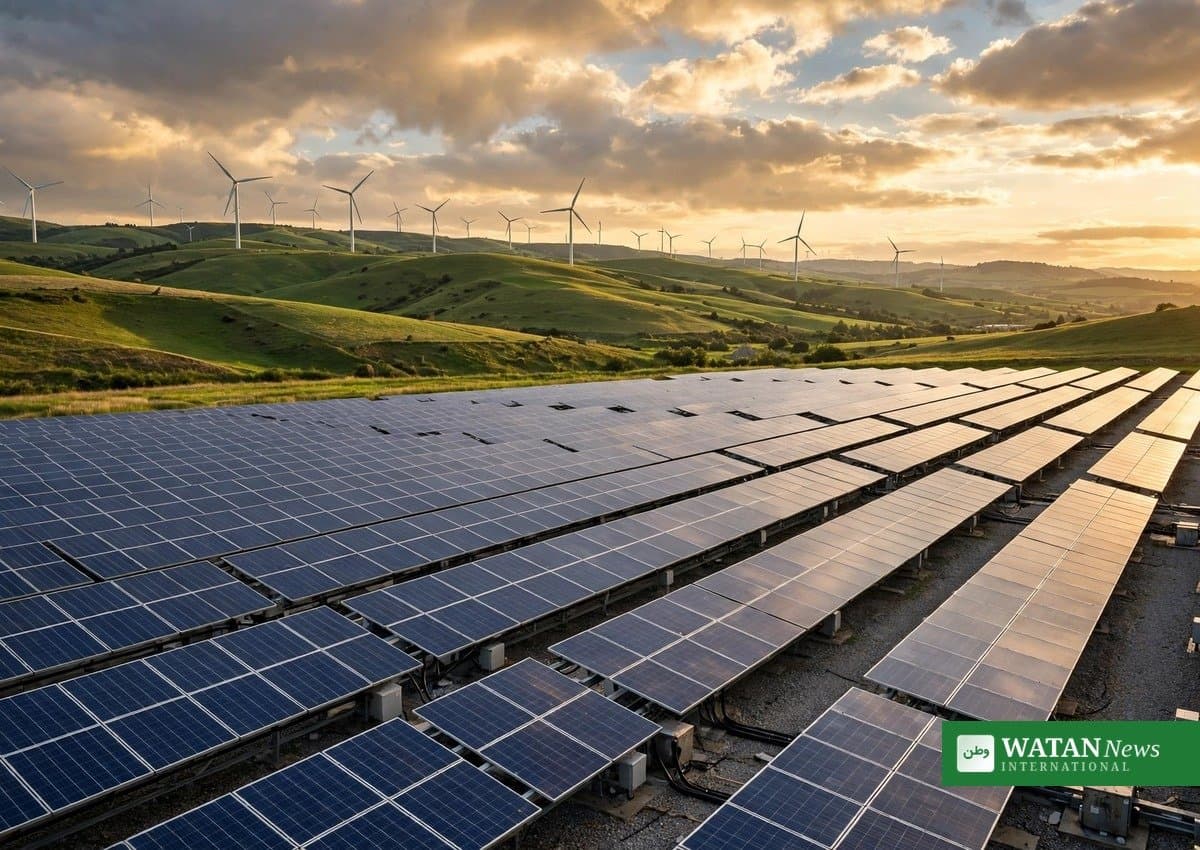
The world’s total renewable electricity capacity is expected to increase by almost 85% between 2025 and 2031. Solar PV accounts for more than three-quarters of that growth, while total onshore wind capacity increases by over 70% to 2,040 GW by 2031.
Renewables are forecast to generate almost 45% of global electricity in 2031, up from 33% in 2025. Electricity generation from wind and solar PV combined more than doubles globally, reaching over 28% of total power generation by 2031, and generation from solar PV is set to overtake hydropower in 2029, becoming the world’s largest source of renewable electricity.
Liquid biofuels are also growing faster on energy security grounds: the IEA has lifted its forecast for biofuel production growth by 40% compared with last year’s report, with global demand forecast to expand by nearly 30% by 2031.
Growth spreads beyond China
For the first time, the amount of renewable power capacity added in emerging and developing economies outside China is expected to match the amount added in advanced economies over the forecast period. Capacity additions across Southeast Asia, the Middle East and Africa almost triple, and the forecast for emerging and developing economies has been raised by almost 20% compared with the IEA’s report a year ago.
China will remain the largest contributor, but its share of global renewable capacity growth is set to decline from over 60% in 2025 to an average of 53% over the forecast period. China’s shift from fixed tariffs to competitive auctions led to an almost 55% year-on-year decline in solar PV capacity additions in the first nine months of 2026, and the IEA has revised down its forecast for China by 5%, or almost 116 GW, compared with last year’s report.
India is emerging as the world’s second-largest growth market, with its total renewable capacity set to more than double by 2031. India’s renewable capacity is projected to reach 530 GW by 2030, and by 2031 India is expected to be the only country besides China capable of manufacturing every major component of the solar PV supply chain at scale. The IEA has also revised its forecast higher by almost 40% for the United States, by 54% for sub-Saharan Africa, while capacity in the Middle East and North Africa is expected to more than double and Europe’s growth continues to expand.
Rooftop solar reaches households
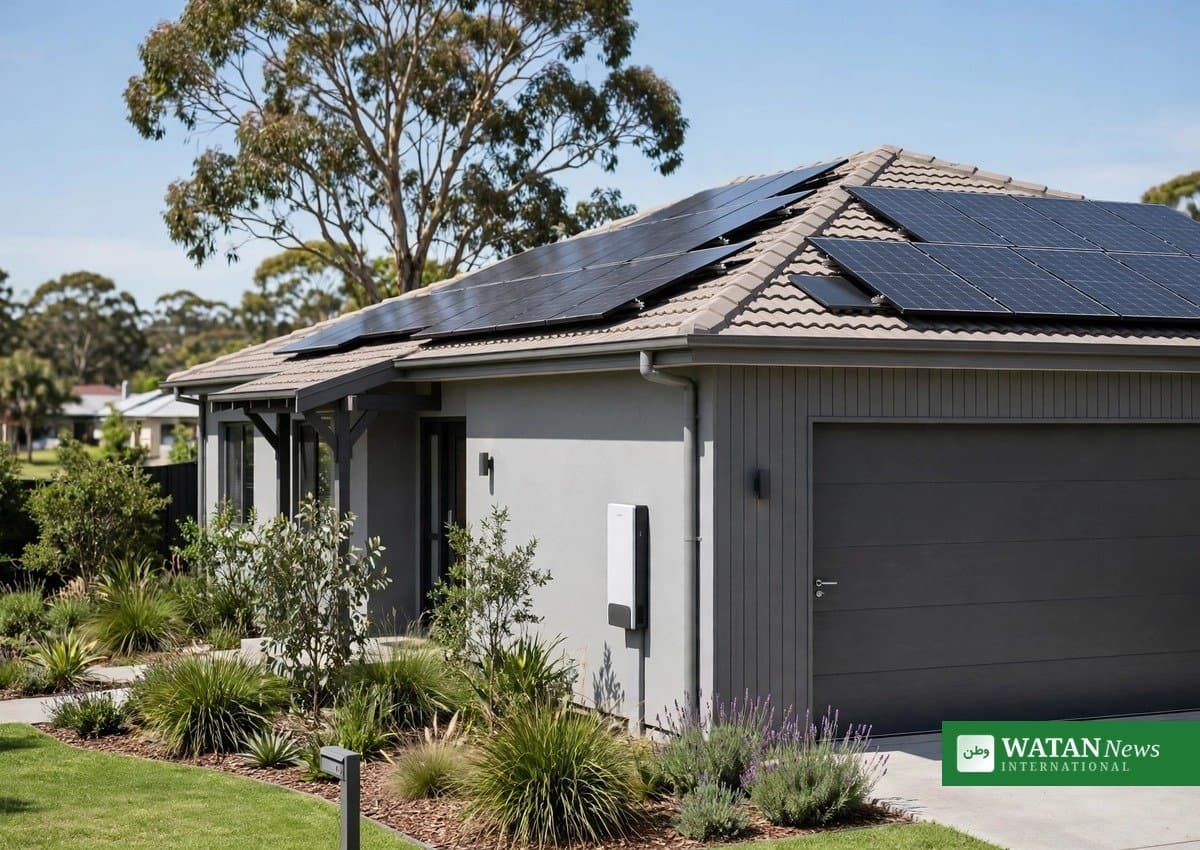
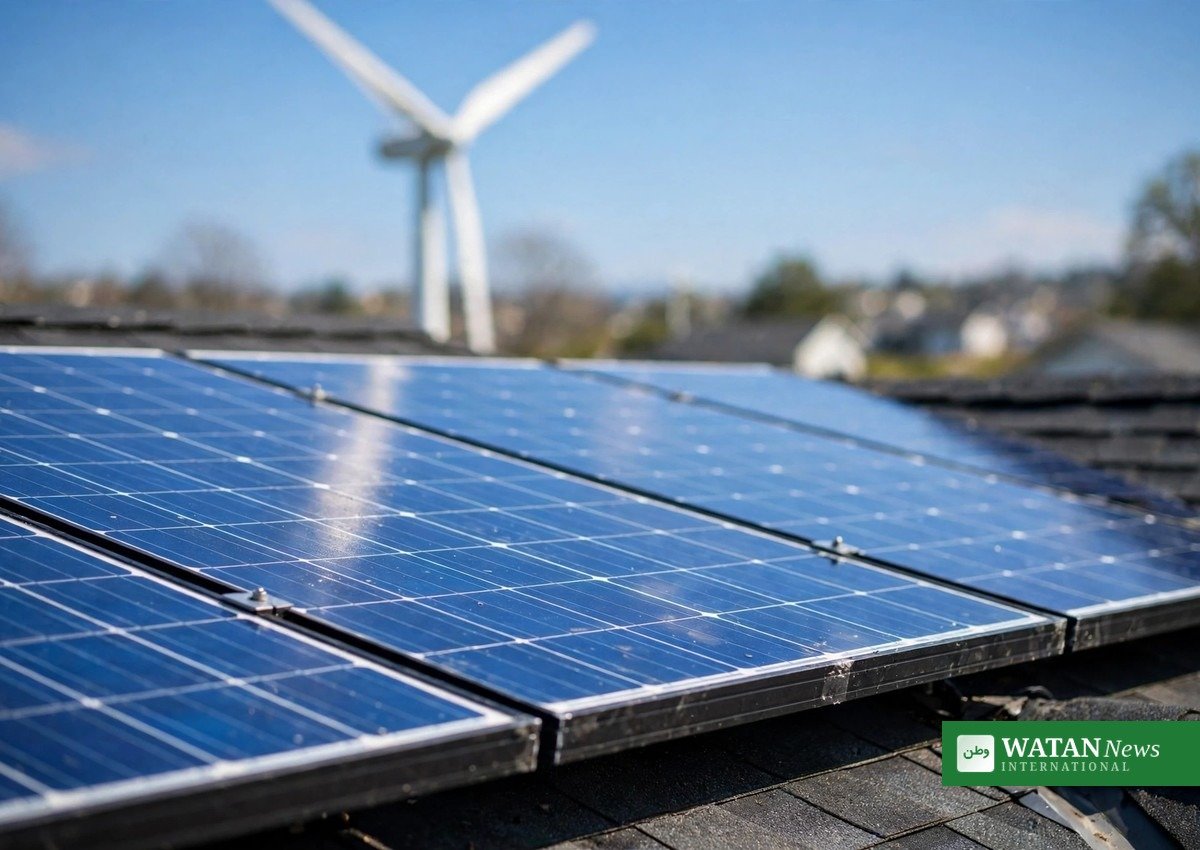
Consumers are increasingly driving deployment themselves. Faced with high fuel prices and unreliable grid electricity, households and small businesses are turning to affordable solar PV to improve the reliability of their electricity supply and lower bills. Based on module trade data and other indicators, the IEA estimates that additional rooftop solar capacity has improved electricity access and services for at least 70 million households since 2022.
Off-grid solar PV capacity growth is expected to increase by 2.5 times to around 80 GW by 2031, led by Pakistan, sub-Saharan Africa and Southeast Asia.
Grids and storage are the next bottleneck
As wind and solar expand rapidly, system flexibility has become the key challenge. Technical curtailment of wind and solar PV output in key markets almost doubled in both 2024 and 2025, reaching almost 200 terawatt-hours in 2025, and it could exceed 800 terawatt-hours by 2031, the equivalent of almost 8% of total variable renewable generation.
Global grid connection queues for advanced-stage renewable energy projects increased by 60% over the past year to 3,000 GW, with battery storage and hybrid renewable project applications accounting for the entire increase. Behind-the-meter battery storage is expected to expand almost sixfold to over 670 gigawatt-hours by 2031, with more than one-third of home PV systems including a battery by that year. Hybrid projects combining solar PV, wind and batteries can already deliver electricity generation costs below 75 US dollars per megawatt-hour in many regions.
The COP28 tripling target
In the IEA’s main case, global renewable capacity reaches around 9,710 GW by 2030, or 2.6 times the 2022 level, which is short of the COP28 target of tripling global renewable capacity by 2030. Faster implementation of competitive auctions, timely and increased grid investment, the expansion of battery storage and permitting reforms could raise deployment by 20% in the accelerated case, allowing the world to reach the tripling target in 2031.
The report’s message is clear: renewables have moved from a climate choice to a security strategy, and the countries that build grids, storage and flexible power systems fastest will capture most of the growth.
Key facts
- Global renewable capacity is forecast to grow by almost 4,800 GW in 2026–2031, 57% more than in the previous six years.
- Solar PV accounts for more than three-quarters of the growth; onshore wind capacity rises by over 70% to 2,040 GW by 2031.
- Renewables are forecast to generate almost 45% of global electricity in 2031, up from 33% in 2025.
- For the first time, emerging and developing economies outside China are set to match advanced economies in new renewable capacity.
- Off-grid solar PV capacity is expected to grow 2.5 times to around 80 GW by 2031, led by Pakistan, sub-Saharan Africa and Southeast Asia.
- Grid connection queues for advanced-stage projects rose 60% in a year to 3,000 GW.