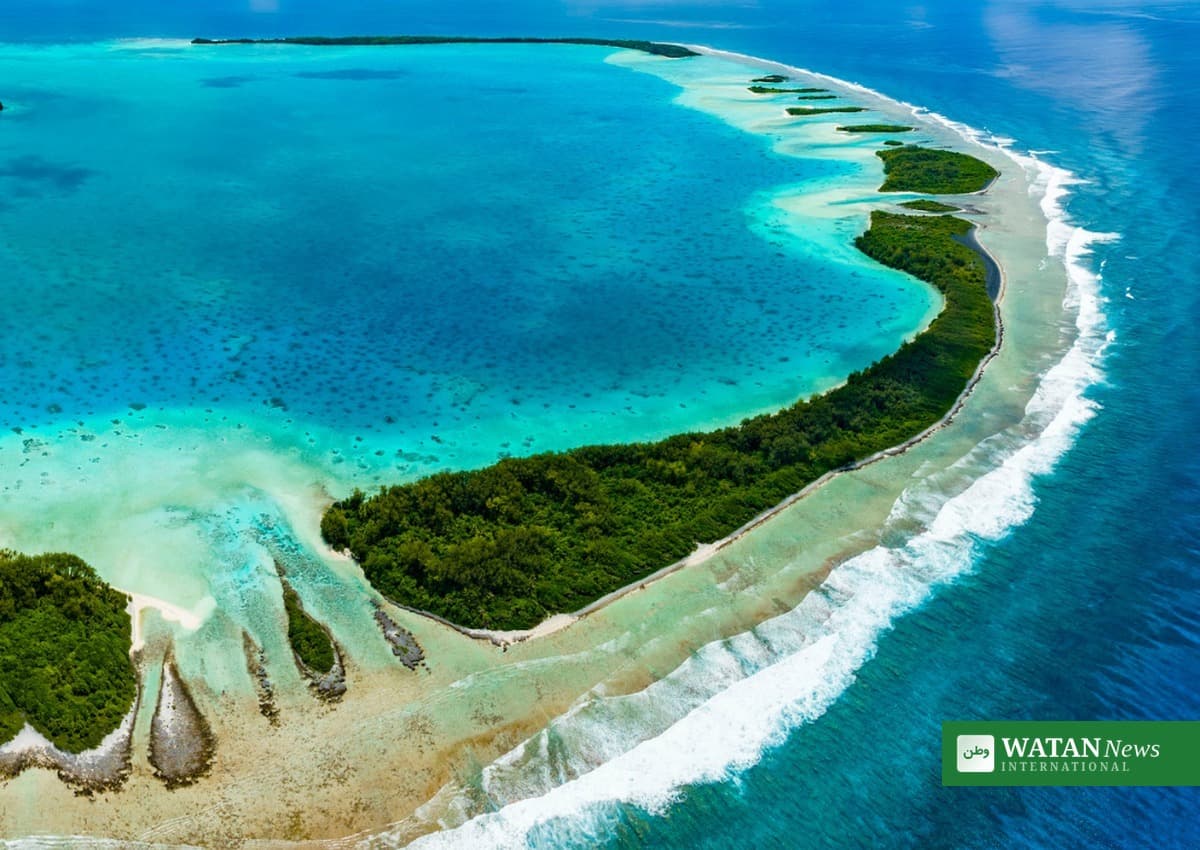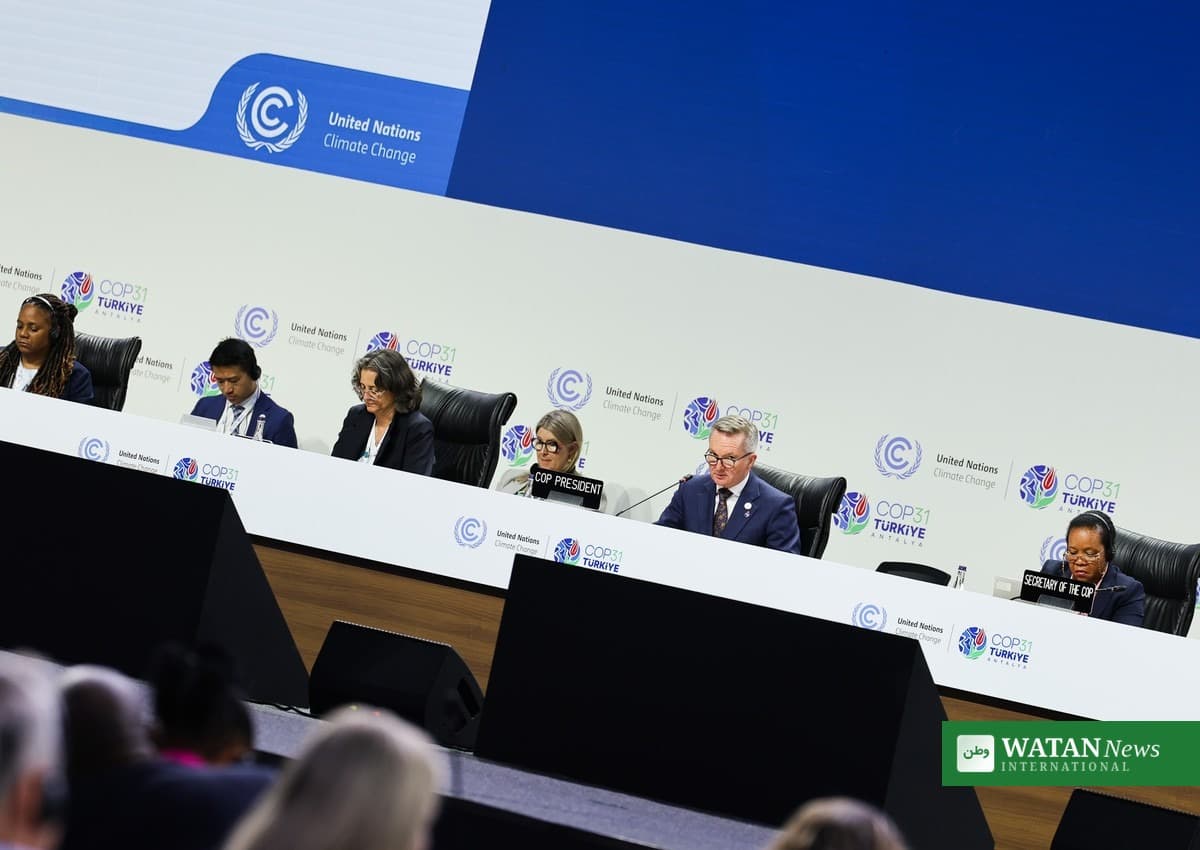
As COP31 enters its final week in Antalya, the three Pacific COP31 envoys have called on world leaders to turn climate commitments into urgent, practical action, warning that the region cannot afford further delays. Speaking at a COP31 event in Antalya on Tuesday 17 November, titled “Perspectives from the Pacific COP31 Envoys: Pacific Priorities, Global Action”, the envoys set out the region’s three priorities: keeping global warming to 1.5°C, making climate finance available, accessible and affordable, and placing the ocean at the centre of climate solutions.
Pacific Islands Forum Secretary General Baron Waqa reinforced the call, saying global climate commitments must move beyond promises and deliver tangible results for Pacific communities. The envoys’ message lands as ministers take over the negotiations: Tuesday 17 November is Ocean, Seas, Nature and Land Use day at COP31, and the High-Level Segment of the conference begins the same day.
Three envoys, three priorities
The Pacific Envoy for Oceania, Tina Stege — Kristina Eonemto Stege of the Marshall Islands — said keeping the 1.5°C global warming limit within reach remained non-negotiable for Pacific countries. She called for science-based action, faster implementation of climate commitments and a just and equitable transition away from fossil fuels, and said countries must accelerate efforts to return global warming to below 1.5°C as quickly as possible. The warning is stark: the United Nations warned in September that global warming will likely exceed 1.5°C above pre-industrial levels, breaching the Paris Agreement’s most ambitious temperature limit.
The Pacific Envoy for Access to Climate Finance, Ruel Yamuna of Papua New Guinea, said climate funding must be available, accessible and affordable for Pacific Island countries. He highlighted the region’s efforts to establish the Pacific Resilience Facility and push for reforms to simplify international climate financing processes, and said stronger partnerships and funding mechanisms that bring resources closer to Pacific countries and communities were essential to strengthening climate resilience.
The Pacific Envoy for the Ocean, Inia Seruiratu MP of Fiji, called for the ocean to be placed at the centre of global climate solutions. Drawing on his experience of sea-level rise in Fiji, he stressed the need to integrate ocean priorities across climate policies, increase investment in Pacific-led solutions and ensure climate finance reaches vulnerable coastal communities.
The 500-million-dollar Pacific Resilience Facility
Behind Yamuna’s finance demand sits a concrete proposal: a regional resilience fund for communities threatened by rising seas and extreme weather. Speaking to the Anadolu news agency on the sidelines of COP31 on 12 November, Yamuna said the Pacific Resilience Facility is among the region’s main priorities at the summit. “Our target for the PRF, the Pacific Resilience Facility, is US$500 million,” he said.
Yamuna acknowledged that the amount would not cover the region’s broader climate financing needs, but described it as an important starting point for funding small, locally led projects and initiatives. A pledging event for the facility is expected later this week, building on momentum from recent preparatory meetings in Fiji, where six additional pledges were made towards its capitalisation.
Why finance is so hard to reach
The envoys’ finance case is built on the obstacles Pacific nations face in practice. Yamuna said small island governments often lack the technical capacity needed to prepare funding applications, with some governments having just one or two technical officers responsible for multiple tasks. Only a limited number of local institutions across the Pacific are authorised to access international climate funds directly, so countries frequently depend on international organisations — including the UN Development Programme, the UN Environment Programme and the World Bank — to prepare and submit proposals.
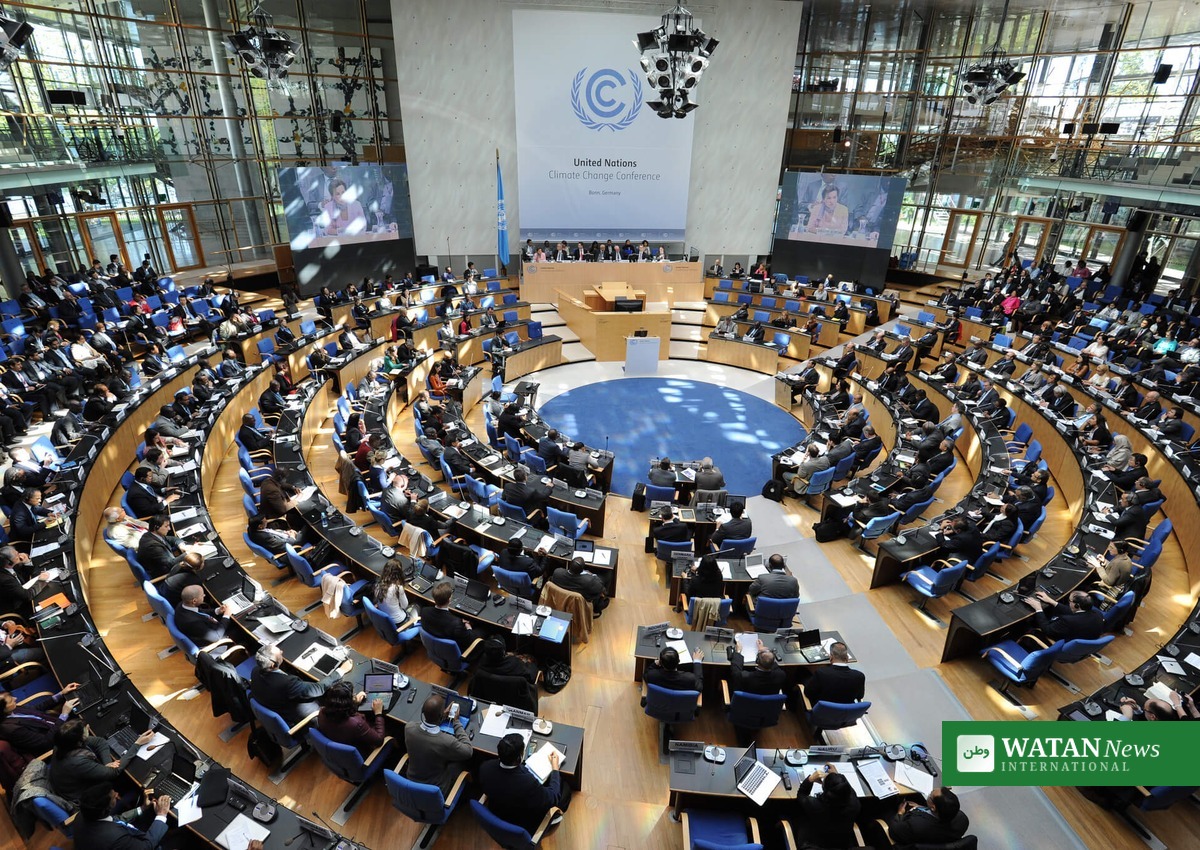
Developing a funding proposal can take between 12 and 24 months, while the Green Climate Fund Secretariat has set a timeline of nine to 12 months for moving proposals from concept notes to full applications. “In theory, it’s great — nine months cut off. But in practice, it’s a challenge,” Yamuna said. He called for reforms to streamline funding procedures and ensure that climate finance reaches vulnerable communities more quickly.
Speaking to Agence France-Presse as COP31 opened on 9 November, Yamuna was blunt about the politics of the finance talks: “Climate finance discussions ‘will always be a challenge, because it’s all about competing priorities.’” He added: “It’s like Christmas. You have a long Christmas list … you want it all but you can’t have it all.”
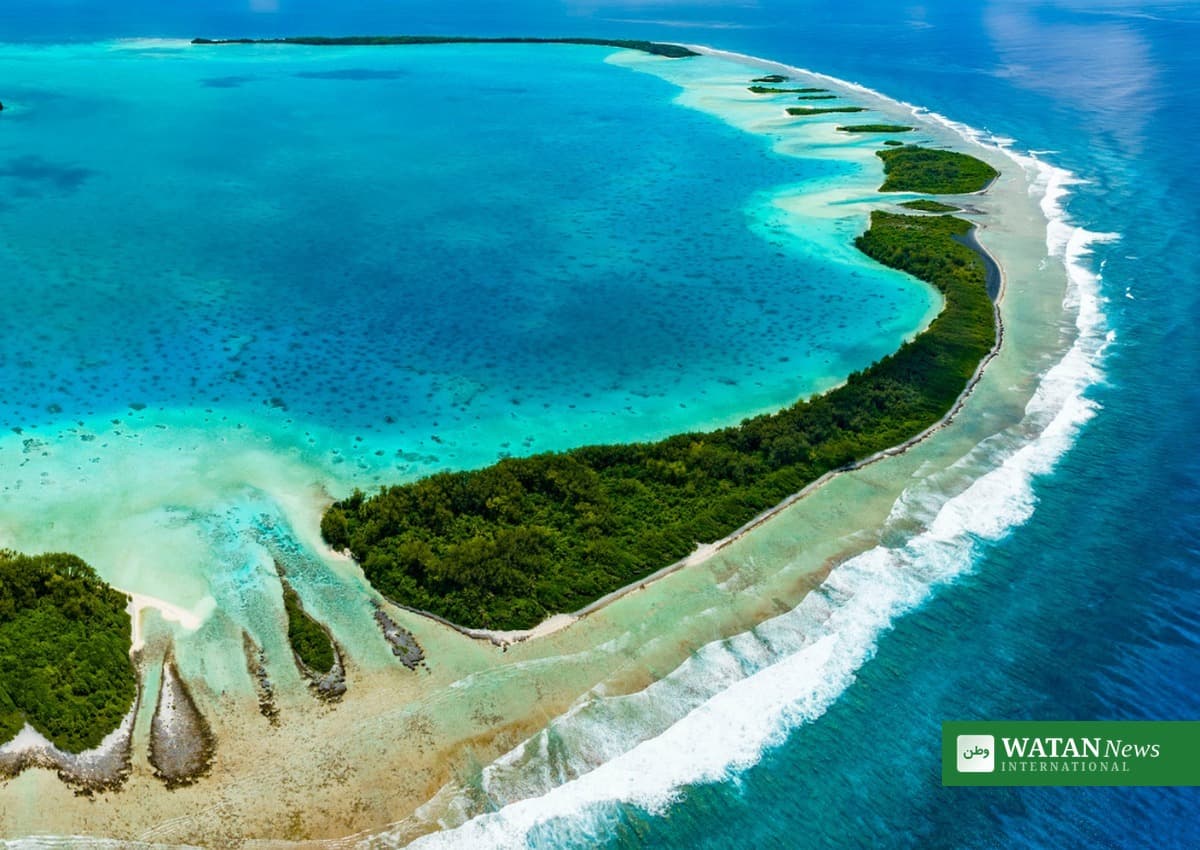
The stakes were set out by the United Nations itself: developing countries will need 305 billion US dollars a year by 2035 to adapt to climate change, nearly ten times what they currently receive from wealthy nations. And for the Pacific, the threat is already here. “Climate change is not an abstract thing, or something that we are just talking about that will happen in 5 to 10 years. It’s already happening,” Yamuna said, pointing to rising sea levels, flooding of agricultural land and increasingly extreme weather. Some communities living on low-lying atolls are already seeking relocation and resettlement. Tuvalu’s climate minister, Maina Talia, put it this way at the opening of the summit: “This COP must respond to the overshoot to save countries like mine from disappearance.”
Pacific nations are also seeking progress on an Access to Finance Statement and Action Plan developed after preparatory climate meetings in Fiji and Tuvalu. The initiative, announced by Australia’s Minister for Climate Change and Energy, Chris Bowen, aims to address longstanding barriers preventing vulnerable countries from accessing climate funding, and discussions are continuing ahead of an anticipated formal signing later this week.
Who the three envoys are
The three envoys were formally appointed in June 2026 through a joint letter from the COP31 President-Designate and the President of Negotiations, endorsed by the Pacific Climate Change Ministers. They work under the COP31 arrangement in which Türkiye holds the Presidency, Australia serves as President of Negotiations, and the Pacific hosted the pre-COP meetings in Fiji and Tuvalu.
Stege, the Marshall Islands’ climate envoy, brings decades of experience in international climate diplomacy, including leadership roles with the High Ambition Coalition. Yamuna is Papua New Guinea’s Special Envoy for Climate and Environment and an Alternate Board Member of the Green Climate Fund. Seruiratu, a senior Fijian leader, previously served as a Global Climate Champion and brings extensive experience in climate policy, disaster risk management and ocean stewardship.
Announcing the appointments, Bowen said: “The climate envoys will be strong advocates for the Pacific on the global stage.” Sefanaia Nawadra, Director General of the Secretariat of the Pacific Regional Environment Programme, said: “Our Pacific climate envoys carry more than a title, they carry the voices, values, and lived realities of our Blue Pacific.” Watan News earlier introduced the wider corps of climate ambassadors working at COP31, from government envoys to youth delegates: Climate Ambassadors at COP31: Who They Are and What They Do in Antalya.
A Green Climate Fund office for the Pacific
In a related development at COP31, Fiji’s Minister for Information, Environment and Climate Change, Lynda Tabuya — the Pacific Political Champion on Climate Finance — signed a Statement of Intent with Green Climate Fund Executive Director Mafalda Duarte confirming Suva as the host location for the Fund’s sub-regional office for the Pacific. The office is aimed at strengthening regional access to climate finance and bringing the Green Climate Fund closer to Pacific Island countries and communities, and is expected to make climate financing more responsive to the priorities of Pacific nations.
Why this week matters
The envoys’ demands arrive at the decisive point of the conference. With the High-Level Segment now under way and negotiations continuing until COP31 closes on 20 November, the Pacific’s position is that global commitments must translate into measurable action, with the 1.5°C limit, climate finance and ocean protection remaining central. A draft deal on phasing out fossil fuels is already under discussion in Antalya: COP31 Draft Deal Puts Fossil Fuel Phaseout on the Table. For the Pacific envoys, the test of the final week is simple: whether the words agreed in Antalya reach the atolls, villages and coastlines that are already living with the consequences.
Key facts
- US$500 million is the target for the Pacific Resilience Facility, the regional fund for communities threatened by rising seas and extreme weather.
- 1.5°C is the warming limit Pacific countries call non-negotiable — the United Nations warned in September that warming will likely exceed it.
- 305 billion US dollars a year is what the United Nations says developing countries will need by 2035 to adapt to climate change, nearly ten times what they currently receive.
- 12 to 24 months is how long funding proposals can take for small island governments, against the Green Climate Fund’s timeline of nine to 12 months.
- About 30 per cent of human-induced carbon dioxide and about 90 per cent of excess heat is absorbed by the ocean, according to the UN Environment Programme — while small island states contribute less than 1 per cent of global greenhouse gas emissions yet face severe risks.