LIVE
BREAKING
India Pushes Airlines Towards Greener Fuel as Malaysia Delays Its SAF Mandate to 2030Tunisia Unveils Ten-Year Plan to Reforest 30,000 Hectares After Years of Wildfire LossesTrump Warns He May Have to ‘Destroy the Rest of Iran’: ‘You’ll Know Soon Enough’India Proposes Recycled Plastic in Food Packaging as EU Plastic-Waste Export Ban NearsCOP31 Opens Without the US — and With Its Guiding Climate Science Still UndecidedNasdaq Correction: Wall Street Sell-Off Wipes $2.5 Trillion as Tech PlungesNewsom Commutes All 548 California Death Row Sentences in Largest Mass Clemency in US HistoryCopenhagen Shines as Alchemist and Kadeau Enter World’s Top 10 RestaurantsTankers Hit Again in Strait of Hormuz as Iran Reports Mine StrikesEurozone Inflation Hits 4% in October as Energy Prices SurgeDenmark’s Citizenship Freeze Leaves 487 Applicants in Limbo40,000 Danish Students Strike Over Planned Student Grant CutsChina Blocks SoftBank’s $5.4 Billion ABB Robotics Deal as Chip Stocks SlideParaguay President Santiago Peña Resigns After Bank Collapse Freezes Millions of AccountsMalta Journalism Awards 2026: ‘Profit in Every Drop’ Wins Environment Reporting PrizeTanker Struck by Two Projectiles North of Qatar, Crew Status UnknownBay Area Adopts Nation’s Strongest Clean Water Heater Standards from 2028European Far Right Distances Itself From Trump After US Midterm LossesSix Dead, Seven Injured in Brooklyn House Fire in Sunset ParkAhold Delhaize Signs 370 GWh Romania Solar and Wind Deal with Rezolv EnergyIndia Pushes Airlines Towards Greener Fuel as Malaysia Delays Its SAF Mandate to 2030Tunisia Unveils Ten-Year Plan to Reforest 30,000 Hectares After Years of Wildfire LossesTrump Warns He May Have to ‘Destroy the Rest of Iran’: ‘You’ll Know Soon Enough’India Proposes Recycled Plastic in Food Packaging as EU Plastic-Waste Export Ban NearsCOP31 Opens Without the US — and With Its Guiding Climate Science Still UndecidedNasdaq Correction: Wall Street Sell-Off Wipes $2.5 Trillion as Tech PlungesNewsom Commutes All 548 California Death Row Sentences in Largest Mass Clemency in US HistoryCopenhagen Shines as Alchemist and Kadeau Enter World’s Top 10 RestaurantsTankers Hit Again in Strait of Hormuz as Iran Reports Mine StrikesEurozone Inflation Hits 4% in October as Energy Prices SurgeDenmark’s Citizenship Freeze Leaves 487 Applicants in Limbo40,000 Danish Students Strike Over Planned Student Grant CutsChina Blocks SoftBank’s $5.4 Billion ABB Robotics Deal as Chip Stocks SlideParaguay President Santiago Peña Resigns After Bank Collapse Freezes Millions of AccountsMalta Journalism Awards 2026: ‘Profit in Every Drop’ Wins Environment Reporting PrizeTanker Struck by Two Projectiles North of Qatar, Crew Status UnknownBay Area Adopts Nation’s Strongest Clean Water Heater Standards from 2028European Far Right Distances Itself From Trump After US Midterm LossesSix Dead, Seven Injured in Brooklyn House Fire in Sunset ParkAhold Delhaize Signs 370 GWh Romania Solar and Wind Deal with Rezolv Energy
Climate

Plastic Bank Seeks More Philippine Partners to Scale Plastic Waste Collection

News Desk 6Published October 8, 2026
Plastic Bank Seeks More Philippine Partners to Scale Plastic Waste Collection
Share this story

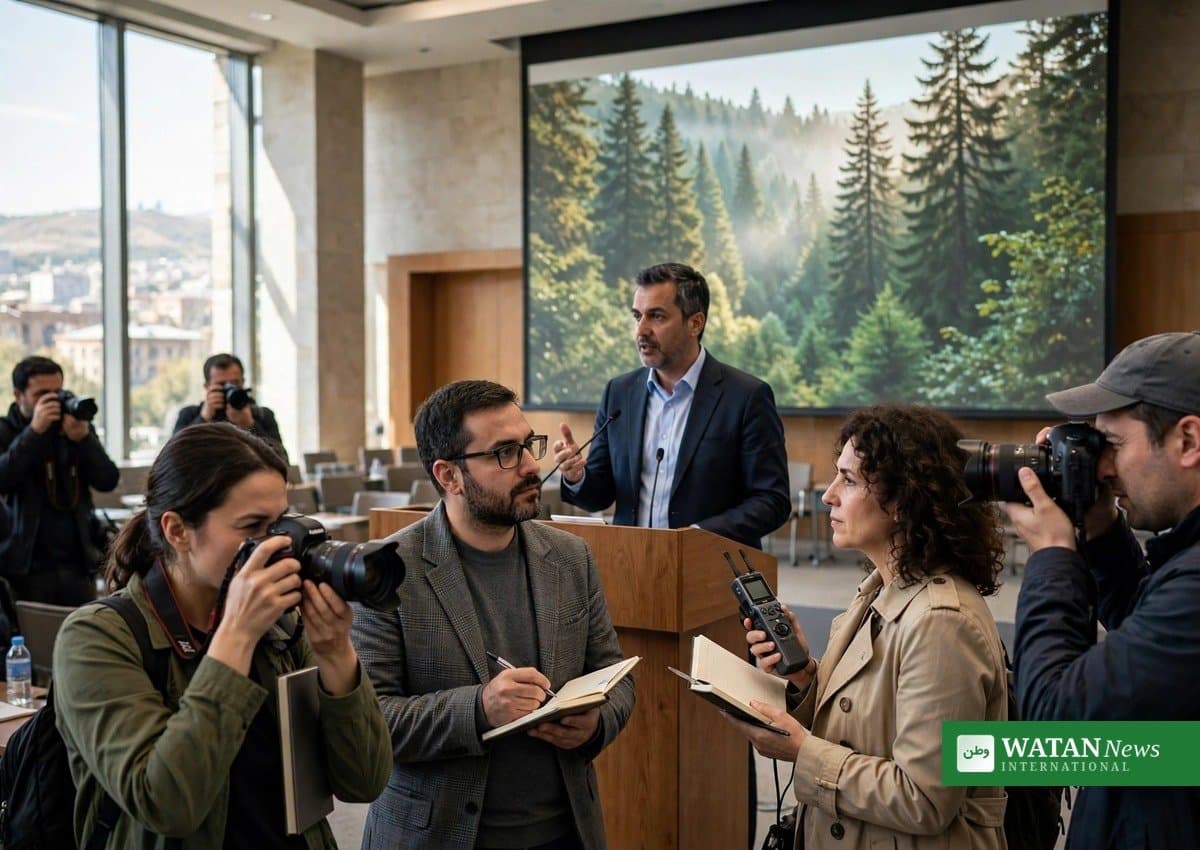
Plastic Bank, the Canadian social enterprise behind one of the world’s largest bottle collection networks, is courting more Philippine companies to join its plastic waste collection drive, pitching the partnership as a practical route for firms to meet their extended producer responsibility targets. Founder and chief executive David Katz made the appeal to reporters on the sidelines of a European Chamber of Commerce of the Philippines (ECCP) forum in Manila on 7 October 2026, reported BusinessWorld.

FAKTA: Key facts

  • Organisation: Plastic Bank — Canadian social enterprise founded in 2013 by David Katz
  • Philippines milestone: two billion plastic bottles recovered, equal to 45 million kilograms, as of August 2026 (company figures cited by BusinessWorld)
  • Model: bottle deposit programme — used bottles exchanged for money and social benefits, traced on a blockchain-secured platform
  • Pitch: help Philippine firms meet extended producer responsibility requirements
  • Local partners include Pepsi-Cola Products Philippines, CDO Foodsphere, Pacific Synergy Food and Beverage Corp. and S.C. Johnson & Son
  • Also operates in Egypt, Thailand, Brazil and Indonesia
  • Context: EU–Philippines Green Economy Partnership — a 60 million-euro EU grant supporting the Philippine green economy transition

Two billion bottles — and counting

According to figures cited by BusinessWorld, Plastic Bank has recovered two billion plastic bottles in the Philippines alone, equivalent to 45 million kilograms of plastic, as of August 2026. The bottles are collected through a deposit programme in which people exchange used plastic for money and access to social benefits, and every bottle is tracked on a blockchain-secured platform before being recycled into the circular economy.

“We continue to invest and create the opportunity to invite more Filipino companies to participate,” Katz told reporters at the ECCP forum.
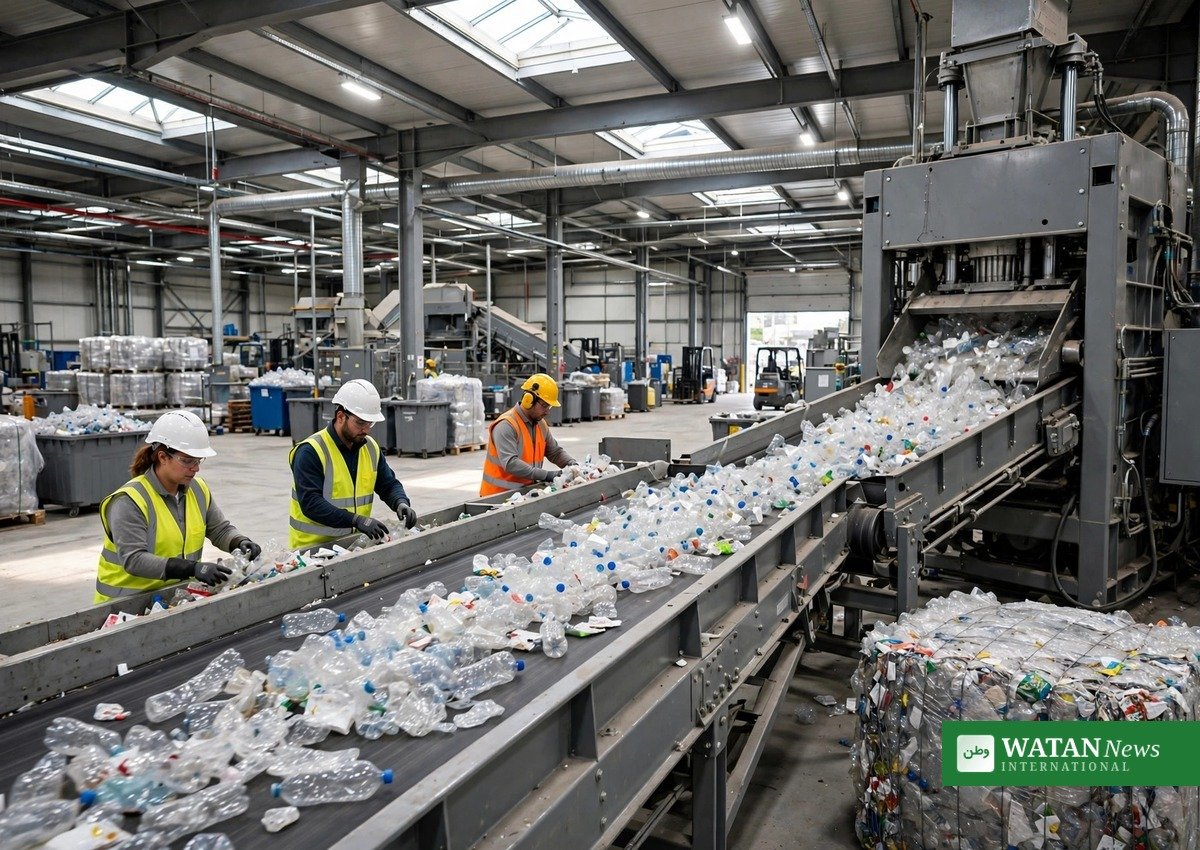
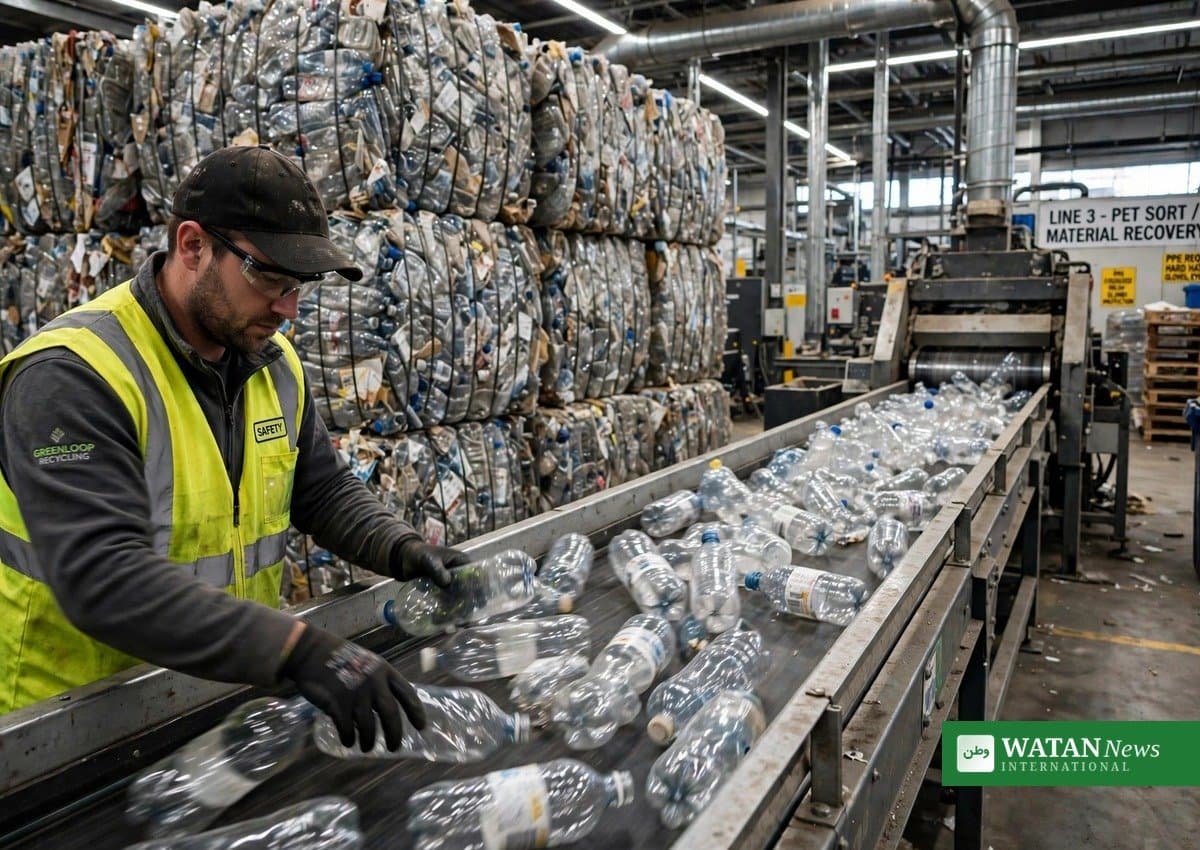
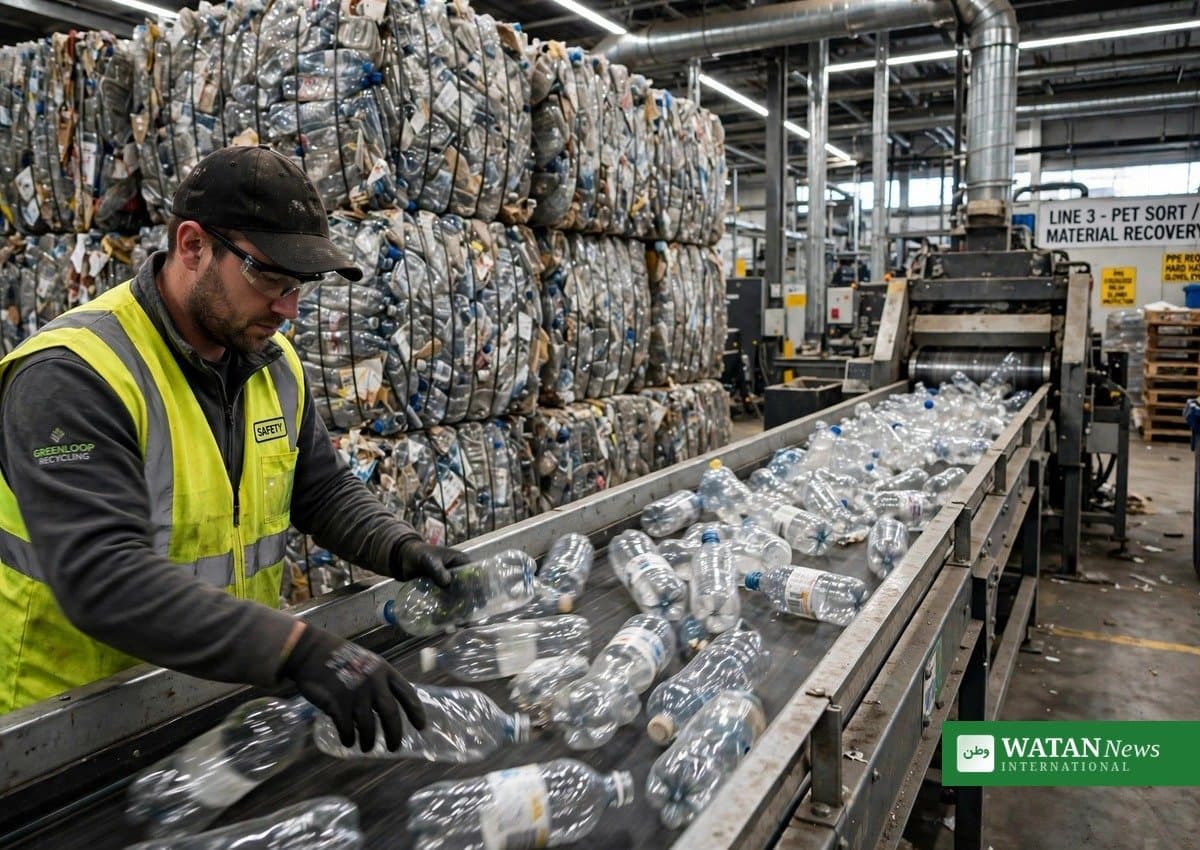
Plastic bottles on a sorting conveyor at a recycling facility
Collected plastic bottles move along a sorting line at a recycling facility. Plastic Bank says its blockchain-tracked system has recovered two billion bottles in the Philippines.

How the collection model works

Plastic Bank describes itself as a social fintech: collection branches pay people for the plastic they bring in, and the material is converted into recycled feedstock for new products. Independent reporting on the organisation notes that its networks compensate tens of thousands of collectors across its operating countries and that it has partnered with more than 200 companies worldwide on circular packaging.

In the Philippines, its local partners include Pepsi-Cola Products Philippines, Inc., CDO Foodsphere, Inc., Pacific Synergy Food and Beverage Corp., S.C. Johnson & Son, Inc., as well as food and beverage companies such as Wendy’s Philippines, Conti’s Bakeshop and Restaurant and Goldilocks Bakeshop Philippines.

Extended producer responsibility in focus

The centrepiece of Katz’s pitch is extended producer responsibility — the principle that companies putting packaged goods on the market should help fund and organise the collection of the waste those products become. By joining Plastic Bank’s network, firms can document verified collection volumes against their responsibility targets.

Dawn F. Cabigon, who heads the ECCP’s international trade fairs division, said the bottle collection programme aligns with the chamber’s push to promote circular economy practices in the Philippines. “We cannot solve waste in the current system that we have. It has to be in a green economy… and it needs new systems, technologies, solutions, as well as a mindset change,” she said.
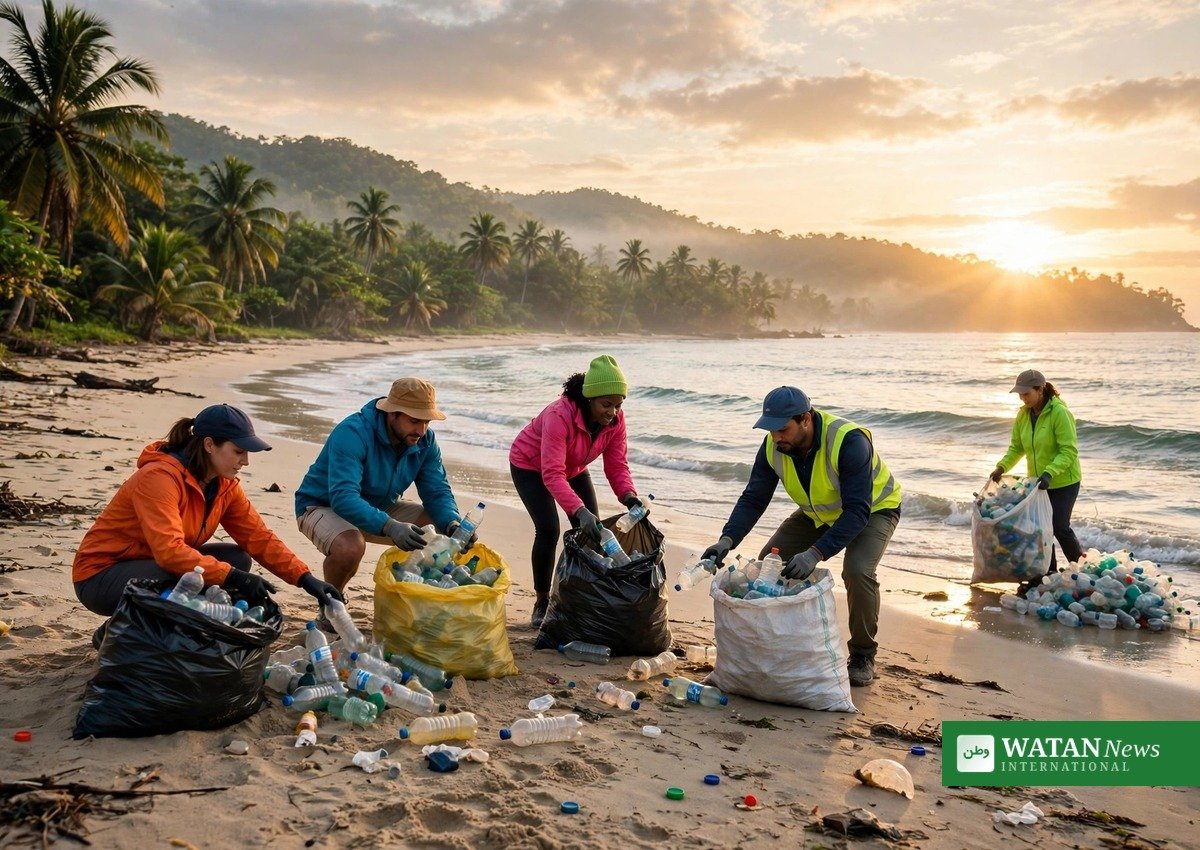
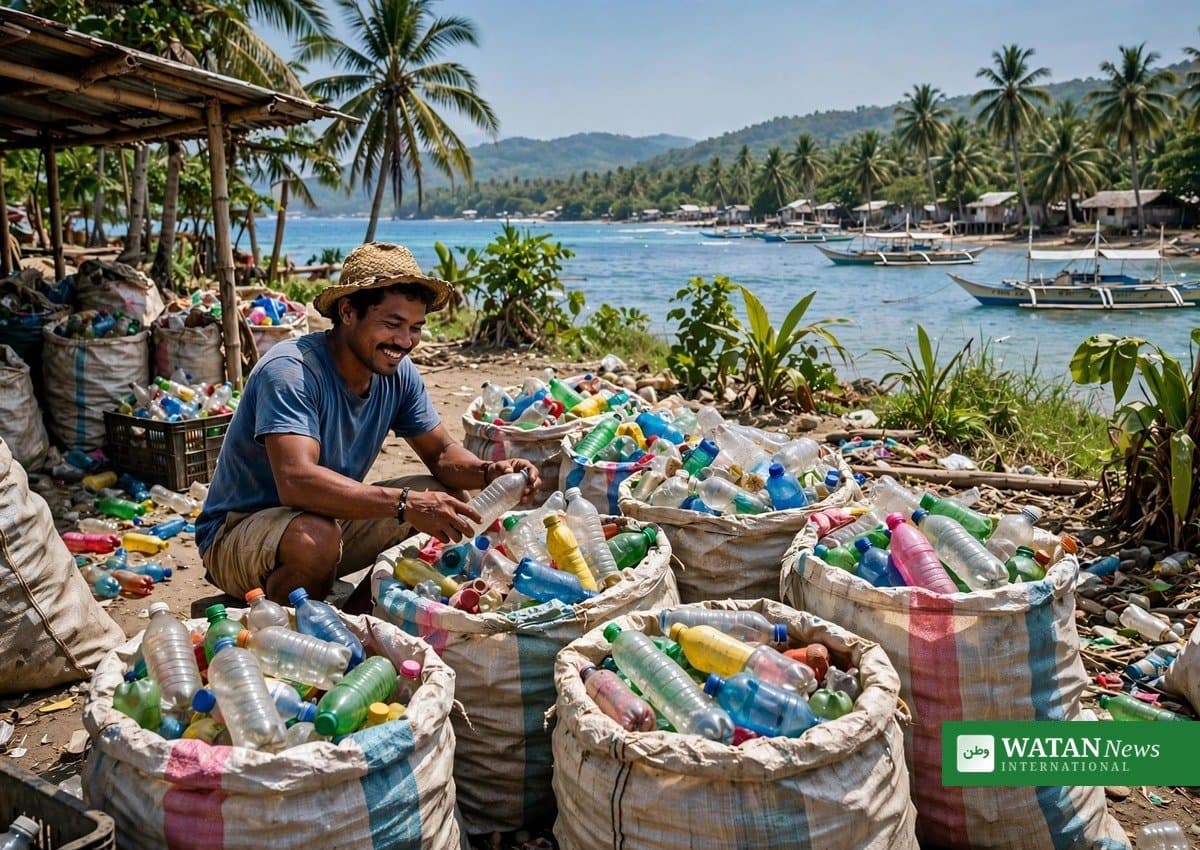
Volunteers collecting plastic waste on a tropical beach at sunrise
Volunteers collect plastic waste from a tropical beach at sunrise. Keeping plastic out of oceans and landfills is central to the circular economy model.

EU backs the Philippines’ green transition

Cabigon also pointed to the EU–Philippines Green Economy Partnership, a 60 million-euro grant from the European Union to the Philippine government to support the country’s transition to a green economy — the policy backdrop against which collection schemes like Plastic Bank’s are scaling up.

Why it matters for the climate

Plastic waste is a climate issue as well as a pollution crisis: every bottle kept in circulation is one that does not end up in a landfill or waterway, and verified collection reduces demand for new virgin plastic. Deposit-and-trace models like Plastic Bank’s show how waste policy, corporate responsibility rules and community livelihoods can pull in the same direction.

For more climate news from Watan News, follow our ongoing coverage of zero waste and the circular economy.

Related Stories

Planet & environment

Climate & Sustainability

News, stories and solutions driving change towards a greener and more sustainable planet for future generations.

India Pushes Airlines Towards Greener Fuel as Malaysia Delays Its SAF Mandate to 2030
Featured story

India Pushes Airlines Towards Greener Fuel as Malaysia Delays Its SAF Mandate to 2030

India's draft SAF policy would require 5% blending by 2030 and 90% of fuel uplifted at home, while Malaysia has pushed its 1% mandate from 2027 to 2030.

Read full story

GREEN JOURNALISM

Every Action Counts

Small steps today, big impact tomorrow.

Explore more stories