China has blocked the SoftBank ABB robotics deal – SoftBank’s $5.4 billion acquisition of ABB’s robotics division – dealing a setback to one of the biggest technology deals of the year and deepening a sell-off in chip and artificial intelligence stocks.
FAKTA
- The deal: SoftBank agreed in October 2025 to buy ABB’s robotics business for about $5.375 billion. Completion had been planned for mid-to-late 2026.
- The block: Chinese regulators told SoftBank the acquisition would not be allowed. ABB confirmed the decision on 5 November 2026.
- Why it matters: China is the largest market for ABB’s robotics unit, which employs more than 7,000 people.
- Share reaction: SoftBank shares fell about 6 percent in Tokyo and ABB shares slipped about 2 percent in Stockholm.
- Wider sell-off: Qualcomm shares dropped 9 percent and Arm shares fell 9 percent as investors rotated out of chip stocks.
What Beijing decided on the SoftBank ABB robotics deal
Chinese regulators have told SoftBank Group they will not allow its $5.4 billion acquisition of ABB’s robotics division to go ahead, the Financial Times reported on Thursday, 5 November, citing several people familiar with the matter. ABB confirmed the decision in a statement the same day, saying it had been informed by SoftBank that China’s Office of the Working Mechanism for Foreign Investment Security Review had prohibited the acquisition of the ABB Robotics business in China.
SoftBank was informed of the decision by China’s National Development and Reform Commission, the country’s top economic planning agency, according to the report. SoftBank is now assessing what went wrong and whether it can seek approval again. ABB said both companies are working constructively on the transaction, and neither company has officially called the deal off.
Why robotics data matters
Chinese officials were reportedly concerned that operational data from the robotics unit, which has a large footprint in China, could be transferred overseas and used to train competing artificial intelligence models. The deal was central to SoftBank founder Masayoshi Son’s push into what he calls physical AI – combining artificial intelligence with robots that work in the real world.
China is the biggest market for ABB’s robotics unit, which supplies industrial arms and robots to manufacturers such as BMW. The deal had won unconditional approval from the European Union in March, but China’s approval was essential because of the size of the unit’s business there.
This is not the first time Beijing has stepped in to block a deal involving sensitive technology. Nikkei Asia noted that China recently blocked Meta’s $2 billion purchase of AI startup Manus after a security review.
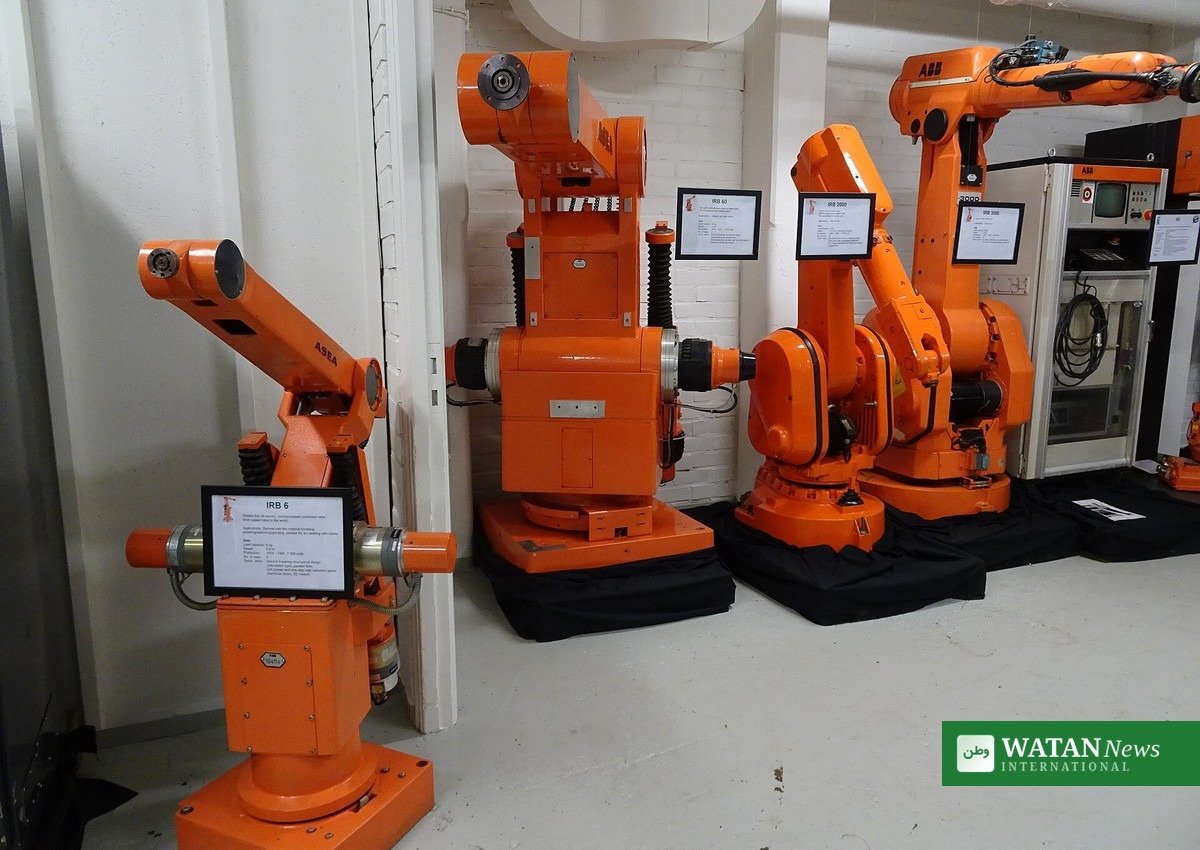
ABB industrial robots. China is the largest market for ABB’s robotics business, which employs more than 7,000 people worldwide.
A wider sell-off in chip stocks
The blocked deal landed on a difficult day for technology shares. SoftBank fell about 6 percent in Tokyo, also weighed down by a slide in Arm Holdings, its chip designer, and by a broader sell-off in AI-linked stocks after Democrats won control of both chambers of Congress in the US midterm elections.
| Company | Share move on 5 November | Reason reported |
|---|---|---|
| SoftBank | Down about 6% | China blocked ABB robotics deal; Arm slide |
| ABB | Down about 2% | Robotics deal blocked in China |
| Qualcomm | Down 9% | Memory crunch hurt phone-chip sales |
| Arm Holdings | Down 9% | Quarterly guidance underwhelmed investors |
| Toyota | Up 17% | Lifted earnings forecast; weaker yen |
Qualcomm shares dropped 9 percent after the memory crunch hurt sales of smartphone chips, even though the company beat profit forecasts for the quarter. Arm shares fell 9 percent even as the chip company reported a 27 percent jump in revenue, after its guidance for the current quarter underwhelmed investors.
Asian markets split sharply: South Korea’s Kospi fell about 4.8 percent and Japan’s Nikkei fell about 1.5 percent, while the Dow Jones surged 1,570 points in the United States as investors rotated out of AI and chip stocks into other sectors.
What happens to the deal now
SoftBank is assessing whether it can seek approval again, and ABB said the two companies will continue to work on the transaction. But the block adds a regulatory overhang to SoftBank, whose large investment in OpenAI gives it significant exposure to the US data centre buildout that Democrats have signalled they will scrutinise more closely.
Read more technology news on Watan News International – Technology.
Conclusion
China’s decision to block the SoftBank–ABB robotics deal shows how technology, trade and national security have become inseparable. For SoftBank it is a setback to its physical AI ambitions; for the wider market it is another sign that the AI boom now faces political and regulatory headwinds on both sides of the Pacific.