Three more tankers were reported damaged in the latest Strait of Hormuz tanker attacks on Thursday, 5 November, as attacks on shipping in the world’s most important oil waterway continued at a near-record pace, according to reports from the region.
FAKTA
- What happened: Iran reported three more tankers damaged in the Strait of Hormuz on Thursday, 5 November. Iran’s Revolutionary Guards said two tankers had struck naval mines and a third had caught fire.
- October toll: 35 vessels were hit in the strait in October, the most in any month of the war, according to the United Kingdom Maritime Trade Operations (UKMTO).
- Oil price: Brent crude fell to about $93.65 a barrel, down more than $20 from last week.
- The strait: Around 20 million barrels of oil pass through the Strait of Hormuz every day.
The latest Strait of Hormuz tanker attacks
Reuters reported on Thursday that Iran said three more tankers had been damaged in the Strait of Hormuz, making clear that shipping would remain in peril as long as the war in the Gulf is unresolved. Iran’s Revolutionary Guards, who do not usually acknowledge firing on merchant ships but say the transit route is unsafe without Tehran’s consent, said two tankers had struck naval mines and another had caught fire.
The UKMTO reported that a vessel had been struck by two unidentified projectiles late on Wednesday. At least five vessels have reported incidents since Sunday, according to the agency, around the same rate as in October, when it said 35 vessels were hit, the most of any month of the war.
A record month for attacks
The pace of attacks has risen sharply. On Wednesday, 4 November, the Revolutionary Guards said four oil tankers had been destroyed after hitting naval mines while trying to cross a route described as prohibited south of the Strait of Hormuz, and that the tankers were still ablaze. The statement added that two other vessels had been seized.
The Wall Street Journal reported on 4 November that Iranian units have deployed underwater explosive drones, rocket-propelled grenades fired from fast attack craft, and limpet mines. Iranian state media said on 5 November that the Revolutionary Guards had issued Operational Statement 21, claiming that two commercial tankers and an assisting tugboat caught fire after navigating unapproved corridors.
Oil prices fall sharply
Despite the attacks, oil prices have plunged in recent days. Brent crude futures dropped about 9 percent overnight to settle at $93.65 a barrel on 5 November, down from peaks near $119 a barrel in October. West Texas Intermediate futures fell about 8 percent to $88.12 a barrel.
Traders have bet that the United States may be less likely to restart strikes on Iranian targets after midterm elections in which Democrats won control of both chambers of Congress. Prices bounced back slightly on Thursday but remain down more than $20 a barrel from last week.
Why the strait matters
The Strait of Hormuz is the narrow waterway between Iran and Oman through which around a fifth of the world’s seaborne oil trade passes. Even a short disruption can push up freight rates and war-risk insurance costs, and several shipping companies have begun rerouting vessels around the Cape of Good Hope, adding days to voyages.
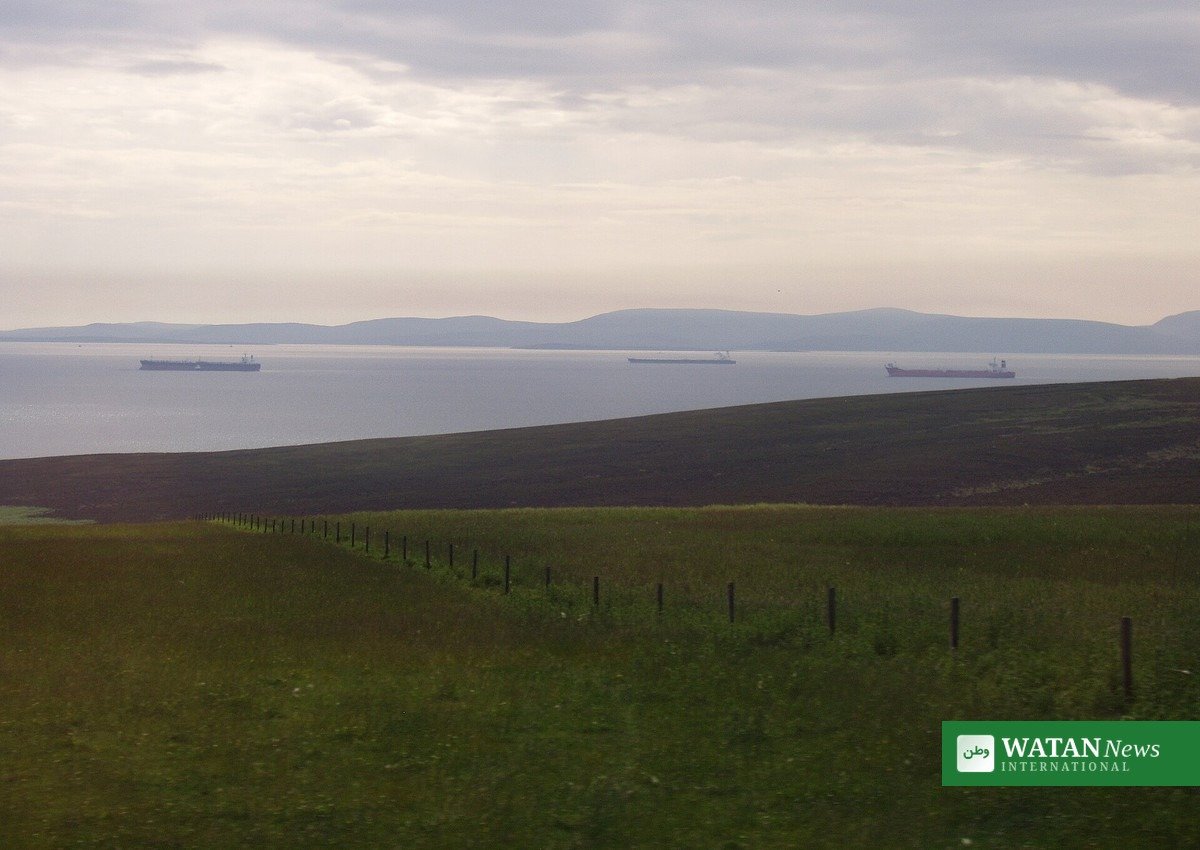
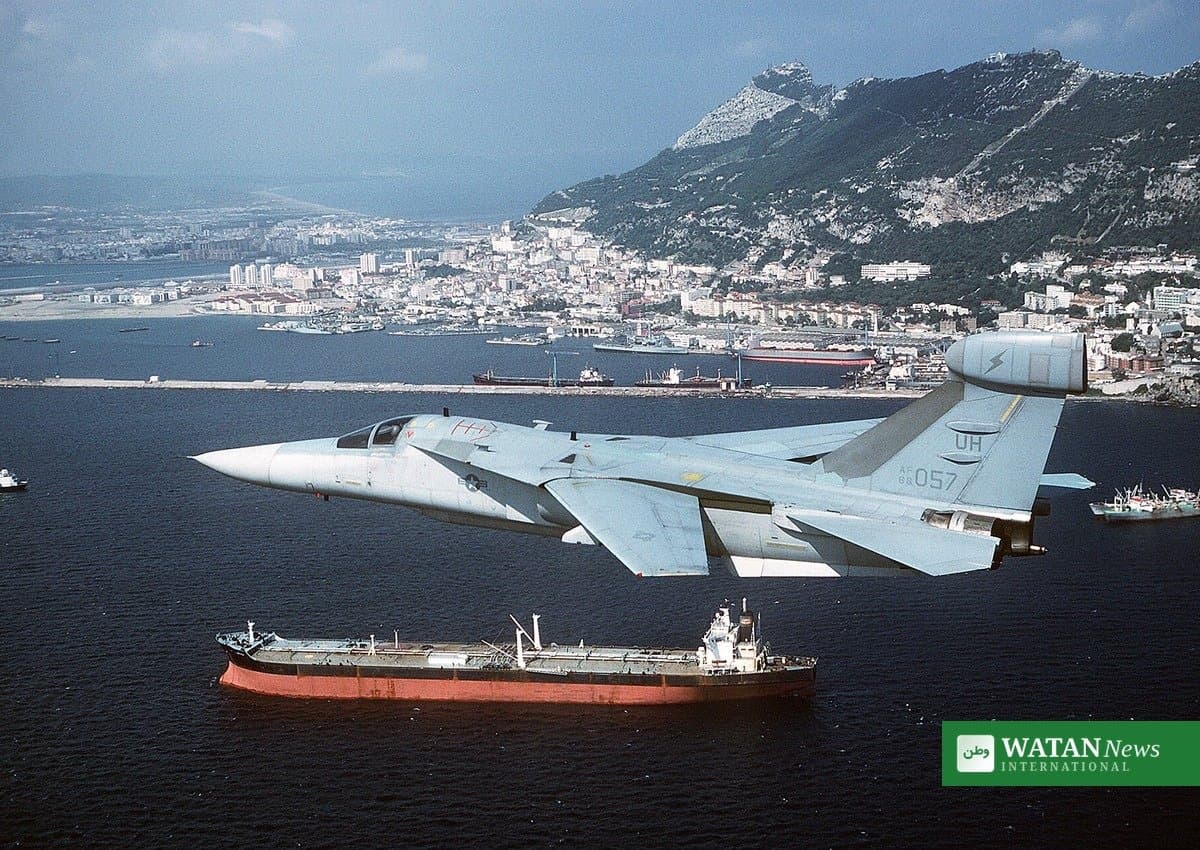
Tankers at anchor. Around 20 million barrels of oil pass through the Strait of Hormuz every day, making it the world’s most important energy chokepoint.
For now, the waterway remains open, but the record pace of incidents has left shipowners, insurers and energy markets watching every transit. Diplomats are under pressure to find a route to de-escalation before a single incident closes the strait altogether.
Read more world news on Watan News International – World.
Conclusion
The Strait of Hormuz is again at the centre of a dangerous standoff. Tanker attacks are running at their fastest pace of the war, oil prices are swinging sharply, and the risk to one of the world’s most important shipping lanes is growing by the day.