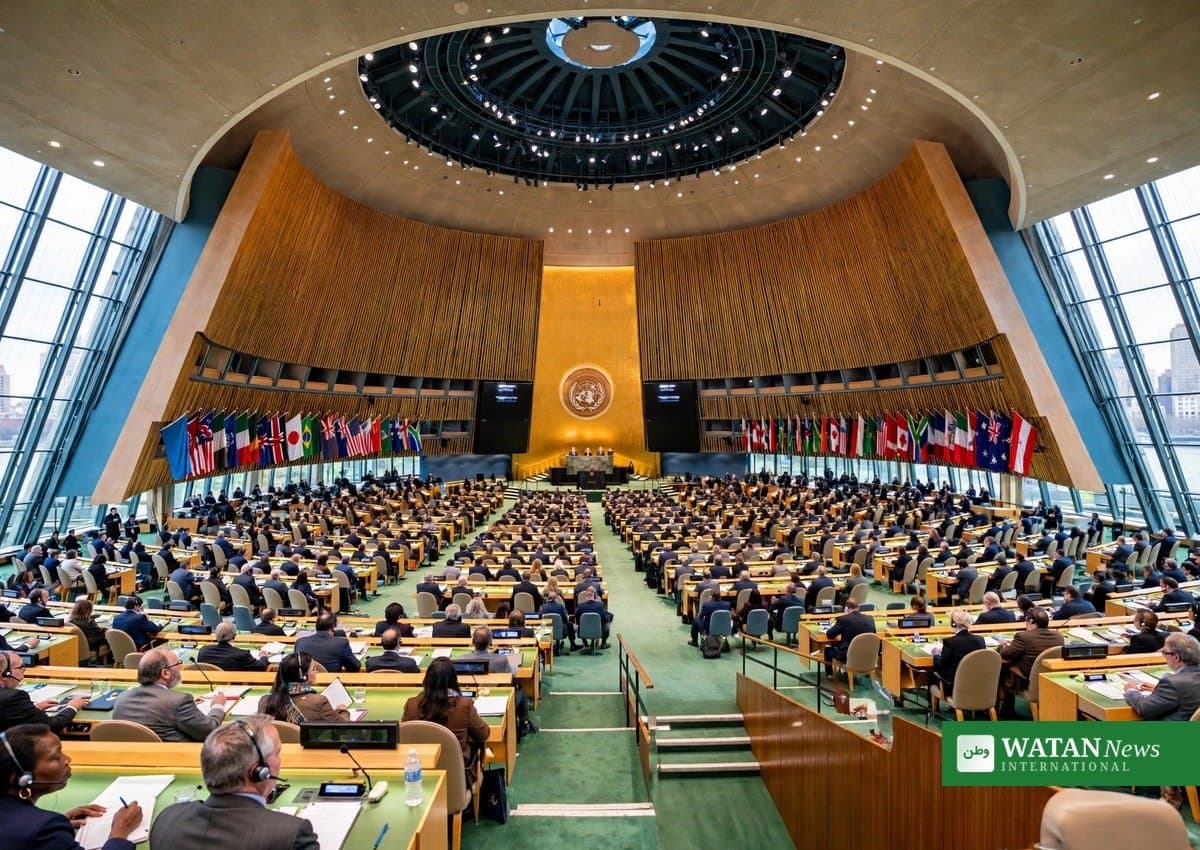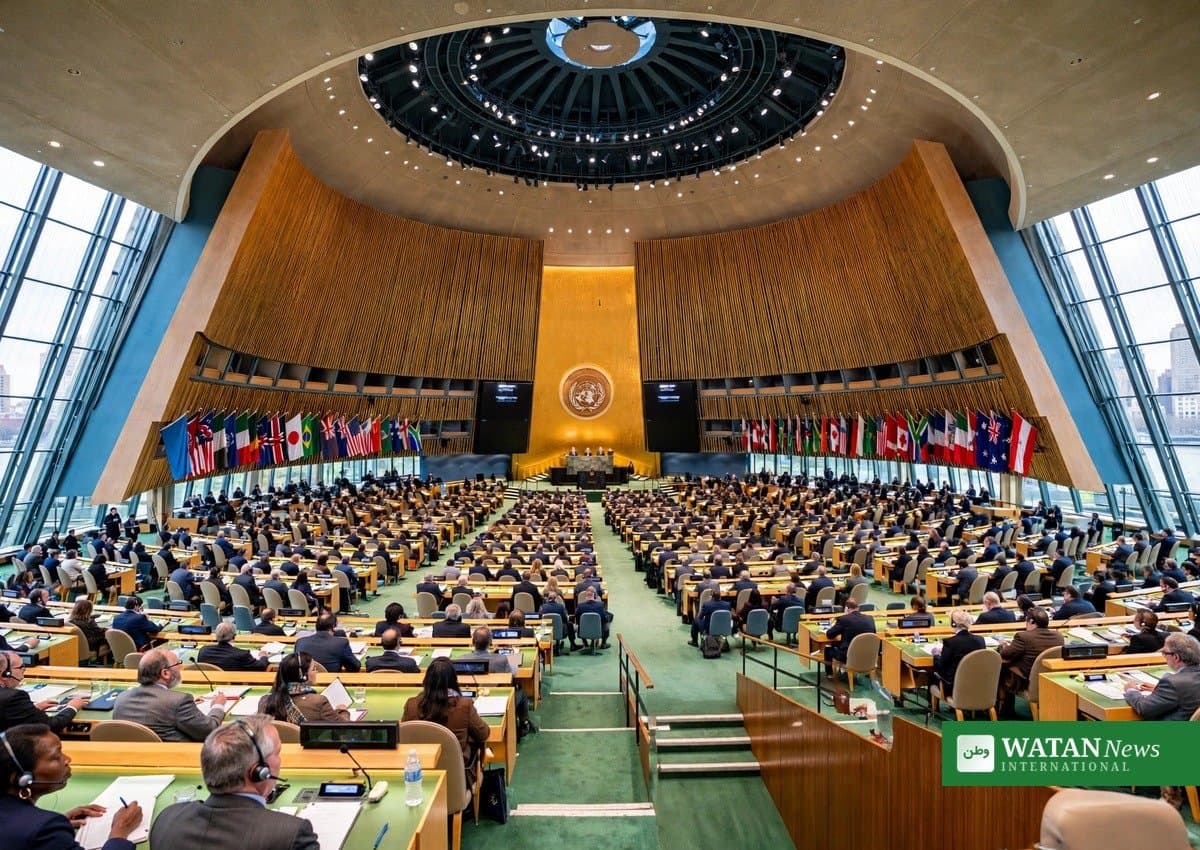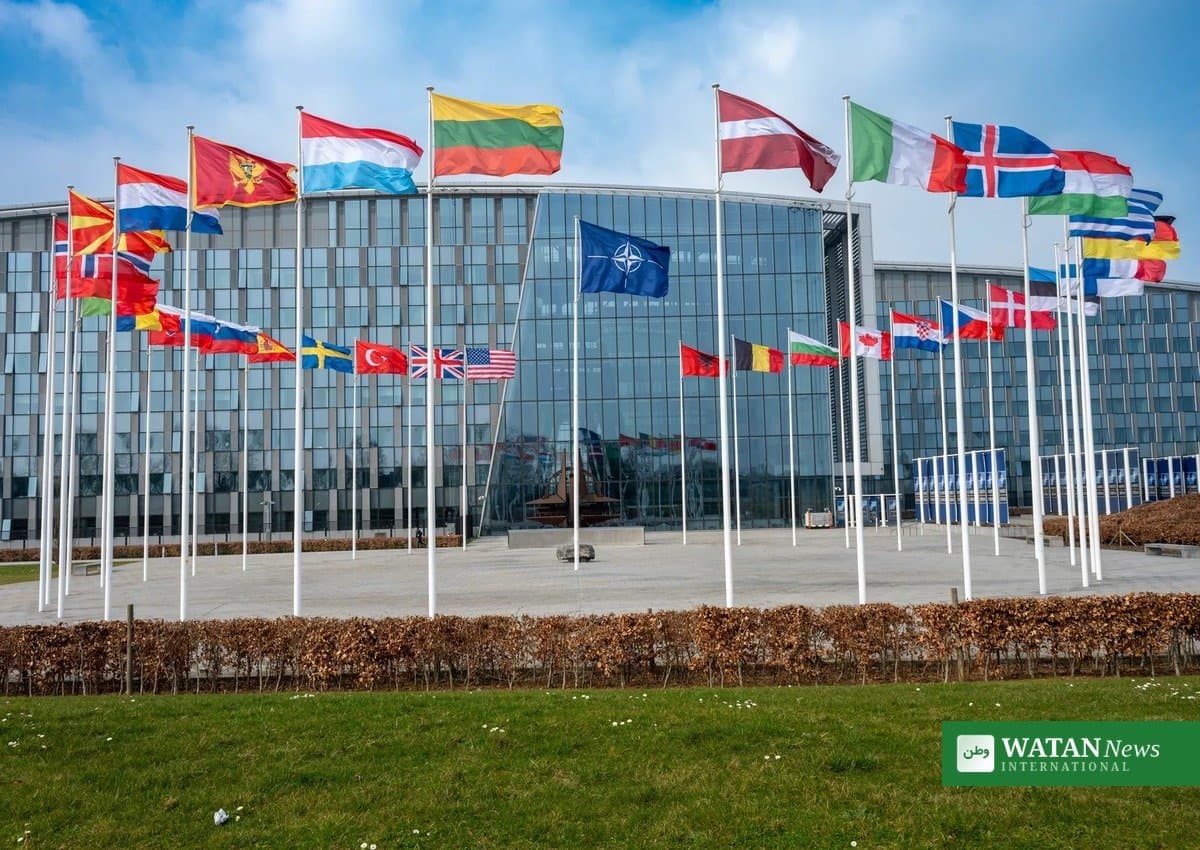
NATO Secretary General Mark Rutte has urged member states to speed up the production and delivery of military equipment, warning that higher defence budgets will only strengthen deterrence if they become usable capabilities. He made the appeal on Thursday, 29 October 2026, at NATO headquarters in Brussels, where he addressed the autumn plenary session of the alliance’s Committee of National Armaments Directors.
Mr Rutte’s message was practical: political commitments and increased investment must now become signed contracts and equipment in the hands of armed forces. The alliance, he argued, is strongest when its members plan, build and equip their forces together rather than working in isolation.
FAKTA
- Who: NATO Secretary General Mark Rutte, addressing the Committee of National Armaments Directors (CNAD).
- When and where: Thursday, 29 October 2026, at NATO headquarters in Brussels.
- Core message: Turn defence commitments into contracts and deliver capabilities faster, so increased investment becomes real military strength.
- On the agenda: Faster production, better procurement, industrial preparedness and deep precision strike capabilities.
- Background: The CNAD was established in 1966 and marked its 60th anniversary at the meeting, building on decisions taken at the NATO Summit in Ankara.
From commitments to contracts
The armaments directors’ meeting followed decisions agreed at the NATO Summit in Ankara, and its focus was implementation. Delegates examined how procurement and acquisition could be accelerated and how bottlenecks in production could be removed, so allies can meet their defence requirements.
Mr Rutte stressed closer cooperation with defence companies and a steadier flow of military equipment. In his view, the test of the alliance’s recent spending increases is not the size of national budgets but whether those budgets produce interoperable weapons, vehicles and systems that allies can use side by side.
Industrial readiness and precision strike
Industrial preparedness was a central theme of the discussions. Officials looked at how member states can keep production lines ready, share capacity and respond more quickly when demand rises, rather than rebuilding capability from scratch in a crisis.
The development of deep precision strike capabilities was also on the table, alongside efforts to make the committee itself work more effectively and deliver concrete results. A session with Interoperability Platform partners gave participants a further chance to exchange views on shared capabilities.
Sixty years of armaments cooperation
The meeting carried a symbolic weight as well as a practical one. Founded in 1966, the CNAD was created to help allies cooperate in equipping their armed forces, and its remit has since grown to cover defence industrial production and the conversion of military requirements into equipment that works across allied forces.
Marking the committee’s 60th anniversary, Mr Rutte urged members both to recognise what six decades of cooperation have achieved and to set a higher level of ambition for what it must deliver next. The challenge he set was clear: use existing commitments and rising investment to produce stronger, faster and more closely coordinated defence for all allies. More international news is available on Watan News International.