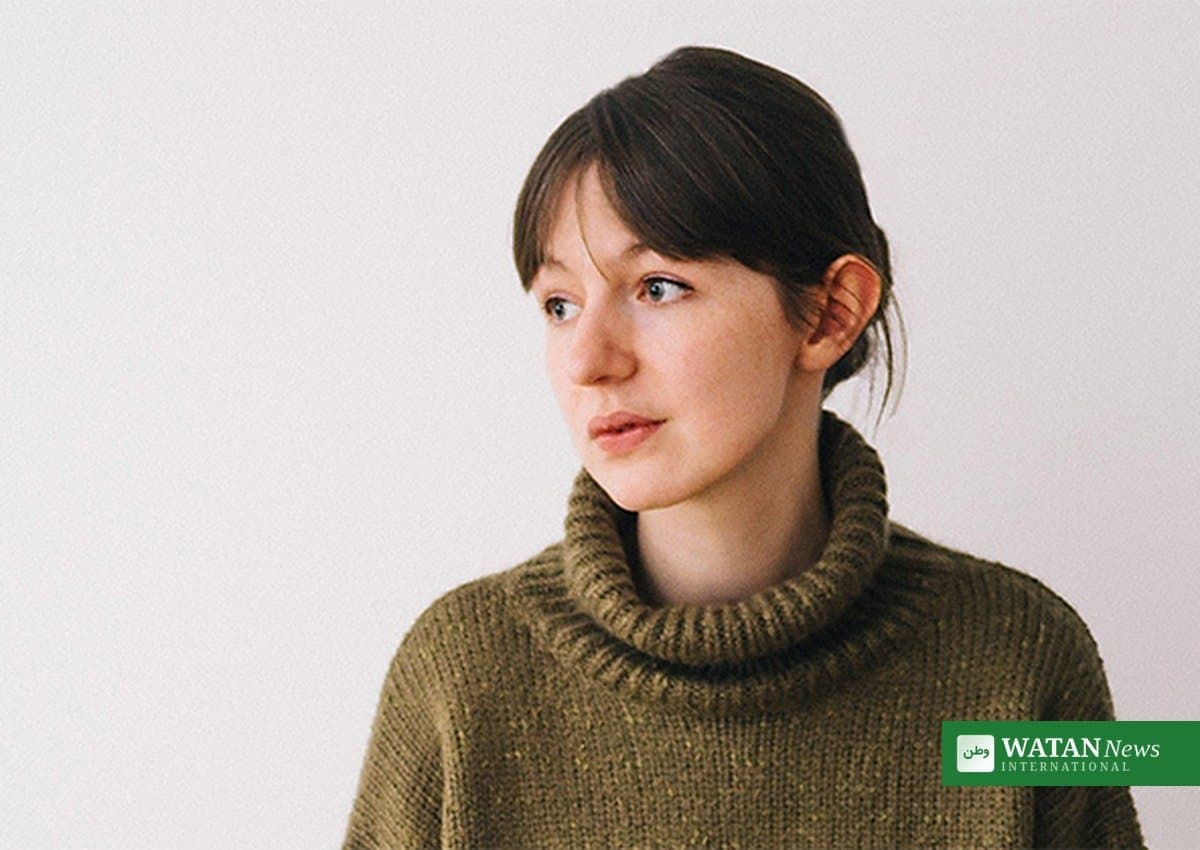
The Irish novelist Sally Rooney has agreed with her publisher, Faber, to withdraw all of her books from sale in the United Kingdom, in a move that follows her public commitment to financially support Palestine Action — a group the British government proscribed as a terrorist organisation in July 2025. With Sally Rooney books pulled from UK shelves, the publisher says current British legislation makes it impossible to pass her UK earnings on to her, and that fulfilling UK publishing contracts could now constitute a serious criminal offence.
FAKTA
- Who: Irish novelist Sally Rooney and her publisher Faber, acting in full agreement with each other.
- What: All four Rooney novels — Conversations with Friends, Normal People, Beautiful World, Where Are You and Intermezzo — withdrawn from sale in the UK in all formats.
- When: Announced on Wednesday, 14 October 2026; digital editions have already been removed from UK sales platforms.
- Why: Faber says British counter-terrorism legislation means it cannot pass UK royalties to Rooney because she has pledged her earnings to Palestine Action, which the UK government proscribed in July 2025.
- Existing stock: Booksellers may continue to sell physical copies they already hold but cannot order new copies from Faber.
- Outside the UK: Faber will continue to sell Rooney’s titles in all other territories.
Sally Rooney Books Pulled: Why Faber Stopped Supplying Her Novels
Faber explained the situation in a statement on 14 October 2026. “Current legislation in the UK has led to circumstances where Faber cannot pass on UK earnings to Sally Rooney for her work. To sell a writer’s work and not be able to pass on earnings is an unconscionable situation for a publisher,” the company said. It added: “As such, and in full agreement with Sally, we have taken the decision that we can no longer supply her works in the UK in any format.”
The legal concern centres on Section 15 of the UK’s Terrorism Act 2000, which makes it an offence to provide money or property to a proscribed organisation — an offence carrying a maximum sentence of 14 years. Reports on the announcement say Faber concluded that paying royalties to Rooney, who has pledged to direct her earnings to Palestine Action, could risk prosecution. Rooney herself put the same concern on record, telling the BBC: “As a result, the fulfilment of contracts to publish my work in the UK could now constitute a serious criminal offence.”
Digital editions of her novels have already been withdrawn from UK sales platforms. Waterstones has confirmed that Faber informed booksellers there were no restrictions on selling existing stock — but no new copies can be supplied.
How the Decision Came About
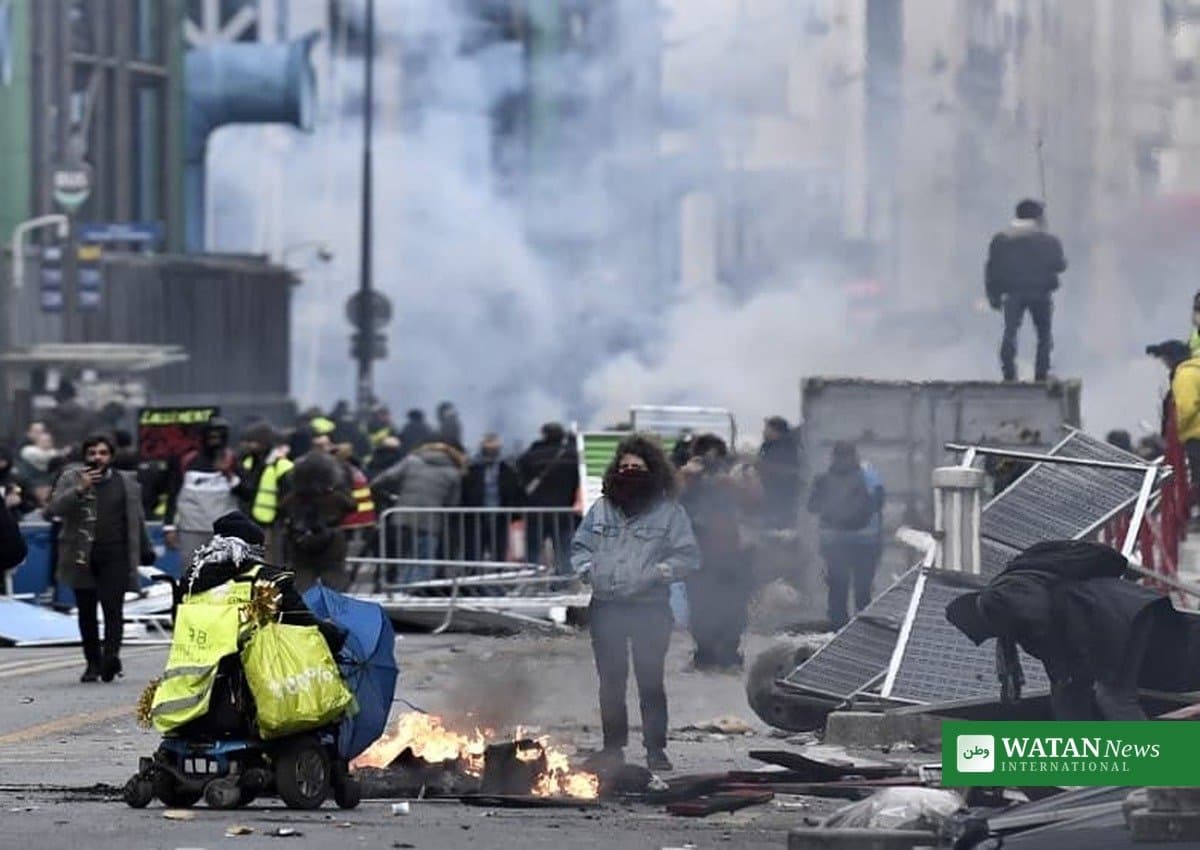
Palestine Action, a direct-action protest network, was proscribed by the British government in July 2025 after its members broke into RAF Brize Norton and sprayed the engines of two aircraft with red paint. The group has previously engaged in property-damaging protests. The proscription is being challenged in the courts, with the matter expected to be considered by the UK Supreme Court.
Rooney has been open about her support for the group. In June 2025 she praised Palestine Action and criticised the British government’s intention to ban it. After the ban came into force, she submitted a written statement to the High Court describing herself as a “committed supporter” of the group. In an opinion piece published in the Irish Times in August 2025, she set out her determination to continue financially backing it.

Rooney’s position
Rooney has said she intends to use the proceeds of her work to keep supporting Palestine Action, and noted that the group remains a legal organisation in the Republic of Ireland, where she lives. She also revealed that she had scrapped plans to travel to the UK to collect an award, fearing arrest on arrival. Responding to the latest development, she told the BBC: “I have made every effort to be honest with the public about my beliefs and intentions, and I am wholly prepared to accept the consequences.”
Free-speech groups and many writers have criticised the proscription, arguing that it treats property-damaging direct action as equivalent to violent terrorism. Critics also point to a large rise in arrests and charges for public expressions of support since the ban came into force.
The publisher’s position
Faber stressed that it remains proud of Rooney’s body of work and will continue distributing her titles outside the UK. The publisher has framed the move as a legal necessity rather than a commercial or editorial choice: it says UK law has created circumstances in which selling her books while being unable to remit her earnings is, in its words, “an unconscionable situation for a publisher.”
The Novels Affected
All four of Rooney’s published novels are covered by the withdrawal in every format:
| Novel | First published | Notable detail |
|---|---|---|
| Conversations with Friends | 2017 | Rooney’s debut novel |
| Normal People | 2018 | Adapted into the acclaimed BBC/Hulu television series |
| Beautiful World, Where Are You | 2021 | Also adapted for television |
| Intermezzo | 2024 | Her most recent novel; longlisted for major literary awards |
A Broader Question for Publishers
The case has raised wider concerns in the publishing and literary world about how counter-terrorism law applies to third parties. Faber’s reasoning — that it cannot lawfully or ethically sell a writer’s work while being unable to transfer the earnings to the author — could set a precedent with commercial and cultural effects beyond this single author, particularly where writers publicly direct income to causes that the law treats as proscribed.
For now, readers in the UK can only buy Rooney’s remaining physical stock from bookshops that still hold it. Her books continue to be published and sold everywhere else, including in Ireland, where she is based and where Palestine Action is not banned.
Conclusion
The withdrawal of Sally Rooney’s books from the UK is the product of two positions held simultaneously: an author who says she intends to keep funding a proscribed group and accepts the consequences, and a publisher that says the law gives it no way to sell her books and pay her for them. Whether the Supreme Court’s consideration of the proscription changes the legal landscape remains to be seen — until then, one of the most widely read novelists of her generation has no books for sale in the UK.