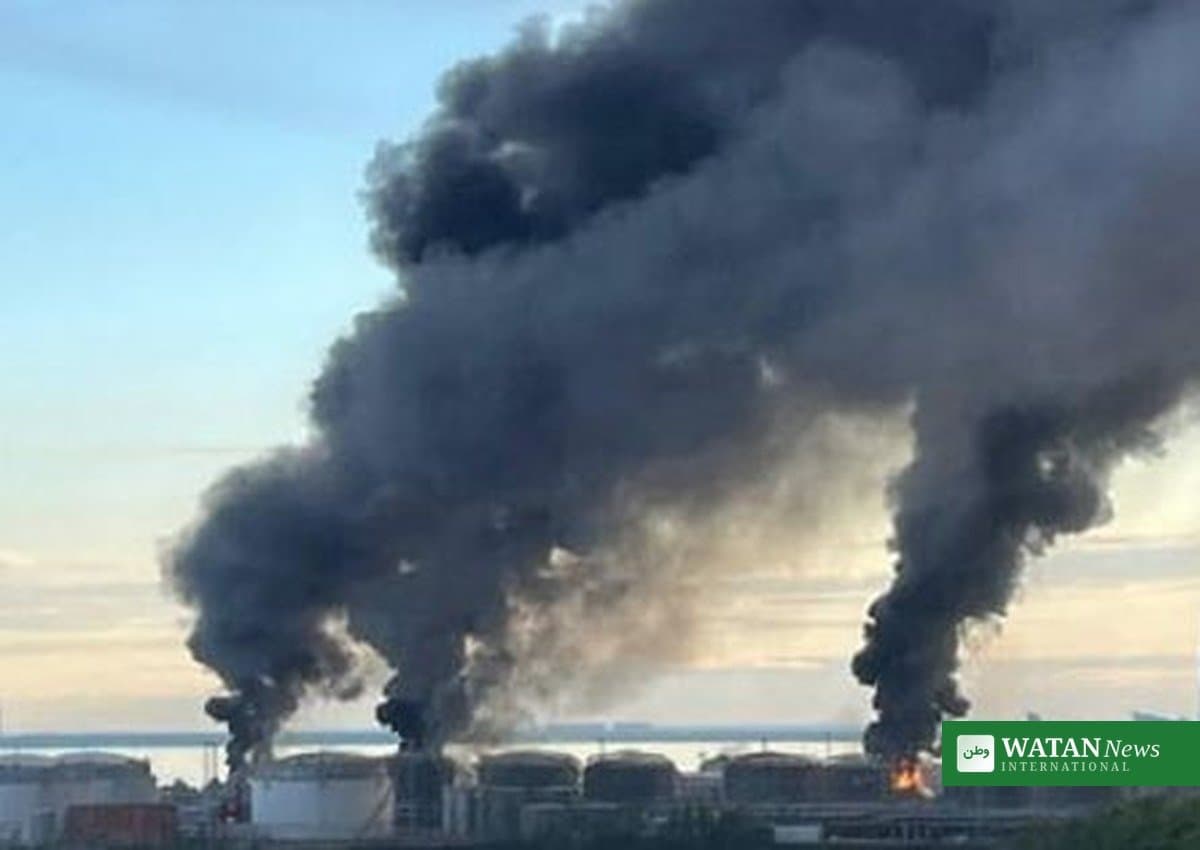
Ukraine launched one of the largest aerial attacks of the war overnight into Sunday, as the Ukraine St Petersburg drone attack set the city’s oil terminal ablaze and disrupted hundreds of flights at Pulkovo airport — in open defiance of US President Donald Trump’s demand that Kyiv stop striking Russian energy infrastructure.
FAKTA
- What happened: a massive overnight Ukrainian drone attack on Russia, October 17–18. Russia’s defence ministry says its forces downed 1,015 Ukrainian drones over 15 Russian regions, Crimea and the Black Sea.
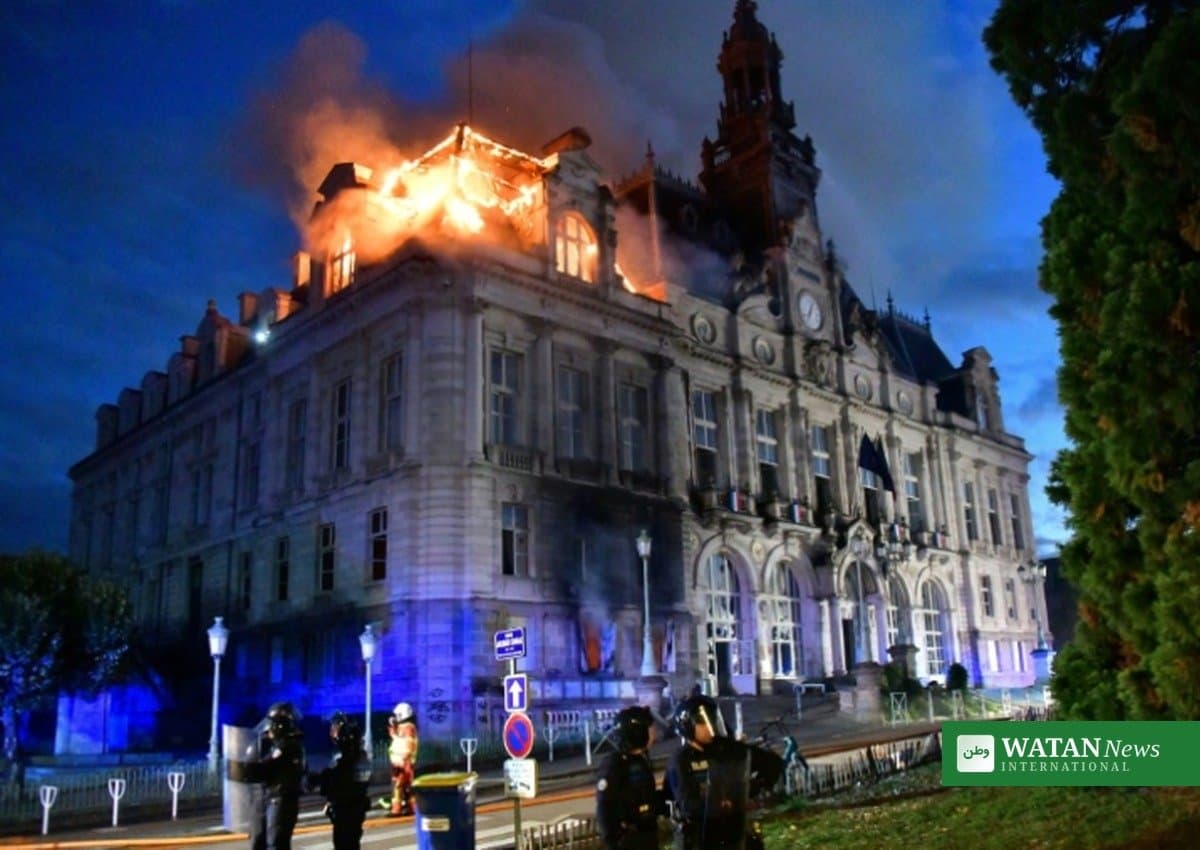
- St. Petersburg: fires broke out at the Petersburg Oil Terminal (annual capacity 12.5 million tons), the Ruchi oil depot and industrial warehouses in the Kolpino district. One person was killed and 15 injured across St. Petersburg and the Leningrad region, according to Reuters citing local authorities.
- Other targets: a logistics hub of Russian retailer Ozon caught fire, and a data centre of tech company VK in the Leningrad region was struck by drones; both companies confirmed the attacks.
- Aviation chaos: operations at Pulkovo airport were restricted “for safety reasons”, with 327 flights delayed or cancelled.
- Context: Trump announced on October 11 that Russia and Ukraine had agreed to an “energy ceasefire”, offering no details. Ukraine resumed strikes on Russian oil facilities on Thursday after a three-day pause.
- Ukraine’s toll: Ukrainian authorities say 11 people were killed and nearly 50 injured across Ukraine in Russian missile and drone attacks in the 24 hours to Sunday morning, including a massive attack on energy facilities in the Odesa region.
St. Petersburg hit hardest
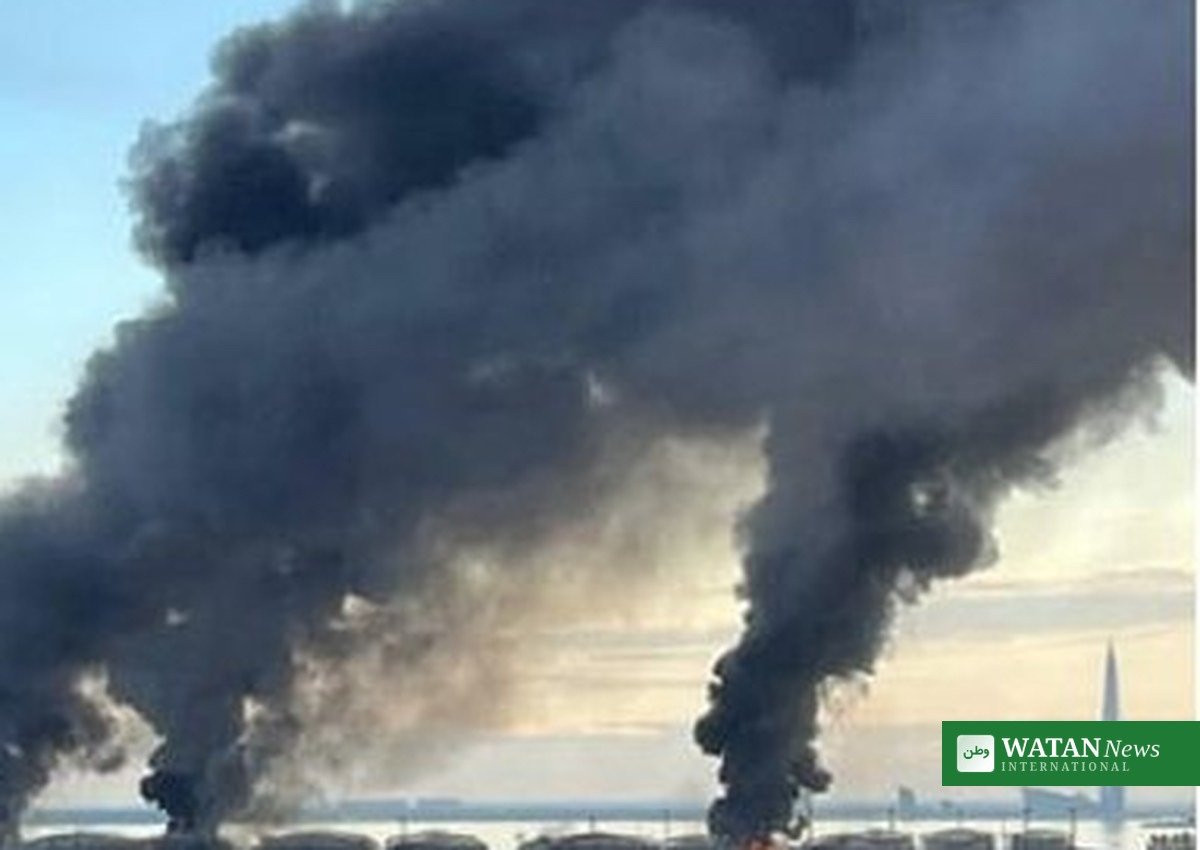
St. Petersburg governor Alexander Beglov confirmed on Telegram that the city had come under a “massive” overnight drone attack. Emergency services were still extinguishing fires at the Petersburg Oil Terminal, the Ruchi depot and warehouses in Kolpino on Sunday morning. One person died and five were wounded in the city, he said; Reuters reported 15 injured in total across St. Petersburg and the Leningrad region.
The terminal is one of Russia’s largest fuel storage and export facilities, with an annual throughput of 12.5 million tons. Hitting it puts direct pressure on a key point in Russia’s fuel exports. Ozon confirmed its St. Petersburg logistics hub was on fire, while VK said its data centre in the Leningrad region had been attacked but that services were running normally. Ukrainian drone manufacturer Fire Point said the Ukrainian military had struck the VK data centre near St. Petersburg.
One of the war’s largest drone barrages
Russia’s defence ministry said air defence units had destroyed 1,015 Ukrainian drones overnight — a figure that would make the attack among the largest of the 4½-year-old war, and the biggest strike St. Petersburg has ever faced. Falling drone debris damaged residential homes, cars and power lines, and tens of thousands of people were left without electricity, according to local reports.
At Pulkovo, the international airport serving St. Petersburg, operations were restricted and staff were ordered to take cover in shelters. 327 flights were delayed or cancelled, and airspace was also restricted in the eastern part of the Gulf of Finland, in neighbouring Finland, as the long-range drones transited the region.
Ukraine St Petersburg drone attack deepens tensions with Washington
The strikes come amid a visibly deteriorating relationship between Kyiv and Washington. Trump has repeatedly urged Ukraine to halt its attacks on Russian oil, arguing they push up global fuel prices ahead of crucial midterm elections, and last week called Kyiv’s strikes on Russian oil refineries a “disgrace”. A week ago he said Russia and Ukraine had agreed to stop attacking each other’s energy infrastructure — an agreement neither Kyiv nor Moscow has acknowledged.
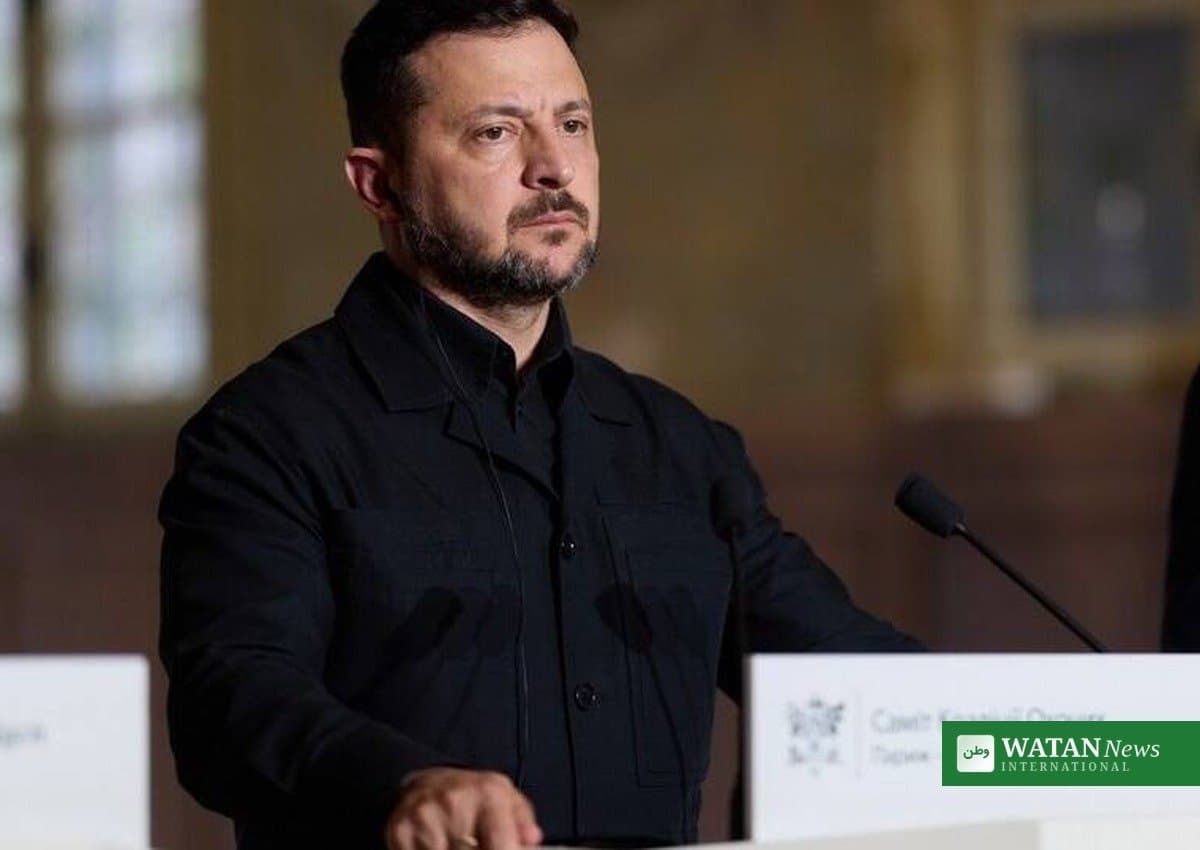
Writing on X on Sunday morning, Ukrainian President Volodymyr Zelenskyy highlighted Moscow’s continued attacks on Ukraine instead: “In total, over this past week, the Russians have attacked Ukraine with almost 2,700 attack drones, 1,700 aerial bombs, and 66 missiles,” he wrote, adding that the US “should see that Russia is not taking any reciprocal steps in response to sanctions relief or agreements.”
Zelenskyy also said he had spoken on Sunday to US envoy Steve Witkoff and to Jared Kushner, the president’s son-in-law, as part of what he described as “nonstop communication” aimed at peace. In an interview with NBC’s Meet the Press, he warned that the US siding with Russia would be a “historic mistake”.
Kremlin response and the road ahead
Kremlin spokesman Dmitry Peskov told the state news agency TASS that Russia was constantly responding to Ukrainian attacks with systematic, large-scale strikes. “The Kyiv regime is resisting. But this cannot change the course of events,” he said, answering a question about how Russia might respond to the attack on St. Petersburg.
The attack is the clearest sign yet that Trump’s “energy ceasefire” is not holding — Ukraine briefly halted such attacks, but has since resumed them, while Russia never stopped pounding Ukraine’s energy plants and cities. Follow further developments in the World news section.
Source: Reuters + CNN. Casualty and damage figures are Russian official claims and have not been independently verified.