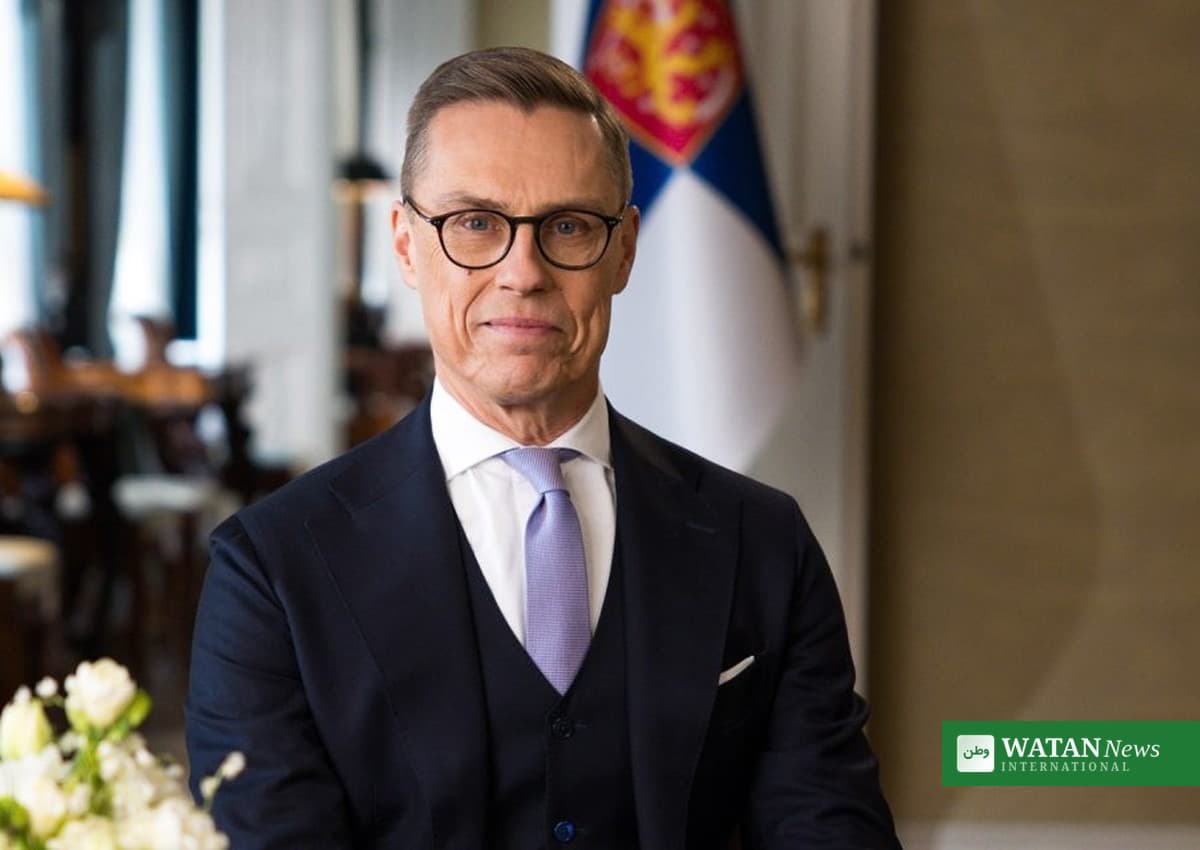
Finnish President Alexander Stubb has called on European leaders to speak directly with Russian President Vladimir Putin, warning that Europe has left too much of its engagement with Moscow in American hands. In an interview with the Financial Times published on Tuesday, Stubb described that approach as irresponsible and said Europe must now take its place at the negotiating table with a single, shared message.
FAKTA
- Who: Finnish President Alexander Stubb
- What: Urged European leaders to hold direct Stubb Putin talks with the Russian president
- When: Interview with the Financial Times, published 17 November 2026
- Key message: “We have outsourced European engagement with Russia for too long and I think that is irresponsible.”
- Background: Stubb and Norwegian Prime Minister Jonas Gahr Støre spoke with Putin by phone for about 90 minutes on 27 October
- Stubb’s assessment: Putin is ready to engage with Europe
Europe Must Set Its Own Agenda
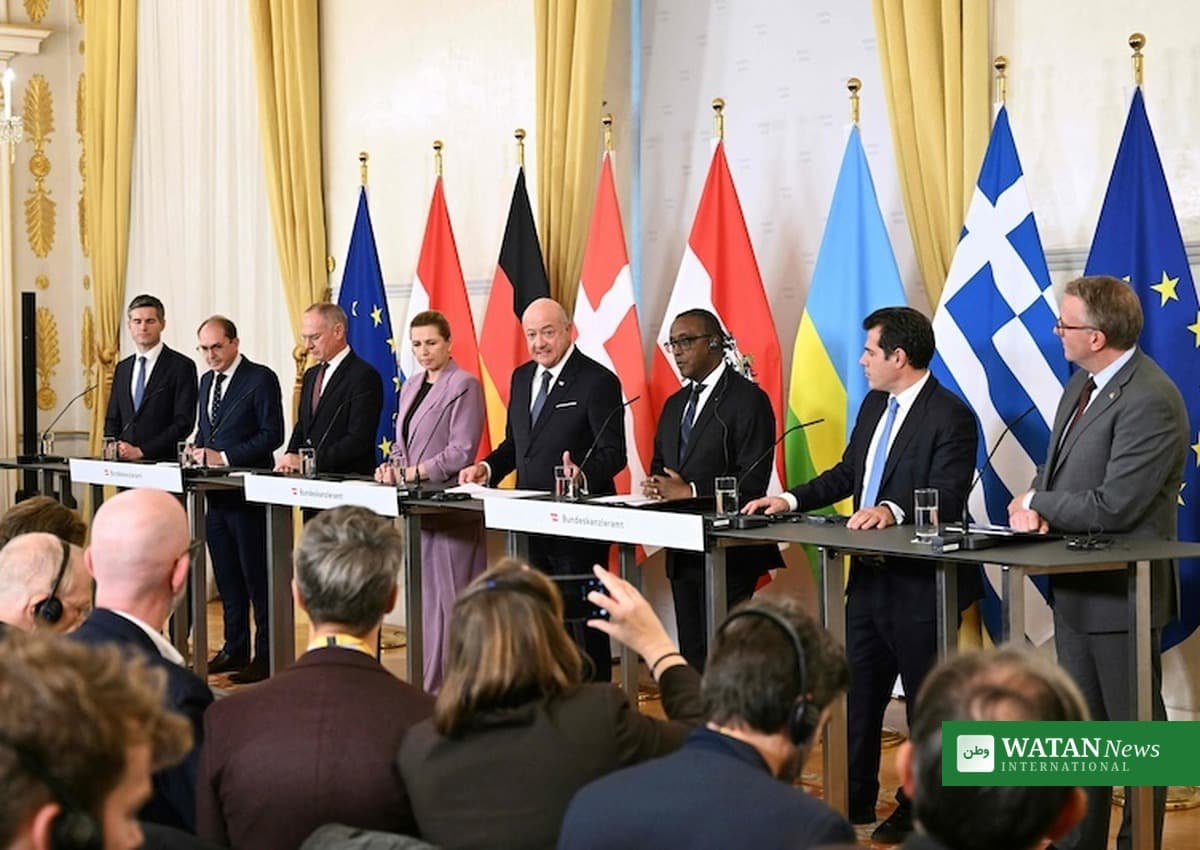
Stubb argued that Europe should stop relying on Washington to manage contact with Moscow and instead become what he called an agenda setter in the negotiations. He credited American negotiators with helping to restart stalled talks between Moscow and Kyiv, and said they had supported a European role in future discussions. But he stressed that Europe must speak with one voice, agreeing common positions and shared talking points in advance.
According to Stubb, Europe has now formed a team to take part in future talks. He listed security guarantees for Ukraine, territory, post-war reconstruction, confidence-building measures, a ceasefire and a future security framework among the priorities such talks would need to address.
Yalta or Helsinki?
The Finnish president framed Europe’s choice in historical terms, comparing the 1945 Yalta agreement with the 1975 Helsinki Accords. The Yalta deal placed Central and Eastern Europe under Soviet influence, while the Helsinki Accords helped reduce tensions between East and West and enshrined respect for sovereignty and territorial integrity.
Stubb said he hoped the United States would not follow the Yalta approach, adding that its current direction remained unclear. In his view, Washington appeared closer to the Yalta side at present, but could still move towards the Helsinki approach.
The October Call With Putin
Stubb also defended the phone call he held with Putin on 27 October together with Norway’s prime minister, after consulting Ukrainian President Volodymyr Zelenskyy. Some European leaders had criticised the call, but Stubb said it helped lead to decisions about Europe’s negotiating team. The Kremlin has repeatedly resisted the idea of Europeans securing a seat at the negotiating table.
Stubb declined to discuss a reported American proposal under which Zelenskyy would give up the Donbas region in exchange for NATO membership. He said he would continue working towards Ukraine joining the alliance. His comments add to growing calls for a stronger European role in discussions about the war, following Stubb and Støre’s earlier phone call with Putin.