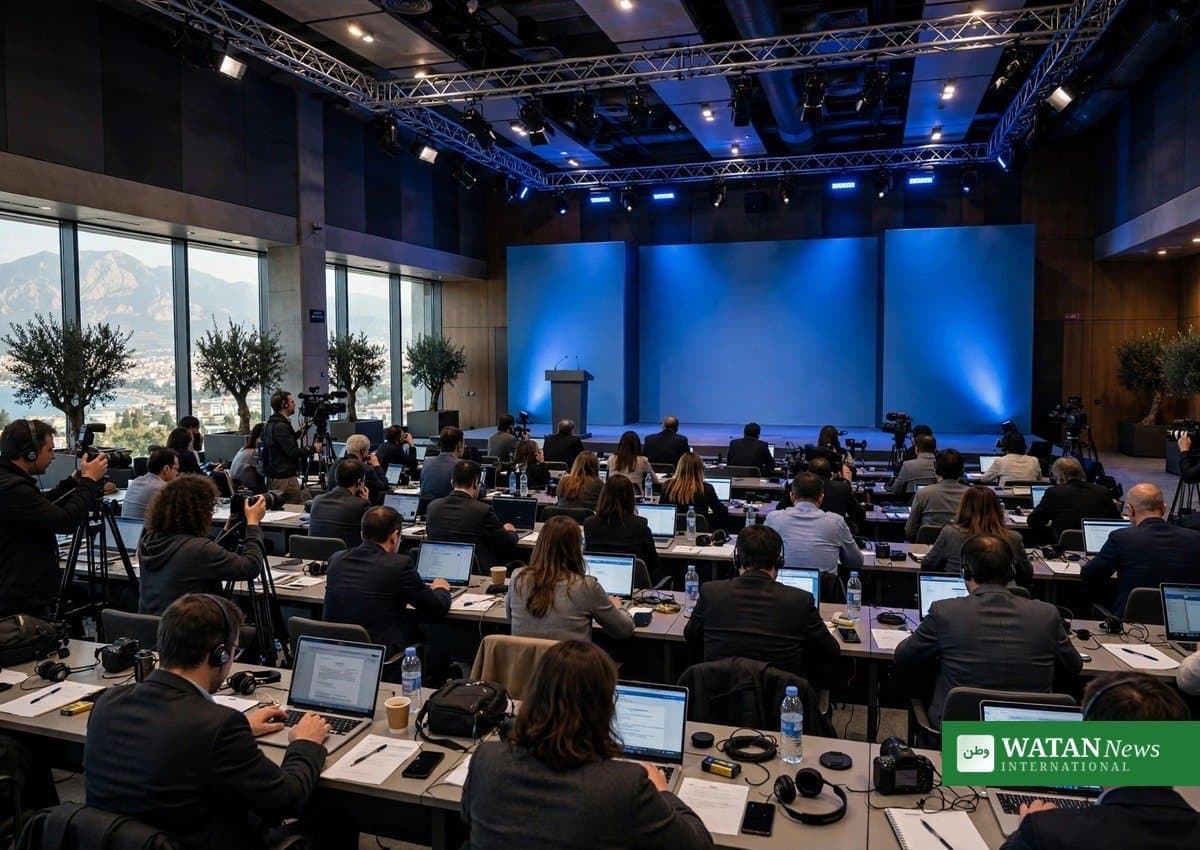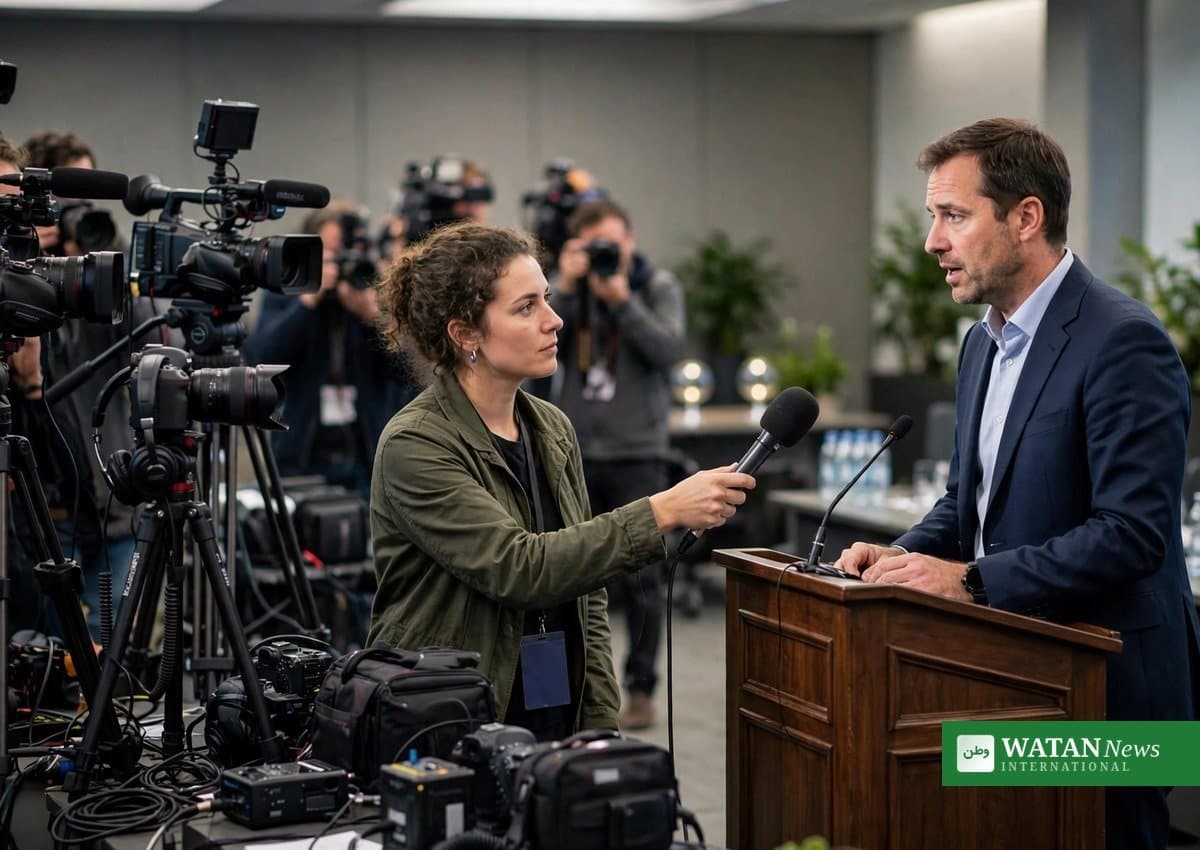
Thirteen-year-old Melelusi Sokotia stood before some of the world’s most powerful leaders in Funafuti, Tuvalu, and made a Tuvalu climate change plea that carried the weight of her sinking homeland: act now, work together, and do not leave small islands to face the rising seas alone. Her address came at a pre-COP31 gathering of around 50 dignitaries, days before the UN’s COP31 climate forum opens in Türkiye in November 2026.
Key facts
- Who: Melelusi Sokotia, a 13-year-old student from Funafuti, Tuvalu.
- Where: A pre-COP31 gathering in Funafuti, Tuvalu — not in Türkiye. COP31 itself takes place in Türkiye in November 2026.
- Who listened: About 50 dignitaries, including 14 national heads — among them Australia’s Prime Minister Anthony Albanese and Fiji’s Prime Minister Sitiveni Rabuka, hosted by Tuvalu’s Prime Minister Feleti Teo.
- Her words: “We all have one single dream: to grow safely here in Tuvalu.” — “We are not asking for peace. We are asking for help and partnership. Please work together to protect small islands like ours.”
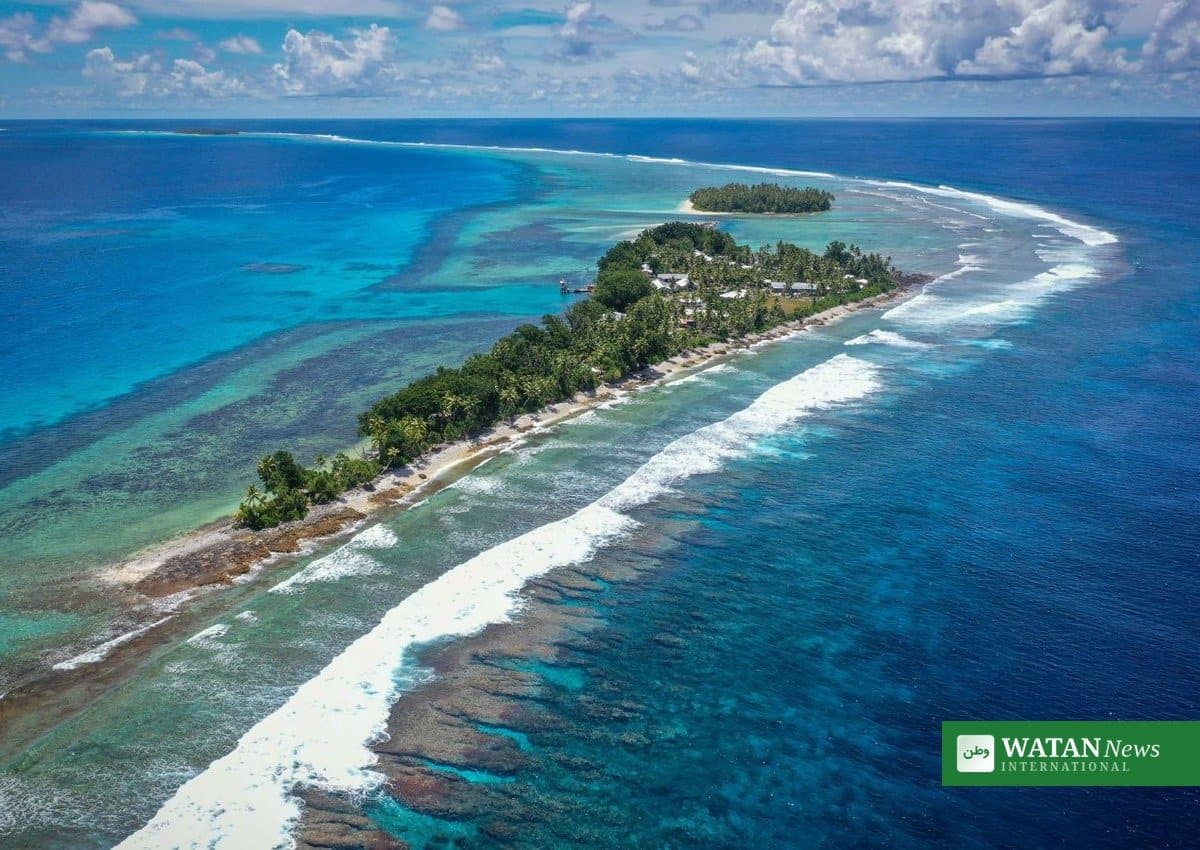
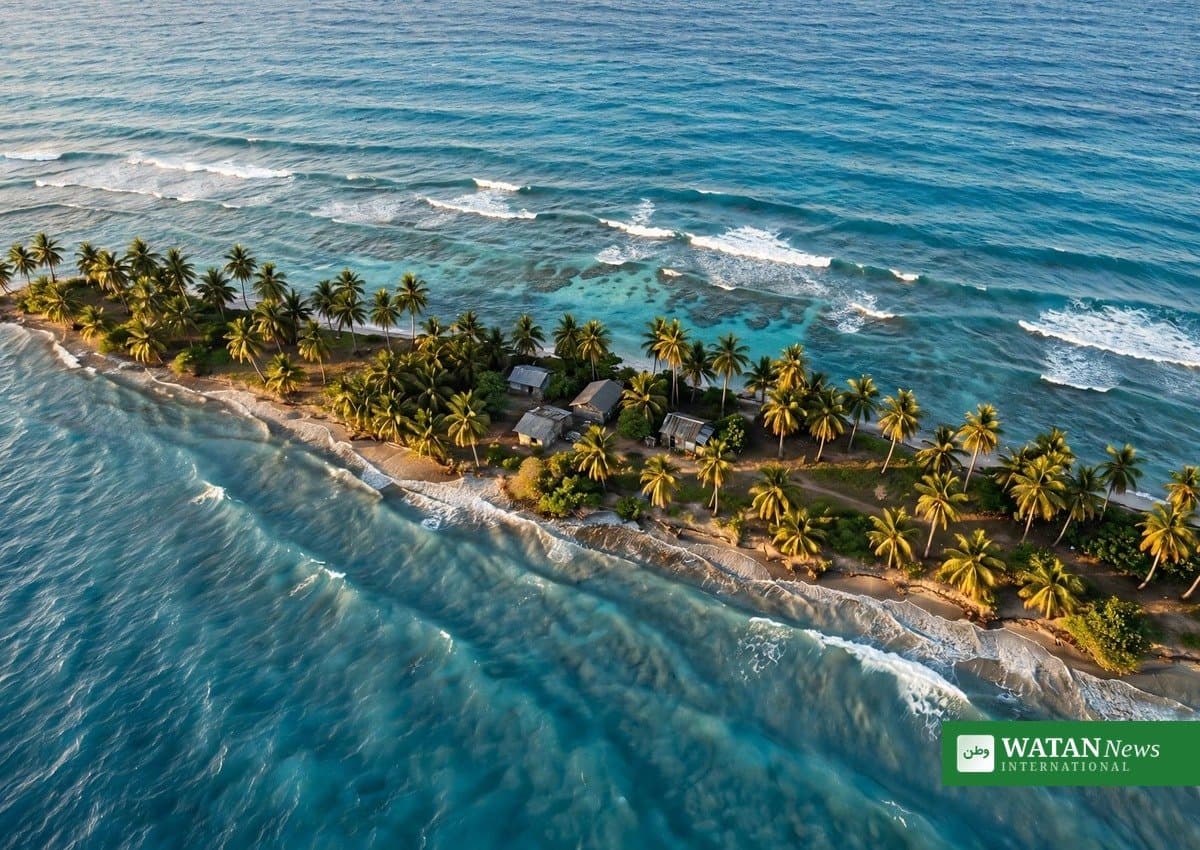
- Why it matters: Tuvalu’s three reef islands and six atolls sit mostly under two metres above sea level; about half of its 10,600 people live in Funafuti. The country contributes less than 0.003% of global greenhouse gas emissions.
Tuvalu’s climate change plea
Sokotia told the leaders that her friends dream of “becoming teachers, doctors, builders” — but spend their lives wondering whether their island will still be safe to live on when they are adults. Her message reframed the crisis as a demand for partnership, not charity: help, not pity.
The gathering was part of a Pacific-led push to carry the region’s demands into COP31. Leaders visited a major land-reclamation project in Funafuti designed to protect Tuvalu from rising seas and storm surges — concrete proof, as one observer put it, of a country fighting for its survival.
The Pacific’s warning ahead of COP31
Fiji’s Prime Minister Sitiveni Rabuka used the Tuvalu visit to draw a red line: with the world on the brink of overshooting the 1.5°C limit agreed in the 2015 Paris Agreement, the 2023 Dubai agreement to transition away from fossil fuels is “not open for renegotiation”.
Tuvalu’s Prime Minister Feleti Teo pressed for faster access to climate finance, asking why countries like Tuvalu should take on more debt to protect themselves from a crisis they did so little to cause: “We should not have to borrow our way out of a crisis.” Australia’s Prime Minister Anthony Albanese said the visit showed that climate change “must be understood as being something more than about science or targets” — it is, he said, about people.
The visit came less than a week after an Australian state regulator approved the latest of more than 30 fossil fuel developments given the green light in the country in less than five years — a contrast Pacific leaders made no effort to ignore.
Why Tuvalu is running out of time
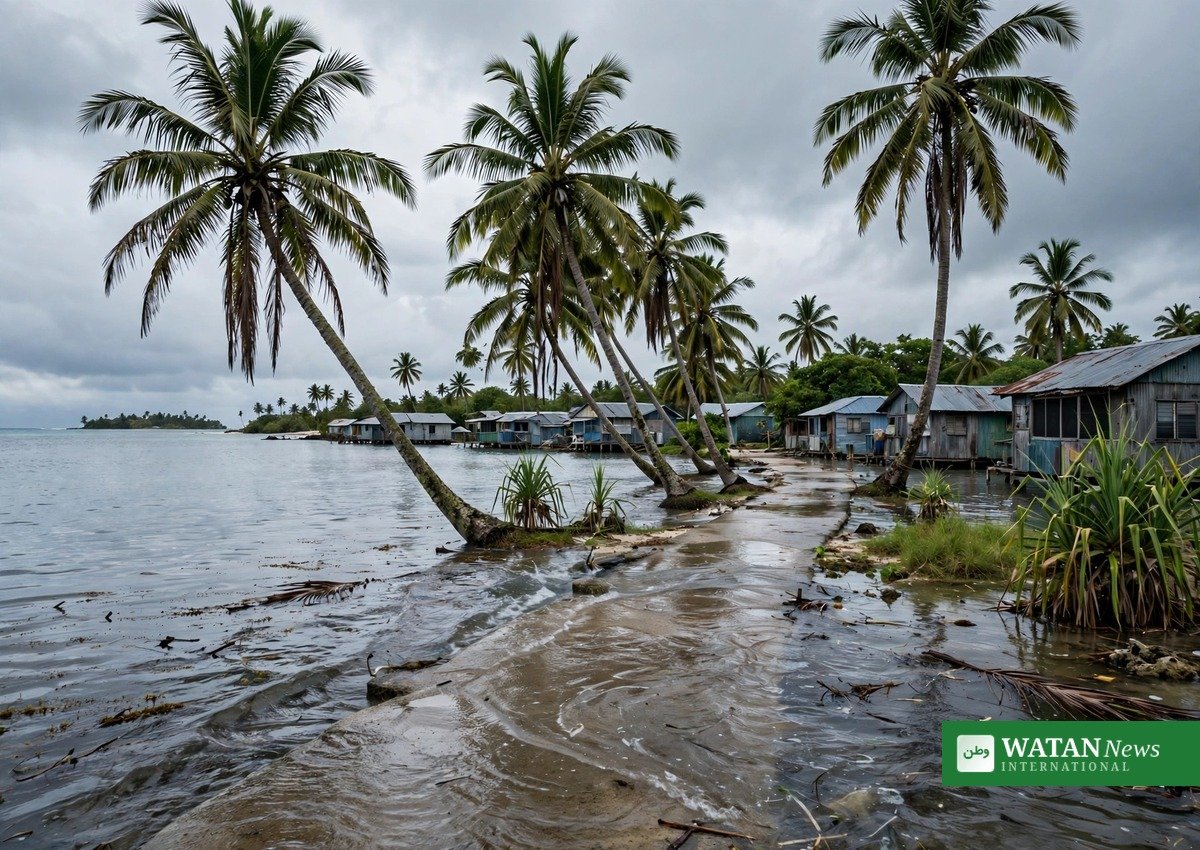
Tuvalu is exceptionally vulnerable: three reef islands and six atolls, almost entirely below two metres of elevation, with about half of the country’s 10,600 residents crowded into a corner of Funafuti, where the ocean is visible on both sides. Amnesty International has documented how rising seas, extreme heat, droughts and saltwater intrusion are already harming the rights of Tuvaluans to water, food, health, adequate housing and a safe future.
The case for action is no longer only moral. Pacific students took the fight to the world’s top court, and the International Court of Justice issued a landmark advisory opinion in July 2025 making clear that governments have a legal obligation to protect human rights from climate change impacts. As Amnesty International’s Secretary General Agnès Callamard said after visiting Tuvalu in 2025: come to Tuvalu, speak to people living with rising seas, and witness a country fighting for its survival.
What COP31 must deliver
Pacific leaders go to Türkiye with three demands: keep the fossil-fuel transition off the negotiating table, end fossil fuel use and expansion through just transitions, and deliver scaled-up, grants-based climate finance — reparations, not loans — so frontline communities can determine their own futures. A Pacific preparatory meeting is being held mostly in Fiji before the summit.
Amnesty’s message to the leaders flying home from Funafuti was blunt: the Pacific is sounding the alarm — if the world fails to act here, it will fail everywhere.
Conclusion
Melelusi Sokotia’s plea put a human face on the stakes of COP31. Her single dream — to grow up safely in Tuvalu — now depends on whether the promises made in Dubai survive the politics of Türkiye. The decisions taken in November will help determine whether Tuvalu remains a livable homeland or becomes the first casualty of a warming world.
More on this story: Tuvalu girl urges world leaders to act on climate change