
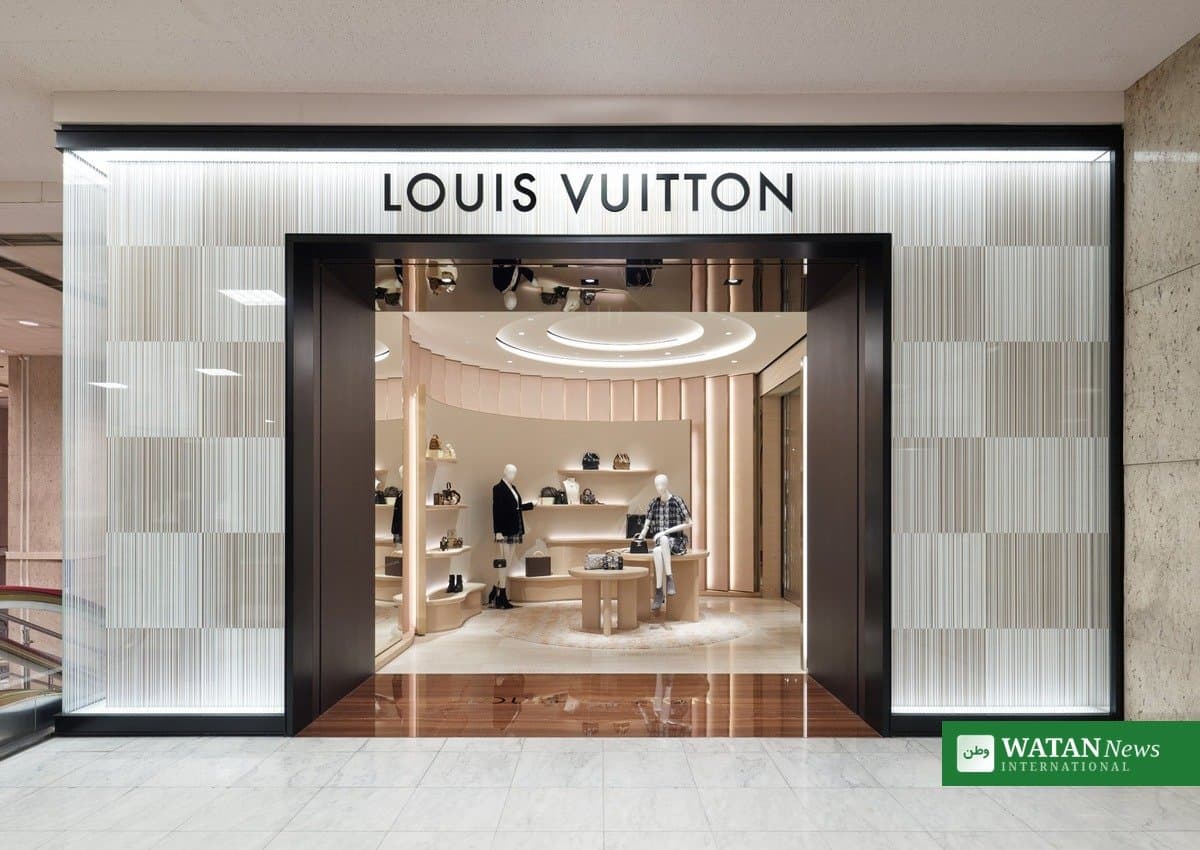
US credit card spending on luxury brands fell for a third consecutive month in September, retail lender Citi said in a research note on Tuesday, signalling further weakness in the industry’s biggest market as the United States heads into the November 3 midterm elections.
Overall US luxury credit card purchases fell 6 percent from a year earlier, after declining 4 percent in both July and August, Citi analysts said in the note reported by Reuters.
Why the US market matters so much
Buffeted by prolonged weakness in China and the economic fallout of the Iran war, luxury brands have pinned hopes on resilient demand from wealthy US shoppers — including a growing cohort of AI millionaires — to offset softer sales elsewhere and help lift the sector out of a prolonged downturn.
While continued wealth growth among affluent consumers supported the top end of the market in September, the overall picture remained weak. The luxury brands most exposed to the US include Tapestry, owner of Coach and Kate Spade; French conglomerate LVMH, known for brands like Louis Vuitton and Tiffany; and Italy’s Ferragamo, the Citi analysts said.
Still, brands with greater exposure to higher-end consumers should remain relatively resilient, supported by equity-market wealth effects, Citi added.

A split market: leather goods up, watches down
Spending on leather goods and ready-to-wear items improved sequentially in September, the Citi note said, while watches and luxury jewellery deteriorated even further.
Most soft luxury brands, which sell apparel, shoes and leather goods, have raised their prices by low single digits in percentage terms so far this year — slightly below the low to mid-single-digit price increases from watch and jewellery makers, the note added.
The Citi data, based on millions of credit card transactions, follows surveys from the Conference Board and the University of Michigan that showed growing unease about the US economy ahead of the midterm elections, when voters will decide control of Congress.
What analysts expect next
Morgan Stanley analysts said in September that the slump in US luxury spending gives brands limited room to achieve the long-awaited return to growth following two straight years of contraction. The brokerage anticipates luxury groups will report softer US demand during the coming earnings season, which starts on October 12 when LVMH — broadly regarded as an industry bellwether — posts third-quarter sales.
Gucci owner Kering, due to report earnings on October 22, advised analysts last week to anticipate a US market slowdown, according to Italian brokerage Equita.
There are some glimmers of optimism. Goldman Sachs initiated coverage of LVMH with a Buy rating and a 500-euro price target on October 5, expecting leather goods to rebound from 2027. LVMH shares were trading at 385.90 euros on Euronext Paris on October 6, up 1.31 percent, ahead of the October 12 sales update.
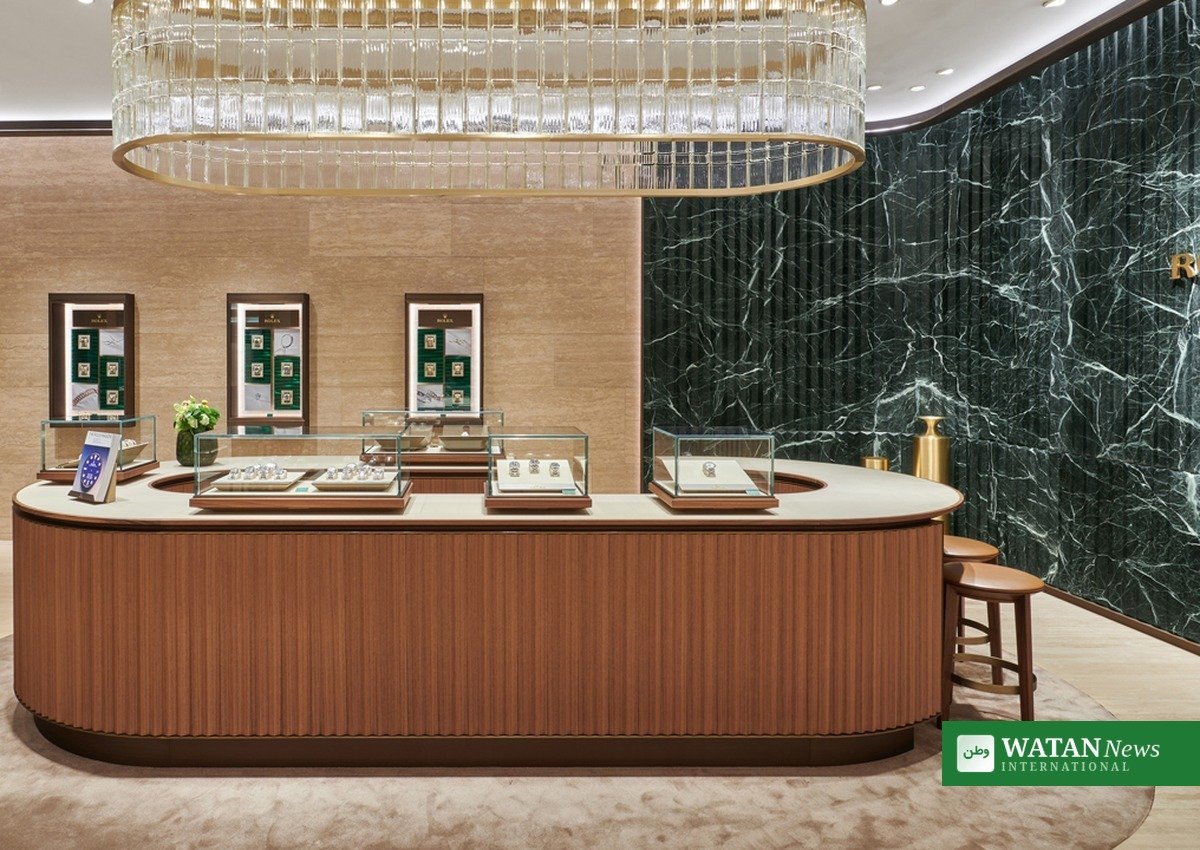
LVMH’s first half in numbers
The October 12 release follows first-half revenue of 38.644 billion euros, down 3 percent on a reported basis but up 2 percent organically. Net profit attributable to shareholders was 5.697 billion euros for the period. The sales update will show whether the 2 percent organic first-half increase can broaden beyond selected brands and regions.
FAKTA: US luxury spending, September 2026
- US luxury credit card purchases fell 6 percent year-on-year in September, the third straight monthly decline (Citi).
- July and August each saw 4 percent declines in US luxury spending.
- Brands most exposed to the US: Tapestry (Coach, Kate Spade), LVMH (Louis Vuitton, Tiffany) and Ferragamo.
- Leather goods and ready-to-wear improved sequentially; watches and luxury jewellery weakened further.
- Soft luxury brands raised prices by low single digits this year; watch and jewellery makers by low to mid-single digits.
- Earnings season starts October 12 with LVMH’s third-quarter sales; Kering reports October 22.
Conclusion
The third consecutive monthly decline shows the luxury downturn is far from over, with even the crucial US market losing momentum ahead of the midterms. Whether the equity-wealth cushion at the top end can carry brands through to the hoped-for 2027 rebound will become clearer when LVMH and Kering report in the coming weeks.