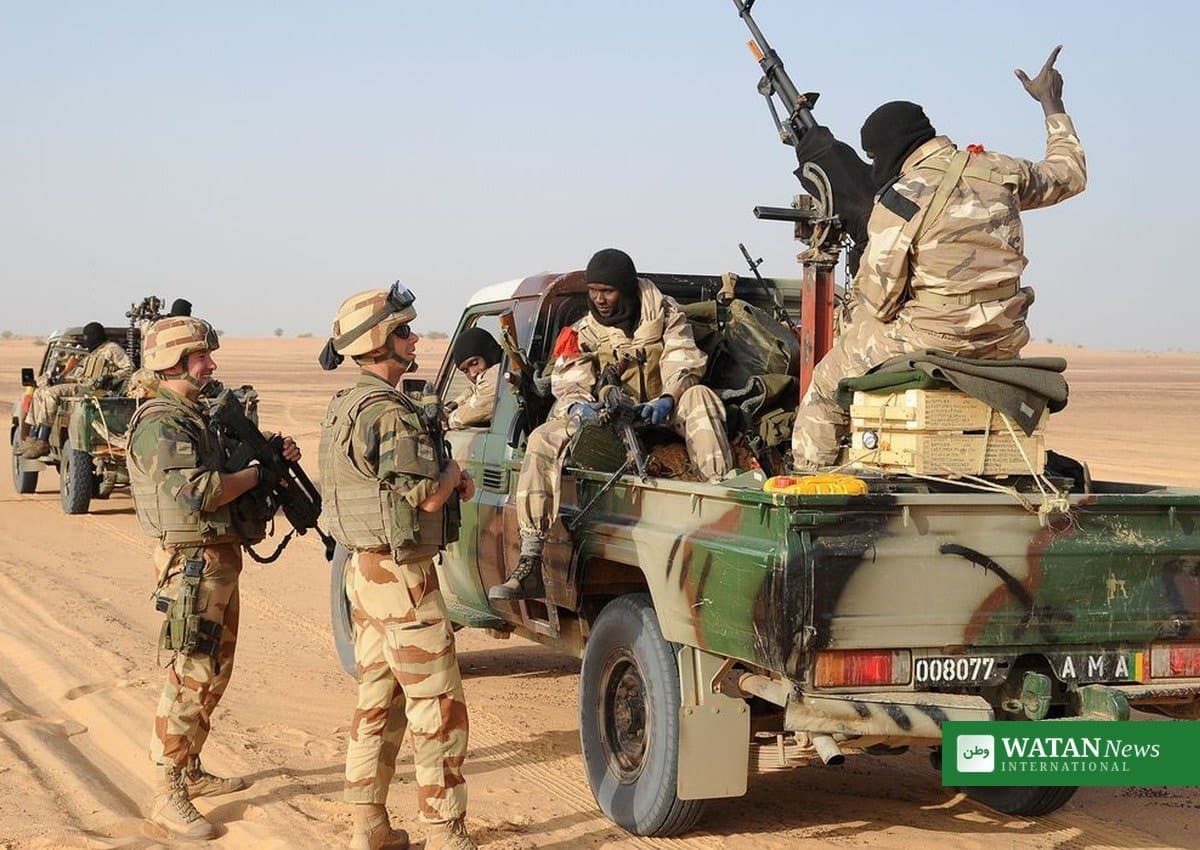
Mali’s Tuareg separatists have announced they are pulling out of the strategic northern town of Kidal, handing the Malian army and its Russian backers a symbolic boost in their years-long fight against insurgents, including al Qaeda-linked jihadists. The Mali Kidal withdrawal was announced on Tuesday, 6 October 2026, six months after the rebels seized the town.
FAKTA: Mali Kidal Withdrawal at a Glance
- What happened: The Azawad Liberation Front (FLA) announced a “controlled withdrawal” from Kidal in northern Mali on 6 October 2026.
- Why: The FLA said it was responding to air strikes by Mali’s military, backed by Russian fighters.
- Background: The FLA captured Kidal six months ago in nationwide attacks that also killed Mali’s defence minister.
- Context: The group had joined forces with JNIM, the regional al Qaeda affiliate, posing the biggest test yet to Mali’s military rulers.
- Status: Pro-government fighters, including Russian fighters, re-entered Kidal on Tuesday afternoon, a security source said.
Mali Kidal Withdrawal Announced After Air Strikes
The Azawad Liberation Front said in a statement that it was carrying out a “controlled withdrawal” from Kidal, describing the move as a “temporary operational measure” intended to preserve its human and logistical capabilities intact. The statement stressed that the pullback took place without any direct combat between its forces and the enemy.
Earlier on Tuesday, Mali’s military said it had launched large-scale air and ground operations in the Kidal region. The stated goals were to locate and defeat armed groups operating in the area, destroy their supply networks, and restore durable security and free movement for people and goods.
A source close to the FLA leadership told Reuters that the aerial operations by Malian and Russian forces had begun three days earlier, and played down the significance of the withdrawal as a measure to protect lives and equipment. “For us, war is not a race against the clock,” the source said.
Symbolic Boost for Mali’s Army and Russian Backers
The FLA took control of Kidal six months ago in nationwide attacks that also killed Mali’s defence minister. It had joined forces in those attacks with Jama’at Nusrat al-Islam wal-Muslimin, known as JNIM, the regional al Qaeda affiliate — posing the biggest test yet to Mali’s military leaders, who seized power in coups in 2020 and 2021.
Mali has leaned on Russian security support for years, first from the Wagner mercenary group and then from the paramilitary group Africa Corps, which is made up of many former Wagner fighters. Malian forces and Wagner fighters retook Kidal from insurgents in November 2023 — the most concrete gain from their partnership — only to lose it during the April attacks.
Analysts caution that the change of control in Kidal remains largely symbolic rather than decisive. She said a successful recapture would confirm the military-led government’s authority and lift army morale, particularly after several high-profile setbacks in the north and central regions in recent weeks, said Beverly Ochieng, associate director of Control Risks. The moment, she added, is also a chance for Africa Corps to rebuild its standing as the Malian government’s security guarantor after appearing to lose significant ground, including in Kidal, since April.

Decade-Long Conflict in Northern Mali
Mali has been gripped by conflict since 2012, when a Tuareg separatist rebellion in the north was overtaken by al-Qaeda-linked Islamist militants, who later consolidated under JNIM in 2017. While the FLA presents itself as a secular nationalist movement seeking independence for Mali’s Azawad region, it has set ideological differences aside to confront the Malian government.
The military has ruled the country since a 2021 coup, pledging to restore order and unity. Since the FLA and JNIM launched a joint offensive in April, the conflict has escalated with increasing attacks on military-backed government forces. The junta expelled French forces and some 15,000 United Nations peacekeepers and turned to Russian paramilitaries for defence support. The Malian government describes the FLA-JNIM partnership as a “terrorist alliance” and has committed to dismantling it.
For more on African security and politics, see Watan News Africa coverage.
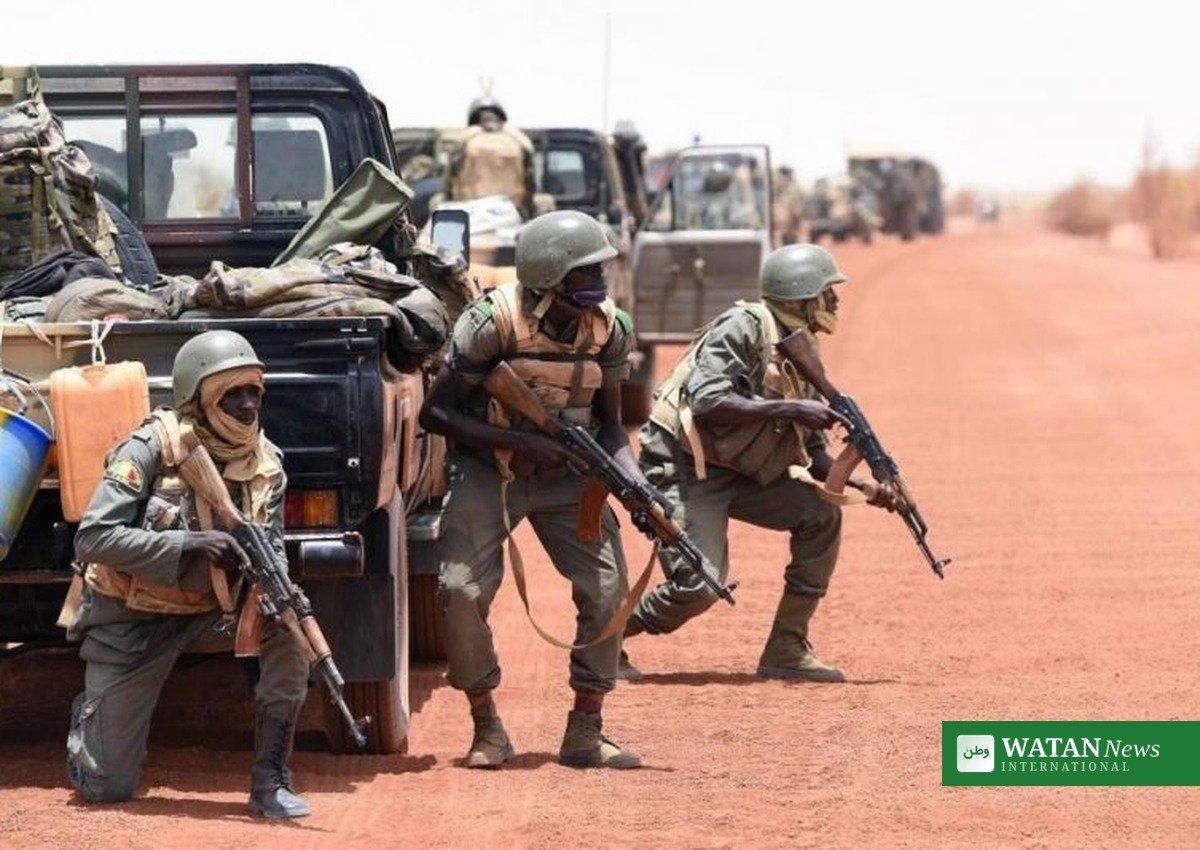
Conclusion
The FLA’s withdrawal from Kidal is a significant symbolic gain for Mali’s military government and its Russian partners, but it does not end the insurgency. With JNIM still strong and the rebels framing the retreat as a tactical preservation of forces rather than a defeat, the battle for northern Mali is likely to continue.
Related: Ethiopian Government Forces Retake Mekelle as TPLF Withdraws