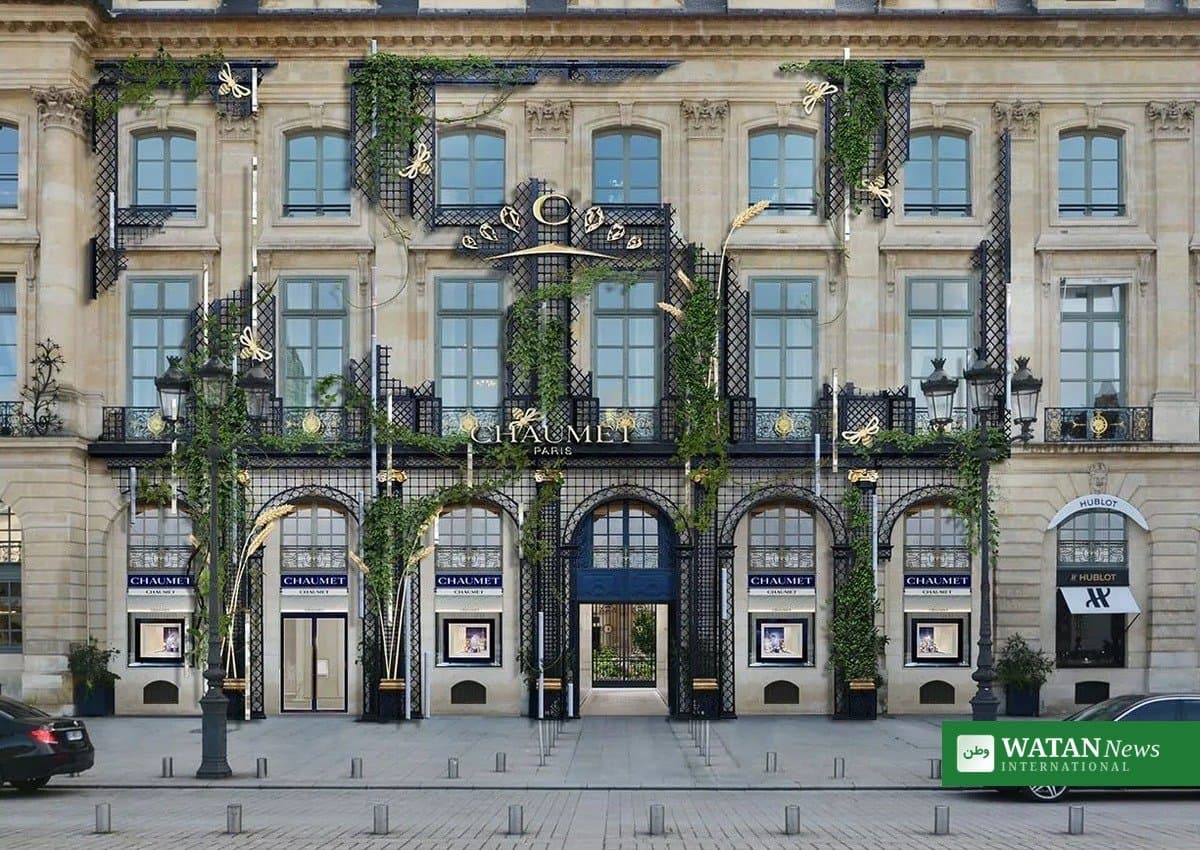

While the fashion-led luxury sector struggles with falling sales and millions of lost customers, prestige beauty is defying the crisis. Global prestige beauty sales kept growing in the first half of 2026 — up 7% in North America, 5% in Europe and 10% in Latin America, according to consulting firm Circana — marking a fifth consecutive year of strong growth even as luxury fashion houses posted declines.
Key Facts
- Prestige beauty sales grew 7% in North America, 5% in Europe and 10% in Latin America in the first half of 2026, according to Circana — the fifth consecutive year of strong growth.
- In the US, prestige beauty reached $17.1 billion in H1 2026 (+7%), with fragrance, hair and skincare leading; mass beauty also grew 7% to $39.2 billion.
- LVMH’s Fashion and Leather Goods division and Kering’s equivalent both saw sales fall 5% in the first half of 2026.
- Bain & Company reports the global luxury market lost 20 million customers between 2024 and 2025, after losing 50 million in earlier years.
- L’Oréal, the world’s largest beauty company, recently overtook LVMH as the most highly valued company on France’s CAC 40 index.
Prestige Beauty Keeps Growing
Despite an uncertain geopolitical environment and persistent inflationary pressures, the prestige beauty market continued to grow in the first half of 2026. “This is the fifth consecutive year of strong growth in the global prestige beauty market,” said Mathilde Lion, a Circana director and sector specialist. Makeup, she noted, is particularly well-positioned to benefit from the “little indulgence without breaking the bank” trend.
In the United States, prestige retail beauty sales increased 7% to $17.1 billion during the first six months of the year. Fragrance remained one of the strongest-performing categories overall, with prestige fragrance dollar sales up 6% — driven mainly by premiumisation — while luxury fragrance posted both dollar and unit growth. Hair was the largest prestige sales riser, up 11%, and skincare jumped 9% on surging demand for body care and sun care.

Luxury Fashion Loses Ground
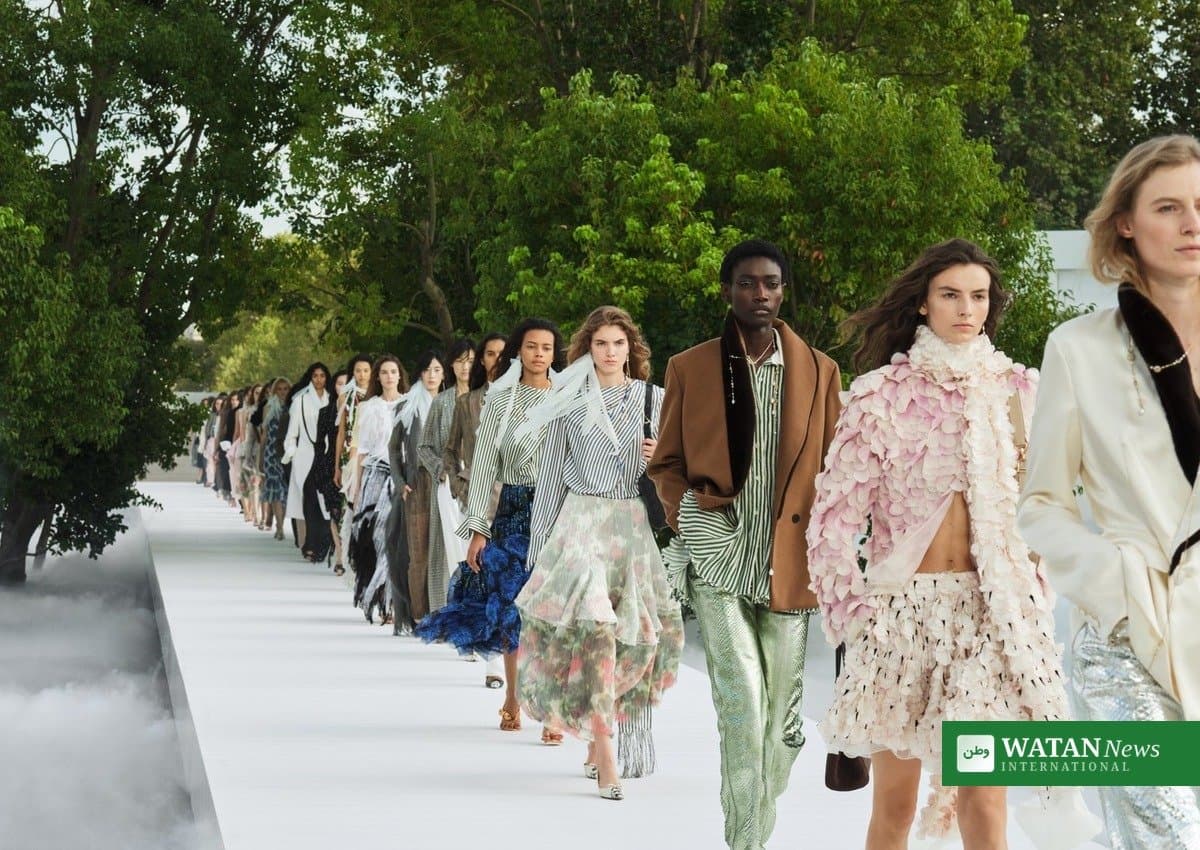
The contrast with fashion-led luxury is stark. In the first half of 2026, LVMH’s Fashion and Leather Goods division — home to Dior and Celine — saw sales decline by 5%, while Kering’s equivalent division, home to Gucci and Balenciaga, also fell 5%.
| Segment (H1 2026) | Sales change | Source |
|---|---|---|
| Global prestige beauty | +7% North America, +5% Europe, +10% Latin America | Circana |
| US prestige beauty | +7% to $17.1 billion | Circana |
| LVMH Fashion & Leather Goods | −5% | Company results |
| Kering (Gucci, Balenciaga division) | −5% | Company results |
According to consulting firm Bain & Company, the global luxury market has lost 20 million customers between 2024 and 2025, following the loss of 50 million in previous years. Analysts blame repeated price increases and cautious aspirational shoppers. Hermès, which launched its lipstick line in 2020, is the notable exception among fashion houses — but its beauty push only underlines the trend.
The Changing of the Guard
Beauty has become the accessible entry point into luxury brands. Celine announced plans to enter the category in 2024, following a path Hermès pioneered with its lipsticks. The strategy’s importance has grown as leather goods — long the spearhead of the luxury sector — have struggled.
The symbolic moment came when L’Oréal, the world’s largest beauty company, recently overtook luxury giant LVMH as the most highly valued company on France’s CAC 40 index. “The center of gravity of luxury shifted in 2026 from fashion to beauty in its broadest sense,” said luxury industry specialist Éric Briones.
The rise of social commerce is accelerating the shift: beauty emerged as the dominant category on TikTok Shop in 2026, capturing 20% of the platform’s dollar spending in the first quarter, according to Circana. More style-industry analysis is available in our fashion section.
Conclusion
Prestige beauty’s fifth straight year of growth — against a backdrop of shrinking luxury fashion sales — suggests the industry’s centre of gravity has genuinely moved. For luxury groups, the lipstick, the serum and the perfume bottle may now matter more than the handbag.