
European Union interior ministers have approved a sweeping new return regulation that allows member states to set up EU return hubs outside the bloc for migrants who must leave but cannot be sent back to their home countries. The decision, taken at a ministerial meeting in Luxembourg on Thursday, puts Denmark’s push to deport rejected asylum seekers to non-EU countries at the centre of Europe’s toughest migration overhaul in years.
Key Facts
- On 1 October 2026, EU interior ministers meeting in Luxembourg approved a new return regulation allowing “return hubs” in non-EU countries.
- Denmark, Germany, Austria, the Netherlands and Greece — the so-called Group of Five — are leading the push for the offshore centres.
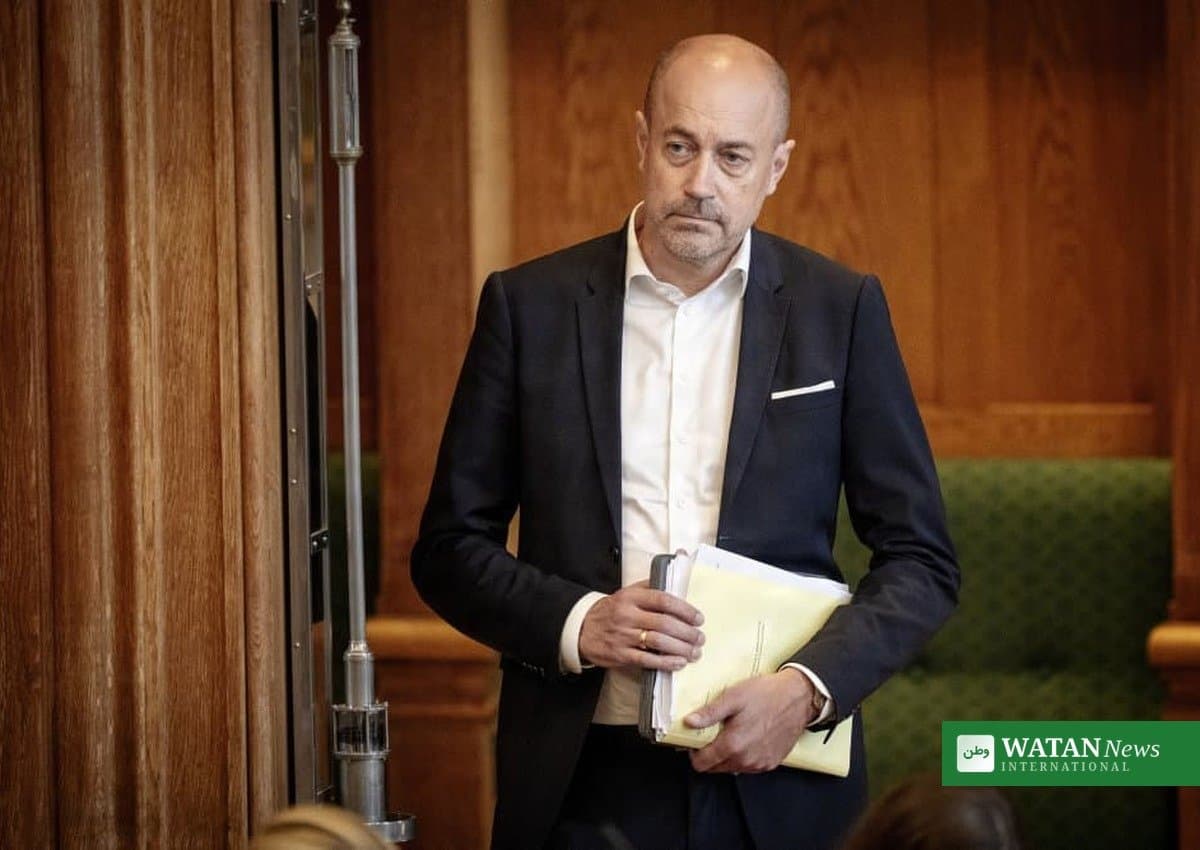
- Denmark’s Immigration and Integration Minister Morten Bodskov said work on the hubs is “progressing very well”.
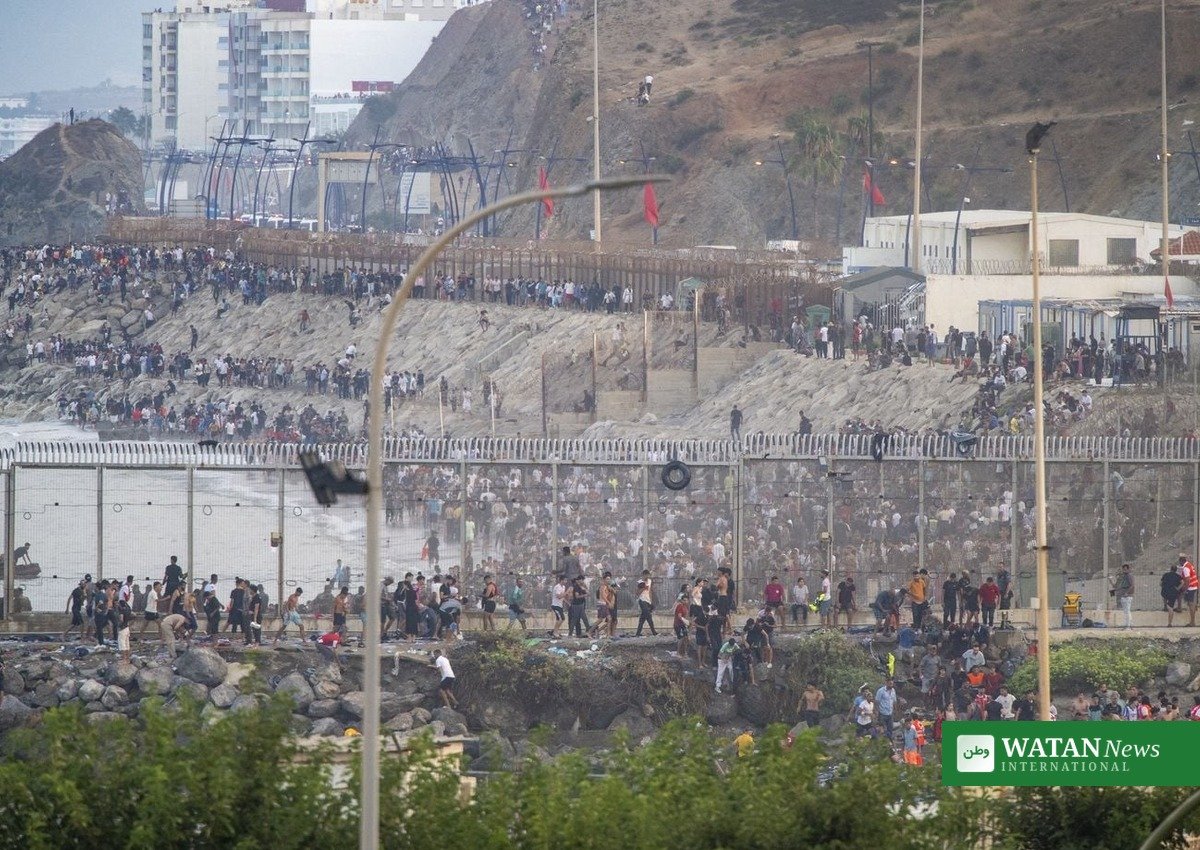
- Greece proposed temporarily suspending asylum applications in emergency situations, pointing to this summer’s mass arrivals in Ceuta.
- Spain’s government estimates more than 72,000 migrants entered Ceuta in late July; around 10,000 remain there.
- Germany says preliminary talks with potential host countries are under way and hopes a first deal can be sealed by the end of the year.
What Ministers Agreed in Luxembourg
The interior ministers of the EU’s 27 member states met in Luxembourg on Thursday to discuss ways to strengthen border controls and curb undocumented migration into the bloc. Following the talks, they adopted a new regulation designed to boost deportations of irregular migrants — the legal basis for the long-discussed return hubs.
The regulation allows member states to establish centres outside the EU for migrants who are legally required to leave but cannot be returned to their countries of origin. Supporters argue the hubs could speed up repatriations and deter would-be irregular migrants; critics question their legality and say they violate migrants’ fundamental rights.
Why EU Return Hubs Are Moving Faster
Denmark has been the driving force behind the return-hub idea for years. At a meeting of the Group of Five in Copenhagen on 4 September, Danish Immigration and Integration Minister Morten Bodskov said Denmark expects to be ready by the end of 2027 to send the first migrants to a partner country outside the EU.
In Luxembourg, Bodskov struck an upbeat note. “When it comes to return hubs, it’s progressing very well,” he told reporters. “We are moving in the right direction.”
German Interior Minister Alexander Dobrindt said there were “preliminary” talks on return hubs but declined to name the countries involved. He added that more work was needed to make any agreement able to withstand possible lawsuits, while saying he was hopeful a first deal could be sealed by the end of the year. Dutch Migration Minister Bart van den Brink revealed that a technical mission had already visited a potential host country in early September.
Ceuta Crossing Behind the Emergency Debate
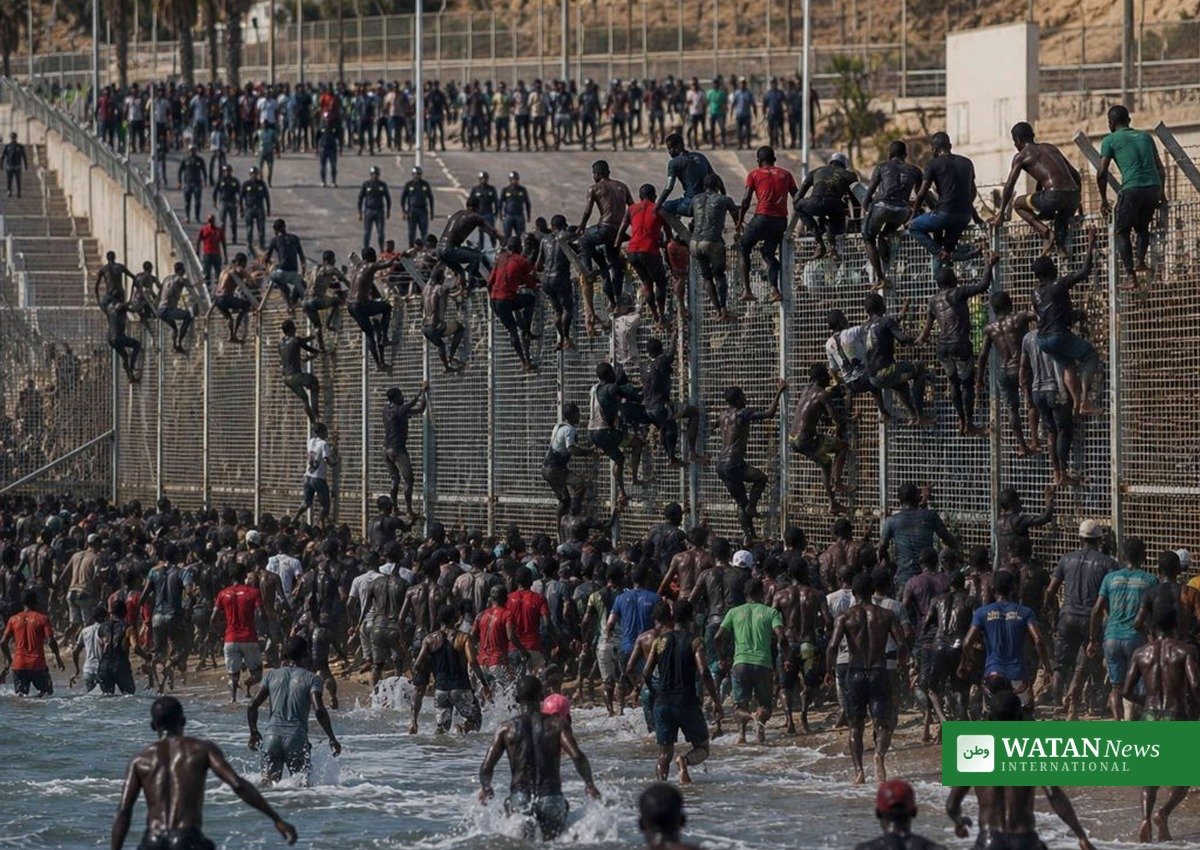
The summer’s dramatic scenes in Spain’s North African enclave of Ceuta loomed large over the Luxembourg talks. According to the Spanish government, more than 72,000 migrants entered Ceuta in late July — most of them have since returned, but around 10,000 remain.
Citing the influx, Greece proposed temporarily suspending asylum applications in emergency situations, arguing current rules cannot handle mass arrivals. Dutch minister van den Brink backed a harder line: “In situations like Ceuta, it should be treated as a border management issue rather than an asylum issue.” The Danish minister pointed to Ceuta as an example of what Europe should not allow to happen again.
The proposal would go further than the EU Pact on Migration and Asylum, in force since 12 June 2026, which already contains a crisis protocol allowing derogations from standard asylum rules when migration flows are encouraged for destabilisation purposes. EU Commissioner for Migration Magnus Brunner said “Europe needs the means to protect its borders at all times,” while stressing that Brussels would “always comply with fundamental rights and values.” Commission President Ursula von der Leyen has said the Commission will propose a dedicated emergency tool for mass migration movements.
Where the Group of Five Stands
Five countries are steering the return-hub project jointly. Their positions, as stated in Luxembourg and at the Copenhagen meeting a month earlier, differ on speed but not on direction.
| Country | Minister | Stated position |
|---|---|---|
| Denmark | Morten Bodskov | Ready to send first migrants to a partner country by end of 2027 |
| Germany | Alexander Dobrindt | Preliminary talks; hopes first host-country deal by end of 2026 |
| Netherlands | Bart van den Brink | Technical mission already visited a potential host country |
| Greece | Thanos Plevris | Proposes suspending asylum applications in emergency situations |
| Austria | — | Backing the common return-hub model |
Critics Warn of Human Rights Risks
Human rights organisations have reacted sharply. The Council of Europe warned in July that return hubs posed “considerable human rights risks,” including ill-treatment and arbitrary detention. Amnesty International has argued the facilities could become legal black holes incompatible with human rights.
The Danish Refugee Council’s secretary general, Charlotte Slente, said it would be better to fully implement the EU asylum pact, which focuses on stricter border screening, faster asylum and return procedures and expanded digital systems. “Return hubs focus on a small number of returns, they will not stop people from taking even more dangerous routes, and they could violate basic human rights,” she said.
The developments come amid a broader hardening of Europe’s asylum and integration policies, with far-right parties gaining support across the bloc and governments under pressure to show that rejected asylum seekers can actually be returned.
Conclusion
The Luxembourg meeting marks the moment when the return-hub idea moved from political rhetoric to legal reality. With the regulation now in place, the Group of Five aiming for a first host-country agreement by the end of the year and Denmark targeting first transfers in 2027, the plan will be judged on two tests: whether it survives legal challenges, and whether it can operate without breaching the fundamental rights the Commission promises to uphold.