Beijing education authorities designated 50 schools and universities as model campuses for artificial intelligence integration on Saturday, October 3, 2026, marking a major expansion of the municipal government’s push to embed smart technologies across all levels of classroom instruction. The second batch of benchmark institutions, selected by the Beijing Municipal Education Commission, includes 45 primary and secondary schools across 16 districts alongside five higher education institutions.
Key Facts
- The Beijing Municipal Education Commission named 50 model campuses — 45 primary and secondary schools across 16 districts and five higher education institutions — as benchmarks for AI integration in education.
- The five universities include Beijing Technology and Business University and the Beijing Film Academy; the designation was announced on October 3, 2026.
- The initiative aims to create scalable smart-education models and establish Beijing as a national demonstration hub for AI in education.
- Example campuses include an “AI Cloud School” at Tsinghua University High School and a smart physical-education gallery that evaluates students’ form in real time.
- The designation follows a first batch of 50 benchmark schools announced in January 2026, and Beijing says 87.7% of its primary and secondary schools have adopted at least one AI application.
Beijing AI Education: What the Model Schools Will Do
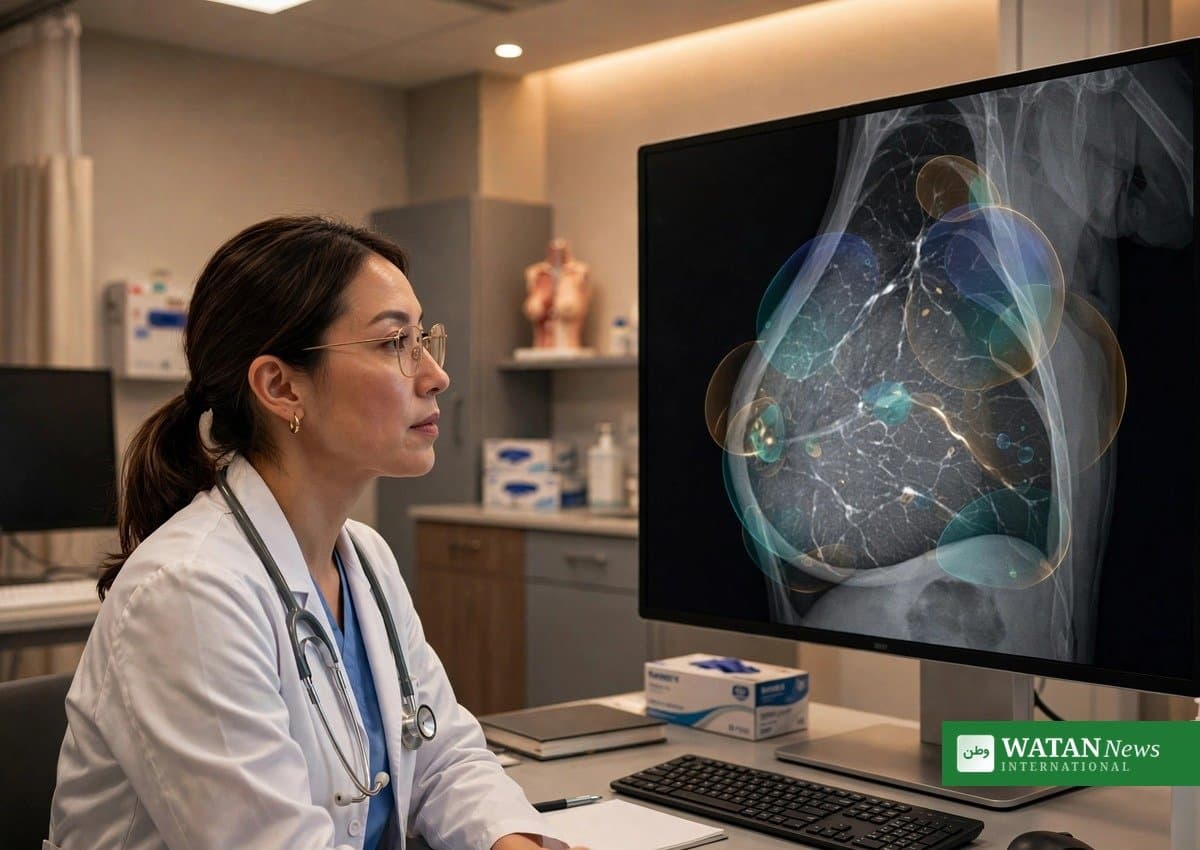
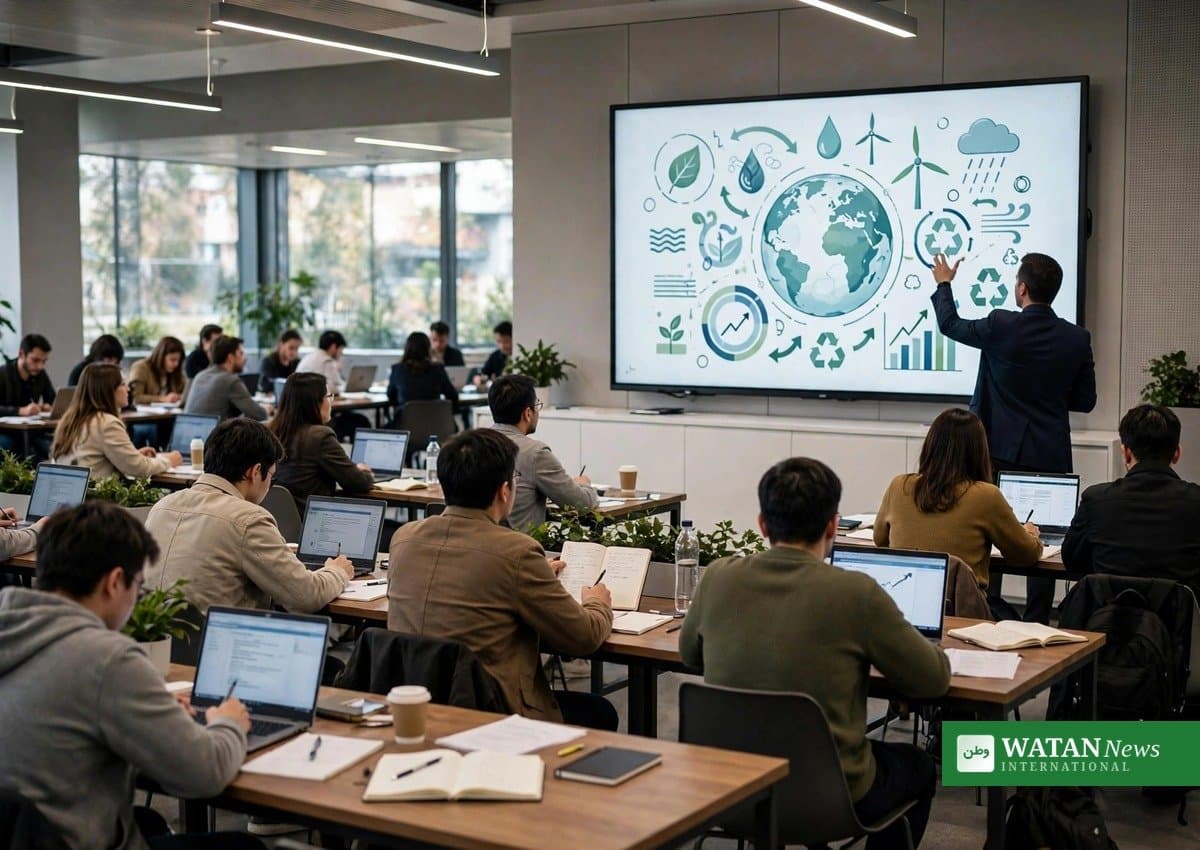
Primary and secondary schools on the new list are focusing on curriculum reform and personalised learning. At Tsinghua University High School, an “AI Cloud School” platform delivers interactive instruction and customised student evaluations while supporting administrative operations. The school also features a smart physical education gallery where AI systems evaluate student form in real time during exercises like jump rope and sit-ups, offering instant diagnostic feedback to adjust lesson plans.
At the Luhe High School Affiliated School in Tongzhou District, educators have integrated AI modules into core subjects ranging from mathematics to classical literature.

Universities Target Interdisciplinary Innovation
Selected universities are targeting interdisciplinary innovation and professional development. The Beijing Film Academy has established specialised institutes for intelligent image engineering and AI-generated content research, launching a cross-disciplinary “Future Image Studies” programme and joint laboratories with technology companies to train creators in algorithmic logic and digital production.
Municipal officials said the initiative aims to create scalable smart education models and explore next-generation school infrastructure to establish Beijing as a national demonstration hub for artificial intelligence in education.
A Citywide Strategy Underway Since 2025
The designation builds on a strategy launched in 2025. According to state media reports, Beijing has created an intelligent education platform and a digital marketplace for AI applications, alongside 50 model schools and 32 higher education institutions with the best AI practices from the first round. Twenty-five AI education projects have been recognised by the Ministry of Education as national models.
Zhang Yaotian, deputy director of the city’s Municipal Education Commission, said: “These initiatives have produced practice achievements that are internationally competitive and domestically leading.” Local authorities say they will focus on refining security measures, with an emphasis on effective human-machine collaboration in classrooms. More coverage of global learning trends is available in our English edition.
Conclusion
With a second batch of 50 benchmark campuses, Beijing is moving its AI education strategy from pilot to scale — turning selected schools into testing grounds whose models are meant to be replicated across the capital and, eventually, the country.