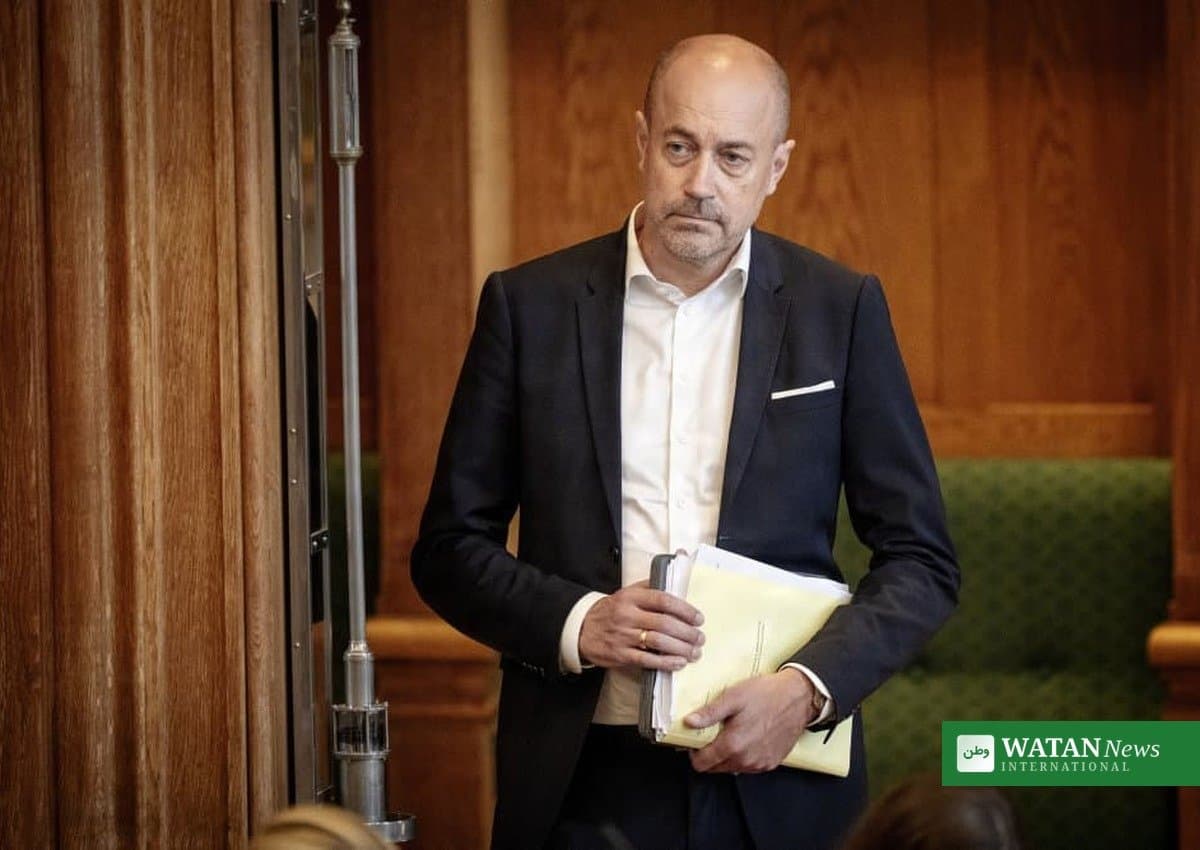

Denmark could soon end anonymous sperm and egg donation, after a near-unanimous recommendation from the Danish Council on Ethics. The council’s 30 September statement says 14 of its 15 members want to remove the anonymous option, and Health Minister Ida Auken has now invited the parliamentary parties to discuss the issue as part of wider talks on fertility policy. The recommendation does not change Danish law by itself — that would require a political decision in the Folketing.
Key Facts
- The Danish Council on Ethics recommends ending anonymous donation of sperm and egg cells; 14 of 15 members back the change, with Stefan Hermann the lone dissenter.
- Denmark is one of few countries where fertility patients can choose between anonymous and open donation — a system in place since 2012.
- Health Minister Ida Auken has invited the Folketing’s parties to talks on fertility policy, including anonymous donation.
- DNA tests and online genetic databases have made it practically impossible to guarantee a donor stays anonymous, the council says.
- Denmark and the USA are the world’s two largest exporters of donor sperm; one Danish donor can be the genetic parent of up to several hundred people.
- Any change would not apply retroactively to donors who donated under a promise of anonymity.
What the ethics council recommends
In its statement, the council argues that the interests of donor-conceived people should carry particular weight. Parents and donors can choose which form of donation they prefer, but the child created through donation has no say in that decision.
Council chair Christine Nellemann told TV 2: “Some donor-conceived people have a strong desire to know their genetic origins.” She added that the council’s majority believes a donor-conceived person should at some point have the right to learn the identity of their donor.
Under the current rules, a child conceived with an anonymous donor never gains a right to know the donor’s identity. With open donation, the child can obtain that information at a later stage — usually at the age of 18.
Why DNA testing changed the debate
A key argument behind the recommendation is technological change. Consumer DNA tests, online genetic databases and services that connect genetic relatives have made it increasingly difficult to guarantee that a donor remains unidentified.
“With new DNA techniques and online genetic-profile registries, it is very difficult in practice to keep a donor’s identity secret,” Nellemann said. She explained that a donor does not even need to take a test personally — genetic information uploaded by a relative can be enough to trace family connections and identify them.
The council therefore argues that the distinction between anonymous and open donation is becoming harder to maintain in practice.
Stefan Hermann, the only member to oppose the recommendation, argues for keeping the choice between anonymous and open donation. He places greater weight on parents’ freedom to decide how to form their family and says secrecy about being donor-conceived can be a bigger problem than anonymity itself.
Anonymous vs. open donation in Denmark
The table below shows how the two current options differ.
| Feature | Anonymous donation | Open donation |
|---|---|---|
| Child’s right to know donor’s identity | Never | Yes, usually at age 18 |
| Available since | 2012 (alongside open option) | 2012 (alongside anonymous option) |
| Common in other countries | Denmark is one of few allowing it | Standard in most countries |
| Donor anonymity in practice | Increasingly fragile due to DNA tests | Identity recorded from the start |
Denmark’s global role in donor sperm
The debate reaches far beyond Denmark’s borders. According to the council, Denmark and the USA are the world’s two largest exporters of donor sperm, and Danish sperm banks supply fertility treatment in several European countries.
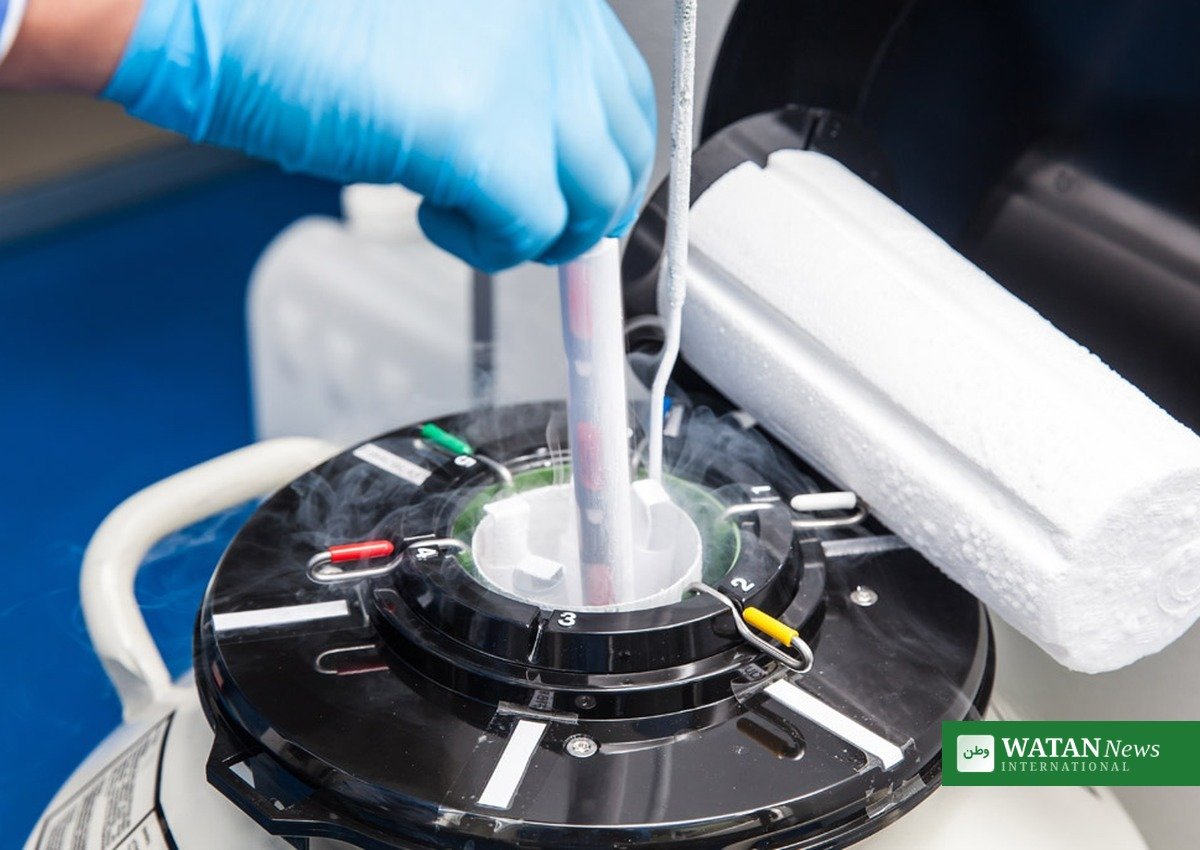
The council states that more than 80 percent of donor-conceived people in Norway were conceived using imported sperm, particularly from Denmark, while more than 60 percent of donor conceptions in the Netherlands use sperm from Danish donors.
There is currently no international limit on the number of pregnancies that can result from one sperm donor across national borders. The council says this means some anonymous Danish donors can be the genetic parent of up to several hundred donor-conceived people.
Industry concerns about recruitment
The fertility industry has raised different concerns about what ending anonymity could mean. Some representatives consulted by the council fear that recruiting donors could become more difficult and treatment more expensive, while others are less concerned.
Nellemann said Denmark currently recruits substantially more sperm donors than it needs domestically, and that both parents and donors are increasingly choosing open donation over anonymous donation.
All council members also agree on two related recommendations: with an open donation, donors should be able to indicate in advance what kind of future contact or relationship they would or would not want. And any abolition of anonymity should not apply retroactively to people who donated under an explicit promise that their identity would remain protected.
What happens next: political talks at Christiansborg
The Danish Council on Ethics is an advisory body — its recommendation does not change Danish law. Any removal of the anonymous option would require a political decision.
Health Minister Ida Auken, a Social Democrat, has invited the parties represented in the Folketing to discuss fertility policy, including anonymous donation. “I have great understanding for donor-conceived people who want to know their genetic origins,” she said, adding that families deserve decisions made on a sufficient information basis.
The next question is therefore whether the government and the parliamentary parties decide to turn the council’s recommendation into new rules — and how those rules would balance the interests of donor-conceived people, parents and donors.
For more coverage of Danish politics in English, visit Watan News in English.
Conclusion
A near-unanimous ethics council has put anonymous sperm and egg donation on Denmark’s political agenda, arguing that donor-conceived children’s right to know their origins outweighs the current choice-based system — and that DNA technology has already made real anonymity hard to promise. With parliamentary talks now invited, Denmark’s unique fertility model and its major role in the global donor-sperm trade both hang in the balance.