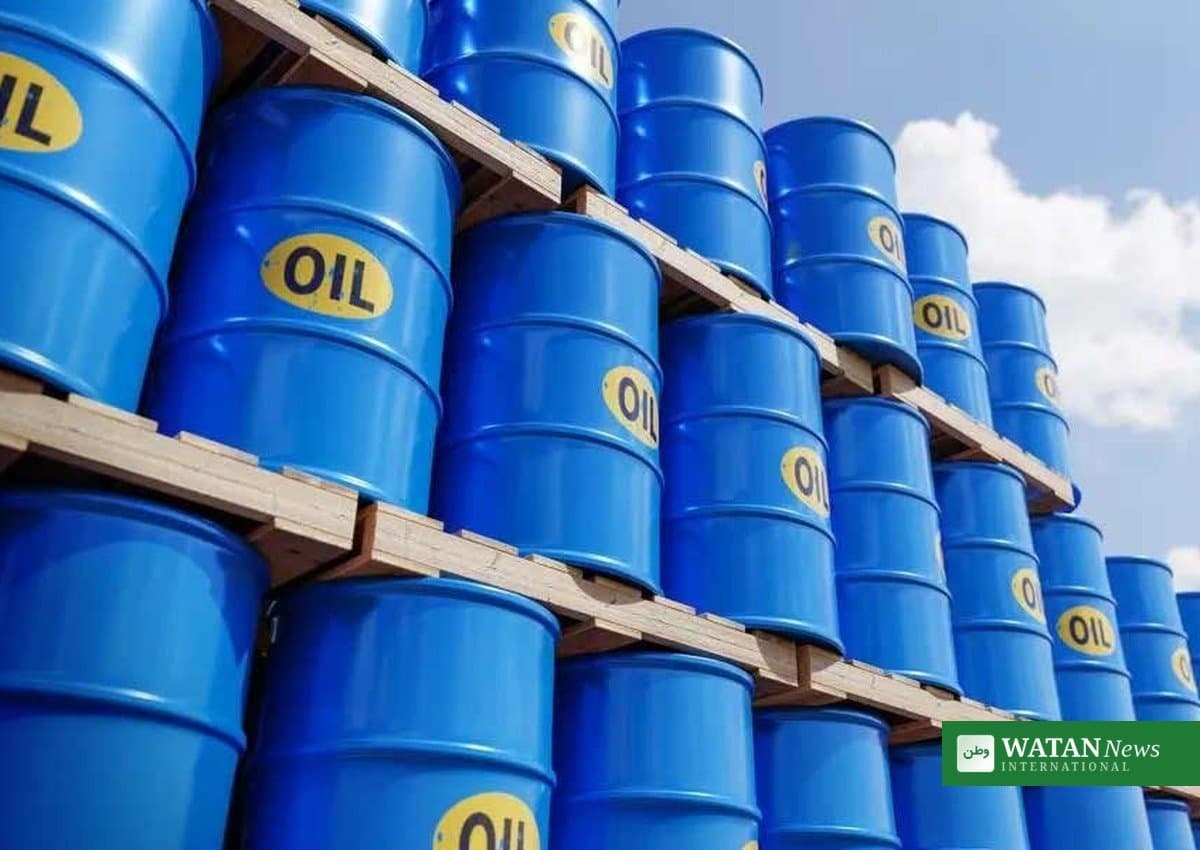
PARIS: The Group of Seven (G7) nations have agreed to release 100 million barrels of diesel and crude oil from emergency reserves through the International Energy Agency (IEA) over the next four months — a coordinated G7 oil reserves release aimed at calming surging fuel prices and what the leaders called “unprecedented volatility” in oil markets. A substantial diesel release will be frontloaded into the first 20 days. The group also pledged to refrain from energy export restrictions between members after US President Donald Trump dropped his threatened ban on American diesel exports.
FAKTA
- G7 leaders agreed on October 2 on a coordinated release of 100 million barrels of diesel and crude oil through the IEA, starting immediately and spread over four months.
- A “substantial” diesel release will be frontloaded into the first 20 days by G7 members and partners.
- EU countries discussed a French proposal under which Europe would release 50 million barrels of diesel and IEA members a further 50 million barrels of crude, Reuters reported.
- The group agreed to refrain from energy export restrictions; US President Donald Trump dropped his threatened diesel export ban.
- The move follows a record 400-million-barrel release in March, coordinated by the IEA after the Iran war broke out; members have since released about two-thirds of it.
The G7 oil reserves release: what was agreed
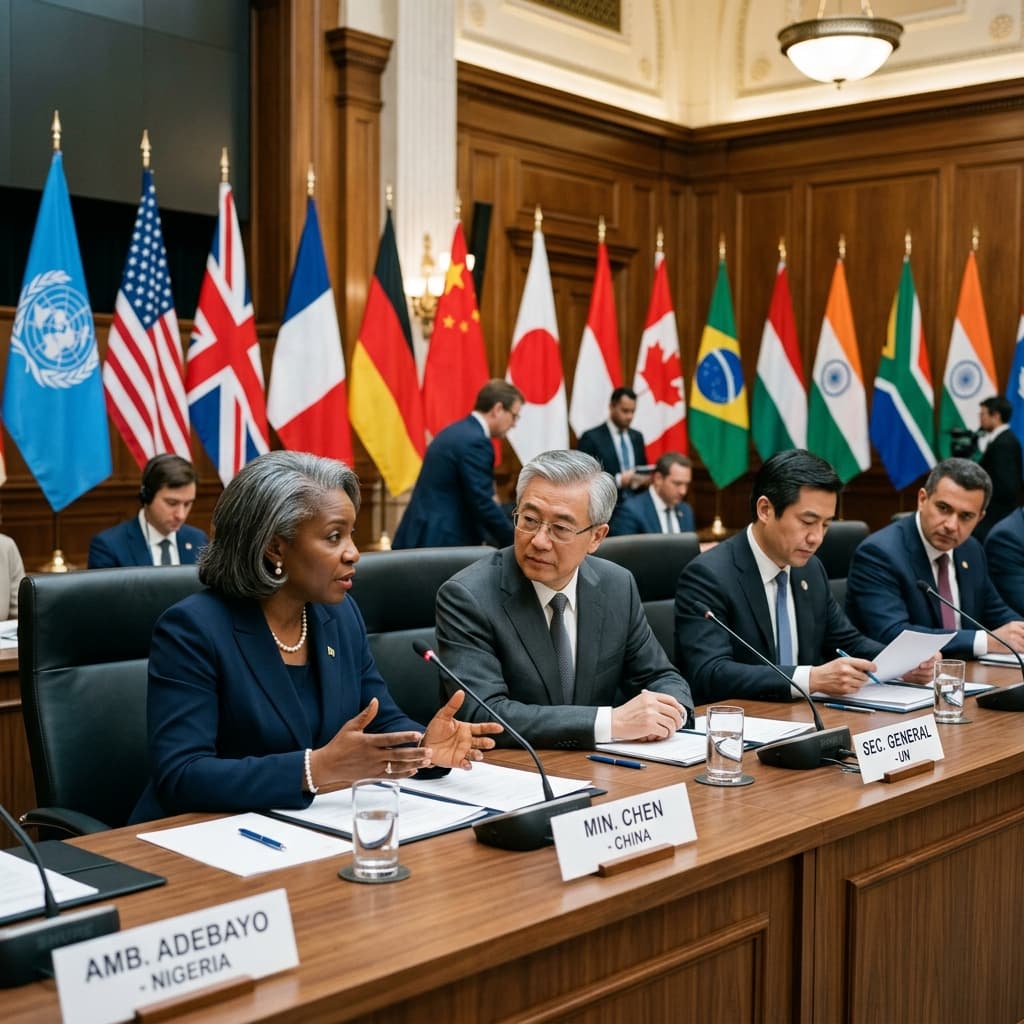
The decision came after an emergency video call convened by French President Emmanuel Macron, who holds the G7’s rotating presidency. “In this regard, taking into account commitments that have already been fulfilled, we will implement our commitments with a coordinated release through the IEA of 100 million barrels to begin immediately over four months, including a frontloaded substantial diesel release within the first 20 days by G7 members and partners,” the leaders said in a joint statement released by Macron’s office.
The Paris-based IEA will coordinate the release and monitor implementation. The leaders asked the agency to report back within 20 days with a market assessment and recommendations, including on replenishing emergency stocks.
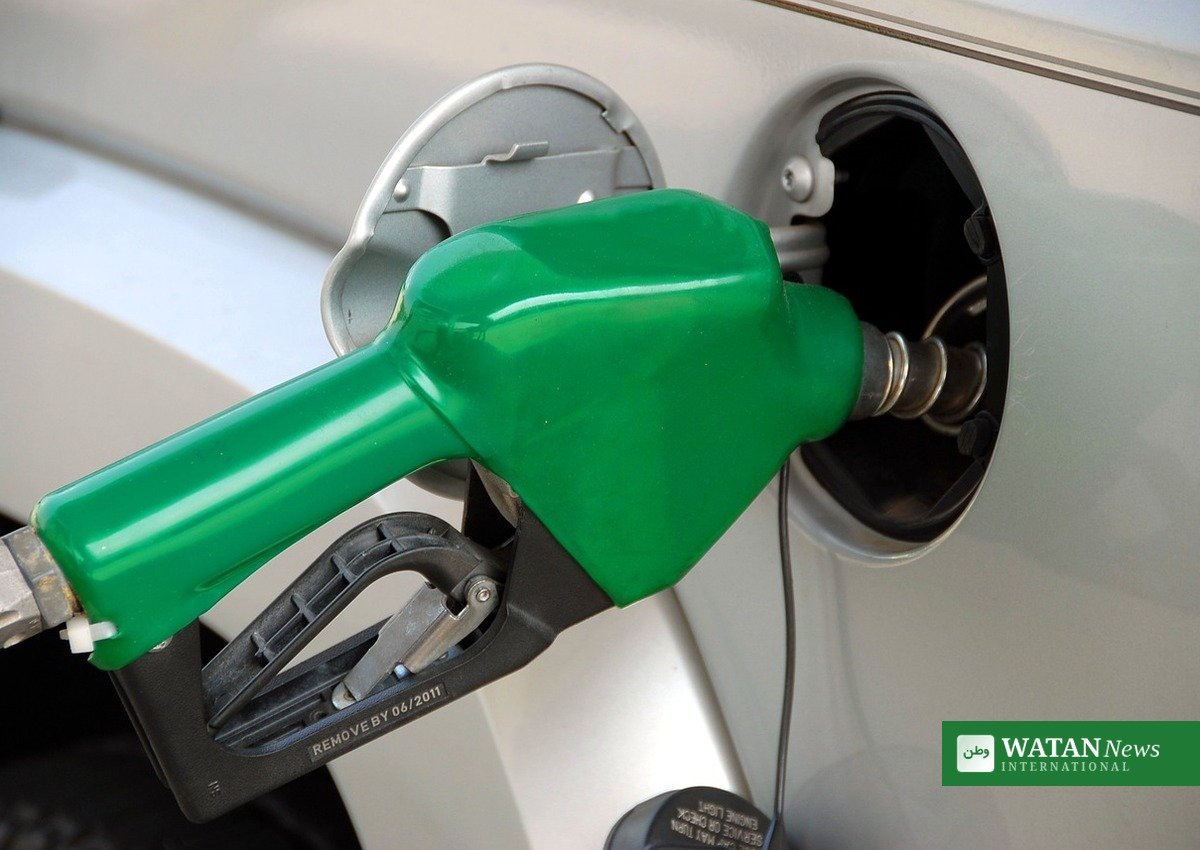
Trump’s diesel export threat — lifted for now
The announcement followed intense pressure from Washington. The Trump administration had warned it could ban US diesel exports — a possible 90-day ban was first reported in late September — a move that would have hit Europe hard, since the continent has become increasingly reliant on American diesel, unless European countries drew down their own emergency stocks faster.
With the deal done, Trump said the ban was off the table. “Europe has a lot of diesel, and they’re going to be making a major world contribution, and so are we. And we’re not going to be doing the export ban,” he told reporters at the White House, adding that the plan had never really been on the table despite him raising it repeatedly in recent weeks. “We have agreed that there will be no ban or restrictions on exports between G7 members,” Macron said. “President Trump was very clear on this point.” Trump is seeking to cool surging fuel prices ahead of the November midterm elections.
Markets and what’s next
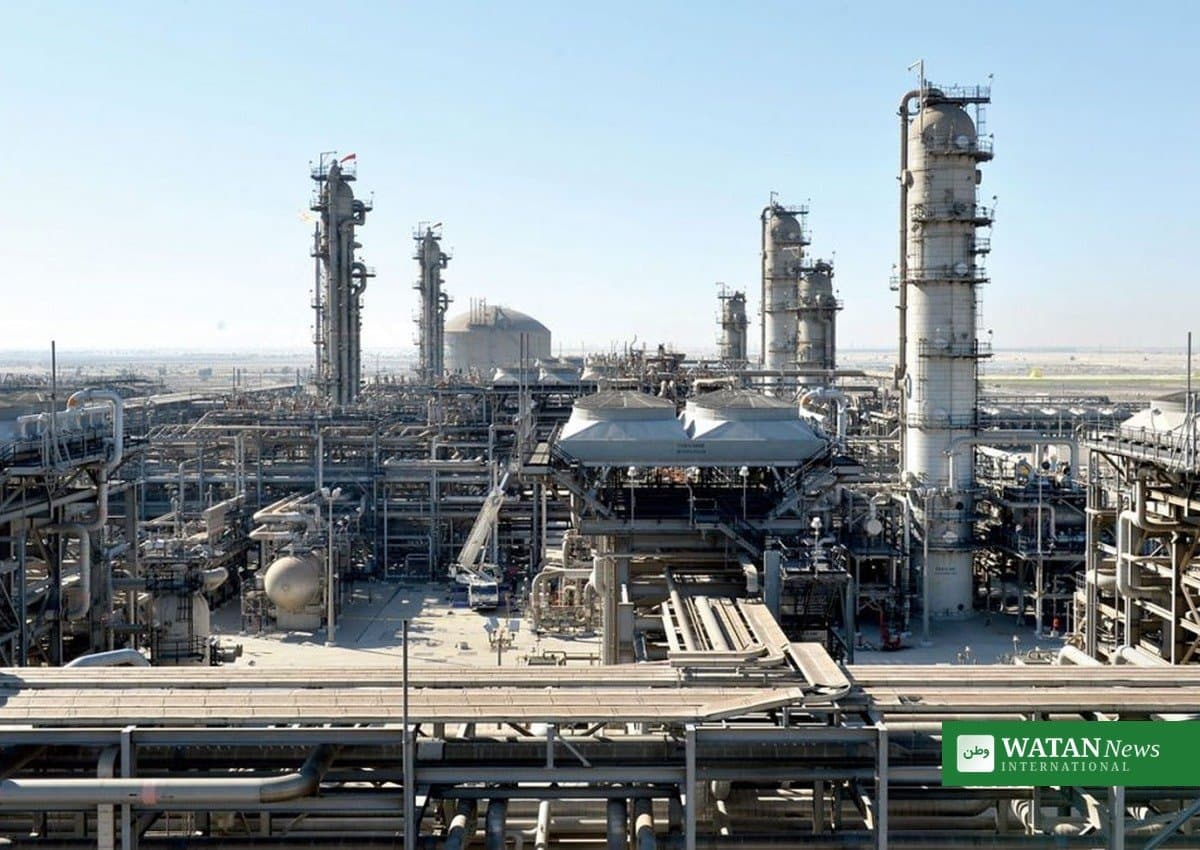
The announcement lands in a market under severe strain. Diesel, vital for heavy freight transport, deliveries, and farm and construction machinery, is trading at record levels. Russia, a major producer, has already curtailed diesel exports after repeated Ukrainian strikes on its refineries. Brent crude futures closed on Friday at $102.25 a barrel after volatile trading on news of the planned releases.
Some of the 100 million barrels may overlap with volumes not yet made available under the March release, under which IEA members pledged 400 million barrels after the Iran war began — the biggest emergency stock release ever. IEA executive director Fatih Birol said this week that members had released about two-thirds of the 400-million-barrel agreement, with the United States providing nearly half.
The leaders said they would reconvene in the IEA context in the coming days to discuss possible additional diesel releases, coordinate refinery maintenance schedules to avoid simultaneous shutdowns, and encourage countries with major refining capacity to boost diesel output. “Our citizens’ concerns about energy prices remain a top priority,” they said. “We will monitor developments closely and stand ready to adjust measures as needed.”
Read more of our coverage of the global economy in the Business section.