The International Federation of Journalists (IFJ) has made a free online course available for reporters who cover climate change. It focuses on getting the science right, pushing back against disinformation and greenwashing, and staying safe in the field.
The course, “Reporting climate change: tips from the IFJ”, was launched on World Environment Day, 5 June 2026. The IFJ says it was developed through a project funded by Union to Union (UTU) and as part of the Global Initiative for Information Integrity on Climate Change.
Why it matters
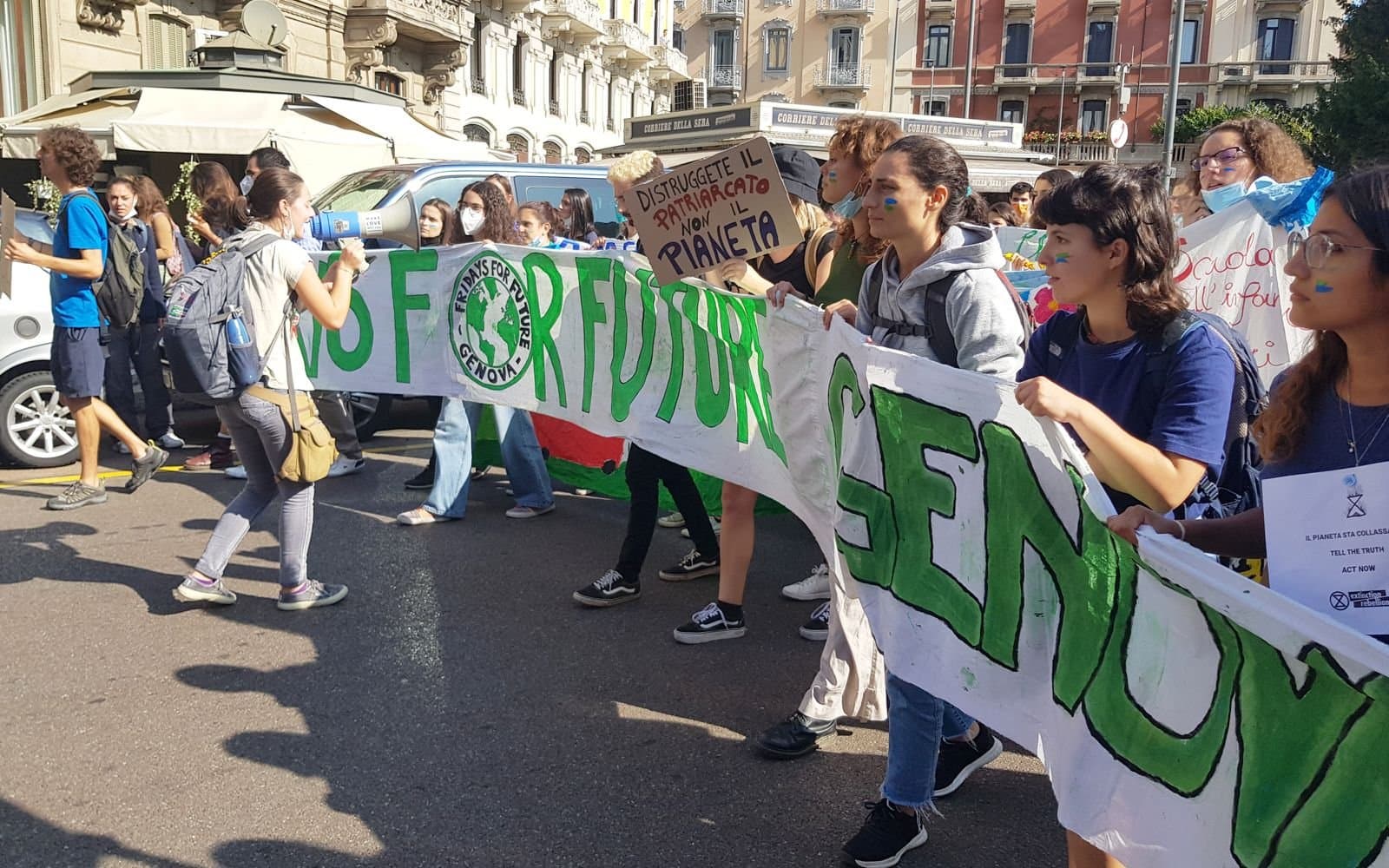
The IFJ argues that journalists carry a critical responsibility to report the scientific evidence and the impacts of climate change accurately, so that citizens can make informed decisions. That role is growing, it says, as misinformation and disinformation campaigns, often linked to economic and financial interests, try to undermine the scientific consensus and delay climate action.
Challenging disinformation and greenwashing
One chapter gives practical advice on how to challenge false claims and greenwashing. The advice is to explain systems and power, look closely at whose interests are involved, include affected communities, especially workers, and give context rather than facts alone.
“Accurate reporting remains essential. But in an era of organised disinformation, context, scrutiny, and perspective are just as important as facts,” the IFJ writes.
Staying safe in the field
Environmental reporting can be dangerous, and the course sets out basic safety steps. Journalists should draw up a safety protocol, find a trusted local guide, and tell a colleague about their plans before going into the field.
The course also stresses employers’ duty of care. Media organisations, it says, should have safety protocols in place and give climate reporters protective equipment and specialist safety training.
What the course covers
The course is laid out step by step in nine chapters:
- Why we all need to be climate reporters
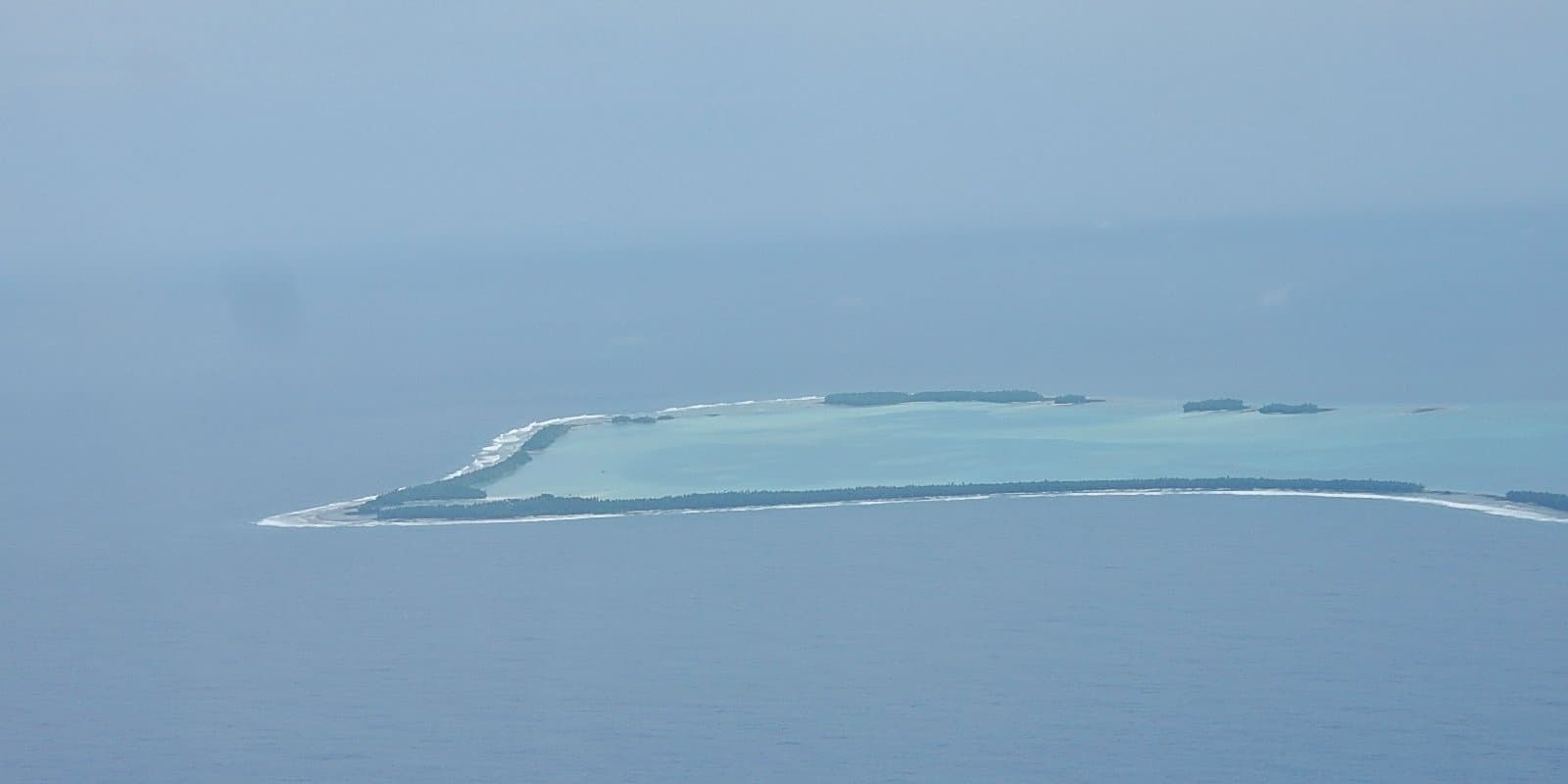
- What is happening to our world?
- What is causing climate change?
- What is the world doing about climate change?
- Where to find climate stories?
- Who to speak to?
- How to combat disinformation and greenwashing?
- How to stay safe?
- How to go further?
The IFJ represents more than 600,000 journalists in 146 countries. The course is available free of charge on the IFJ website.
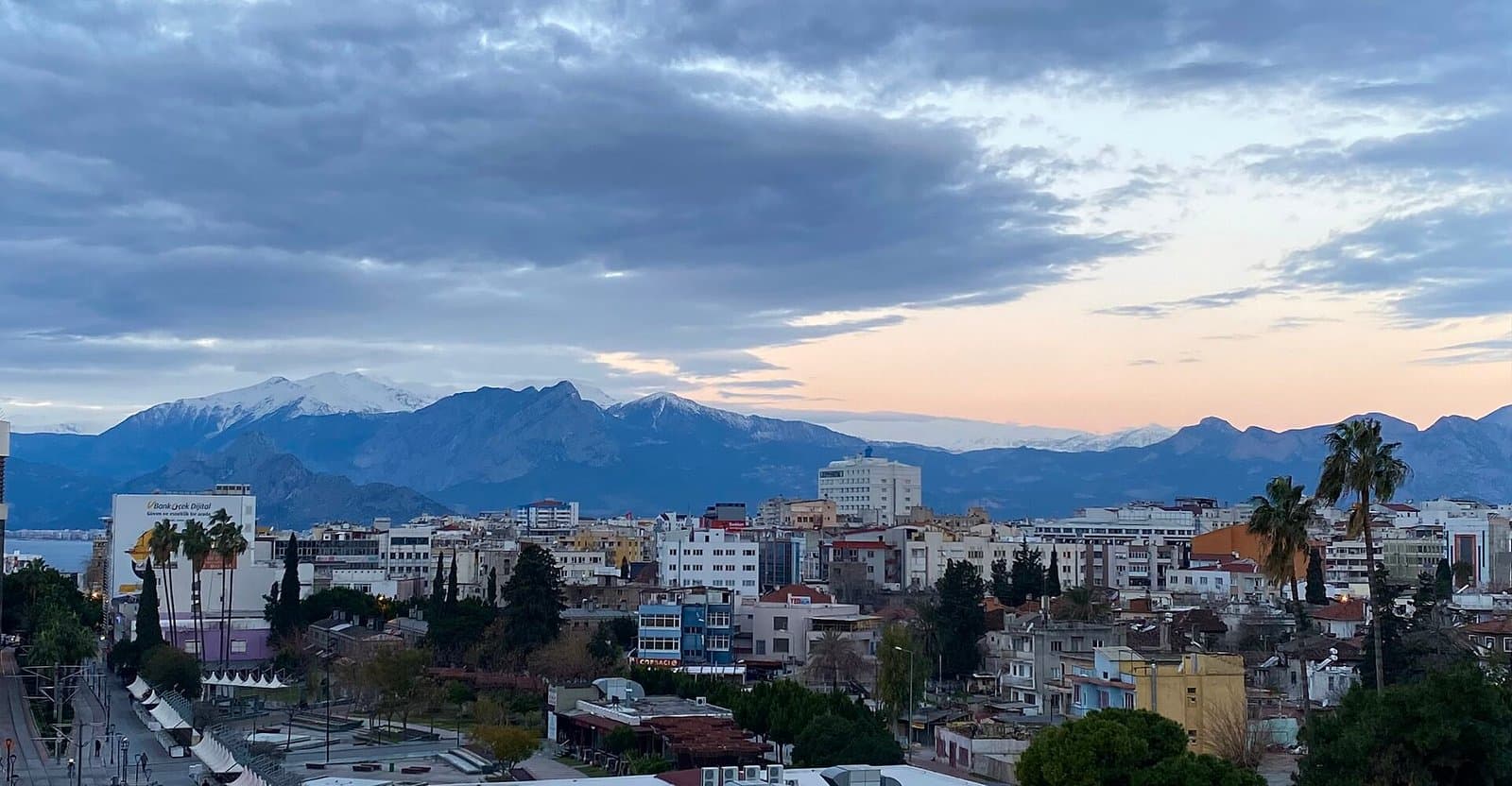
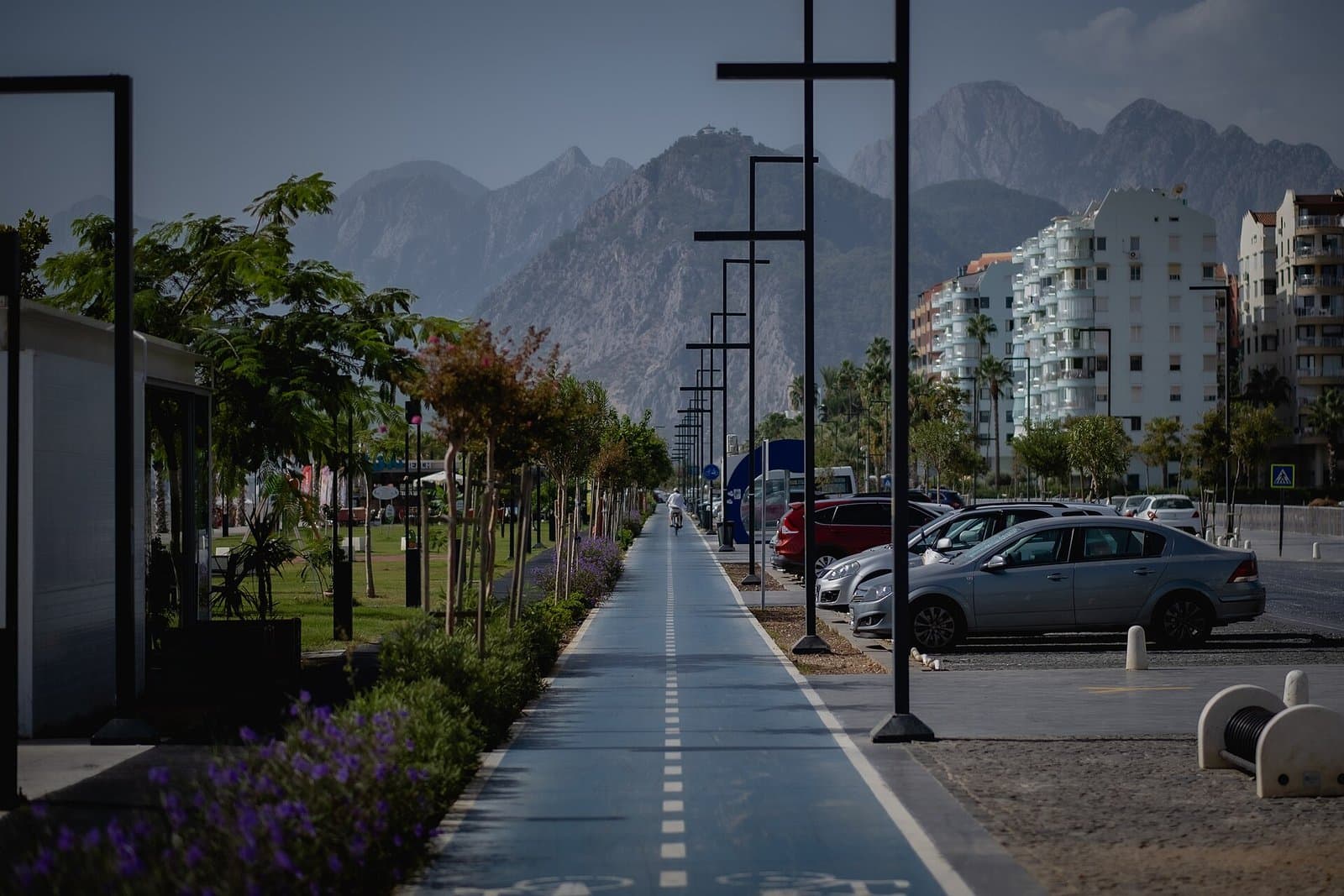
With COP31 due in Antalya from 9 to 20 November 2026, resources like this can help newsrooms, including smaller and regional outlets, prepare for a period of intense climate coverage.
*Source: International Federation of Journalists (IFJ).*