NEW YORK — World leaders on Thursday, 24 September, approved by consensus the first UN Declaration on Sea-Level Rise, a political text that backs a presumption of continued statehood and stable maritime zones for countries losing land to rising seas.
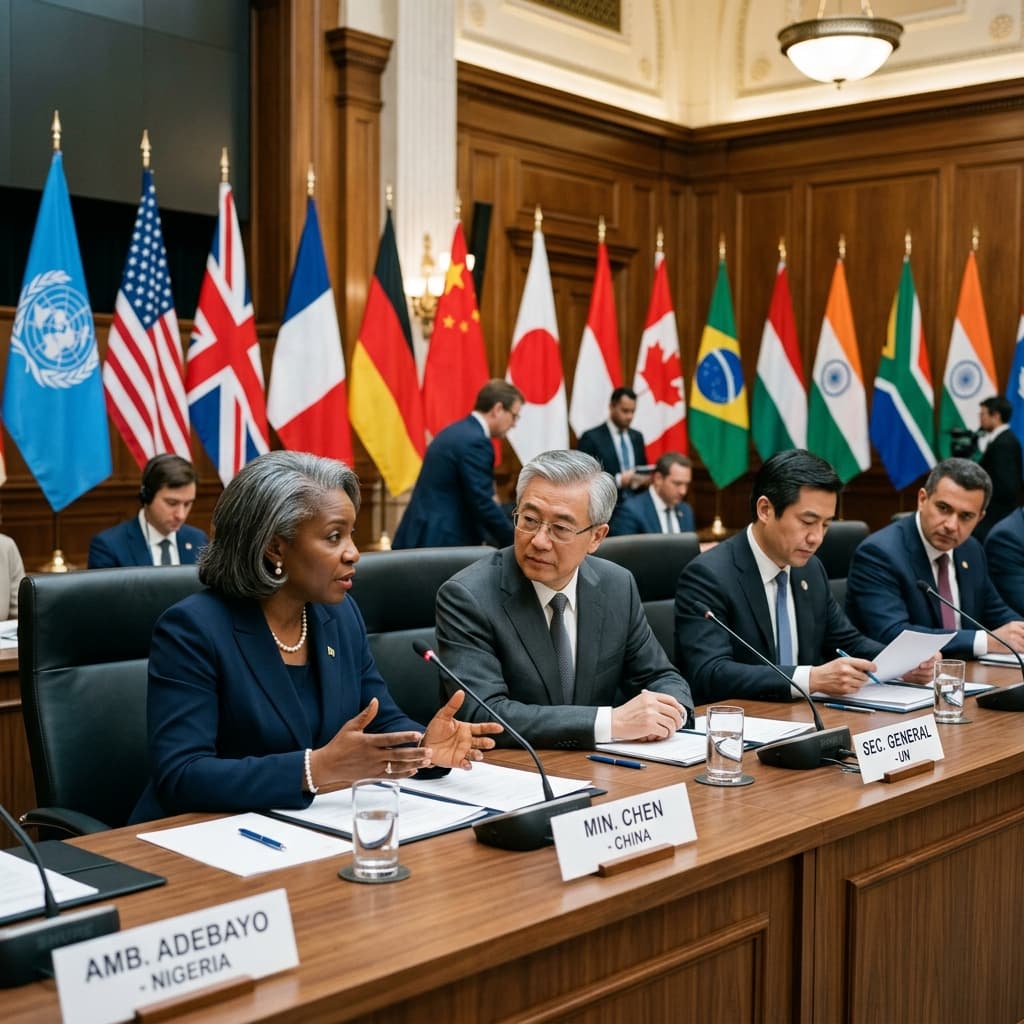
The declaration was approved at a day-long high-level meeting on the margins of the General Assembly’s annual general debate. According to UN meetings coverage, delegates approved the draft “with a view to send it to the Assembly for formal adoption.” It is a political declaration, not a binding treaty, and it creates no new funding on its own.
What the declaration says
According to UN News, the text covers four areas:
- Science and data: better observation, shared data and stronger early-warning systems.
- Finance and resilience: more predictable and accessible funding, especially for small island developing States and least developed countries.
- Livelihoods and culture: protecting coastal livelihoods and cultural heritage, and including affected people in decisions.
- International law: a presumption in favour of continued statehood and the ability to maintain maritime zones established under the UN Convention on the Law of the Sea, despite physical changes caused by rising seas.
Member States also agreed to hold a further high-level meeting on the issue before the end of the General Assembly’s 84th session.
A record rise
Opening the meeting, UN Secretary-General António Guterres said global sea level rose by almost six millimetres in 2024, the largest annual increase ever recorded. “Rising seas are sinking futures,” he said. He noted Intergovernmental Panel on Climate Change estimates that seas are projected to rise by half a metre by 2100 even in the best-case scenario. UN News reported that around 770 million people live less than five metres above the high-tide line.
Guterres urged action on three fronts: cutting emissions, protecting communities and closing legal gaps. He said global emissions must peak immediately and fall 60 per cent by 2035, and that adaptation finance must triple. “The Group of 20 must lead, and COP31 in Türkiye must deliver,” he said.
Legal certainty for islands
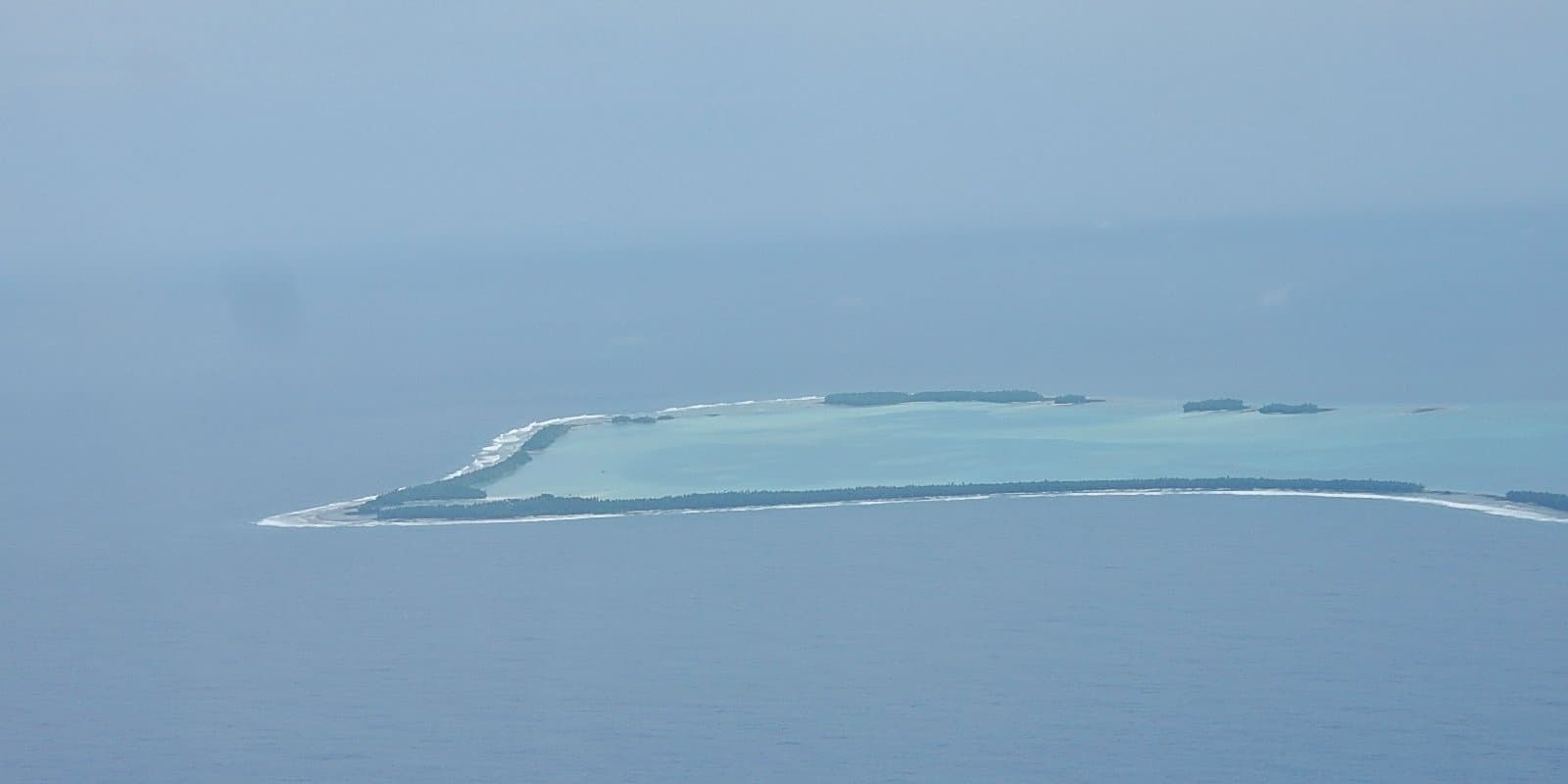
For low-lying states such as Tuvalu and the Marshall Islands, the legal language is the heart of the text. Palau’s President Surangel Whipps Jr., speaking for the Alliance of Small Island States, said: “For States that are literally defined by the ocean around us, the impact of sea level rise will be life-altering.” Tuvalu’s Prime Minister Feleti Teo welcomed the declaration as fundamental to his country’s future.
Cabo Verde’s Prime Minister Francisco Carvalho, whose country co-facilitated the negotiations, said consensus approval showed that multilateralism still works. Jamaica, speaking for the Caribbean Community, welcomed the recognition of stable maritime zones and continuity of statehood as safeguards for sovereignty, security and livelihoods.
Grist reported that the United States did not block the text. It also noted that the statehood language echoes last year’s International Court of Justice climate advisory opinion, which held that the disappearance of one of a State’s constituent elements “would not necessarily entail the loss of its statehood.”
‘Not the finish line’
Many speakers said the text must now turn into money and action. “The Declaration is a critical one, but it must not be the last work done by this body,” said Aren Palik, Vice-President of the Federated States of Micronesia. Maldives Vice-President Hussain Mohamed Latheef called for a mechanism to monitor sea-level rise, saying: “We cannot address what cannot be measured.”
New pledges at the meeting were modest. European Commissioner Costas Kadis pointed to the OceanEye International Alliance, launched by the European Commission and Canada, which has secured $250 million in pledges for ocean observation. The United Kingdom highlighted £330 million pledged to the Global Environment Facility’s ninth replenishment, and a policy under which it recognises statehood even if a State loses some or all of its land to the sea.
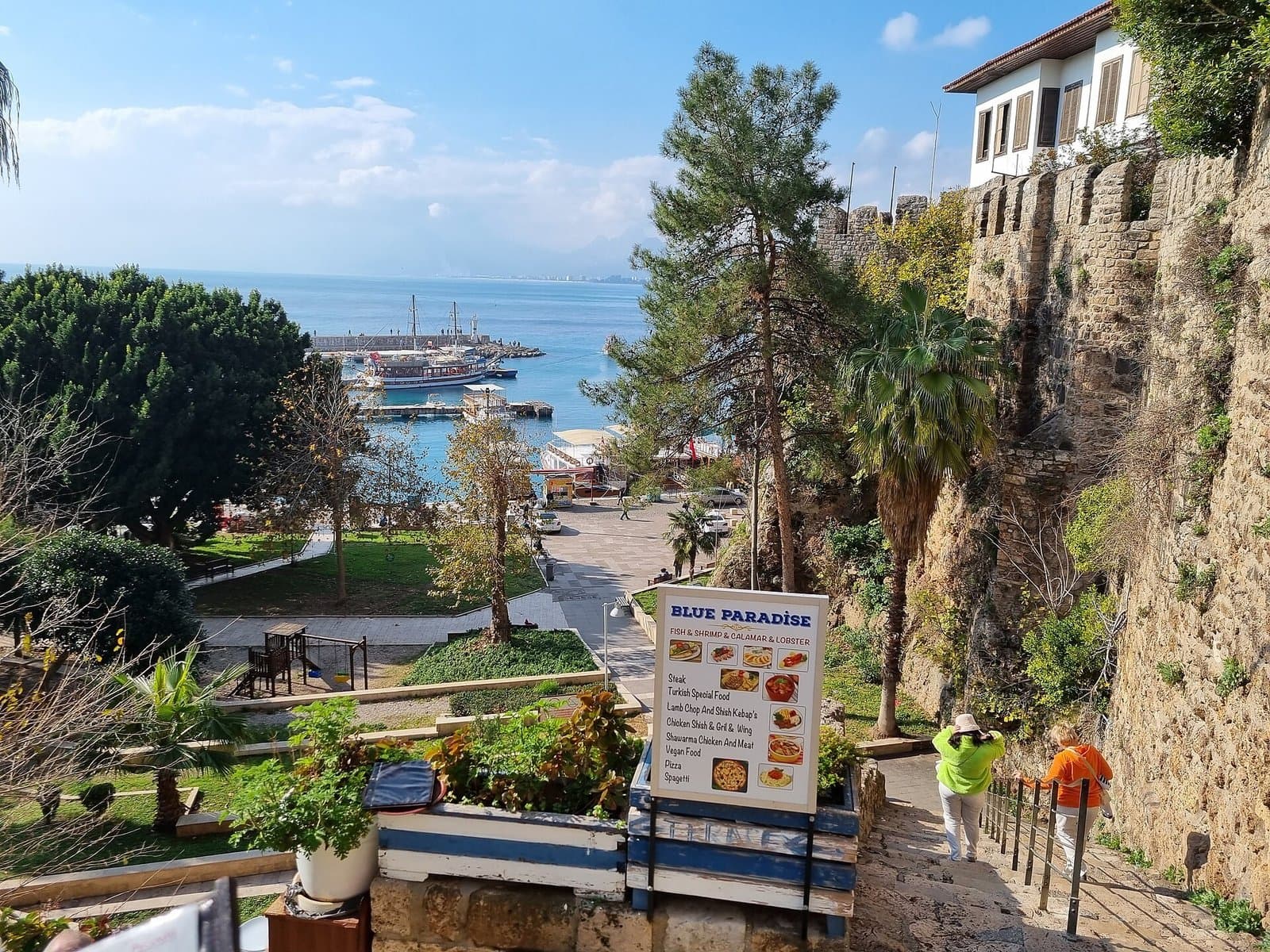
As Grist noted, the declaration on its own will not increase the money available to vulnerable states. Guterres has already tied the next step to COP31 in Antalya, which runs from 9 to 20 November.
Is the declaration legally binding?
No. It is a political declaration approved by consensus at a UN high-level meeting and sent to the General Assembly for formal adoption. It does not create new treaty obligations or new funds by itself.
What does “continued statehood” mean here?
The text presumes that a country keeps its status as a State, and can maintain the maritime zones it established under the UN Convention on the Law of the Sea, even if rising seas shrink or submerge its land.
What happens next?
The text goes to the General Assembly for formal adoption, and Member States agreed to a further high-level meeting before the end of the Assembly’s 84th session. COP31 in Antalya (9–20 November) is the next major climate test.
Sources
- UN News, 24 Sep 2026: https://news.un.org/en/story/2026/09/1168430
- UN Meetings Coverage SEA/2254, 24 Sep 2026: https://press.un.org/en/2026/sea2254.doc.htm
- Grist (Jake Bittle), 24 Sep 2026: https://grist.org/international/united-nations-sea-level-rise-declaration-islands/