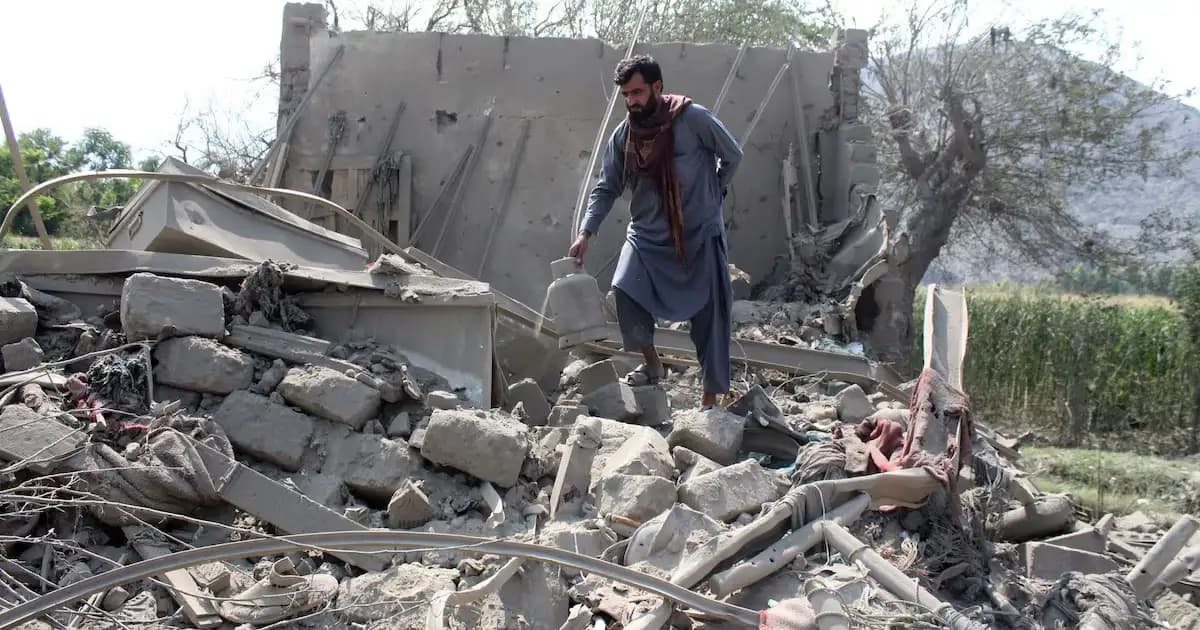
Afghanistan’s Taliban government has reported that four civilians were killed in a wave of Pakistani air strikes, marking a significant escalation in tensions between the two nations. The strikes, which the Taliban described as “reckless, careless, and hostile,” reportedly hit provinces including Kandahar, the Taliban’s traditional stronghold, and have drawn a strong condemnation from Kabul.
Pakistan, however, has maintained that its forces struck 10 targets in Afghanistan, asserting that these operations were “strictly limited to identified military objectives.” This is the second instance of Pakistani air strikes on Afghan territory within the past week, following a deadly attack on a police facility in Pakistan on September 18.
Escalating Cross-Border Hostilities
The latest Pakistani air strikes, which occurred on September 24, 2026, have ignited a fresh wave of cross-border hostilities. According to Taliban government spokesman Zabihullah Mujahid, the attacks targeted Afghanistan’s Kandahar, Paktia, and Khost provinces. While the Taliban reported four civilian casualties, Pakistan’s Information Minister Attaullah Tarar stated the strikes were “deliberate, precise, calibrated, and proportionate,” and directly linked to “attempted attacks against Pakistan.”
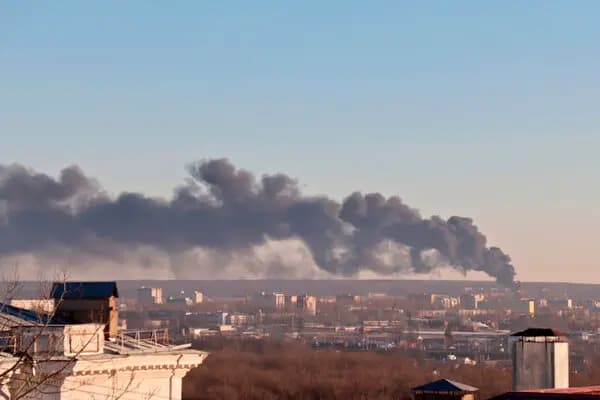
In Kandahar, a resident recounted hearing a jet, followed by a large explosion and a subsequent fire in the city. In Paktia, an official indicated that jets had bombed the Afghan Armed Forces 203 Mansouri Corps, a unit controlled by the Taliban, though no casualty information was provided for this specific incident. In Khost, a spokesman confirmed that houses were damaged, but reported no casualties from the strikes in that province.
Eyewitness Accounts and Civilian Impact
Eyewitnesses in the affected regions painted a vivid picture of the fear and chaos caused by the strikes. Abdullah, a local resident, told Reuters news agency that the strikes occurred around midnight, leading to widespread panic. “People were shouting, and there was panic all around,” he said. “Afterwards, the village elder arrived and called out to the houses, asking if anyone was killed. Thankfully, no one was killed.”
Another local, Salamat Khan, emphasized the civilian nature of the targeted areas, stating, “there is no military base here, nor are there any military personnel. There are only the homes of ordinary civilians.” These accounts underscore the Taliban’s claims of civilian casualties and the potential humanitarian impact of the ongoing conflict.
The Preceding Attack and Retaliation
The current escalation follows a period of relative calm between the Taliban and Pakistan, which lasted approximately three months. This fragile peace was shattered by an attack on a mosque within a police compound in north-western Pakistan last week, which resulted in the deaths of at least 31 people. A group linked to Tehreek-e-Taliban Pakistan (TTP), a militant organization that has waged a violent campaign against Pakistan for years, claimed responsibility for this attack.
Islamabad has consistently accused Kabul of harboring the TTP, a claim vehemently denied by Afghanistan’s Taliban government, which asserts that militancy is an internal issue for Pakistan. In response to the police facility attack, Pakistan had previously launched air strikes in the Afghanistan-Pakistan border region earlier this week, reportedly killing 28 militants. Farid Dehqan, a spokesman for the Taliban government in Kunar province, told the BBC that three people were killed and four others injured in that earlier strike. The UN mission Unama also confirmed at least three civilian deaths in that incident.
Taliban’s Warning and Future Implications
Zabihullah Mujahid, the Taliban government spokesman, warned that the recent Pakistani air strikes “will have adverse consequences for the Pakistani military.” The Taliban statement also indicated that there would be an “appropriate response” to the attack. Pakistan, in turn, has stated that “any further provocative act would be responded to.”
These strong statements from both sides suggest a deepening of the conflict and raise concerns about regional stability. The ongoing dispute over the TTP, coupled with cross-border military actions, highlights the complex and volatile relationship between Afghanistan and Pakistan. The international community will be closely watching for further developments and the potential for wider ramifications in the region. For more international news and analysis, visit Watan News.