ISTANBUL / ANTALYA — About eight weeks before the United Nations climate summit opens on Türkiye’s Mediterranean coast, the Zero Waste Foundation and state-backed VakıfBank have put money — not another communiqué — at the centre of the country’s circular-economy push. On 15 September 2026 they signed a strategic cooperation protocol in Istanbul to design financing models that turn waste prevention, recycling and resource efficiency into investable projects. Foundation chair and COP31 High-Level Climate Champion Samed Ağırbaş framed the deal as inseparable from climate delivery.
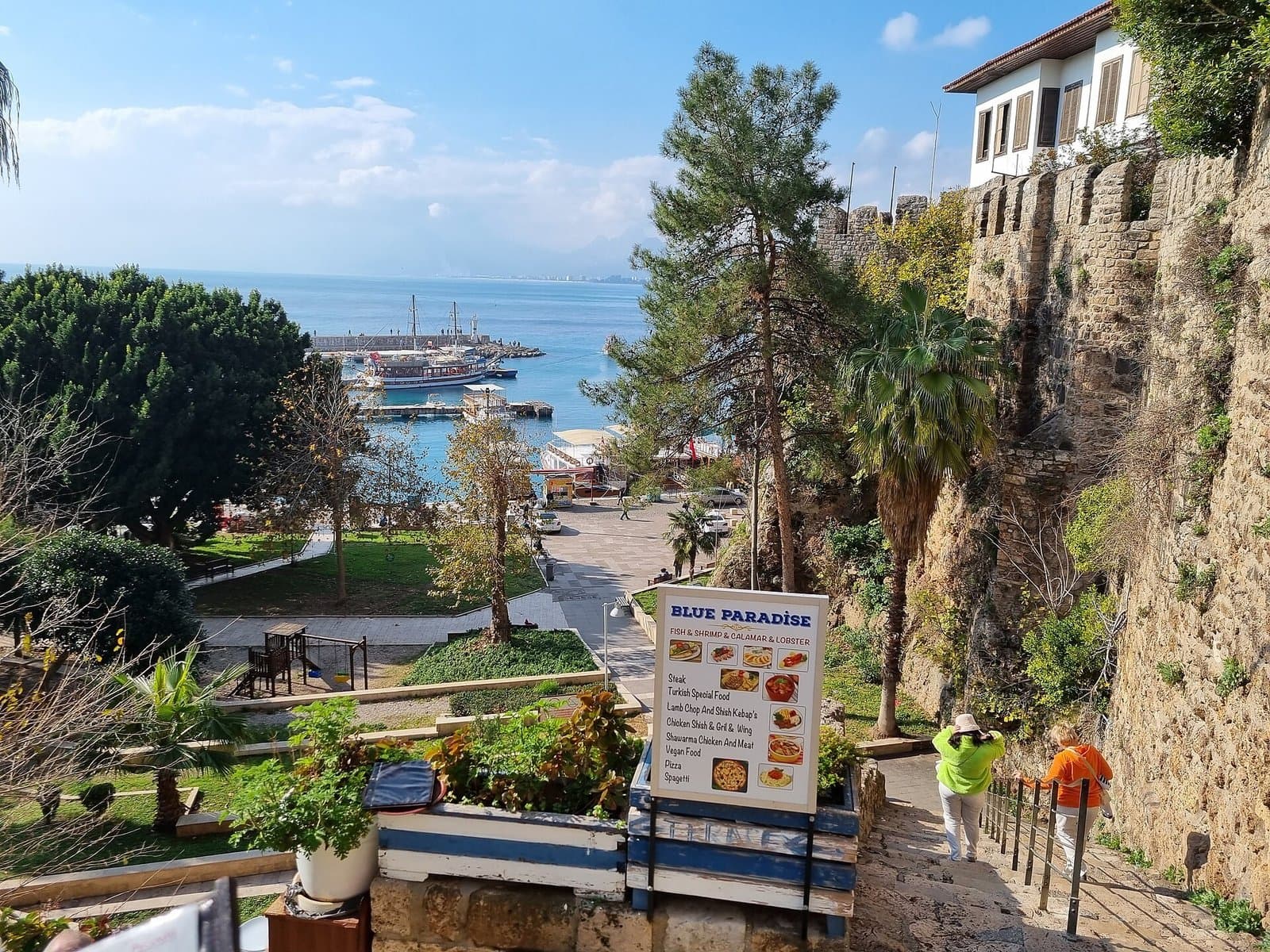
COP31 runs in Antalya from 9 to 20 November 2026, and Türkiye’s presidency already lists zero waste among the Action Agenda’s ten priority themes. The Istanbul signing adds a bankable bridge to cities, small manufacturers and recycling operators still blocked by high upfront costs, long paybacks and thin project-preparation capacity.
Banking the circular transition
At VakıfBank’s General Directorate Conference Hall, Ağırbaş argued that zero waste is not only an environmental policy: using energy, water, raw materials and labour more efficiently — and returning discarded materials to the economy — is a financial-systems question. “We see the financial sector not merely as a provider of resources, but as a stakeholder that directs, facilitates and accelerates transformation,” he said, according to Daily Sabah reporting with Anadolu Agency.
He called for affordable, longer-tenor products covering SME clean production, recycling infrastructure, compost and biogas facilities, and water and energy efficiency — segments where climate ambition often stalls because of high upfront costs, collateral and co-financing needs, and balance sheets that cannot carry long paybacks.
VakıfBank General Manager Osman Arslan set the deal against a decade of Zero Waste Movement results. Türkiye’s recycling rate rose from 13 percent in 2017 to more than 37.5 percent in 2025, he said, with roughly 90 million tonnes of recyclable waste returned to the economy by end-2025. National targets point to 60 percent by 2035 and 70 percent by 2053. VakıfBank raised 7.1 billion dollars in new international funding in the first half of 2026, with sustainable finance at 38 percent of its total international financing.
Under the 2025–2028 National Circular Economy Strategy and Action Plan, the transition is expected to generate 210–350 billion Turkish lira (about 5.9–9.8 billion dollars) in annual added value and more than 100,000 jobs. The bank mapped six financing areas along the circular value chain — from responsible raw materials through remanufacturing — and will offer working capital up to 10 million lira (24 months) and investment loans up to 50 million lira (60 months). First-stage aim: 10 billion lira in financing volume and more than 500 companies drawn into circular transformation.
Zero Waste Foundation’s COP31 role
In January 2026, COP31 President-Designate Murat Kurum appointed Ağırbaş Climate High-Level Champion — confirmed by a UNFCCC message to Parties. He co-leads the Global Climate Action Agenda with COP30 Champion Dan Ioschpe. His June 2026 Climate Champions vision highlighted the Istanbul Platform on Zero Waste for Climate Action and an ambition to make COP31 the first summit designed and operated as a fully zero-waste COP. The Foundation’s COP kit already includes a Zero Waste Summit Guide under the line “A Waste-Free COP is Possible.”
The VakıfBank protocol does not replace host-city workshops or the Antalya Local Zero Waste Target Document track. It answers a different question: once cities and firms know what to build, who finances it at terms they can carry? For Watan’s Zero Waste beat, the test after 15 September is execution — how many SME and recovery projects clear credit committees before delegates arrive in November.
What is Türkiye’s Zero Waste mission in the COP31 context?
Zero waste is one of COP31’s ten Action Agenda priorities. The Zero Waste Foundation, chaired by COP31 Champion Samed Ağırbaş, promotes prevention, reuse, recycling and circular design as climate-delivery tools, including an ambition for a waste-free Antalya summit.
What did the Foundation and VakıfBank agree on?
On 15 September 2026 they signed a strategic protocol to finance circular-economy investments — SME clean production, recycling, compost, biogas and efficiency — with an initial target of 10 billion lira and more than 500 companies. Turkish coverage of the package also notes credit-guarantee support of up to 3 billion lira for SMEs through KGF where applicable.
How does this link to COP31 in Antalya?
COP31 runs 9–20 November 2026 in Antalya. The deal connects the presidency’s zero-waste priority to bankable projects before and during the summit window.
How can readers follow updates?
Watch cop.sifiratikvakfi.org, cop31.tr, UNFCCC High-Level Champions channels, and partner bank announcements such as VakıfBank’s.