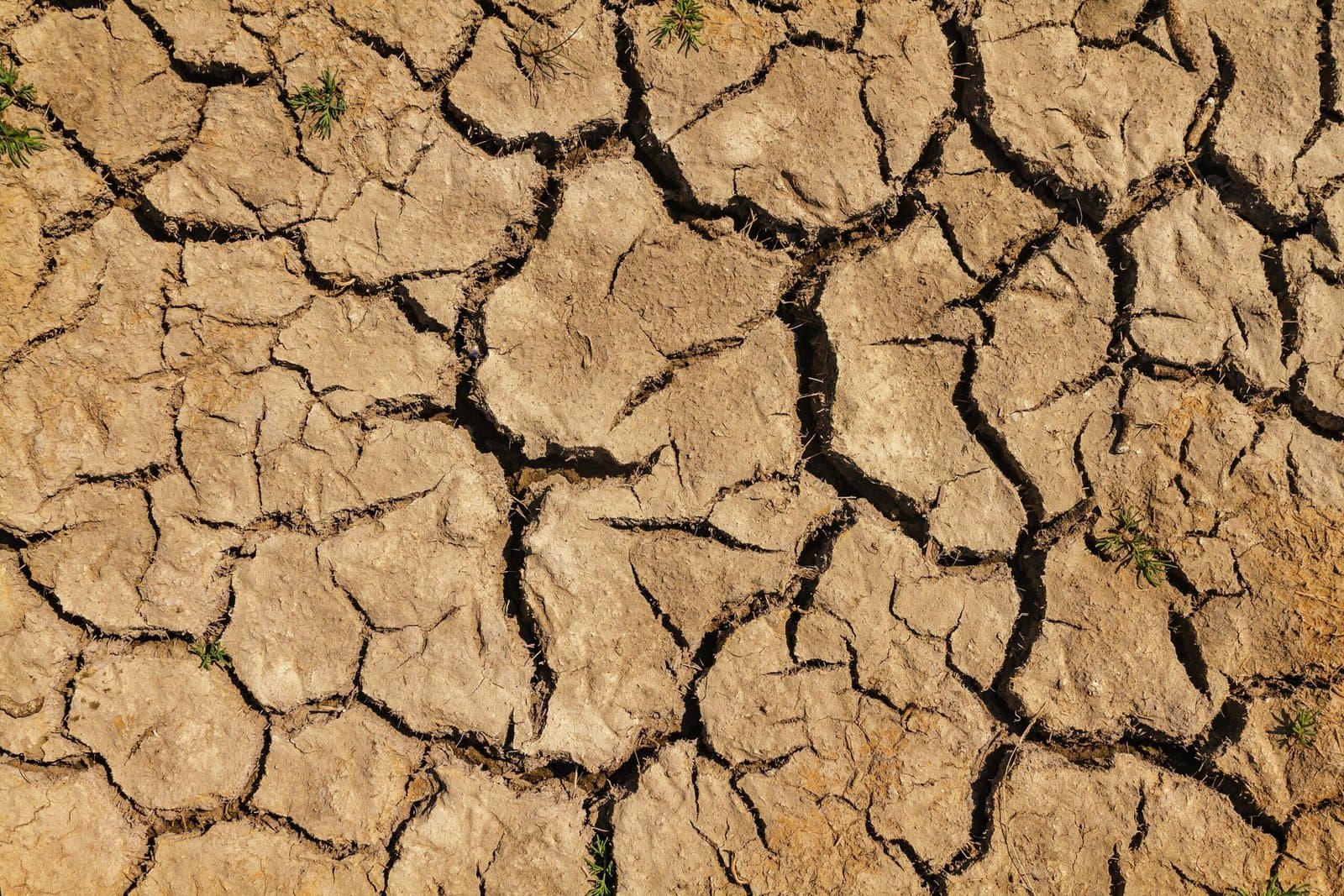

A significant portion of the United Kingdom’s essential food supply, including staple crops like cereals, potatoes, sugar, and oils, is cultivated in areas identified as having a moderate to very high risk of drought. This alarming trend, highlighted in a recent report, raises serious concerns about the nation’s food security and the resilience of its agricultural sector against increasing water scarcity.
- Majority of UK’s essential foods grown in drought-risk areas.
- 81% of England’s fresh produce concentrated in water-stressed regions.
- Key crops like wheat, barley, and oilseed rape face significant drought risk.
- Report warns of lower yields, strained supply chains, and higher food prices.
Vast Majority of Crops Vulnerable to Drought
Analysis reveals that a substantial percentage of the UK’s vital agricultural output is situated in regions susceptible to drought. This concentration poses a considerable threat to consistent food availability and agricultural stability.
- 77% of England’s wheat is grown in areas with moderate to very high drought risk.
- 75% of barley and 74% of oilseed rape cultivation occurs in these vulnerable zones.
- 70% of sugar beet and 67% of potatoes are also grown in drought-risk areas.
Acute Drought Risk Affects Staple Crops
Beyond moderate risks, a notable fraction of the country’s staple crops are cultivated in areas facing an acute threat of drought. This intensifies the potential for severe impacts on food production.
- Approximately 25% of the UK’s staple crops are grown in areas with an acute drought risk.
- This includes 30% of wheat and barley, and 28% of oilseed rape.
- Fresh produce (27%) and potatoes (21%) also face acute drought challenges.
Economic Ramifications of Drought
The implications of widespread drought extend far beyond the farm gate, impacting the entire economy. Experts warn of a cascading effect on supply chains and consumer costs.
“Drought builds slowly and quietly, and rarely gets the same attention as flooding, but its impact runs right through the economy: lower yields, strained supply chains and higher prices in all of our shopping baskets,” stated Kirsty Wilman, Chief Operating and Financial Officer at Rebalance Earth.
Traditionally Productive Regions Under Pressure
Some of England’s most historically fertile agricultural heartlands are now experiencing significant water stress. Areas renowned for their high yields are increasingly succumbing to prolonged dry spells.
- East Anglia, known as England’s “breadbasket,” faces growing drought pressure.
- Kent, often called the “garden of England,” is also among the most affected regions.
- These areas have experienced extended periods of dry weather in recent years, impacting crop health.
Disappointing Harvest Yields Reported
The latest agricultural reports confirm a decline in crop yields for the current year. This trend is attributed to the prevailing dry conditions, affecting key cereal harvests.
The final 2026 harvest report from the Agriculture and Horticulture Development Board (AHDB) described the yield from this year’s cereals harvest in England and Wales as “disappointing.” Volumes of wheat, spring barley, and oats were below historic averages across the UK.
Case Study: Elveden Estate in Suffolk
The Elveden estate in Suffolk, a large commercial farm owned by the Guinness family, exemplifies the challenges faced. Crop yields have been significantly lower than normal due to persistent drought conditions.
- Andrew Blenkiron, managing director of the Elveden estate, reported that the farm has experienced drought conditions in three out of the last five years.
- The estate, comprising 9,000 hectares (22,000 acres), grows cereals including wheat and barley.
- Breckland, an area on the Suffolk-Norfolk border known for its sandy soil, is particularly susceptible to drought.
- The estate has invested in infrastructure like new reservoirs, such as Summerpit, to mitigate water scarcity.
Conclusion
The report underscores a critical vulnerability in the UK’s food production system, with essential crops disproportionately grown in drought-prone areas. This situation demands urgent attention and strategic planning to bolster resilience against climate change impacts.
Failure to address these risks could lead to significant disruptions in food supply chains and increased costs for consumers across the nation.
What percentage of England’s fresh produce is grown in water-stressed areas?
Approximately 81% of England’s fresh produce is concentrated in parts of the country already experiencing water stress.
Which key crops are most affected by drought risk?
Wheat, barley, oilseed rape, sugar beet, and potatoes are among the key crops grown in areas with moderate to very high drought risk.
What are the economic consequences of drought on food supply?
Drought can lead to lower crop yields, strained supply chains, and ultimately higher food prices for consumers.
Are traditionally fertile agricultural regions also at risk?
Yes, traditionally productive areas like East Anglia and Kent are among those facing the greatest pressure from drought.
What is the outlook for cereal harvests in the UK?
The outlook is currently described as disappointing, with yields for wheat, spring barley, and oats below historic averages.