The COP31 Presidency used New York Climate Week on Thursday, 24 September 2026, to set out two finance initiatives it says will help countries and cities turn climate plans into fundable projects.
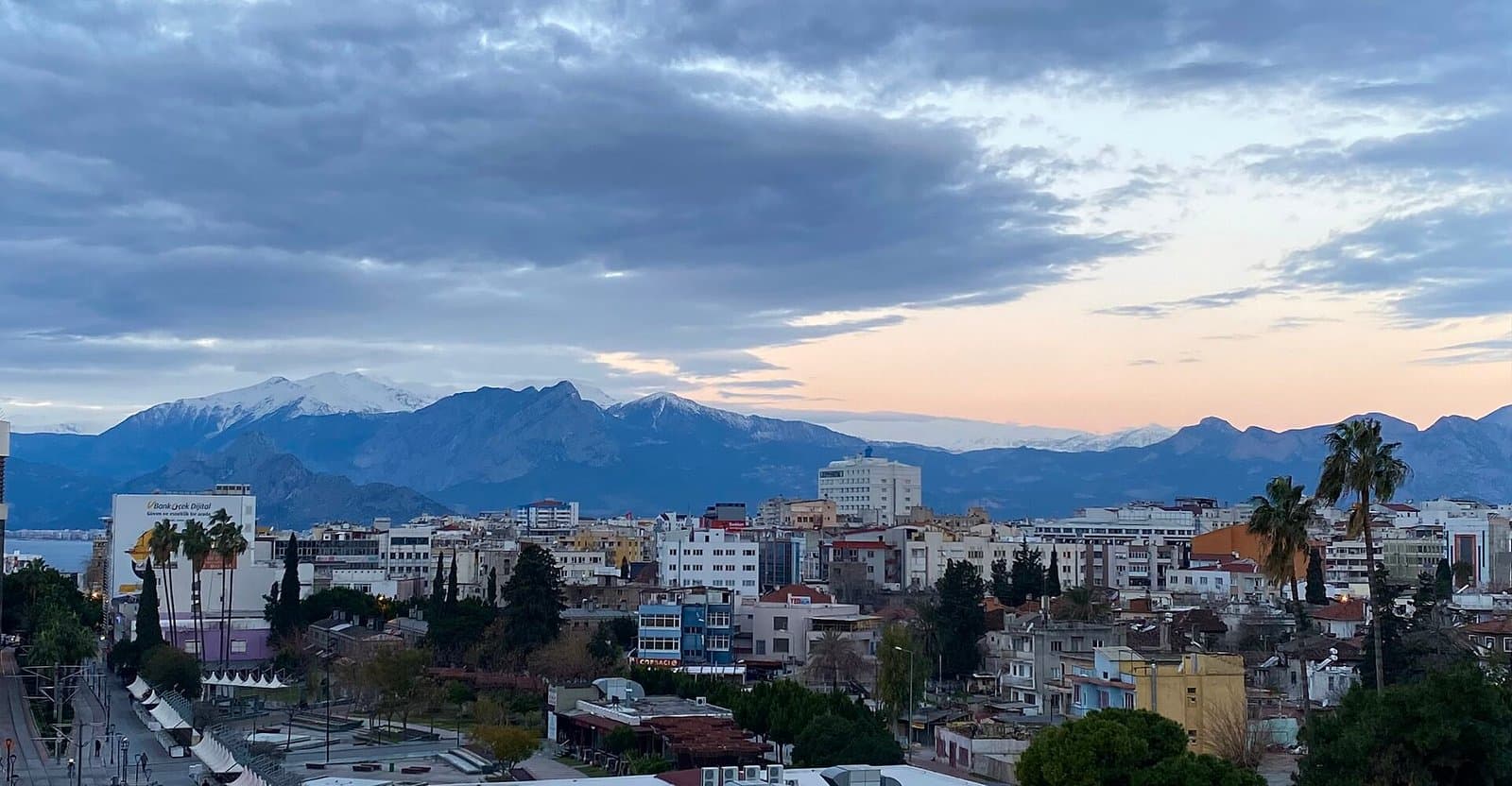
Both belong to the Presidency’s Action Agenda, a track of voluntary initiatives that runs alongside, but separately from, the formal negotiations among Parties to the UN Framework Convention on Climate Change (UNFCCC). They are not negotiated outcomes. COP31 takes place from 9 to 20 November 2026 at the Antalya EXPO Center in Türkiye, while Australia holds the presidency of negotiations.
Five pilots for BRIDGE
According to the Presidency, Ethiopia, Fiji, Indonesia, Pakistan and Uzbekistan will be the first countries to test the Climate Implementation Bridge, known as BRIDGE. The UN Development Programme (UNDP) is its delivery partner.
The Presidency describes BRIDGE as country-driven support to help countries convert their own climate and development priorities into project portfolios ready for investors. It says the aim is to link goals with funding, spot implementation bottlenecks and help countries use existing international support more effectively.
Feedback from the pilots will guide how the initiative is scaled up, the Presidency said. It reported strong interest from developing countries, particularly Small Island Developing States (SIDS) and Least Developed Countries (LDCs). No funding figures were published for the scheme.
A facility for resilient cities
At a separate event the same day, the Presidency launched the Sustainable Urban Resilience Financing Facility (SURFF), which it called a key summit outcome. ILBANK developed SURFF with UN-Habitat and the World Bank.
Its stated purpose is to close the urban climate finance gaps countries face as they implement their national climate plans (NDCs) and National Adaptation Plans (NAPs), with a focus on low- and middle-income countries. The Presidency says SURFF will help countries and cities convert commitments into investment programmes and ready-to-fund projects and mobilise public and private money.
The facility is built on three pillars:
- **Resilient Cities Country Platform:** country-led platforms linking urban resilience priorities with project preparation, finance and implementation support.
- **Resilient Cities Centre of Excellence:** distilling lessons from delivery into tools other countries can reuse.
- **International Resilient Cities Dialogue:** a forum where member states and partners swap experience on accessing finance.
Finance as the missing piece
Murat Kurum, Türkiye’s Minister of Environment, Urbanisation and Climate Change and the COP31 President-Designate, cast finance as decisive. “Climate ambition without finance is like an EV without a battery – it won’t go anywhere,” he said in a statement before the launches. He added that the initiatives “are designed to turn plans into investible projects, and match them with finance.”
The announcements follow the Presidency’s Action Agenda launch in New York earlier in Climate Week. The Pre-COP meeting is scheduled for Fiji on 5–8 October 2026.
Are BRIDGE and SURFF part of the formal COP31 negotiations?
No. They are voluntary initiatives under the Presidency’s Action Agenda. Formal UNFCCC decisions are agreed by Parties in the negotiations.
Which countries are piloting BRIDGE?
Ethiopia, Fiji, Indonesia, Pakistan and Uzbekistan, according to the Presidency.
Who developed SURFF?
ILBANK, in partnership with UN-Habitat and the World Bank. The Presidency launched it on 24 September 2026.
Sources
- COP31 Presidency, “COP31 Presidency elevates finance and city action in implementation-focused agenda” (24 September 2026): https://cop31.tr/news-detail/cop31-presidency-elevates-finance-and-city-action