After more than a millennium, the remains of the medieval Bulgarian ruler Czar Samuel have been returned to Bulgaria. The repatriation marks a significant moment for Bulgarian national identity and concludes years of complex negotiations with Greece.
- Czar Samuel’s remains arrived in Sofia on Saturday, October 3, 2026.
- The medieval emperor battled the Byzantine Empire and died in 1014.
- His supposed remains were discovered in Greece in the 1960s.
- The handover is part of a cultural accord between Bulgaria and Greece.
A Historic Homecoming
The remains of Czar Samuel, a pivotal figure in Bulgarian history, were flown to the capital, Sofia, aboard a military aircraft. The plane was escorted by air force fighter jets, underscoring the significance of the event.
Thousands of citizens gathered in a public square to welcome their historical leader back, celebrating a moment that capped years of delicate diplomatic efforts between Bulgaria and Greece.
- The ceremony included the national anthem and a 21-gun salute.
- Bulgarian Prime Minister Rumen Radev emphasized European unity and peace.
- Citizens expressed pride and a sense of belonging.
Years of Negotiation Culminate
The successful repatriation is the result of a bilateral accord signed between the Greek and Bulgarian culture ministers. This agreement facilitated the return of Samuel’s remains to Bulgaria.
In exchange, Greece is set to receive 48 artifacts looted by Bulgarian troops from Greek churches and monasteries during World War I.
A Symbol of National Identity
Czar Samuel is revered as a warrior emperor who fiercely defended and expanded his kingdom against the formidable Byzantine Empire. His reign, though ultimately ending in defeat and his death shortly after in 1014, cemented his place as a symbol of Bulgarian national resistance and identity.
The discovery of his supposed remains in a Greek border area in the 1960s initiated a long journey towards their eventual return.
- Samuel’s reign was marked by conflict with the Byzantine Empire.
- His legacy is tied to Bulgarian national pride and historical memory.
- The discovery of his remains in Greece initiated the repatriation process.
The Church of Saint Sofia
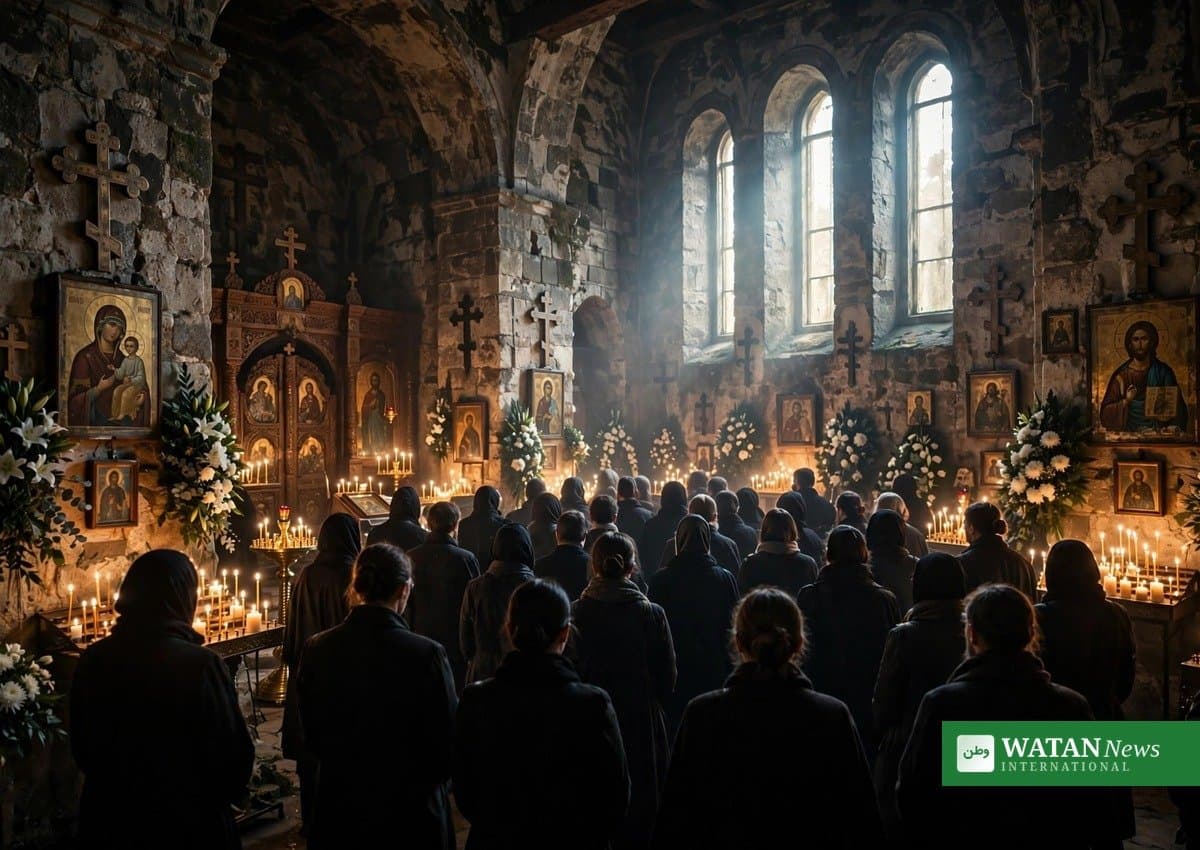
Following the official ceremony, a procession carried the remains to the Church of Saint Sofia. This historic sixth-century basilica, which lends its name to the capital city, holds particular significance as it is believed to be the place where Czar Samuel was baptised.
Church officials confirmed this historical connection, adding another layer of meaning to the final resting place.
Broader Implications for Cultural Heritage
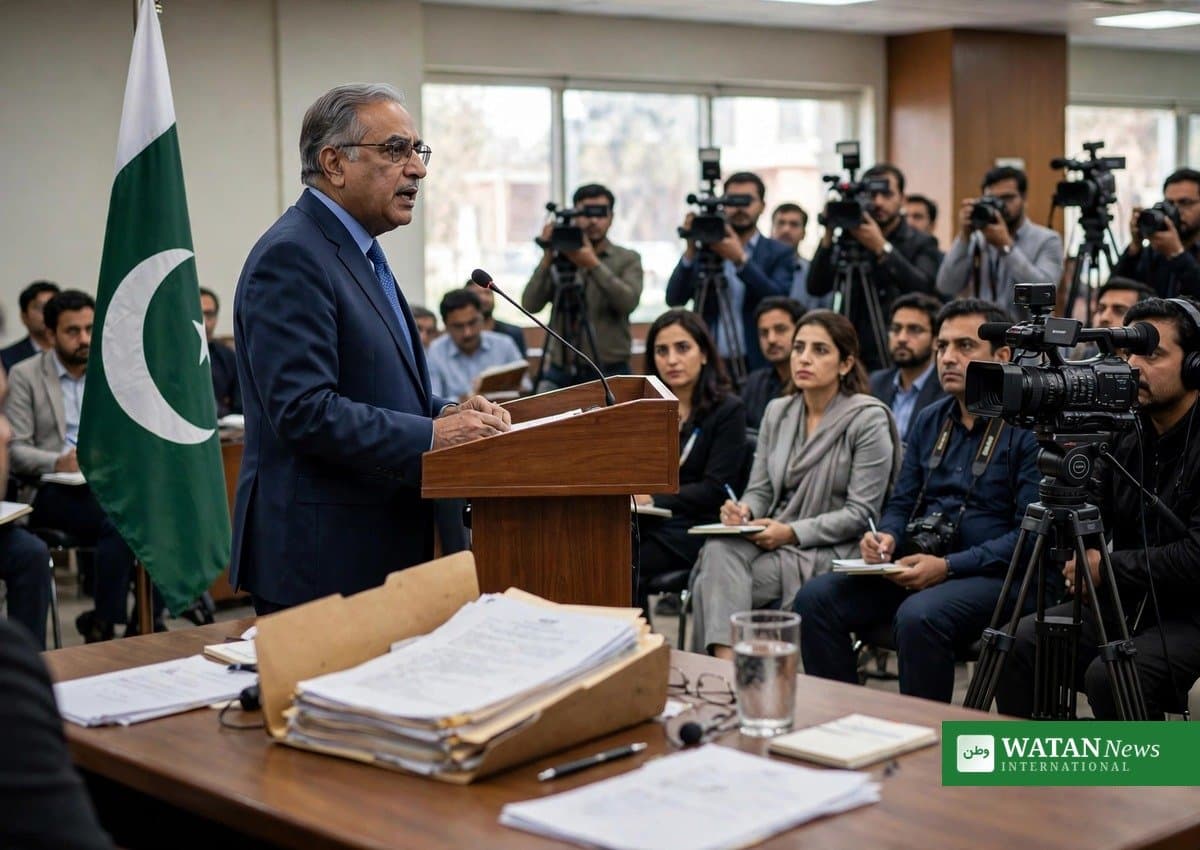
The handover of Czar Samuel’s remains has been viewed as a positive step in international relations concerning cultural heritage. Greek Prime Minister Kyriakos Mitsotakis expressed his hope that this ceremony would lend momentum to Greece’s ongoing campaign for the repatriation of the Parthenon Marbles.
He noted that the global community is increasingly re-evaluating its approach to the protection and restitution of cultural artifacts.
Parthenon Marbles Campaign
The Parthenon Marbles, a collection of ancient sculptures from the Acropolis of Athens, have been a subject of dispute for decades. Their display in the British Museum has fueled Greece’s efforts to secure their return.
The successful resolution of the Samuel remains case could set a precedent for future cultural heritage negotiations.
Conclusion
The return of Czar Samuel’s remains to Bulgaria after a thousand years is a deeply symbolic event. It not only reunites a historical figure with his homeland but also highlights evolving international cooperation on cultural heritage.
This repatriation serves as a testament to the enduring power of history and national identity, potentially paving the way for further resolutions in similar cultural restitution cases worldwide.