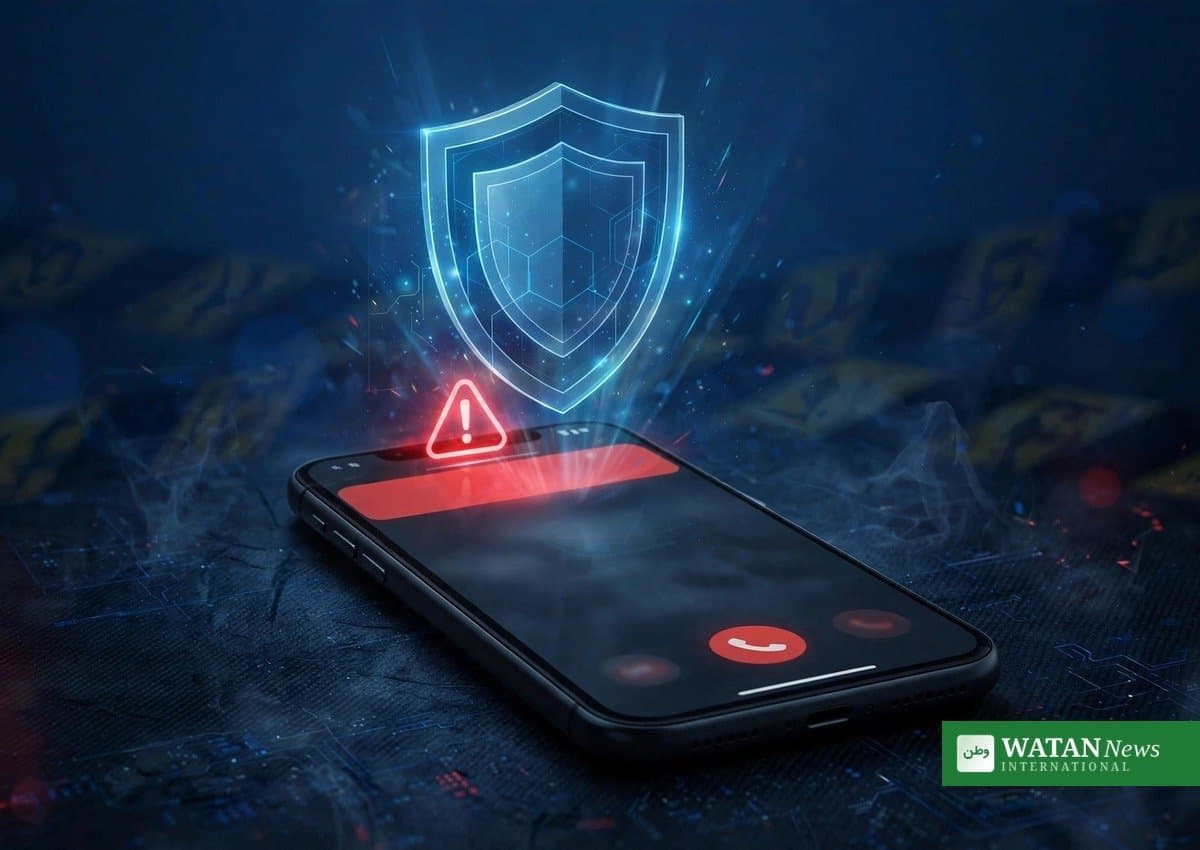
The Higher Education Commission (HEC) of Pakistan has issued a public HEC fraud alert, warning citizens about fraudsters who are impersonating the commission through fake telephone calls to steal money and personal information. The advisory follows a surge in complaints from people contacted by callers falsely claiming to represent the commission, often dangling legitimate HEC services such as degree attestation and equivalence as bait.
FAKTA
- Fraudsters are making unsolicited phone calls while posing as HEC officials across Pakistan.
- They falsely offer HEC services like degree attestation and equivalence to appear legitimate.
- Their real aim is to extract money, PIN codes, passwords and bank details from unsuspecting citizens.
- HEC says it has not authorised any individual or organisation to contact the public by phone for services or payments.
- Citizens should share nothing with unknown callers and report suspicious calls to their telecom operator’s helpline, the PTA or the FIA’s cybercrime centre.
How the fraudulent schemes work
According to the commission, it has received a large number of complaints detailing these deceptive practices. The fraudsters trade on the HEC’s established reputation, offering services the commission genuinely provides — such as degree attestation and equivalence — to make their approach look credible and to prey on the public’s need for these educational credentials.
Their goal, the advisory says, is to illicitly extract money and sensitive personal data from unsuspecting individuals.
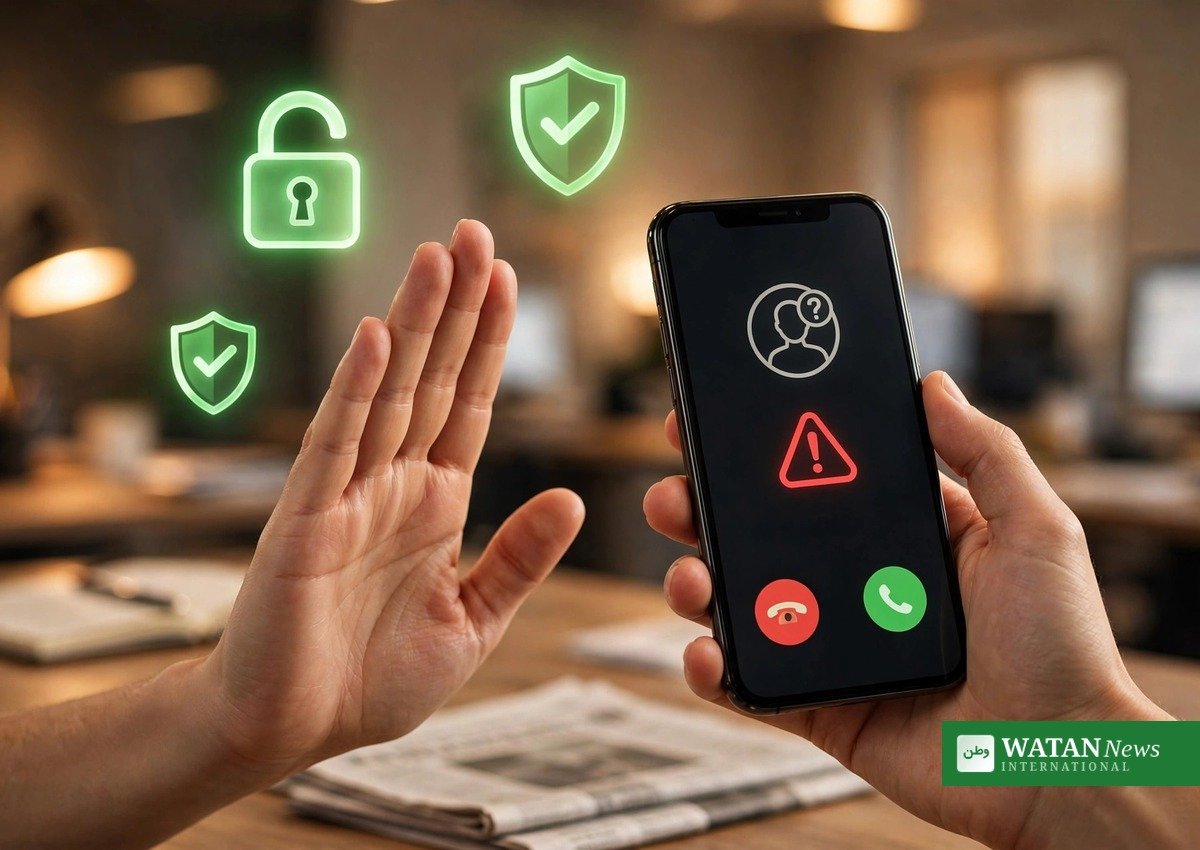
Fraudsters posing as HEC officials use fake calls to trick citizens into sharing personal and financial details. (Illustration: Watan News)
What the HEC fraud alert clarifies
In response to the alarming reports, the HEC has made it unequivocally clear that it has not authorised any individual or entity to contact the public directly for the purpose of soliciting funds or personal information. The commission emphasised that it does not provide any services — nor does it solicit money, PIN codes or passwords — through telephone calls or any other direct communication channel outside its official procedures. The warning has also been reported by Bloom Pakistan.
Safeguarding your personal information
A cornerstone of the advisory is the directive to diligently protect sensitive personal and financial data. Sharing PIN codes, passwords or bank account details with unknown callers can lead to identity theft, significant financial losses and other forms of exploitation. Citizens should always verify any service request by contacting the HEC only through its officially recognised channels.
Reporting suspicious calls
The HEC strongly encourages the public to report suspicious or fraudulent calls without delay, saying prompt reporting helps authorities track, investigate and apprehend those behind the scams. Citizens can report to their telecom operator’s helpline, the Pakistan Telecommunication Authority (PTA), or the Federal Investigation Agency’s National Cyber Crime Response Centre (NCCRC). Victims of financial fraud are also advised to report the incident to the State Bank of Pakistan.
Read this story on Watan News and follow our Pakistan coverage for more updates.
Conclusion
The HEC’s advisory is a clear reminder that no genuine official will ever ask for money, PINs or passwords over the phone. Staying informed, exercising caution and reporting suspicious calls promptly remain the strongest defences against this wave of impersonation fraud.