The United Nations mission in Western Sahara has entered Saturday without a renewed mandate, after the Security Council failed to extend it on Friday. The Western Sahara MINURSO mandate expired on 31 October 2026, leaving the future of a peacekeeping operation the Council had routinely renewed for decades suddenly in doubt.
On Friday, the United States and Russia vetoed each other’s rival resolutions in New York, one day before the mandate ran out. No last-minute extension had been agreed as the mandate expired, and the mission — formally the United Nations Mission for the Referendum in Western Sahara, known as MINURSO — is now left without legal authority from the Council.
FAKTA
- What expired: The mandate of MINURSO, the UN mission in Western Sahara, on 31 October 2026.
- What happened on Friday: Russia vetoed a US-drafted extension, and the United States then vetoed a Russian counter-draft.
- The votes: The US draft won 11 votes in favour but was vetoed by Russia, with China, Pakistan and Somalia abstaining. The Russian draft won 3 votes in favour, with the United States voting against and 11 abstentions.
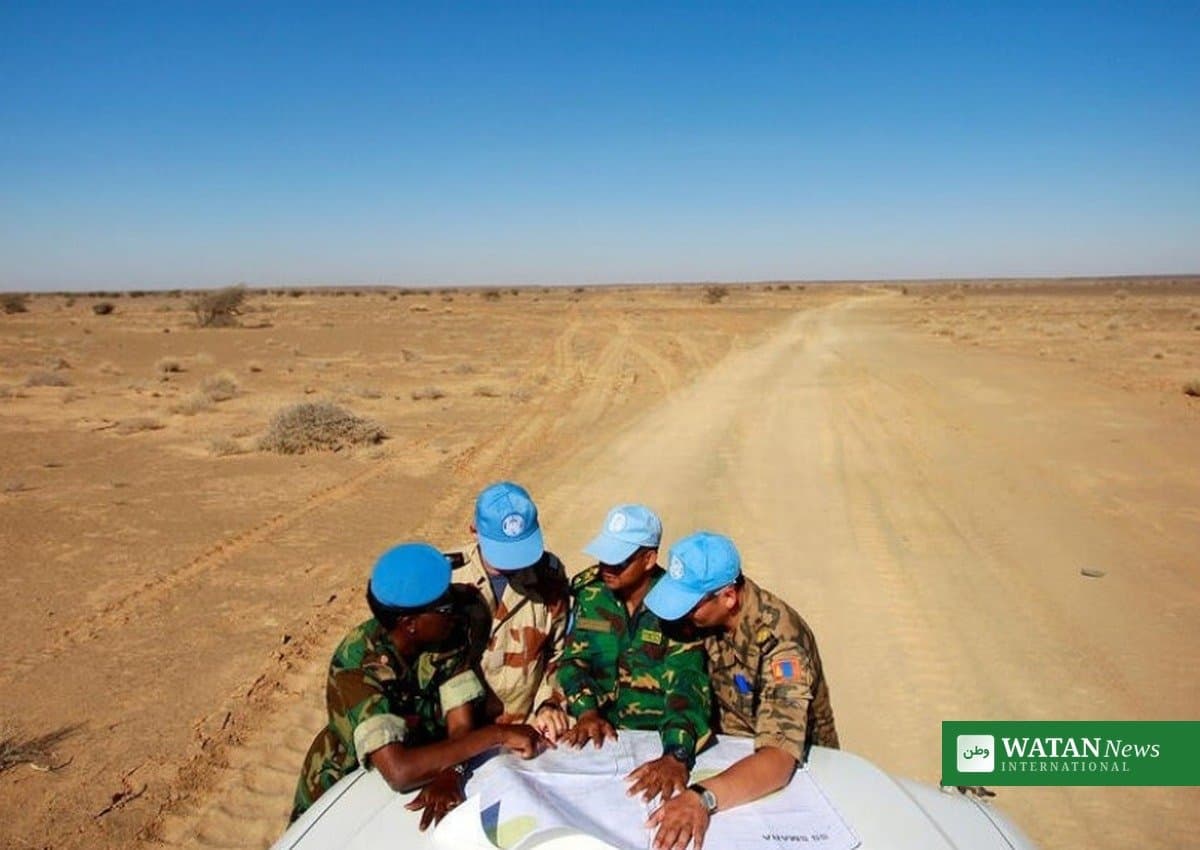
- The mission: Established in 1991, with 155 military personnel and a budget of $62 million for the fiscal year that began in June 2026.
- What happens next: Unclear — Morocco says the mission’s presence should end in the coming days, while France has warned that an abrupt closure would be alarming.
How the Western Sahara MINURSO mandate reached expiry
The US draft resolution would have extended the mission for another year while cementing Morocco’s autonomy plan as the only basis for talks to settle the half-century-old conflict, and scaling back the mission’s military component. It would also have removed the reference to a referendum from the mission’s name, renaming it the United Nations Mission in Western Sahara, or MINUSO.
Russia vetoed that text. Moscow’s envoy, Vassily Nebenzia, said the Council could not predetermine matters relating to sovereignty and must not give its blessing to what he called a one-sided approach. The Russian counter-draft then proposed a straight one-year extension, to 31 October 2027, without changing the mission’s name, functions or structure. The United States voted against it, and the draft also failed to secure the nine affirmative votes needed to pass.
France and the United Kingdom, the two other permanent members of the Council, backed the US resolution along with eight non-permanent members. China said there had been insufficient consultations on the US proposal and that a mission’s mandate should not be used to exert political pressure.
A mission created for a referendum that never happened
MINURSO was established by Council resolution 690 in 1991, under settlement proposals accepted in 1988 by Morocco and the Polisario Front, which seeks an independent state for the Sahrawi people. The proposals provided for a transitional period to prepare a referendum in which the people of Western Sahara would choose between independence and integration with Morocco.
That referendum has never taken place. The United States ambassador, Michael Waltz, said after Friday’s vote that a referendum had never happened because of longstanding disagreements over voter eligibility, and that the United Nations had not been preparing to hold such a vote for decades. The US delegate added that any drawdown of the mission should be orderly and stable.
Most of Western Sahara is controlled by Morocco, while the Algeria-backed Polisario Front claims the territory. Tens of thousands of Sahrawis are estimated to live in Polisario-run refugee camps in Algeria. Hostilities have persisted at low levels since the Polisario said in November 2020 that it was resuming armed struggle. Last year, the Council backed Morocco’s autonomy proposal as a basis for resolving the conflict and asked Secretary-General António Guterres to submit a review of the peacekeeping mission.
What both sides said
Morocco’s royal palace welcomed the failure to renew the mission, calling it a significant development. It said the non-renewal meant the mission’s presence in what it calls the Kingdom’s southern provinces, including its personnel, vehicles, equipment and symbols, should come to an end in the coming days. Morocco said it remained committed to the ceasefire in the territory. In Laayoune, the largest city in Western Sahara, streets were decorated with Moroccan flags and lights to prepare to celebrate “Unity Day”, a holiday declared to commemorate last year’s Security Council vote on 31 October.
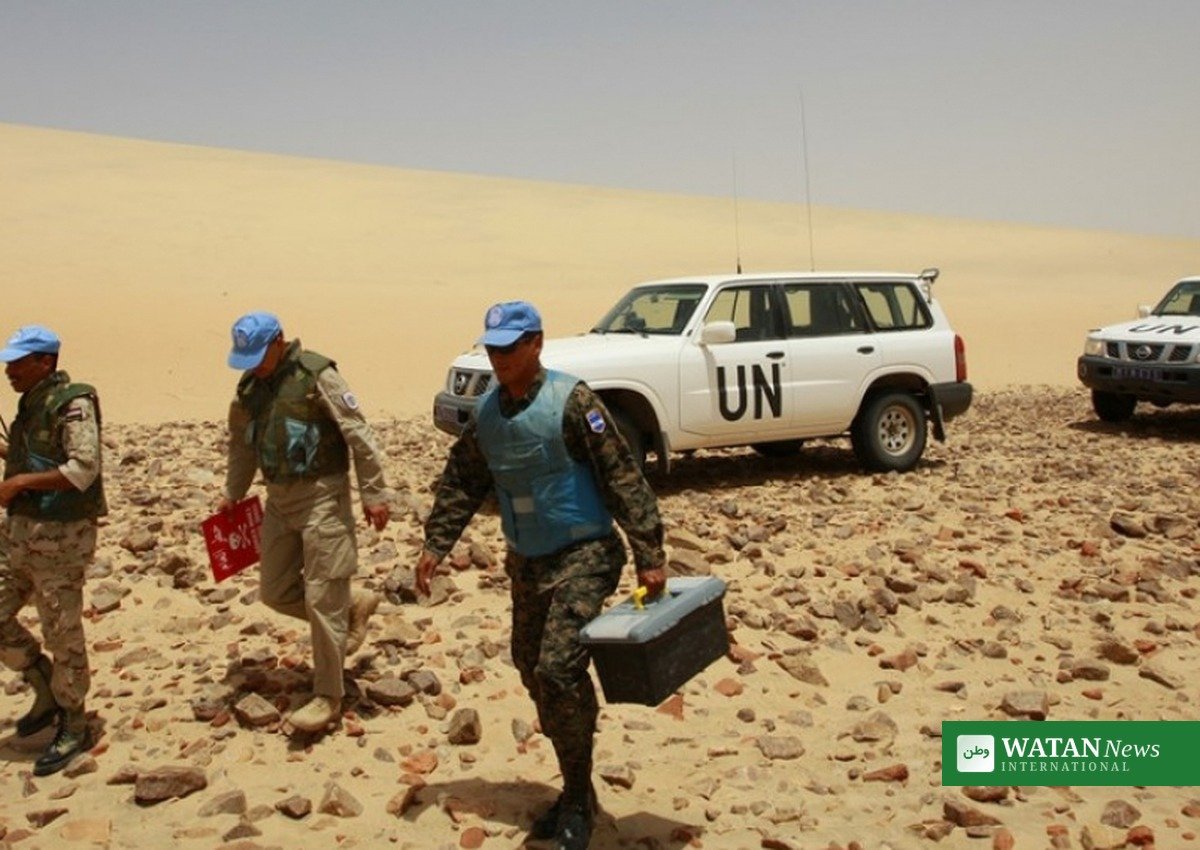
The Polisario representative, Sidi Omar, thanked Russia for vetoing the US-backed resolution, which he said would torpedo the foundations of the UN peace process and threaten regional and international peace. Algeria’s delegate thanked Russia for its draft and said the Sahrawi people remained deprived of their right to self-determination, while Morocco’s delegate replied that Algeria had undermined the Council and urged that the people in the Tindouf camps be allowed to go home.
Other Council members voiced regret. France’s delegate warned that MINURSO can build trust to advance the political process and that its abrupt closure would be exceedingly alarming in the context of resumed tensions. The United Kingdom’s delegate expressed immense disappointment at Russia’s veto, saying it jeopardised the deployment of the UN mission and risked setting back progress on the political process. The aid organisation Oxfam warned that losing the mission’s monitoring and de-escalation functions could put refugees at risk and undermine security and stability, with serious consequences for civilians.
What happens now
The Council agrees in broad terms that the mission should probably continue, but it could not agree on the words that would continue it. The two drafts differed not on whether to extend the mission for a year, but on the terms: the US text would have rewritten the mission’s purpose around Morocco’s autonomy plan, while the Russian text would have rolled the existing mandate over unchanged.
Until the Council agrees on a new text, MINURSO has no renewed mandate, and its 155 military personnel face an uncertain future. For related world coverage, see Watan News World.