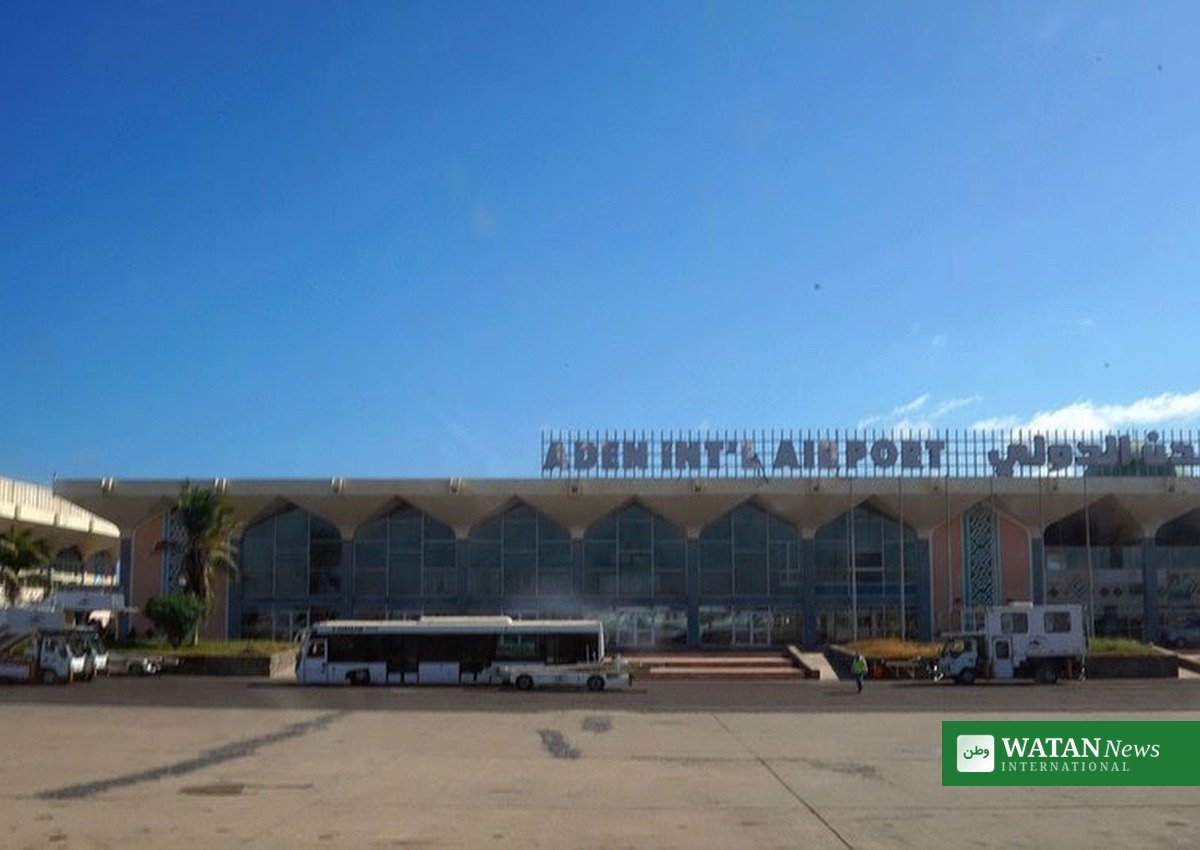
Two missiles landed on the grounds of Aden International Airport in southern Yemen on Friday, while the Saudi-led military coalition said it had intercepted a ballistic missile bound for the Saudi Red Sea oil hub of Yanbu, in a sharp escalation of the conflict that pushed oil prices to their highest level in months.
The Aden airport missile strike is the second attack on the facility in less than a week, according to the Aden Security Department, which blamed the Iran-aligned Houthi group. The Houthis did not immediately claim responsibility. No casualties were reported, but a Yemenia Airways flight bound for Cairo was preparing for takeoff when the missiles landed, the security department said.
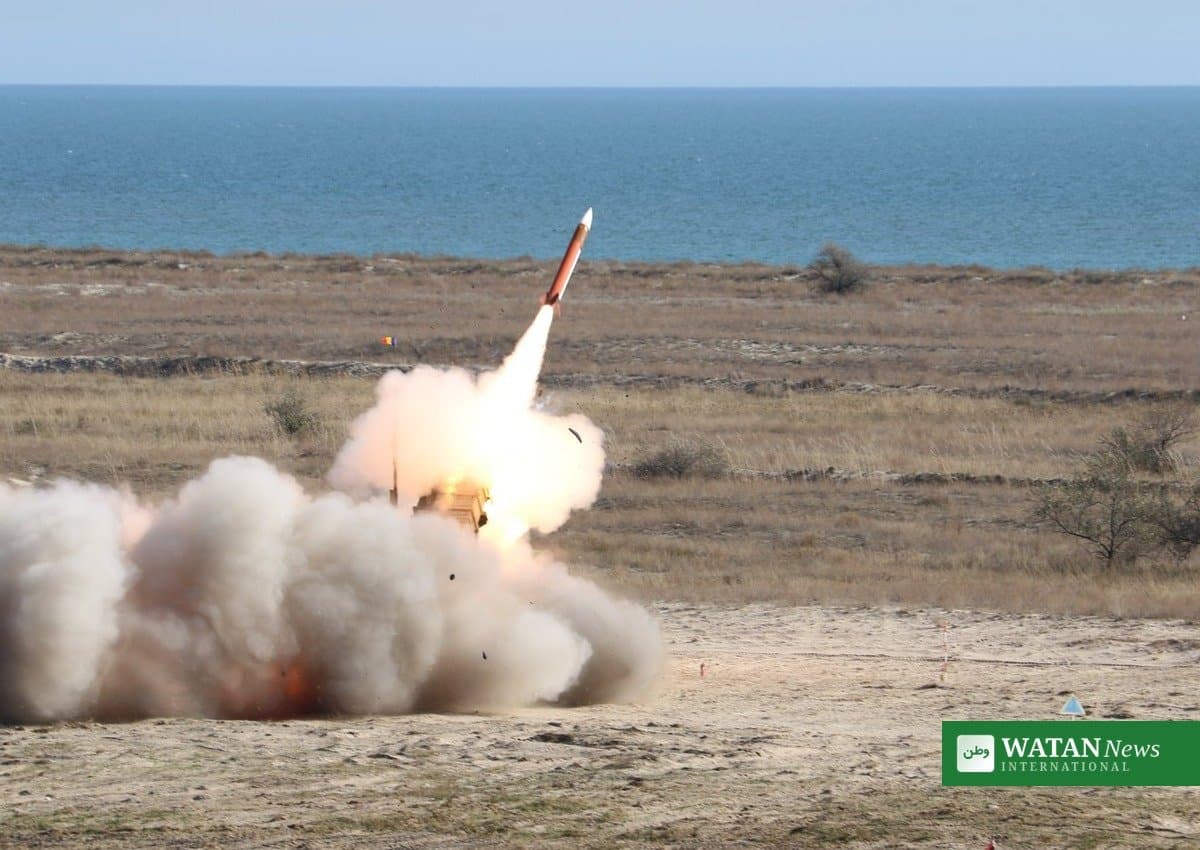
In a separate announcement, the coalition’s spokesman, Major General Turki al-Malki, said its air defenses had intercepted and destroyed the ballistic missile heading for Yanbu, along with two cruise missiles over the Red Sea and three drones in Saudi Arabia’s Southern and Riyadh regions.
FAKTA
- What happened: Two missiles hit Aden International Airport grounds on Friday, October 16, 2026; the Aden Security Department blamed the Houthi group. No casualties were reported.
- Saudi interceptions: The Saudi-led coalition destroyed a ballistic missile bound for Yanbu, two cruise missiles over the Red Sea, and three drones over Saudi Arabia’s Southern and Riyadh regions, according to coalition spokesman Maj. Gen. Turki al-Malki.
- Oil impact: Brent crude briefly touched $110 a barrel on Friday, the first time since May, on fears that escalating tensions could tighten global supplies.
- Why Yanbu matters: Yanbu is a key outlet for Saudi oil exports, allowing the kingdom to ship crude via the Red Sea without passing through the Strait of Hormuz, where security concerns have been rising.
- Claim status: The Houthis did not immediately claim responsibility for the Aden airport missile strike or the attacks on Saudi Arabia.
Aden airport missile strike comes amid a widening campaign
Friday’s Aden airport missile strike marks the second attack on the airport in less than a week, underscoring the widening of a conflict that has seen near-daily missile and drone launches toward Saudi territory since fighting resumed last month. Saudi Civil Defense authorities earlier issued alerts in the Jazan region and the southwestern city of Khamis Mushait, where such warnings have become frequent in recent weeks.
Fighting between the Houthis and the Saudi-led coalition backing Yemen’s internationally recognized government has raised fears of a further deterioration in the country’s humanitarian crisis. Aid agencies have warned that conditions are worsening rapidly.
Interceptions over the Red Sea and the Saudi heartland
According to the coalition, the six aerial threats destroyed on Friday included the ballistic missile intercepted near the port city of Yanbu in western Saudi Arabia, two cruise missiles brought down over the Red Sea, and three drones neutralized in the Southern and Riyadh regions. The coalition did not identify those behind the attacks.
The statement was issued by Maj. Gen. Turki al-Malki, the coalition’s official spokesman, and corroborated by multiple regional outlets. Saudi Arabia has faced repeated aerial threats in recent weeks, with the Iranian-backed Houthi movement in Yemen blamed for strikes on airports and other strategic facilities.
Earlier in the week, the coalition said it had intercepted a cruise missile over Medina, and Saudi Arabia welcomed a UN Security Council presidential statement condemning the Houthi attacks on the kingdom, including strikes against civilian facilities, airports and energy infrastructure.
Oil prices jump as supply fears grow
Brent crude briefly touched $110 a barrel on Friday for the first time since May, as worries over escalating Middle East tensions raised concerns about tighter global supplies. Yanbu’s role as an alternative export outlet that bypasses the Strait of Hormuz has made its security central to global energy markets, particularly as threats to shipping through Hormuz and the Red Sea have intensified.
Analysts have warned that any sustained disruption to Saudi export infrastructure could ripple through global fuel prices. For more on the region’s energy-security arc, see our Middle East coverage.